
Reviewed · FOOD & DRINK
Krakow: Street Food Walking Tour
Krakow’s best food stories are often handheld, salty, pickled, or served from a small counter. This 90-minute street food walk links the city center with classic bites such as obwarzanek, zapiekanka, pierogi, kiełbasa, oscypek, and sweets, then finishes with regional products at a local market.
I like the small group of up to 15, which gives you room to ask about recipes and food customs. I also like the mix of tastings and Krakow history, with guides such as Joanna, Alicja, Olga, Anna, and Mateusz repeatedly praised for making the short route lively and personal.
The main drawback is the pace. Ninety minutes is enough for a tasty introduction, but it can feel like a whistle-stop tour if you want long photo stops, a relaxed meal, or time to browse every market stall.
In This Review
- Key Points at a Glance
- Why This Krakow Food Walk Works
- Starting at Saint Mary’s Church
- Obwarzanek, Krakow’s Ring-Shaped Snack
- Zapiekanka and the Polish Street Food Tradition
- Pierogi, Pickles, and the Savory Middle
- Kiełbasa and Highlander Cheese
- The Market Finish
- Sweets and a Polish Vodka Tasting
- How Much Food Do You Get for $35?
- Pace, Group Size, and Walking Comfort
- Languages, Allergies, and Booking Details
- The Guides Make the Short Route Work
- Who Should Book This Krakow Food Tour?
- Should You Book It?
- FAQ
- Where does the Krakow Street Food Walking Tour meet?
- How long does the tour last?
- How much does the tour cost?
- What languages are available?
- How many people can join?
- Which foods are included?
- Is Polish vodka included?
- Is the tour suitable for vegans or people with food allergies?
- Can wheelchair users join the tour?
- What happens if I arrive late?
- Can I cancel my booking?
Key Points at a Glance
- Six or seven Polish tastes in one short walk: Expect a broad sample rather than a single sit-down meal.
- A real Krakow classic: Obwarzanek, the city’s ring-shaped bread, is one of the first foods to know here.
- Market tasting at the finish: The final stop gives you a chance to sample regional products and spot items to buy later.
- Food with a history lesson: Guides connect snacks, drinks, and eating habits with Krakow and Polish culture.
- A shot of Polish alcohol: Vodka is part of the tasting, so this is not an alcohol-free food tour.
- Best for curious omnivores: The tour includes wheat, dairy, eggs, meat, nuts, sesame, and other possible allergens.
Why This Krakow Food Walk Works
This experience is built around a simple idea: food gives you a quick way to understand a place. In Krakow, that means tasting everyday staples while walking through the central streets, rather than sitting in one restaurant and hearing a general talk about Polish cooking.
I like that the tour focuses on foods you can recognize and seek out later. You are not just handed an elaborate restaurant dish. You learn about the snacks people buy, share, and fit into ordinary city life.
The route is also useful at the start of a Krakow stay. You can ask for restaurant suggestions, learn which foods deserve another try, and note the places you may want to revisit. One guide even pointed out evening dining options, while another shared recipes for favorite treats when asked.
The tour carries a 4.8 out of 5 rating from 285 reviews, with especially strong praise for the guides’ warmth, clear explanations, and ability to connect food with local history. Names that come up often include Joanna, Alicja, Olga, Anna, Carolina, Kinga, Paulina, and Mateusz, although your guide depends on the date and language you choose.
More food tours in Krakow:
- Krakow: Zakopane, Thermal Springs, Cable Car, Local Tasting
★ 4.8 · 5,419 reviews - Krakow to Zakopane: Funicular, Tasting and Thermal Baths Day Trip
★ 5.0 · 1,189 reviews - Krakow Food Tasting Tour with Delicious Poland
★ 5.0 · 1,032 reviews
Starting at Saint Mary’s Church
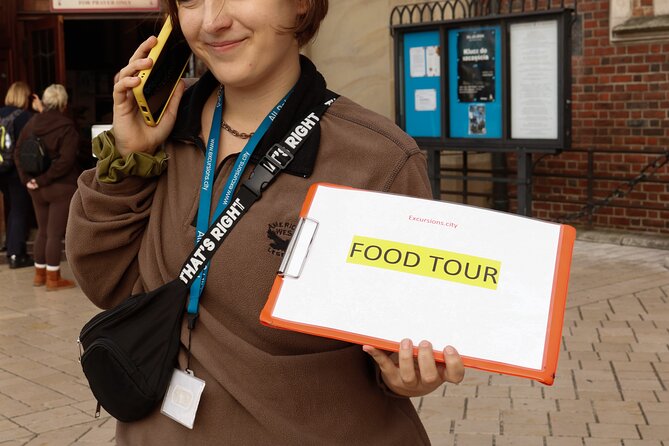
You meet in front of Saint Mary’s Church, Kościół Mariacki, on Krakow’s Main Square. Look for the guide holding an excursions.city sign, and arrive 10 minutes early.
That early arrival matters. Once the group has left, latecomers cannot join and the ticket is not refundable, so this is not the moment to cut your walk across the square to the last minute.
The meeting point is easy to place in the heart of Krakow, but the square can be busy and full of groups. Give yourself enough time to find the church, locate the sign, and settle in before the food begins.
The opening section gives you the feel of a walking tour as much as a tasting tour. Guides regularly include facts about Krakow, Polish eating traditions, and the role food plays in daily life. You get context without committing to a long city lecture.
Obwarzanek, Krakow’s Ring-Shaped Snack
A key early taste is obwarzanek, Krakow’s traditional ring-shaped bread. It is often compared with a bagel, but the comparison only gets you part of the way there. The important point is that this is a Krakow food with centuries of local identity behind it.
The snack is simple, portable, and closely tied to the city streets. That makes it a good introduction to the tour’s approach: familiar-looking food with a specifically Polish and Krakow connection.
You may also learn how the food is made, seasoned, or eaten. The precise stop can vary, but the tour’s food focus is on local products rather than generic international snacks.
For me, this kind of tasting is more useful than starting with an expensive restaurant dish. You can recognize obwarzanek during the rest of your visit and decide if you prefer it plain or with a particular topping.
Zapiekanka and the Polish Street Food Tradition
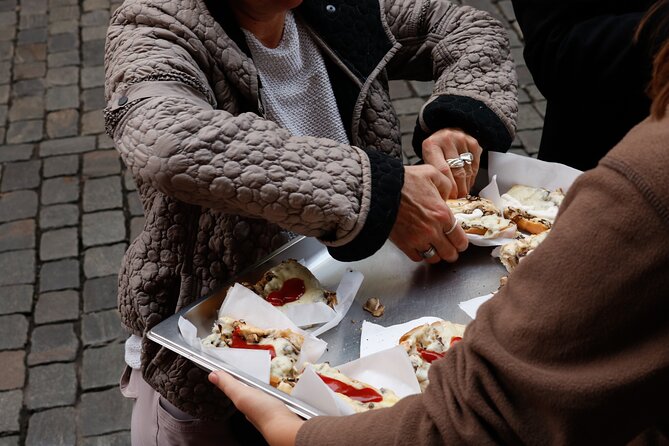
Zapiekanka is another central taste. It is an open-faced baguette-style snack covered with toppings and baked or heated before serving.
It is filling, direct, and easy to understand. The value here is not fancy presentation. You are getting a Polish street food staple that fits the quick, casual rhythm of city life.
The tour lets you compare this with the other foods rather than treating Polish cuisine as one single style. Obwarzanek is bread-based and portable, while zapiekanka feels closer to a quick hot meal. That contrast helps you build a clearer sense of how Polish street food works.
Some food stops may be in smaller independent places instead of large tourist venues. That can make the experience feel more local, though it also means the route is shaped by opening hours and daily availability.
A different sort of day out from Krakow:
- From Krakow: Auschwitz-Birkenau Guided Tour & Hotel Pickup
★ 4.5 · 33,358 reviews - From Krakow: Auschwitz-Birkenau Guided Tour & Hotel Pickup
★ 4.5 · 29,340 reviews - Krakow: Auschwitz Guided Tour with Optional Hotel Pickup
★ 4.5 · 15,280 reviews - Krakow–Zakopane: Cable Car, Chocholow Baths, Cheese & Vodka
★ 5.0 · 10,720 reviews
Pierogi, Pickles, and the Savory Middle
Pierogi bring one of Poland’s most famous foods into the tasting line-up. These dumplings can be filled in many ways, and the tour gives you a chance to try a traditional version without ordering a full plate in a restaurant.
I would treat this as a sample, not a replacement for a proper pierogi meal. If you discover a filling you like, ask the guide for recommendations on where to eat more later.
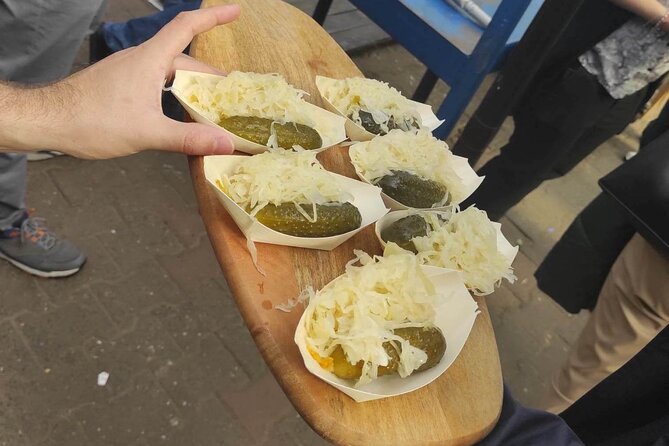
Pickled treats add a sharper note to the route. Polish cuisine makes strong use of sour and fermented flavors, so pickles help show how seasoning changes the character of a meal.
This is one of the useful parts of a guided tasting. You can ask what you are eating, how it is prepared, and which flavors are typical of Poland. Several guides are praised for explaining food in an easy, entertaining way instead of turning every bite into a formal lecture.
Kiełbasa and Highlander Cheese
The sausage tasting introduces kiełbasa, a broad Polish category with many regional versions. It gives you a savory, meaty stop that balances the bread, dumplings, and pickled foods.
You also sample traditional highlander cheeses, including oscypek and bundz. These cheeses bring a taste of Poland’s mountain regions into a Krakow city-center route.
Oscypek is especially useful to try with some context, since its name and appearance can be more memorable than its flavor alone. Your guide can explain the regional connection and help you understand how these cheeses fit into Polish food culture.
Bundz gives you another point of comparison. The two cheeses are not simply interchangeable samples, and tasting them together makes the differences easier to notice.
This section may not suit everyone. The food includes meat and dairy, and the tour is not designed for vegans. One booking described it as suitable for vegetarians, but you should not assume that every sample will be vegetarian or that substitutes are available.
The Market Finish
The final market visit is one of the strongest parts of the experience. Instead of ending after a few stops near the Main Square, the route takes you to a market where you can sample regional products and see foods you might not find in standard tourist restaurants.
This is where the tour shifts from a checklist of famous dishes to a broader look at Polish food shopping. You get a chance to notice packaged products, local specialties, and regional items that could inspire gifts or later meals.
Several people singled out the market as their favorite part, and I can see why. It gives you more choice and a less scripted feel than a single tasting counter. It is also the place to ask what is worth buying, what keeps well, and which foods are best eaten fresh.
The market stop may be busy, and the whole tour still has to fit within 90 minutes. You will not have unlimited time to browse. If you want to return, take note of the location before the group moves on.
Sweets and a Polish Vodka Tasting
The sweet course gives the walk a gentler finish. The tastings can include Polish sweets, and one popular example from the route is a doughnut with rose flavor.
That rose note is a good reminder that Polish sweets may use flavors you do not expect from a standard doughnut shop. If you find a favorite, ask about the recipe or where you can buy another one.
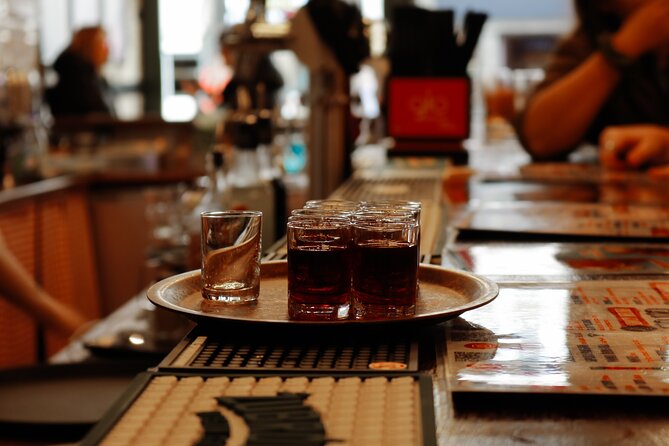
Traditional Polish alcohol is also included. The tour may offer a shot in a bar, including homemade lemon vodka on one occasion, so you should be prepared for alcohol as part of the culinary experience.
This stop has a practical upside: one person returned to the bar later for a beer. The experience can therefore point you toward places you might enjoy after the tour, although the tasting itself is brief and not a full evening out.
If you do not drink alcohol, check the arrangements before booking. The information describes sweets and Polish alcohol as part of the tasting, and it does not promise a nonalcoholic substitute.
How Much Food Do You Get for $35?
At $35 per person, the tour offers good value if you want a broad introduction to Krakow food in a short time. You may try six or seven local items, including bread, a hot snack, dumplings, pickles, sausage, cheese, sweets, and alcohol, while also getting a guided walk.
The price is easier to justify if you are new to Poland. Ordering all these items separately would take planning, and you might miss the less obvious regional products. The guide also saves you from guessing what to order or worrying about pronunciation at each stop.
Still, this is a tasting tour, not a long lunch. Portions are intended to let you sample several foods, not fill you up like a multi-course restaurant meal. One practical plan is to eat a light breakfast beforehand and keep dinner flexible afterward.
The strongest value comes from the combination of food and local orientation. You are paying for the guide’s explanations, the selection of stops, and the chance to identify places and dishes for the rest of your visit.
Pace, Group Size, and Walking Comfort
The advertised maximum is 15 people. That is small enough for conversation, questions, and a reasonable chance to hear the guide, though a full group will feel less personal than a private walk.
Some departures have been very small, even only three people or one person. A tiny group can turn the experience into something close to a private tour, but you should book for the stated maximum rather than count on that pleasant surprise.
The walking is described as manageable, and one person found it minimal in hot weather. Another felt the route moved a little too quickly for taking photos. Both points are useful: the tour is not an endurance walk, but you should keep up and save long photo sessions for afterward.
Weather can affect comfort. The experience continues in rain, and you will spend time outside between stops. Wear shoes that handle city pavement and bring weather protection suited to the forecast.
The tour is not suitable for wheelchair users or people with disabilities. The exact reason is not provided, so anyone with mobility concerns should ask the provider before booking rather than assume the route will work.
Languages, Allergies, and Booking Details
Group tours run in one language only. You can choose English, French, or Italian when booking, but mixed-language guiding is not part of the format.
The food is not suitable for vegans, and the tour is not recommended for people with allergies or intolerances to gluten, wheat, dairy, eggs, meat, sesame, or nuts. Many products may contain these ingredients or traces of them.
That warning covers a large part of the tasting list. Obwarzanek, zapiekanka, pierogi, sausage, cheese, sweets, and market products can involve several of those allergens, so do not rely on simply skipping one stop.
You can cancel up to 24 hours in advance for a full refund, and the reserve-now, pay-later option keeps payment flexible. Those policies are useful, but they do not change the need to arrive early, since late arrival means missing the tour without a refund.
The Guides Make the Short Route Work
The food is the reason to book, but the guide shapes the experience. Joanna is praised for linking food stops with Krakow history, while Alicja is described as friendly and clear. Olga receives repeated praise for her energy and command of Polish food and culture.
Mateusz is noted for explaining food traditions with passion, and guides such as Anna, Carolina, Kinga, Paulina, and Karolina are also described as warm, funny, and helpful with local tips. Names vary, so you cannot select a particular guide from the information given.
The most useful guide behavior is not simply reciting facts. It is answering questions, explaining unfamiliar flavors, and telling you where to continue eating after the tour. That turns a short tasting into a practical start to your Krakow food plans.
I also like the chance to ask for a recipe for something you enjoyed. You may not leave with a cooking class, but you can take home a better understanding of the dish and perhaps a lead for making it yourself.
Who Should Book This Krakow Food Tour?
I would choose this tour if you are visiting Krakow for the first time, have limited time, and want a fast introduction to Polish food without planning every stop yourself. It also suits couples, families with older children, and solo visitors who like sharing reactions with a small group.
It is a good first-day activity because it can help you decide what to eat later. The history and city-center route also give you orientation without taking up half a day.
I would choose something else if you need strict dietary control, avoid alcohol, use a wheelchair, or want a slow food crawl with long visits at each stop. The 90-minute length is efficient, but efficiency means less time for photos, browsing, and lingering over each bite.
Should You Book It?
Book this Krakow Street Food Walking Tour if you want several classic Polish tastes, a local market stop, and useful city context for $35. The combination is especially strong for first-time visitors and short stays.
Go in expecting samples rather than a full meal, a brisk route rather than a relaxed stroll, and a menu that includes many common allergens and alcohol. Arrive 10 minutes early, choose your language carefully, wear comfortable shoes, and keep your evening open for returning to any food stop you like.
FAQ
Where does the Krakow Street Food Walking Tour meet?
The meeting point is in front of Saint Mary’s Church, Kościół Mariacki, on Krakow’s Main Square. The guide will hold an excursions.city sign.
How long does the tour last?
The tour lasts 90 minutes. Starting times depend on availability.
How much does the tour cost?
The listed price is $35 per person.
What languages are available?
The tour is available in English, French, and Italian. Each group tour runs in one language only.
How many people can join?
The maximum group size is 15 participants. Some departures may be smaller.
Which foods are included?
The tasting includes obwarzanek, zapiekanka, pierogi, pickled treats, kiełbasa, oscypek, bundz, sweets, and Polish alcohol. The route also includes samples of regional products at a market.
Is Polish vodka included?
Yes. Traditional Polish alcohol is included in the tasting, and you should be ready to try a vodka shot as part of the experience.
Is the tour suitable for vegans or people with food allergies?
It is not recommended for vegans or people with allergies or intolerances to gluten, wheat, dairy, eggs, meat, sesame, or nuts. Offered products may contain these ingredients or traces of them.
Can wheelchair users join the tour?
No. The tour is listed as unsuitable for wheelchair users and people with disabilities.
What happens if I arrive late?
You should arrive 10 minutes before the start. Once the group has departed, latecomers cannot join and tickets cannot be refunded.
Can I cancel my booking?
You can cancel up to 24 hours in advance for a full refund. A reserve-now, pay-later option is also available.
More Walking Tours in Krakow
- Old Town Krakow & Wawel Castle Walking Tour
★ 5.0 · 1,508 reviews - Creepy Krakow: 2-Hour City Walking Tour
★ 4.7 · 1,131 reviews - Krakow: The Old Town Walking Tour
★ 4.8 · 794 reviews - Krakow: Kazimierz Jewish Quarter Walking Tour
★ 4.8 · 571 reviews
Just added around Krakow
- Private Guided Tour: Oskar Schindler’s Factory★ 5.0 · 3 reviews
- E-Scooter Krakow sightseeing tour★ 5.0 · 3 reviews
- From Krakow: Zakopane and Thermal Pools Guided Trip★ 5.0 · 3 reviews
- Schindler’s Factory, Ghetto and Plaszow Camp Guided Tour★ 4.7 · 3 reviews
- Kraków: Private Hot Air Balloon Flight with Champagne★ 3.7 · 3 reviews
- Krakow: River Cruise & Guided Visit to Former Plaszow Camp★ 3.6 · 3 reviews
- From Krakow: Private Wieliczka Salt Mine Tour★ 4.0 · 3 reviews
- Krakow: Old Town short walk with St. Mary’s Basilica visit★ 5.0 · 3 reviews
Food & Drink, compared.
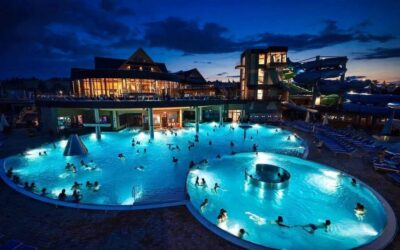
Zakopane, Thermal Springs, Cable Car, Local Tasting
Read our review →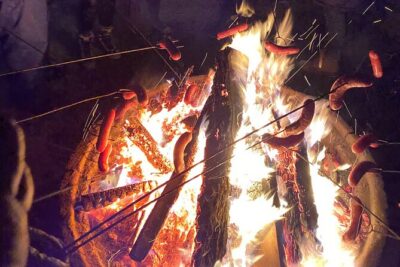
Krakow to Zakopane: Funicular, Tasting and Thermal Baths Day Trip
Read our review →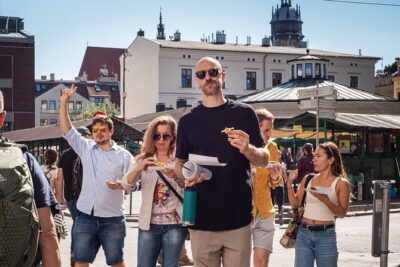
Krakow Food Tasting Tour with Delicious Poland
Read our review →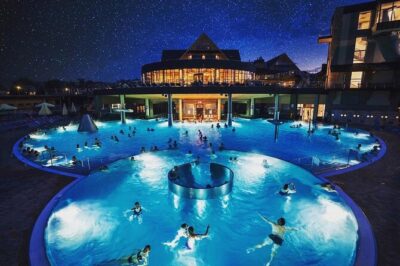
ZAKOPANE & THERMAL SPRINGS, Funicular, Cheese Tasting
Read our review →
Zakopane Tour with Cable Car, Tasting & Hotel Pickup
Read our review →
Zakopane Tatra Mountains, Cable Car, Local Tasting
Read our review →
Zakopane Tour with Cable Car + Tasting & Pickup
Read our review →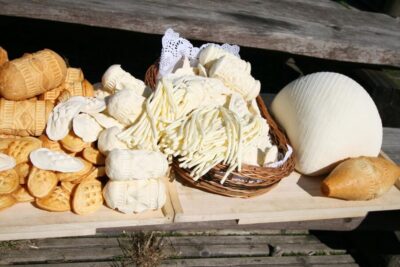
Zakopane Day Tour with Tasting & Funicular Ride
Read our review →Browse the lists this tour appears in