
Reviewed · WAWEL CASTLE TOURS
Krakow: Wawel Castle & Cathedral Guided Tour
Wawel Castle and Cathedral give you Krakow’s grandest lesson in Polish power, faith, and art, all on one hill above the Vistula. I like the way this tour pairs the Renaissance royal rooms with the far older Gothic cathedral, and I especially like the climb to the Sigismund Bell, where tradition says a touch brings good luck. Guides such as Helena, Anna, Jadwiga, and Alexandra have been praised for turning a lot of Polish history into clear, lively stories.
The main trade-off is pace. Two hours is enough for the key sights, but not for every room and corner of Wawel Hill. Crowds can also limit your time inside the cathedral, and the castle exhibition you see is assigned according to availability.
In This Review
- Key points to know before you book
- Why Wawel Hill matters in Polish history
- Inside the Royal Castle’s State Rooms
- Flemish wall hangings and Italian Renaissance art
- Wawel Cathedral and its royal ceremonies
- Climbing to the Sigismund Bell
- The crypts beneath the cathedral
- How the guides shape the experience
- Is $57 good value for two hours?
- Practical planning for the two-hour route
- Who should book this Wawel tour?
- Should you book it?
- FAQ
- How long does the Wawel Castle and Cathedral tour last?
- What does the castle ticket include?
- Which languages are available?
- Where is the meeting point?
- Can I touch the Sigismund Bell?
- What should I wear?
Key points to know before you book
- The castle visit covers one permanent exhibition: You may enter the State Rooms, Royal Private Apartments, or Crown Treasury.
- The cathedral route includes more than the nave: Chapels, the bell tower, and royal crypts make this a substantial visit.
- The Sigismund Bell is a hands-on highlight: You can touch it for good luck after climbing the tower.
- Guides are the tour’s great strength: English, Polish, German, Italian, French, and Spanish tours are offered.
- The meeting point is downtown, not on Wawel Hill: Find the Piotr Skarga Monument on St. Mary Magdalene Square.
- Expect a brisk two hours: Wear comfortable shoes and arrive 10 minutes early.
Why Wawel Hill matters in Polish history
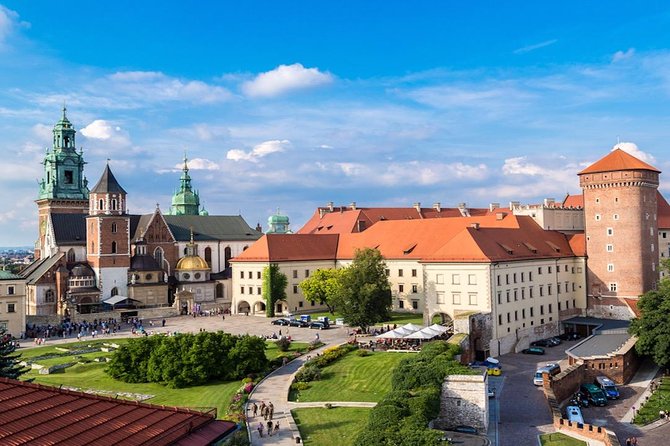
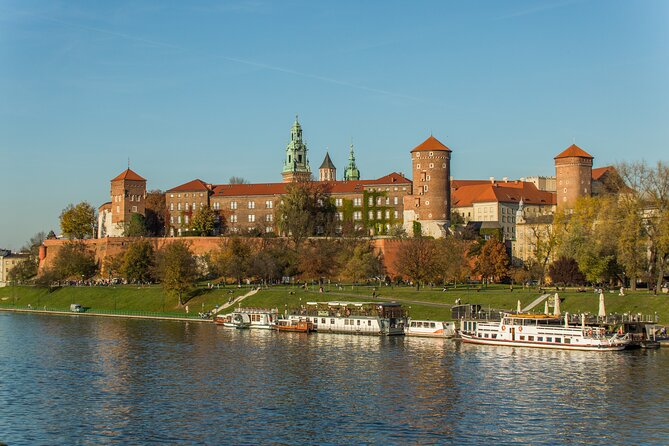
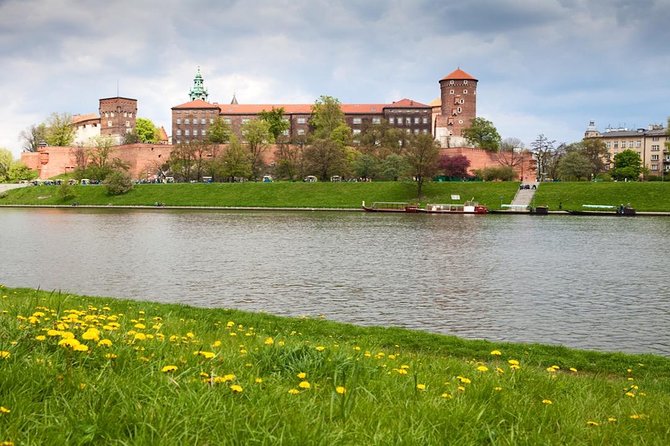
Wawel is more than a pretty castle complex. For centuries, it was the seat of Polish kings and one of the country’s main centers of power. Even after political life shifted elsewhere, Wawel remained a strong symbol of Poland’s independence, religion, and national memory.
That context helps explain why a guide is useful here. Without one, you can admire the courtyards, chapels, paintings, and furniture, but the place can feel like a collection of beautiful objects. A good guide connects the rooms to the rulers who used them, the ceremonies held in the cathedral, and the wars and political struggles that shaped Poland.
You meet at the Piotr Skarga Monument on St. Mary Magdalene Square, then make your way toward the hill with the group. Pay close attention to the voucher instructions. The meeting point is not at the castle entrance, and late arrivals cannot join once the group has left.
The group can include up to 30 people, the museum’s stated limit. That is not a tiny private walk, but it is manageable, especially since headsets are provided for groups of nine or more. In a busy museum, those headsets can make the difference between following the story and catching only fragments.
More Wawel Castle tours:
- Old Town Krakow & Wawel Castle Walking Tour
★ 5.0 · 1,508 reviews - Krakow: Wawel Royal Hill with Optional Castle and Cathedral
★ 4.2 · 1,220 reviews - Krakow: Wawel Castle and Cathedral Guided Tour
★ 4.6 · 595 reviews
Inside the Royal Castle’s State Rooms
The castle section includes one permanent exhibition, selected from the State Rooms, Royal Private Apartments, or Crown Treasury, depending on availability. This is the one part of the tour you cannot fully choose in advance, so check your booking details and keep your expectations flexible.
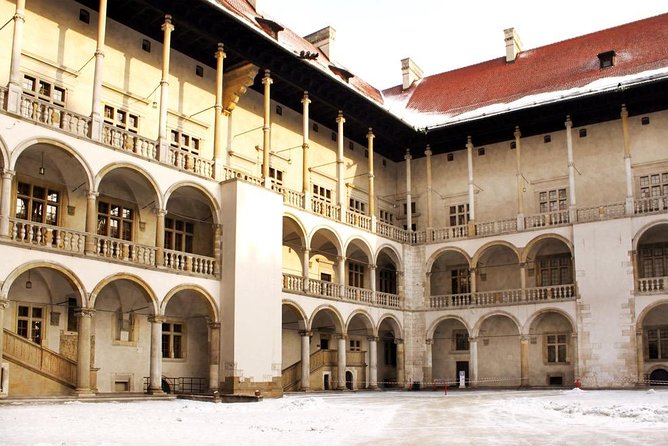
The State Rooms are the obvious choice for many first-time visitors. Their Renaissance and Baroque interiors show how royal ceremony worked as a form of theater. Room design, furnishings, paintings, and decorative objects all helped communicate rank and authority.
The Royal Private Apartments offer a more personal angle. Instead of focusing only on public display, this area brings you closer to the spaces used by members of the royal household. Your guide can help you notice the difference between formal state rooms and areas connected with daily court life.
The Crown Treasury is aimed at royal objects and symbols of power. Depending on the selection available, you may find yourself looking less at rooms and more at items linked to the monarchy’s authority and ceremony.
What I like most about the castle interiors is the range of material on display. You may see paintings, sculptures, porcelain, military objects, heavy furniture, and decorative pieces made with unusual materials. One especially memorable detail noted by a participant was furniture weighing more than 300 kilograms, while another pointed out cupboards decorated with tortoiseshell.
These details work well on a guided tour because they give you something concrete to remember. Polish royal history can involve long names, shifting borders, and complicated alliances. A huge piece of furniture or a striking cabinet helps anchor the story in the real objects around you.
Flemish wall hangings and Italian Renaissance art
Wawel’s art collection is not simply a parade of royal portraits. Among its important treasures are Flemish wall hangings commissioned by King Sigismund II Augustus. Their scale and craftsmanship show the level of luxury expected in a royal residence, while their subjects and placement helped shape the atmosphere of the rooms.
You also see Italian Renaissance works from the Lanckoroński collection. These pieces add a wider European dimension to the castle. Poland’s monarchy was not isolated from the artistic and political currents of Italy, Flanders, or the Ottoman world.
That wider view is one reason I would choose a guided visit instead of walking through alone. A guide can explain not only what an object is, but why it appeared in Krakow, who paid for it, and what it says about the ambitions of the court.
Wawel also has a notable collection of Eastern art, including the largest group of Ottoman tents in Europe. That is an unusual feature, and it keeps the castle from feeling like a standard European palace tour. The collection points to Poland’s contacts, conflicts, and exchanges with the Ottoman world.
You should not expect to study every object at length in a two-hour visit. The tour gives you an informed route through the most important material, but if you are an art specialist or museum enthusiast, you may want to return later for a slower visit to the exhibitions.
Wawel Cathedral and its royal ceremonies
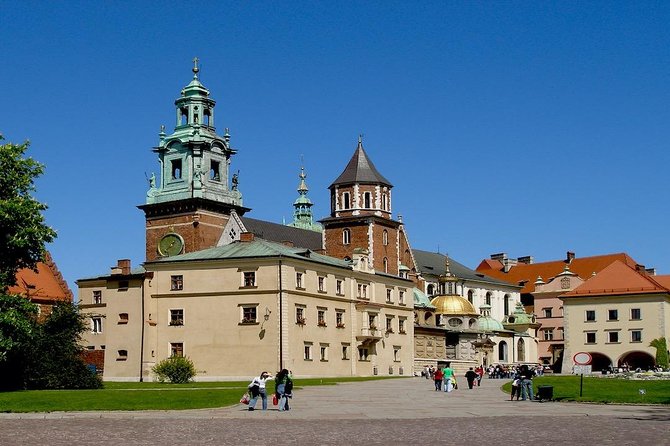
The cathedral changes the mood of the tour. The castle presents monarchy through rooms and objects. The cathedral presents it through ritual, burial, faith, and national memory.
This Gothic church witnessed the coronations, weddings, and funerals of Polish monarchs. Its chapels and altars are packed with layers of art and devotion, and your guide explains how the building became tied to the country’s rulers and major figures.
I find this pairing especially effective. The castle helps you understand how rulers lived and displayed authority. The cathedral shows how that authority was linked to religion and ceremony. Together, they give you a fuller picture than either site alone.
The cathedral is also where the tour can feel most crowded. During busy periods, you may have less time to pause in front of a chapel or altar. A guide can still keep the visit organized, but you should expect the group to keep moving when other services or museum traffic affect the route.
Dress matters here. Shorts and sleeveless tops are not allowed in places of worship and selected museum areas. Both men and women need to cover their knees and shoulders, so pack a light layer if you are visiting in warm weather.
A few more Krakow trips worth comparing
- From Krakow: Auschwitz-Birkenau Guided Tour & Hotel Pickup
★ 4.5 · 33,358 reviews - From Krakow: Auschwitz-Birkenau Guided Tour & Hotel Pickup
★ 4.5 · 29,340 reviews - Krakow: Auschwitz Guided Tour with Optional Hotel Pickup
★ 4.5 · 15,280 reviews - Krakow: Auschwitz-Birkenau Guided Tour with Pickup & Lunch
★ 4.5 · 9,800 reviews
Climbing to the Sigismund Bell
The bell tower is one of the tour’s most memorable surprises. You climb to see the mighty Sigismund Bell, then have the chance to touch it. Local tradition says this brings good luck.
The climb adds a physical element that you will not get from the castle rooms alone. It also gives the cathedral visit a clear focal point, something that many people remember long after the details of the interiors begin to blur.
You should be ready for stairs and a fair amount of walking. The tour description and direct experience from the route make comfortable footwear a sensible choice. If you prefer a slow, unhurried museum visit, the tower portion and the two-hour schedule may feel brisk.
The bell is not just a lucky object. It also represents the scale and force of royal-era Poland. Standing beside it makes the cathedral’s role in public ceremony feel much more real than reading about coronations in a guidebook.
The crypts beneath the cathedral
After the chapels and tower, the route descends to the crypts. Kings and queens are buried here, along with poets and national heroes. This is where the tour’s themes of power and legacy come together.
The crypts are not a light, decorative finish to the visit. They ask you to think about how Poland remembers its rulers, writers, and patriotic figures. Your guide shares stories about the people resting there and helps connect the burial place to the wider story of the nation.
For many visitors, the crypts provide the most emotional part of the tour. The castle rooms show wealth and ceremony, while the crypts strip that away. What remains is memory, and the question of who a country chooses to honor.
The route can cover a lot in a short time, so listen for the names and stories that interest you most. If a particular monarch, poet, or national hero catches your attention, note the name and return later with more time.
How the guides shape the experience
The strongest part of this tour is the guiding. Names repeatedly associated with especially strong visits include Helena, Anna, Jadwiga, Alexandra, and Helen. The precise guide depends on the date and language you book, but the experience is built around live explanation rather than a silent museum entry.
The best guides on this route do more than recite dates. They explain paintings, furniture, royal customs, local legends, and Poland’s relationships with neighboring powers. Helena, in particular, has been singled out for her passion for Polish culture and for making difficult history easy to follow. Other guides, including Anna and Jadwiga, have been praised for clear organization, humor, and good answers to questions.
That matters at Wawel because the subject can become dense quickly. Poland’s past includes changing borders, foreign invasions, royal succession, and long periods of political struggle. A guide who can tell the story in plain language helps you remember the meaning rather than just the names.
The tour is conducted in one language, selected when you book. Options are English, Polish, German, Italian, French, and Spanish. You cannot switch between languages during the group visit, so choose carefully.
A maximum of 30 people is allowed, though some departures may be smaller. One small group can make the tour feel more personal, while a full group makes the headsets especially useful. Families should know that children can affect the pace and concentration of a group, particularly when the guide is explaining details in crowded rooms.
Is $57 good value for two hours?
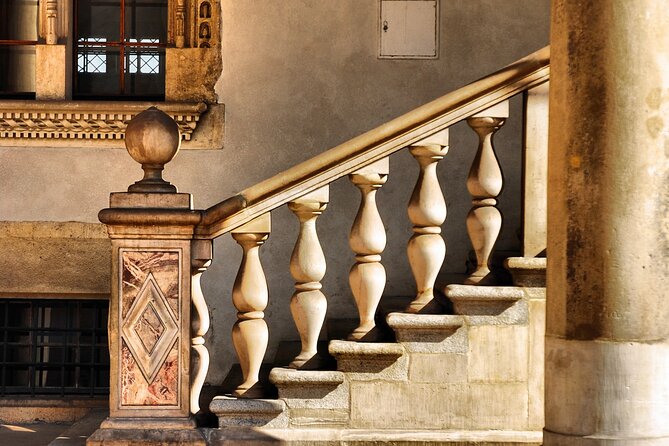
At $57 per person, this is not the cheapest way to walk onto Wawel Hill. You are paying for a licensed local guide, entry to one permanent castle exhibition, cathedral admission, and skip-the-line access to the ticket queue.
The value depends on how you use your time. If you have only a day or two in Krakow, a two-hour guided route gives you the main royal and religious sights without spending your morning figuring out the museum system. The guide also adds context that admission alone cannot provide.
The limitation is that the castle ticket covers one permanent exhibition, not every possible room or collection. The exact section is subject to availability, and the fast schedule means you will not linger everywhere. If you want detailed time with a specific collection, buying admission and exploring at your own pace may suit you better.
For a first visit, I think the price is reasonable if you care about history and want both the castle and cathedral in one booking. It is less compelling if you mainly want photographs, quiet wandering, or a long look at individual works of art.
Practical planning for the two-hour route
Arrive at least 10 minutes early. The group leaves from St. Mary Magdalene Square, beside the Piotr Skarga Monument, where the guide holds an excursions.city sign. Do not head straight to Wawel Hill and assume you can find the group there.
Wear comfortable shoes. You will walk through the castle, cathedral, tower, and crypts, and the route includes stairs. Bring clothing that covers your knees and shoulders, particularly in summer.
Food and drinks are not included, so plan a snack or meal before or after the tour. Since one report found the toilets closed, it is sensible to use facilities before meeting the group rather than count on them at the site.
The tour offers free cancellation up to 24 hours before the start, and you can reserve now while paying later. Starting times vary, so check the date you want rather than assuming a fixed departure.
Who should book this Wawel tour?
I would recommend it most strongly to first-time visitors who want a clear introduction to Krakow’s royal center. It also suits anyone who prefers stories and explanation to reading labels, and anyone trying to fit the castle and cathedral into a compact sightseeing schedule.
Families can enjoy it, especially if children like bells, towers, legends, and grand rooms. Still, the pace is fixed, and a two-hour history tour may test younger children. If your group includes children, prepare them for walking and for quiet behavior in the cathedral.
Art lovers should check which castle exhibition is available before booking. The interiors, paintings, porcelain, military objects, Eastern art, and Ottoman tents offer plenty to see, but you may need a separate visit if one exhibition is your main reason for coming.
The tour also works well for history-minded visitors who want to understand Poland beyond Krakow’s Old Town. The cathedral crypts and royal ceremonies give you a direct connection to national memory, while the castle collections show Poland’s place in European art and politics.
Should you book it?
Book this tour if you want the essential Wawel story in two hours, with a guide to connect the objects, ceremonies, rulers, and burial places. The castle and cathedral make a strong pair, and the Sigismund Bell, tower climb, and crypts add variety to what could otherwise be a standard palace visit.
Think twice if you need a slow museum morning or have your heart set on one specific castle exhibition. Also allow extra time elsewhere on Wawel Hill if you want the grounds, viewpoints, or the dragon site mentioned by one participant.
For most first-time visits, I would choose the tour. The price buys more than entry: it buys a sensible route through a large and important complex, plus the stories that make the rooms and cathedral worth remembering.
FAQ
How long does the Wawel Castle and Cathedral tour last?
The tour lasts two hours. Starting times vary, so check availability for your chosen date.
What does the castle ticket include?
The ticket includes skip-the-line entry to one permanent exhibition at Wawel Castle. This may be the State Rooms, Royal Private Apartments, or Crown Treasury, subject to availability.
Which languages are available?
Live guided tours are offered in English, Polish, German, Italian, French, and Spanish. Each group tour is conducted in one language selected at booking.
Where is the meeting point?
Meet at the Piotr Skarga Monument on St. Mary Magdalene Square. The guide will hold an excursions.city sign, and the meeting point is not on Wawel Hill.
Can I touch the Sigismund Bell?
Yes. The tour includes access to the cathedral tower and the Sigismund Bell. Tradition says touching the bell brings good luck.
What should I wear?
Shorts and sleeveless tops are not allowed in places of worship and selected museums. Your knees and shoulders must be covered, and comfortable shoes are recommended because the route involves considerable walking and stairs.
Just added around Krakow
- Private Guided Tour: Oskar Schindler’s Factory★ 5.0 · 3 reviews
- E-Scooter Krakow sightseeing tour★ 5.0 · 3 reviews
- From Krakow: Zakopane and Thermal Pools Guided Trip★ 5.0 · 3 reviews
- Schindler’s Factory, Ghetto and Plaszow Camp Guided Tour★ 4.7 · 3 reviews
- From Krakow: Private Wieliczka Salt Mine Tour★ 4.0 · 3 reviews
- Kraków: Private Hot Air Balloon Flight with Champagne★ 3.7 · 3 reviews
- Krakow: River Cruise & Guided Visit to Former Plaszow Camp★ 3.6 · 3 reviews
- Krakow: Old Town short walk with St. Mary’s Basilica visit★ 5.0 · 3 reviews
Wawel Castle Tours, compared.
Wawel Royal Hill with Optional Castle and Cathedral
Read our review →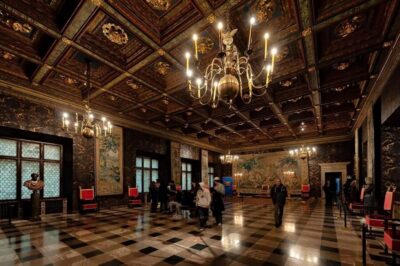
Old Town & Wawel Castle Walking Tour in English
Read our review →
Krakow’s Essential Tour of the Old Town and Wawel Castle
Read our review →
Historic Krakow : Old Town & Wawel Castle Walking tour
Read our review →Browse the lists this tour appears in