Reviewed · PRIVATE
Lesser Poland Wooden Architecture Trail UNESCO Private Tour from Krakow
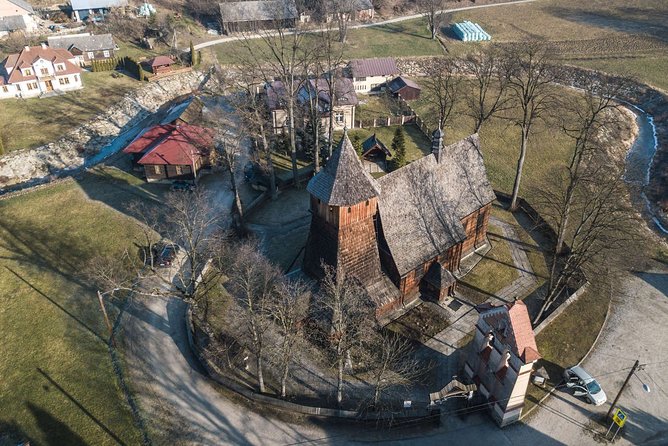
The remarkable thing here is how much character can survive in wood. In villages south of Krakow, dark timber churches, painted interiors, old manors, and rural buildings show a local building tradition shaped by forests, weather, faith, and limited village resources. The six main stops include UNESCO-listed churches and the Gothic church known as the Pearl of Beskid Niski.
I like the private format, since your guide can ask whether you want a relaxed visit or a full church count. I also like the hotel pickup and air-conditioned minibus, which saves you from piecing together a long route through scattered villages. Maciej, also called Matthew, is named as a guide who can make the day especially useful with clear explanations and careful timing.
The catch is the length. This is a 10 to 12-hour day, with about 30 minutes at each listed church. If you want time for every detail, the interiors, and a proper lunch, expect a full day on the road rather than a quick outing.
In This Review
- Key points to know before booking
- Why these wooden churches matter
- Lipnica Murowana and St. Leonard’s church
- The 15th-century church of the Visitation
- Binarowa and late Gothic craftsmanship
- Sękowa and the Pearl of Beskid Niski
- Owczary and Lemko wooden church design
- Kwiaton, one of Lesser Poland’s finest wooden churches
- A full day in a private minibus
- How much value do you get for $299.53?
- Who will enjoy this tour most?
- Practical booking advice for the day
- Should you book the Lesser Poland Wooden Architecture Trail?
- FAQ
- How long does the tour last?
- Is hotel pickup available in Krakow?
- Where does the tour end?
- Which churches are included?
- Are entrance fees included?
- Is this a private tour?
- When does the tour operate?
Key points to know before booking
- Six historic wooden churches: The route covers Lipnica Murowana, Binarowa, Sękowa, Owczary, and Kwiaton, with two separate churches in the itinerary.
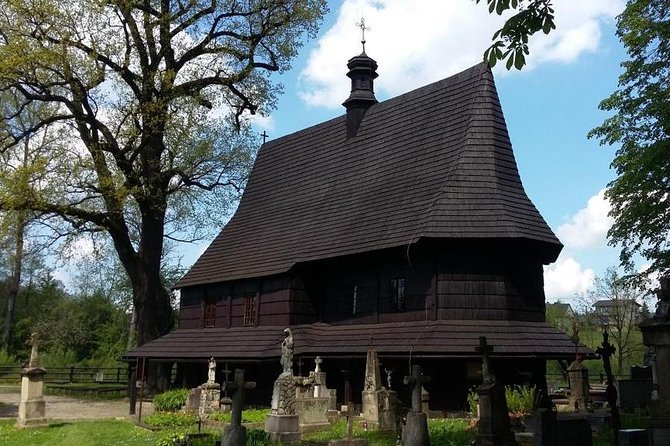
- UNESCO significance: St. Leonard’s in Lipnica Murowana is one of six southern Lesser Poland wooden churches protected as a UNESCO World Heritage Site.
- A private, adjustable day: You travel only with your own group, and the guide may adjust the pace or add churches when time permits.
- Strong Gothic focus: Binarowa and Sękowa show some of Poland’s finest late medieval wooden church design.
- Lemko and Eastern Christian traditions: Owczary and Kwiaton add a different religious and cultural layer to the route.
- Simple transport plan: Pickup is offered at your Krakow accommodation, with return to the starting point and transport in an air-conditioned minibus.
Why these wooden churches matter
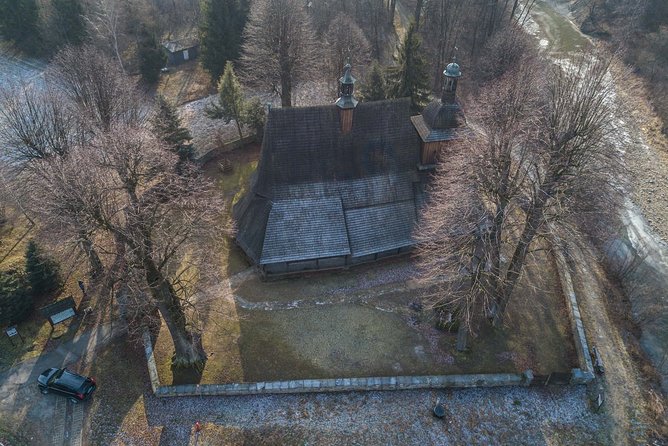
The Wooden Architecture Trail is not simply a string of pretty old buildings. It shows how communities in Lesser Poland adapted a practical local material into churches, homes, manors, palaces, and civic buildings with a strong regional look.
Wood was available, workable, and suited to village construction. Yet these churches are not plain sheds. Their steep roofs, shingled surfaces, towers, painted interiors, and carefully joined timber reveal serious skill. Some buildings date from the 15th century, while others belong to later Lemko and Greek Catholic traditions.
The six churches on this day also help you compare different communities. Roman Catholic churches in Lipnica Murowana, Binarowa, and Sękowa have their own medieval forms and decoration. Owczary and Kwiaton introduce the wooden tserkva, or Eastern Christian church, linked to the Lemko cultural tradition.
That range is one of the tour’s best features. You are not looking at six copies of the same building. You are following a regional building story, one village at a time.
A few more Krakow trips worth comparing
- Krakow Airport Private Transfer
★ 5.0 · 2,227 reviews - Private Departure Transfer: Krakow City To Krakow Airport Balice
★ 4.5 · 367 reviews - Legendary Private Nowa Huta Communism Tour with Crazy Guides
★ 5.0 · 262 reviews
Lipnica Murowana and St. Leonard’s church
Lipnica Murowana is the first stop, and it gives you an early look at the trail’s most important theme. St. Leonard’s church was built at the end of the 15th century and is one of six wooden churches in southern Lesser Poland included on the UNESCO World Heritage list.
A half-hour visit is enough to appreciate the structure, but it is not a long time for close study. If the church is open and you can see inside, pay attention to the relationship between the plain timber exterior and the religious decoration within. The appeal comes from the building’s age, construction, and setting together.
The free admission keeps the stop simple. You do not need to budget for a string of entrance tickets, though food and drinks are not included during the day.
Lipnica Murowana also sets the tone for the rest of the route. These churches are working expressions of village faith, not grand urban monuments. Their scale feels human, and their surroundings help you understand why local woodworkers developed such distinctive forms.
The 15th-century church of the Visitation
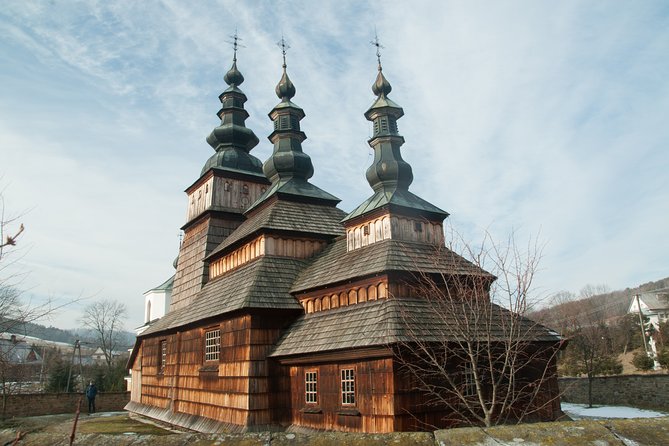
The second stop is another wooden 15th-century church, listed as the Church of the Visitation of the Blessed Virgin Mary. It receives about 30 minutes on the planned route and has no separate admission charge.
The value of this stop is comparison. After St. Leonard’s, you can start noticing how similar construction ideas change from one village to another. Rooflines, towers, wall treatments, and interior arrangements may look familiar at first, but the details help show that local builders were not following one rigid plan.
This is also where a private guide can help. You can ask Maciej to explain what you are seeing rather than simply moving from one church to the next. A guide is particularly useful when the exterior is easier to view than the interior, or when a church has a local caretaker or audio guide available.
The 30-minute limit is practical for a long driving day, but it means you should not expect a slow architectural study at every stop. If you are passionate about church art or timber construction, tell the guide early. The itinerary can be adjusted.
Binarowa and late Gothic craftsmanship
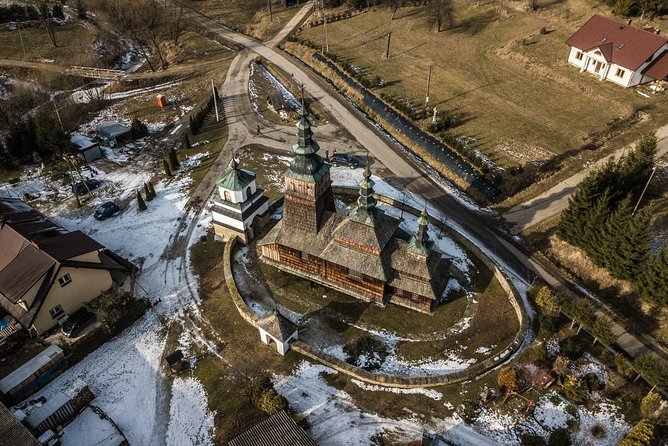
St. Michael the Archangel in Binarowa is described as one of Poland’s most valuable examples of late Gothic architecture. This is one of the key stops for anyone who wants to understand why the trail matters beyond its scenic appeal.
Late Gothic design is often associated with stone churches and soaring city buildings. Binarowa shows how that visual language took shape in wood. The building’s age and construction make it an important link between medieval religious design and the practical traditions of rural Lesser Poland.
Give yourself time to look at the basic structure before focusing on decoration. Notice how the church creates a sense of height despite being made from timber. Then consider the way the roof and walls protect the building from the local weather.
The planned stop is about 30 minutes, and admission is included. That keeps the schedule easy, but the site deserves your attention. If you are choosing between taking a large number of church stops and spending longer inside each one, this is a good place to favor quality over quantity.
A different sort of day out from Krakow:
- From Krakow: Auschwitz-Birkenau Guided Tour & Hotel Pickup
★ 4.5 · 33,358 reviews - From Krakow: Auschwitz-Birkenau Guided Tour & Hotel Pickup
★ 4.5 · 29,340 reviews - Krakow: Auschwitz Guided Tour with Optional Hotel Pickup
★ 4.5 · 15,280 reviews - Krakow–Zakopane: Cable Car, Chocholow Baths, Cheese & Vodka
★ 5.0 · 10,720 reviews
Sękowa and the Pearl of Beskid Niski
In the village of Sękowa, you visit the Church of St. Philip and St. James the Apostles. Built at the beginning of the 15th century, it is known as the Pearl of Beskid Niski.
The nickname is not hard to understand. The church has the strong, unmistakable silhouette that makes the wooden architecture route so memorable. Its form is Gothic, but its materials and village setting give it a different feeling from a stone church in Krakow.
This is one of the places where the trip’s rural setting matters. You are not seeing the building as an isolated museum object. You reach it through the countryside, then find an old church still tied to the village around it.
Plan on roughly 30 minutes here. The admission fee is included, but opening access can affect how much of the building you see. The tour information notes that many churches can be visited inside with a local guide or an audio guide. Your guide can help manage that process, and the schedule may change depending on access.
Owczary and Lemko wooden church design
Owczary brings a clear change in style and religious tradition. The Greek Catholic Church of the Protection of Our Most Holy Lady is an Orthodox church built in the middle of the 17th century. It is identified as one of the oldest Lemko tserkovs in the region.
For me, this is one of the most valuable stops because it widens the story beyond Roman Catholic Poland. A wooden church can reflect not only local materials and medieval building methods, but also the customs and worship of a distinct community.
The spelling and naming of these churches can vary in English, so do not worry if you see slightly different versions of the title. Focus on the building itself and on the Lemko connection. The guide can explain the religious setting and how it differs from the churches visited earlier.
Again, the planned time is about 30 minutes. That is enough to see the main form and absorb the setting, but you may want more time if the interior is open. The route works best when you accept that some stops will be brief and use the drive between villages to ask questions.
Kwiaton, one of Lesser Poland’s finest wooden churches
The Church of St. Parasceve in Kwiaton is presented as one of the most beautiful wooden churches in Lesser Poland. It gives the day a strong final church stop, especially after the contrasting Roman Catholic and Lemko examples earlier.
Kwiaton is a useful place to bring the whole route together. By now, you can compare the older Gothic churches with the Eastern Christian buildings and see how the same broad wooden tradition produced different shapes and visual effects.
The church is scheduled for about 30 minutes, with admission included. If you have managed a full day of stops, this may be the point when you appreciate the private format most. Your guide can judge whether you need a little more time or whether it makes sense to keep moving toward Krakow.
The listed route includes six church visits, but the tour can sometimes expand to eight or nine churches if you want a fuller day of wooden architecture. That possibility is appealing, but it also reinforces the need to discuss priorities at the start. More buildings do not always mean a better experience if each visit becomes rushed.
A full day in a private minibus
The tour lasts about 10 to 12 hours. That sounds long because it is long, but the churches are spread across the region, and road time is part of the experience. You get to see villages and countryside that are difficult to reach efficiently without a car.
Hotel pickup and drop-off in Krakow make the day easier. You provide your full hotel, hostel, or apartment name and address when booking. The listed meeting point is Kiss&Ride Zyblikiewicza at Mikołaja Zyblikiewicza 2, and the activity ends back at the meeting point.
Pickup hours are listed as Wednesday through Sunday, between 7:00 and 8:00 in the morning, for the stated 2026 operating period. Confirm the exact pickup arrangement when you book, since the tour information gives both accommodation pickup and a central meeting point.
The air-conditioned minibus is a practical advantage. You avoid navigating rural roads and can keep your attention on the route. Since this is a private activity, only your group participates. That makes it easier to ask questions, pause when needed, or choose between a slower visit and a larger number of churches.
How much value do you get for $299.53?
At $299.53 per person, this is not a budget sightseeing bus. The price makes more sense if you value a private vehicle, a professional guide, hotel pickup, included entrance fees, and a route that would be awkward to arrange alone.
The cost also depends on group size. A solo visitor or couple will pay more per person for privacy, while a larger group can make better use of the private format. Group discounts are offered, so check the final rate if you are traveling with friends or family.
Food and drinks are not included. Plan for that before leaving Krakow. A previous day on this route included about an hour for lunch at a village restaurant, with Polish traditional dishes available. That is useful time, both for a proper meal and for a break from the churches and minibus.
I would judge the price as fair for a specialized private excursion, especially if the alternative is renting a car, learning the route, arranging access, and driving for most of the day. It is less attractive if you want only one or two wooden churches or prefer a short half-day outing.
Who will enjoy this tour most?
This is a strong choice for you if you like architecture, religious buildings, local traditions, photography, or rural Poland beyond Krakow. It also suits repeat visitors who have already covered the city’s main sights and want a more regional day.
Families and mixed-interest groups may appreciate the private arrangement because the pace can be discussed. Most people can participate, according to the tour information, and no special ability requirement is listed.
You should think twice if you dislike long drives or lose interest after several similar sites. Although the churches differ, the day has a clear theme. You will get more from it if you enjoy looking closely at buildings and hearing why they were made in a particular way.
The best approach is to decide what matters most before pickup:
- Choose four or five churches with more breathing room.
- Choose eight or nine if you want the fullest possible route.
- Tell the guide if interiors matter more to you than collecting stops.
- Keep space in the day for lunch and changing access conditions.
Practical booking advice for the day
Confirmation is provided when you book, and free cancellation is available up to 24 hours before the start time. Changes or cancellations made inside that 24-hour window are not accepted for a refund.
The tour is offered in English. The provider is Poland Active, and the experience operates as a private activity rather than a shared group excursion.
Since the route crosses several villages, start with sensible expectations. You may find that one church is open with a local guide, another uses an audio guide, and another is best appreciated from outside. That variety is normal for historic rural buildings and is one reason a flexible guide helps.
The most useful question to ask at the start is simple: do you want fewer churches with more time, or more churches with shorter visits? The answer can shape the whole day.
Should you book the Lesser Poland Wooden Architecture Trail?
Book it if you want to see a side of Poland that is far removed from Krakow’s busy center. The UNESCO church in Lipnica Murowana, the late Gothic work at Binarowa, Sękowa’s Pearl of Beskid Niski, and the Lemko churches at Owczary and Kwiaton create a varied and worthwhile route.
I would especially choose this tour for a small group that values privacy and wants a guide who can adjust the plan. Maciej, also called Matthew, is noted as a guide who takes care with timing and can help turn a long day into a well-paced one.
Skip it if you have little interest in architecture, want a short trip, or need a fixed lunch and sightseeing schedule. For the right visitor, though, the long drive is the price of admission to a quieter, more local part of Lesser Poland.
FAQ
How long does the tour last?
The tour lasts approximately 10 to 12 hours, including transport between Krakow and the wooden churches in Lesser Poland.
Is hotel pickup available in Krakow?
Yes. Pickup is offered from hotels, hostels, and apartments in Krakow. You should provide the full accommodation name and address when booking.
Where does the tour end?
The activity ends back at the listed starting point, Kiss&Ride Zyblikiewicza, Mikołaja Zyblikiewicza 2, Krakow.
Which churches are included?
The planned route includes St. Leonard’s church in Lipnica Murowana, the 15th-century Church of the Visitation, St. Michael the Archangel in Binarowa, St. Philip and St. James in Sękowa, the Greek Catholic Church of the Protection of Our Most Holy Lady in Owczary, and St. Parasceve in Kwiaton.
Are entrance fees included?
Yes. Entrance fees are included in the tour price. Food and drinks are not included.
Is this a private tour?
Yes. Only your group participates in the activity. The guide may adjust the pace, and the route can sometimes include more churches when time allows.
When does the tour operate?
For the stated 2026 operating period, the tour operates Wednesday through Sunday, with pickup or meeting times listed between 7:00 and 8:00 in the morning.
Just added around Krakow
- Private Guided Tour: Oskar Schindler’s Factory★ 5.0 · 3 reviews
- E-Scooter Krakow sightseeing tour★ 5.0 · 3 reviews
- From Krakow: Zakopane and Thermal Pools Guided Trip★ 5.0 · 3 reviews
- Schindler’s Factory, Ghetto and Plaszow Camp Guided Tour★ 4.7 · 3 reviews
- Kraków: Private Hot Air Balloon Flight with Champagne★ 3.7 · 3 reviews
- Krakow: River Cruise & Guided Visit to Former Plaszow Camp★ 3.6 · 3 reviews
- From Krakow: Private Wieliczka Salt Mine Tour★ 4.0 · 3 reviews
- Krakow: Old Town short walk with St. Mary’s Basilica visit★ 5.0 · 3 reviews
Private, compared.


Private Departure Transfer: Krakow City To Krakow Airport Balice
Read our review →
Legendary Private Nowa Huta Communism Tour with Crazy Guides
Read our review →
Skip-the-Line Wawel Castle Chambers Private Tour
Read our review →
Auschwitz-Birkenau and Salt Mine with Private Transfer
Read our review →