
Reviewed · POLISH FOOD TOURS
Krakow: 4-Hour Polish Food Tour
Polish food is far more than pierogi, and this four-hour walk proves it one generous plate at a time. Starting at Wolnica Square in Kazimierz, you move through food stalls, cafes, and restaurants for soups, cold meats, cheeses, regional dishes, street food, and sweets. The portions add up to a full meal.
I like two things here: the small group of no more than eight, which leaves room for real conversation, and the way guides such as Tomasz connect each dish to Polish customs and history. The food is not treated as a parade of samples. It works more like a progressive dinner, with time to sit, eat, and ask questions.
The main caution is simple: this is a lot of food. You are advised to eat breakfast but skip lunch, and vegetarians may find many dishes unsuitable because Polish cooking often relies on pork. Tell the guide about allergies in advance so the menu can be adjusted.
In This Review
- Key points at a glance
- Why this food tour works as a first taste of Krakow
- Meeting at Wolnica Square in Kazimierz
- Cold starters, street food, and Polish hospitality
- Soups that explain Polish cooking
- Traditional plates and a progressive-dinner pace
- Fermentation, 1970s nostalgia, and the Polish table
- The dessert with a Vatican connection
- Drink pairings and dietary concerns
- Is $115 a fair price?
- Who should book this four-hour food walk?
- Should you book the Krakow Polish Food Tour?
- FAQ
- Where does the Krakow Polish Food Tour meet?
- How long does the food tour last?
- How much food is included?
- How many venues does the tour visit?
- Are drinks included?
- Can vegetarians join the tour?
- What happens if I need to cancel?
Key points at a glance
- Ten substantial tastings: Expect enough food for a full meal, including dessert, not a few token bites.
- Kazimierz to the Old Town: The route combines eating with a useful walk through central Krakow.
- Food with context: Learn why fermented foods are normal in Poland, why bread can be a touchy subject, and why some people miss products from the 1970s.
- A Vatican connection: One traditional regional dessert is linked to Pope John Paul II.
- Four to six local stops: The mix may include food stalls, traditional restaurants, cafes, and more modern Polish dining rooms.
- Optional drink pairing: Choose the version with three Polish drinks if you want beverages matched to the food.
Why this food tour works as a first taste of Krakow
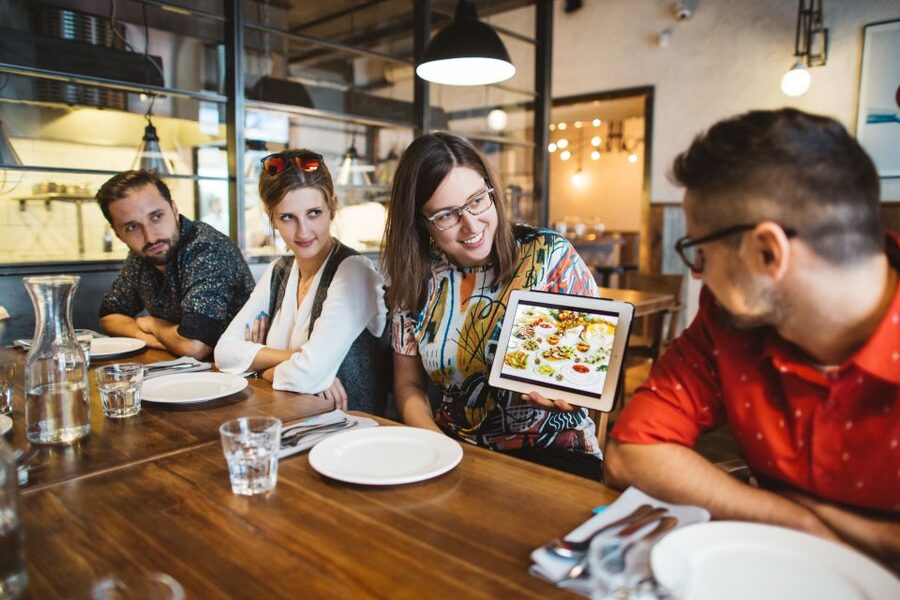
I recommend taking this tour early in your Krakow stay. Four hours of walking and eating gives you a practical introduction to Kazimierz, the Old Town, Polish dining customs, and the dishes you may want to order again later.
The guide does more than identify food on a plate. You learn why Polish hosts serve portions large enough to make a table groan, why bread quality is a common subject of complaint, and why fermentation is a normal part of the cuisine rather than a sign that something has spoiled.
That cultural framing matters. A bowl of soup becomes easier to understand when you know how central hearty, practical cooking is to Polish life. A plate of cold meats and cheese makes more sense when the guide explains how people eat and share these foods. You leave with more than a list of dishes. You have a better sense of how food fits into daily life in Poland.
The route also gives you a look at Krakow beyond the central market area. You begin in Kazimierz, near the former Town Hall and Ethnographic Museum, then walk toward the Old Town while admiring Baroque and Renaissance buildings. The walking is useful rather than filler, though anyone with mobility concerns should remember that this is an active half-day with several stops.
More Polish food tours in Krakow:
- Pierogi Cooking Class with Market Shopping and Local Snacks
★ 5.0 · 343 reviews - Krakow Pierogi Cooking Class with Market Visit & Home-Cooked Meal
★ 5.0 · 212 reviews - Krakow: Food Tour of 10 Tastings with Pierogi, Vodka & More
★ 5.0 · 169 reviews
Meeting at Wolnica Square in Kazimierz
The meeting point is Plac Wolnica, or Wolnica Square, in Kazimierz. Look for the statue of the three musicians, past the Ethnographic Museum, with the guide waiting in the shade of the trees.
This is a sensible starting point. Kazimierz is one of Krakow’s most atmospheric areas, and the square gives the tour a neighborhood feel from the first minute. You are not simply being led from one anonymous restaurant to another. The food walk begins in an important part of the city and gradually works toward the Old Town.
English is the tour language, and the group is limited to eight participants. That small size is especially useful during food tastings. You can hear the explanation, discuss what you are eating, and ask for help with unfamiliar Polish names without trying to compete with a large crowd.
Several guides have led this experience, including Tomasz, Thomas, Mateusz, and Camilla. Tomasz receives particular praise for a relaxed, friendly style that feels more like an informal conversation than a speech. One past group was made up of only two people, which shows that the experience can sometimes feel very personal, though group size will depend on the date you choose.
Cold starters, street food, and Polish hospitality
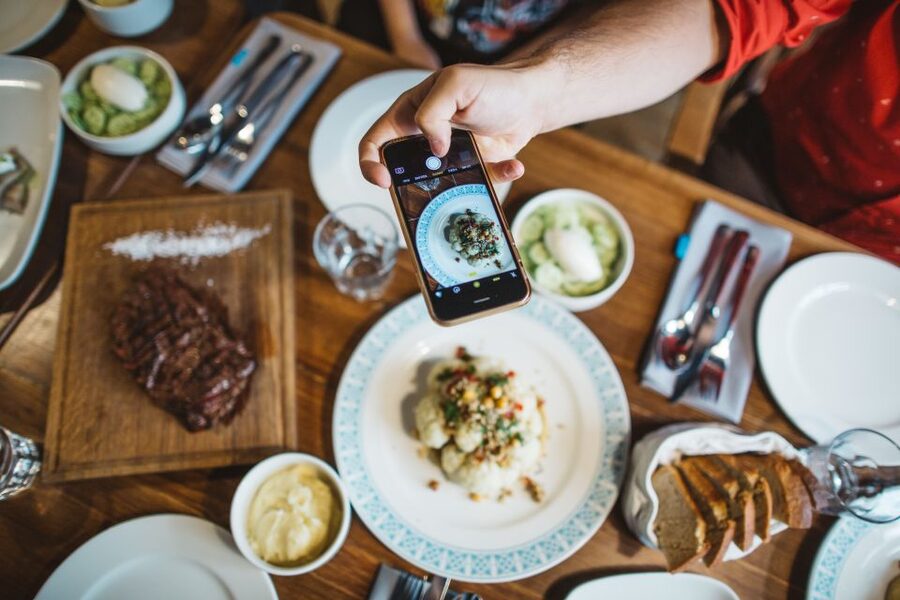
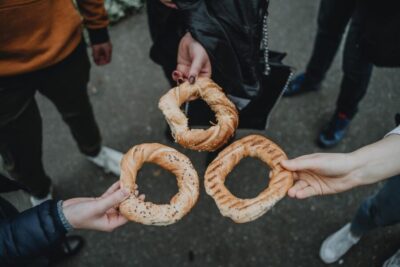
The first tastings introduce the range of Polish cooking. You might begin with cold appetizers, cured meats, cheeses, spreads, or a traditional street-food item. These early dishes are useful because they show that Polish cuisine is not built only around dumplings and potatoes.
Expect sharing plates rather than tiny museum samples. One past menu included aged salted beef, potato puree, garlic broccoli, groats with blue cheese, and soda bread. Exact dishes can change, but the overall idea is consistent: several items arrive together, giving you a chance to compare textures and flavors at the table.
The street-food stop adds another layer. You are likely to see how Polish food works outside a formal restaurant, where speed and comfort matter as much as presentation. The tour uses several types of venue, including food stalls, cafes, traditional restaurants, and more modern places that still draw on Polish cooking.
This variety is one of the strongest parts of the experience. A single restaurant can give you an excellent meal, but four to six stops show how Polish food appears in different settings. The tradeoff is that you do not control every dish or choose from a menu. The benefit is that you try items you might overlook on your own.
Soups that explain Polish cooking
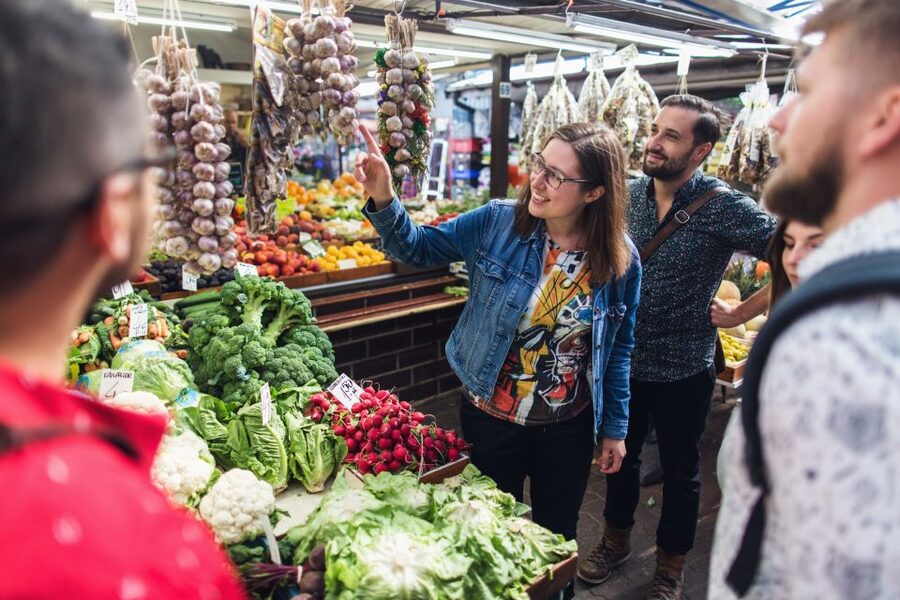
Traditional soup is an important stop, and it is often where the food begins to feel distinctly Polish. Past participants have sampled two traditional soups in a cellar restaurant, with the guide explaining ingredients and local habits as they ate.
The soups are not just a warm pause during the walk. They show how Polish cooking turns simple, sturdy ingredients into a satisfying dish. You also get a better feel for the difference between a home-style meal and the international version of Polish food that many visitors already know.
This is where the guide’s historical and social explanation earns its place. You are not required to memorize dates or culinary terms. Instead, you hear how food developed and why certain ingredients remain important. Guides such as Tomasz have been praised for balancing facts with a casual tone, so the conversation does not feel like a classroom lecture.
If you normally avoid unfamiliar foods, soup is a comfortable entry point. If you already know Polish cuisine, the explanation may be the more interesting part, especially when it connects ingredients and preparation to local traditions.
More food tours in Krakow:
- Krakow: Zakopane, Thermal Springs, Cable Car, Local Tasting
★ 4.8 · 5,419 reviews - Krakow to Zakopane: Funicular, Tasting and Thermal Baths Day Trip
★ 5.0 · 1,189 reviews - Krakow Food Tasting Tour with Delicious Poland
★ 5.0 · 1,032 reviews - ZAKOPANE & THERMAL SPRINGS, Funicular, Cheese Tasting
★ 5.0 · 459 reviews
Traditional plates and a progressive-dinner pace
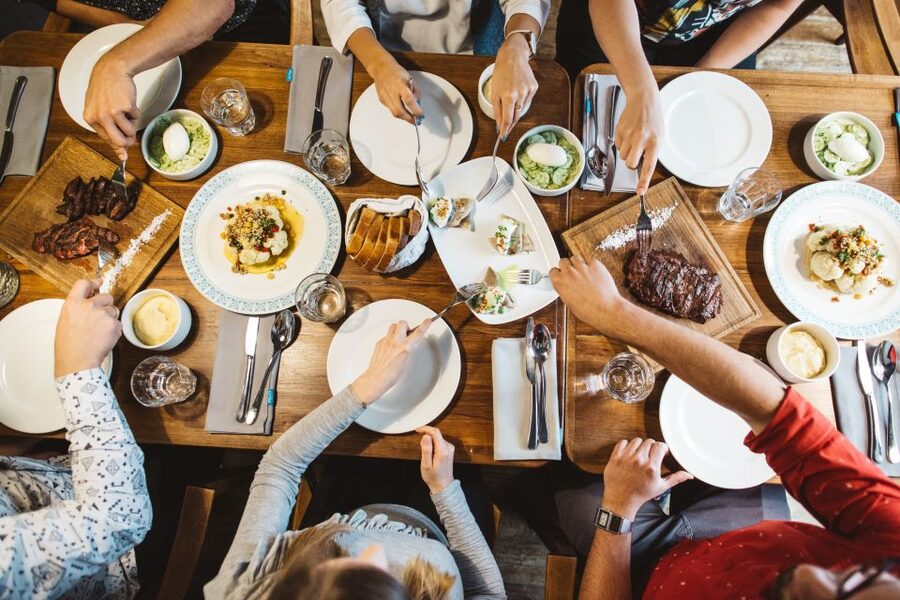
As the walk continues, the tastings become substantial. You may receive a traditional main dish or a selection of regional foods that together function as lunch. Past menus have included meat, groats, potatoes, vegetables, bread, and other hearty Polish staples.
The pace is closer to a progressive dinner than a quick sampling route. At several venues, you sit down and have time to eat before moving on. That makes the four-hour duration feel reasonable, but it also means you should not book this as a rushed activity between tightly scheduled sights.
I like this slower rhythm. Food tours can become a blur when every stop lasts only a few minutes. Here, the pauses let you notice what you like, compare dishes, and talk with the guide. The walk between venues also gives your appetite a little help.
Still, the portions can challenge even enthusiastic eaters. The advice to have breakfast and skip lunch is practical. Arrive hungry, but not so hungry that you eat a large meal beforehand and spend the rest of the tour forcing down food.
Fermentation, 1970s nostalgia, and the Polish table
The tour tackles some of the ideas that can make Polish food seem unfamiliar. You learn why fermented does not mean spoiled and why some Polish people still feel nostalgic for food produced during the 1970s.
These details are valuable because they move beyond the standard list of pierogi, sausage, and vodka. They explain how memory, availability, family habits, and national identity shape what people eat. Food becomes a way to discuss Poland’s recent past without turning the experience into a formal history tour.
The guide also explains why Polish people complain about bread. That may sound like a small subject, but it gives you a glimpse of local standards and everyday conversation. After the tour, you are more likely to notice the bread served with meals and understand that it is not just a background item.
You receive written information about the dishes afterward, along with tips on places to eat. That follow-up is useful during the rest of your stay. One earlier participant had trouble receiving the follow-up email, so keep an eye on your inbox and ask the guide if the information does not arrive.
The dessert with a Vatican connection
The final part of the food route includes sweets, and one dessert has a memorable link to the Vatican. The traditional regional cream cake is associated with Pope John Paul II, who was from Poland. Past menus have also included homemade ice cream.
This is a fitting finish because dessert brings together food, identity, and biography in a way that is easy to remember. You do not need to be interested in religious history to enjoy the story. It simply adds another human detail to a dish that might otherwise seem like a standard cream cake.
Ending with sweets also helps pace the meal. You have moved from savory starters and soup through main dishes, then finished with something lighter and familiar. Just remember that the dessert arrives after a generous amount of food, so restraint at the earlier stops is wise if you want to enjoy it properly.
Drink pairings and dietary concerns
The basic experience includes water at most venues. You can also choose an option with three Polish drink pairings. That choice is worth considering if you want the guide to explain how local drinks fit with the food, but additional drinks are not included.
Polish cuisine on this route is heavily based on pork. If you are vegetarian, many of the dishes will not suit you, and you should contact the provider before the tour so adjustments can be considered. The information provided does not promise a fully vegetarian route, so vegetarians should not book assuming every course can be replaced.
You should also report food allergies ahead of time. The menu can be adjusted, but the guide needs warning. If you have several serious restrictions, ask before booking rather than relying on last-minute changes at the table.
Is $115 a fair price?
At $115 per person, this is not Krakow’s cheapest way to eat. It is also not a snack walk. You receive about ten tastings at four to six venues, enough food for a full meal with dessert, four hours with an English-speaking guide, and written recommendations for later dining.
The value depends on how you use the experience. If you want the lowest possible food cost, order inexpensive dishes on your own. If you want to taste widely, avoid tourist guesswork, and learn how the food fits into Polish culture, the price is easier to justify.
The small group improves the value. A limit of eight gives you access to the guide and makes the stops feel less mechanical. The recommendations afterward can also save money and time during the rest of your stay, especially if you plan to eat at several local restaurants.
The optional drinks pairing changes the total price, so check the available booking option before paying. Hotel pickup and drop-off are not included. You meet in Kazimierz and finish after walking through central Krakow, so plan your day around the meeting point rather than expecting door-to-door service.
Who should book this four-hour food walk?
I would choose this tour if you want a broad first look at Polish cooking and prefer explanation with your meal. It suits curious eaters, couples, solo visitors, and small groups who enjoy sitting down, sharing dishes, and talking with a local guide.
It is also a good fit for anyone who normally feels unsure ordering unfamiliar food. The guide can explain what you are eating, why it matters, and where to find similar dishes later. The mix of venues gives you more confidence than trying to decode every menu alone.
You may want another kind of activity if you dislike large meals, avoid pork, have strict dietary limits, or prefer to set your own pace. It is also not ideal for a packed sightseeing day. Four hours is a substantial commitment, and the route includes enough walking that you should wear comfortable shoes.
Free cancellation is available up to 24 hours before the start time, and you can reserve now and pay later. Starting times vary, so check availability for your date.
Should you book the Krakow Polish Food Tour?
Book it if you want Polish food presented as part of everyday culture, not just as a checklist of famous dishes. The strongest reasons are the generous portions, the range of venues, the walk from Kazimierz toward the Old Town, and guides such as Tomasz who make the history feel natural and useful.
Skip it if you need a vegetarian-focused menu or if four hours of eating sounds excessive. For most visitors who arrive hungry and enjoy trying several styles of Polish food, $115 buys a substantial meal, a local orientation, and practical restaurant advice for the days ahead.
FAQ
Where does the Krakow Polish Food Tour meet?
Meet the guide at Plac Wolnica, or Wolnica Square, in the Kazimierz district. The guide waits by the statue of the three musicians, past the Ethnographic Museum, in the shade of the trees.
How long does the food tour last?
The tour lasts four hours. Starting times vary, so check availability for your chosen date.
How much food is included?
The tour includes about ten dishes at the venues you visit. The portions are intended to provide a full meal with dessert, so arrive hungry and skip lunch beforehand.
How many venues does the tour visit?
You visit four to six carefully selected food establishments in central Krakow. These may include restaurants, cafes, food stalls, and other local venues.
Are drinks included?
Water is included at most venues. Three Polish drink pairings are included only when you choose the option with pairing. Additional drinks are not included.
Can vegetarians join the tour?
Vegetarians can ask about adjustments, but many dishes are based on pork, so the standard menu may not be suitable. Contact the provider before booking to discuss your needs.
What happens if I need to cancel?
You can cancel up to 24 hours before the tour for a full refund. You can also reserve now and pay later, which keeps your plans flexible.
Just added around Krakow
- Private Guided Tour: Oskar Schindler’s Factory★ 5.0 · 3 reviews
- E-Scooter Krakow sightseeing tour★ 5.0 · 3 reviews
- From Krakow: Zakopane and Thermal Pools Guided Trip★ 5.0 · 3 reviews
- Schindler’s Factory, Ghetto and Plaszow Camp Guided Tour★ 4.7 · 3 reviews
- Kraków: Private Hot Air Balloon Flight with Champagne★ 3.7 · 3 reviews
- Krakow: River Cruise & Guided Visit to Former Plaszow Camp★ 3.6 · 3 reviews
- From Krakow: Private Wieliczka Salt Mine Tour★ 4.0 · 3 reviews
- Krakow: Old Town short walk with St. Mary’s Basilica visit★ 5.0 · 3 reviews
Polish Food Tours, compared.
Pierogi Cooking Class with Market Shopping and Local Snacks
Read our review →
Krakow Pierogi Cooking Class with Market Visit & Home-Cooked Meal
Read our review →
Food Tour of 10 Tastings with Pierogi, Vodka & More
Read our review →
Pierogi Cooking Class: Mastering the Art of Polish Dumplings
Read our review →
6-Course Full Polish Food Tour with Vodka Tasting
Read our review →
Traditional Polish Food and Drinks Tasting Tour
Read our review →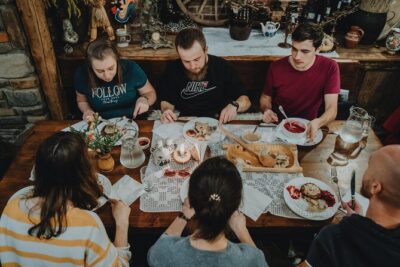
Traditional Polish Food Tour in Krakow Old Town
Read our review →Browse the lists this tour appears in