
Reviewed · POLISH FOOD TOURS
Pierogi Cooking Class with Market Shopping and Local Snacks
The best part of this Krakow experience is the change of setting: you start at a local market, then carry your ingredients to Olga’s apartment and cook in a real home kitchen. I like the small maximum of six people, which gives you room to work, and I like that you make the entire dish yourself, from dough to final plate.
The main consideration is that this is a food-heavy three hours, with snacks, dumplings, and regional alcohol. If you have a tight schedule, limited mobility, or a Sunday booking, note that the market visit is not included on Sundays.
In This Review
- Key points to know before booking
- What this Krakow pierogi class really offers
- Meeting Olga at the Grunwald Monument
- Shopping at Krakow’s oldest marketplace
- Walking to a private apartment kitchen
- Starting with Polish snacks and drinks
- Making dough, filling, and traditional shapes
- Eating what you made
- The local advice is part of the value
- Who will enjoy this experience most
- Price, timing, and booking advice
- My verdict on the Krakow pierogi class
- FAQ
- Where does the pierogi class begin?
- Where does the experience end?
- How long does the class last?
- How many people can join the class?
- Is the class offered in English?
- Is the market visit included on Sundays?
- What type of pierogi will I make?
- Are snacks included?
- Is alcohol included?
- Can I cancel for a full refund?
Key points to know before booking
- Market-to-kitchen format: Begin at the Grunwald Monument and shop for fresh ingredients before walking to Olga’s apartment.
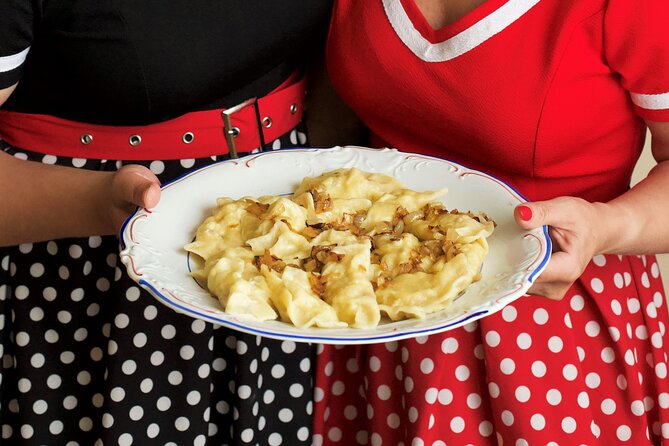
- Traditional filling: Make pierogi with potatoes, fresh cottage cheese, and caramelized onions.
- Small-group teaching: The class is limited to six people, so you should get hands-on time with the dough and shaping.
- More than a cooking lesson: Expect Polish snacks, food traditions, Krakow tips, and regional alcohol.
- Family-friendly pace: Children have taken part successfully, with one family describing the class as suitable for ages seven through adult.
- Sunday difference: The cooking class still takes place, but the market stop is left out.
What this Krakow pierogi class really offers
Pierogi are one of Poland’s most recognizable foods, but eating them in a restaurant tells you only part of the story. This class shows you how the dish is built, why the dough needs a particular texture, and how a simple filling becomes a satisfying meal.
You are not just handed a finished dumpling to taste. You prepare the dough, roll it, add the filling, fold each piece, and cook the results. That makes the experience useful after your holiday, since you can repeat the method at home with family or friends.
The class lasts about three hours and costs $83.48 per person. That is more than a plate of pierogi in Krakow, of course, but the price covers a walking market visit, ingredients, instruction, snacks, the meal you prepare, and drinks. You are also paying for access to a private home and for Olga’s advice about food and places to visit around Krakow.
For me, the value is strongest if you enjoy conversation and participation. If you only want to eat pierogi, a restaurant will be cheaper and faster. If you want a social food experience with a local host, the extra cost is easier to justify.
More Polish food tours in Krakow:
- Krakow Pierogi Cooking Class with Market Visit & Home-Cooked Meal
★ 5.0 · 212 reviews - Krakow: Food Tour of 10 Tastings with Pierogi, Vodka & More
★ 5.0 · 169 reviews - Pierogi Cooking Class: Mastering the Art of Polish Dumplings
★ 5.0 · 129 reviews
Meeting Olga at the Grunwald Monument
The experience begins at the Grunwald Monument on plac Jana Matejki, a central location near public transportation. This is a practical starting point because you are not required to find a private apartment on your own.
From there, Olga leads the group toward the market. The class is offered in English, and the small size should make it easier to ask questions, watch the demonstrations, and keep up with the preparation.
The host is a major part of the experience. Olga is described as warm, patient, and generous with practical advice. She does not limit the class to instructions about flour and potatoes. Along the way, she talks about Polish food customs, Krakow, and places to eat or visit during the rest of your stay.
I would book this early in your visit if you can. The class is often reserved well in advance, with an average booking time of 46 days. That timing also makes sense for the local tips. You can use Olga’s suggestions during the rest of your Krakow stay rather than hearing them just before you leave.
Shopping at Krakow’s oldest marketplace
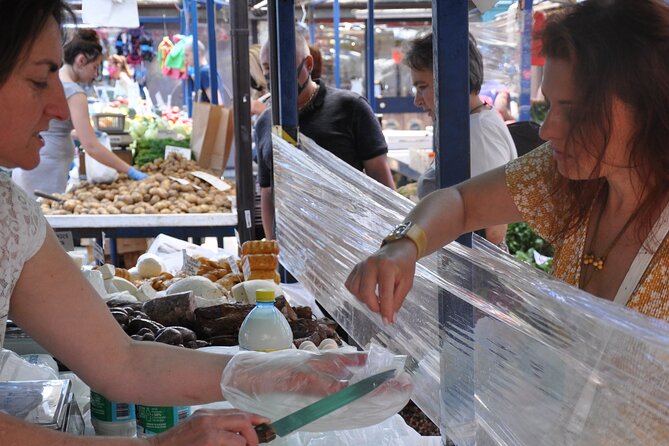
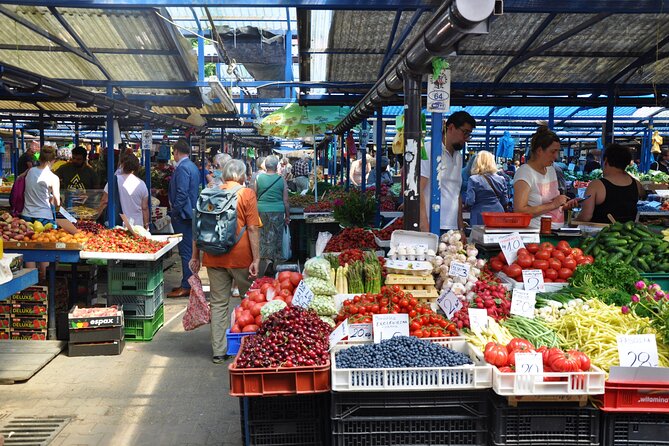
The first stop is the oldest marketplace in town. This is not a long historical tour with a list of monuments. Instead, the focus is food: fresh local products, regional specialties, and the ingredients needed for the cooking session.
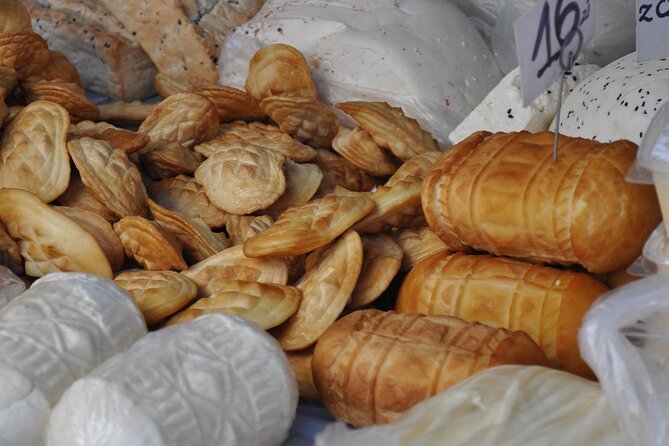
Olga helps choose the cheese and other supplies. The market visit gives you a useful introduction to the ingredients before you handle them in the kitchen. You might taste fresh or smoked cheeses, see local sausage, and hear about different types of cheese and how their quality affects the pierogi filling.
This is one of the strongest features of the experience because it links shopping with cooking. You see the food in its market setting, then use it a short time later. That connection is more memorable than buying a packaged food souvenir in a shop.
The market also adds a little uncertainty, in a good way. Snacks depend on the season, so the exact selection can change. You might encounter fresh cheeses, smoked cheeses, Polish sausage, sour cucumbers, or sour cabbage. The point is not a fixed tasting menu. It is a look at what Polish food shopping can feel like on the day of your visit.
Allow for the fact that the market stop involves walking and tasting before the class begins. If you prefer a strictly timed culinary lesson, this informal start may feel loose. If you like learning through local food, it gives the afternoon a natural rhythm.
On Sundays, the market visit is not part of the experience. The class takes place without that stop, so Sunday bookings are best for people who mainly want the cooking lesson rather than the full market-to-apartment sequence.
Walking to a private apartment kitchen
After shopping, the group takes a short walk to Olga’s apartment. Several participants describe the walk as less than ten minutes, though the official duration is approximate. This transition matters because you move from public market stalls into the setting where the food is prepared and shared.
Cooking in a local’s apartment gives the class a personal feel that a large culinary school cannot easily match. Olga welcomes the group into her home, sets out snacks, and creates a table where people can talk while the dough and filling are prepared.
The apartment setting is also a practical advantage for a small class. With no more than six people, the kitchen remains intimate rather than turning into a demonstration viewed from the back of a crowded room. Each person has a chance to shape dumplings and practice the technique.
You should be comfortable entering a private home and sharing a meal with people you have just met. This is a social experience, not a private lesson for one booking unless your group happens to fill the class. The relaxed atmosphere is part of the appeal, but it may not suit someone who wants to keep to themselves.
A few more Krakow trips worth comparing
- Krakow: Pierogi Home Cooking Class
★ 5.0 · 23 reviews
Starting with Polish snacks and drinks
Before the main cooking begins, Olga serves seasonal local snacks. The examples include fresh and smoked cheeses, Polish sausage, sour cucumbers, and sour cabbage. One tasting described in the experience includes bread with lard and a pickle, along with smoked cheese and sausage.
These small plates provide useful food context. Sour vegetables, smoked products, sausage, and cheese are not random additions. They show the range of flavors found in Polish home cooking, especially the contrast between salty, smoky, sour, and creamy foods.
The drinks may include regional alcohol, homemade liquor, or a selection of Polish spirits. Some sessions have included bison-grass-infused vodka, also known as bison vodka, served as a distinctive local tasting. Alcohol is part of the menu, so tell the host if you do not drink and do not feel obliged to participate.
The meal begins before the pierogi are ready, which is why I would avoid scheduling an important dinner reservation immediately afterward. You may leave with a full stomach, especially if the group makes a large batch. One account described more than 100 dumplings being prepared for the table.
Making dough, filling, and traditional shapes
The central lesson uses a classic vegetarian filling of fresh cottage cheese, potatoes, and caramelized onions. The ingredients are familiar, but the technique is where the class earns its keep.
You learn how to make and knead the dough, then roll it to the proper consistency. The dough cannot be too thick or it overwhelms the filling, but it also needs enough strength to hold together during cooking. Olga explains the process step by step and points out what to do, and what to avoid, while kneading.
The potato and cheese filling is simple, but preparation still matters. Olga explains how the potatoes should be cooked, kept, and combined with the other ingredients. This is useful instruction for home cooks because the texture of the filling affects how easily the dumplings close.
Then comes the hands-on work. You cut or shape the dough, add the filling, and fold each pierogi. The special shapes are part of the fun, but folding takes practice. One family found that it took several attempts to get the technique right, so do not expect your first dumpling to look perfect.
That is precisely why a small group helps. Olga can show you how to seal the edges and correct the common mistakes as you work. Children can take part, and the class has worked well for families with young children, teenagers, and adults.
The lesson also includes background on how pierogi came to Poland and how the dish fits into Polish food traditions. This gives the meal more meaning without turning the class into a formal lecture.
Eating what you made
Once the pierogi are shaped, they are boiled and arranged for the meal. They are served with toppings such as sour cream, according to the experience details and participant accounts.
The best reward is that the finished plate comes from work you did yourself. You have handled the dough, filled the dumplings, and learned why each step matters. Even imperfect shapes taste good after boiling, especially with the creamy filling and onion flavor.
The table also becomes the social center of the afternoon. You eat with the rest of the small group, continue talking with Olga, and may sample a regional spirit alongside the food. Some people have also been able to take extra pierogi home, though that should not be treated as a guaranteed part of every session.
The food is substantial enough to count as a meal. Plan your day accordingly. I would schedule this instead of lunch or an early dinner, not between two large restaurant bookings.
The local advice is part of the value
Olga shares suggestions about where to eat and what to try in Krakow. This is especially useful because the advice comes while discussing actual ingredients and Polish food habits.
You can ask about restaurants, local products, and ways to continue exploring Polish cuisine. The market visit may also help you recognize foods you later see in shops or on menus. A cooking class is often most useful when it changes how you look at the rest of the city, and this one has that potential.
The timing makes a difference. If you schedule the class near the start of your stay, you can act on the recommendations. If it is your final afternoon, you will still enjoy the food, but some of the practical Krakow guidance may arrive too late to use.
Who will enjoy this experience most
I would recommend this class to:
- Couples who want a shared activity beyond sightseeing
- Families with children who enjoy making food by hand
- Solo visitors who like meeting a small group over a meal
- Home cooks who want a repeatable pierogi method
- First-time visitors seeking food advice for the rest of a Krakow stay
- Anyone interested in Polish food traditions rather than only restaurant dining
It is less suitable if you dislike alcohol, do not eat the potato and cottage-cheese filling, or prefer a private, quiet class. The listed menu is centered on a vegetarian pierogi filling, but the snack table can include sausage and lard, so ask about food needs before booking.
The class is offered in English. Service animals are allowed, and the meeting point is near public transportation. The supplied information does not give full details about the apartment’s accessibility, so contact the operator before booking if stairs, kitchen access, or walking distance are important concerns.
Price, timing, and booking advice
At $83.48 per person, the experience sits in the mid-to-upper range for a short food activity. The price makes more sense when you count the full package: market shopping, ingredients, snacks, a hands-on lesson, a filling meal, drinks, and personal recommendations.
The three-hour duration is long enough to make the dumplings yourself without turning the activity into a full-day commitment. It also includes the walk between the market and apartment, so the actual cooking time is less than three hours.
The class is frequently booked about 46 days ahead, and confirmation arrives within 48 hours, subject to availability. If your dates are fixed, reserve early rather than expecting a last-minute opening.
Free cancellation is available up to 24 hours before the start time for a full refund. Changes or cancellations made less than 24 hours before the start time are not accepted for a refund. The experience also requires a minimum number of participants, so if the operator cancels because that minimum is not met, you are offered another date or experience, or a full refund.
My verdict on the Krakow pierogi class
Book this if you want to cook, eat, and talk, not simply watch a chef work. The market visit, private apartment, traditional filling, and small group give the afternoon a personal shape, while Olga’s patient teaching makes the recipe practical enough to try at home.
Skip it if you are looking for a quick tasting, a formal restaurant meal, or a class built around many different pierogi fillings. For most food-focused visitors, couples, and families, however, $83.48 buys more than dumplings. It buys a useful look at Polish food culture and a recipe you can carry home.
FAQ
Where does the pierogi class begin?
It begins at the Grunwald Monument on plac Jana Matejki, 30-001 Kraków, Poland.
Where does the experience end?
The activity ends back at the meeting point.
How long does the class last?
The experience lasts approximately three hours.
How many people can join the class?
The maximum group size is six people.
Is the class offered in English?
Yes. The experience is offered in English.
Is the market visit included on Sundays?
No. On Sundays, the experience takes place without a visit to the food market.
What type of pierogi will I make?
You will make pierogi with fresh cottage cheese, potatoes, and caramelized onions.
Are snacks included?
Yes. Seasonal Polish snacks are included, such as local cheeses, sausage, sour cucumbers, or sour cabbage, depending on the season.
Is alcohol included?
Yes. The menu includes regional alcohol, which may be homemade liquor or a selection of local spirits. Some sessions have included bison-grass-infused vodka.
Can I cancel for a full refund?
Yes, if you cancel at least 24 hours before the experience start time. Cancellations made less than 24 hours in advance are not refunded.
More Markets in Krakow
- Krakow Christmas Market Immersive Tour
★ 5.0 · 6 reviews
Just added around Krakow
- Private Guided Tour: Oskar Schindler’s Factory★ 5.0 · 3 reviews
- E-Scooter Krakow sightseeing tour★ 5.0 · 3 reviews
- From Krakow: Zakopane and Thermal Pools Guided Trip★ 5.0 · 3 reviews
- Schindler’s Factory, Ghetto and Plaszow Camp Guided Tour★ 4.7 · 3 reviews
- Kraków: Private Hot Air Balloon Flight with Champagne★ 3.7 · 3 reviews
- Krakow: River Cruise & Guided Visit to Former Plaszow Camp★ 3.6 · 3 reviews
- From Krakow: Private Wieliczka Salt Mine Tour★ 4.0 · 3 reviews
- Wawel Castle Treasury & Armoury Skip the Line Private Tour★ 4.7 · 3 reviews
Polish Food Tours, compared.
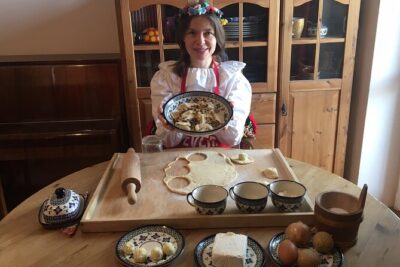
Krakow Pierogi Cooking Class with Market Visit & Home-Cooked Meal
Read our review →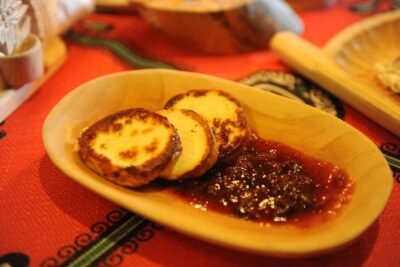
Food Tour of 10 Tastings with Pierogi, Vodka & More
Read our review →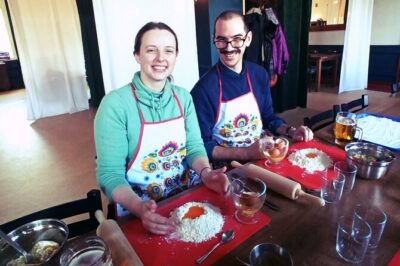
Pierogi Cooking Class: Mastering the Art of Polish Dumplings
Read our review →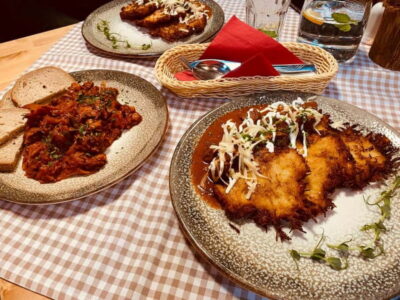
6-Course Full Polish Food Tour with Vodka Tasting
Read our review →
Traditional Polish Food and Drinks Tasting Tour
Read our review →
Traditional Polish Food Tour in Krakow Old Town
Read our review →
Browse the lists this tour appears in