
Reviewed · AUSCHWITZ-BIRKENAU TOURS
Krakow: Auschwitz-Birkenau Guided Tour Pickup/Lunch Options
Auschwitz-Birkenau is not a sightseeing stop to rush through. It is a place of evidence: piles of shoes and luggage, prisoner photographs, barracks, ruins, and the vast Birkenau camp where the scale of the Nazi killing program becomes impossible to ignore. This eight-hour trip from Krakow gives you both camp sites, transport, entry, and a licensed museum guide in one long, carefully timed day.
I like the English-speaking museum guide, especially when the subject needs context rather than a quick list of dates. I also like the practical pairing of Auschwitz I and Birkenau, since the first site explains the camp system while the second shows its enormous killing center. The main drawback is control: your preferred departure time is not guaranteed, the pace is set by the museum, and some people find the exhibitions rushed.
In This Review
- Key points at a glance
- Why Auschwitz-Birkenau needs a full day
- The Krakow pickup can be the least polished part
- The road from Krakow to the memorial
- Auschwitz I: evidence inside the original camp
- Birkenau: scale, barracks, and the killing site
- What the guides add, and where the service varies
- Is $200 a fair price?
- What to bring and how to prepare
- Who should book this Auschwitz tour?
- FAQ
- How long does the Auschwitz-Birkenau tour take?
- How long is the journey from Krakow?
- What language is the guided tour in?
- Does the tour visit both Auschwitz I and Auschwitz II-Birkenau?
- Is lunch included?
- Is the pickup time guaranteed?
- What identification do I need?
Key points at a glance
- Two distinct camp sites: Spend about two and a half hours at Auschwitz I, then one hour at Auschwitz II-Birkenau.
- Personal evidence: The permanent exhibitions include prisoners’ belongings, photographs, and documents recovered from the camp.
- Sensitive guiding: English-speaking guides such as Leah have been praised for presenting painful material with care and clarity.
- Long transport day: Allow eight hours, including roughly three hours on the road between Krakow and the museum.
- Pickup needs attention: Meeting points can be confusing when several companies collect passengers at once, so arrive early and check your final message.
- Lunch is optional: A lunchbox can be selected, but there is no proper meal break inside the two camp visits.
Why Auschwitz-Birkenau needs a full day
Auschwitz-Birkenau was the largest concentration camp complex operated by Nazi Germany. Auschwitz I began in 1940 as the administrative center and original camp. Auschwitz II, known as Birkenau, became the main extermination site. Auschwitz III, or Monowitz, operated as a labor camp, though this visit focuses on Auschwitz I and Birkenau.
The museum preserves the sites as a memorial to more than one million people murdered there, most of them Jews. You are not simply walking through old buildings. You are seeing the physical system built to imprison, exploit, and kill people on an industrial scale.
That is why a guide matters here. Without context, a barracks can look like an empty brick building and a railway platform like a stretch of track. With clear explanation, the buildings, photographs, belongings, and ruins connect into a story about real people and deliberate policy.
This is also why I would not treat the trip as a casual family outing. The experience is suitable for older teenagers, but it is not recommended for children under 14. Expect an emotional day, and give yourself quiet time afterward rather than scheduling a busy evening.
More Auschwitz-Birkenau memorial visits:
- From Krakow: Auschwitz-Birkenau Guided Tour & Hotel Pickup
★ 4.5 · 33,358 reviews - From Krakow: Auschwitz-Birkenau Guided Tour & Hotel Pickup
★ 4.5 · 29,340 reviews - Krakow: Auschwitz Guided Tour with Optional Hotel Pickup
★ 4.5 · 15,280 reviews
The Krakow pickup can be the least polished part
The tour includes round-trip transport from Krakow, with several pickup and drop-off points around the city. Listed locations include Kiss&Ride, Wielopole 2, Starowiślna 65, ibis Krakow Stare Miasto, Hotel Galaxy, Qubus Hotel Kraków, Premium Hostel, and several other hotels and residences.
Your exact pickup point and time arrive in a separate confirmation message. The departure time you choose at booking is only a preference. The operator may schedule the actual start between 5:30 in the morning and 3:00 in the afternoon, with the final time sent the day before.
That flexibility is useful for fitting the visit around your Krakow plans, but it also means you should not book a train, flight, or tightly timed activity immediately afterward. Keep checking your email, and use the precise meeting point in the final message rather than relying on the original booking screen.
Several tour companies may gather in the same area. Staff may call out names, and signs can be hard to spot. I would arrive early, keep your phone available, and ask directly for the Auschwitz pickup if you are unsure. This small bit of preparation can prevent a stressful start.
The vehicles vary. Some groups use a clean, modern coach with a screen showing a documentary during the drive. Other departures may use a smaller van with limited legroom. If you are tall, the minibus can feel cramped, and some drivers have been described as driving quickly. The long road journey is roughly one and a half hours each way, so comfort matters.
The road from Krakow to the memorial
The transfer takes about 90 minutes in each direction. It is a useful buffer before the museum visit, though it makes the eight-hour total feel substantial.
You may receive basic information or a documentary on the way. This can help prepare you for the visit, but do not expect the transport portion to replace the museum guide. The important interpretation happens inside the two camp sites.
There are planned breaks after arriving, before moving from Auschwitz I to Birkenau, and before returning to Krakow. These pauses are short, generally 10 to 20 minutes. Use them for the toilet, water, and a mental reset.
Food needs planning. Due to museum rules, there is no lunch break during the camp visits, and food and drinks are not allowed inside either camp. A lunchbox is available with some booking options, but the quality and amount may not suit everyone. Vending machines may be available at the site, though this is not a substitute for a proper meal.
If you need lunch, choose the lunchbox option only after checking what it includes, or eat before departure and carry what the rules allow for the approved break areas. One especially cold visit included snow and temperatures around minus 10 degrees, making warm drinks and food feel important, but restrictions on eating and drinking during transport can limit your options.
Auschwitz I: evidence inside the original camp
Auschwitz I usually takes around two and a half hours, though the stated museum portion is sometimes described as about two hours. The pace is controlled by the museum, group movement, and security arrangements, not by your personal schedule.
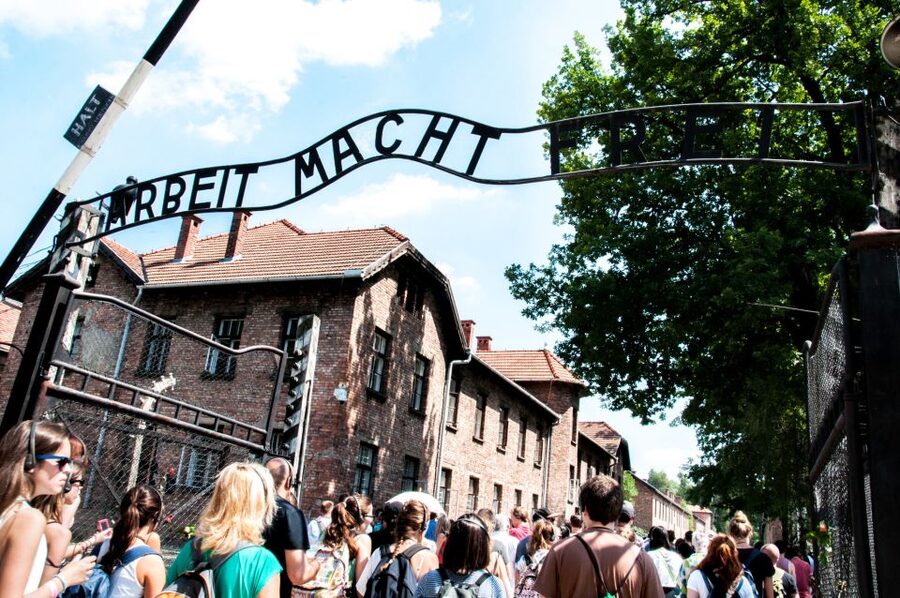
You enter through the main section of the former camp and pass original buildings used by the Nazi administration and prison system. The museum’s permanent exhibitions use these buildings to explain daily life, deportation, forced labor, punishment, and mass murder.
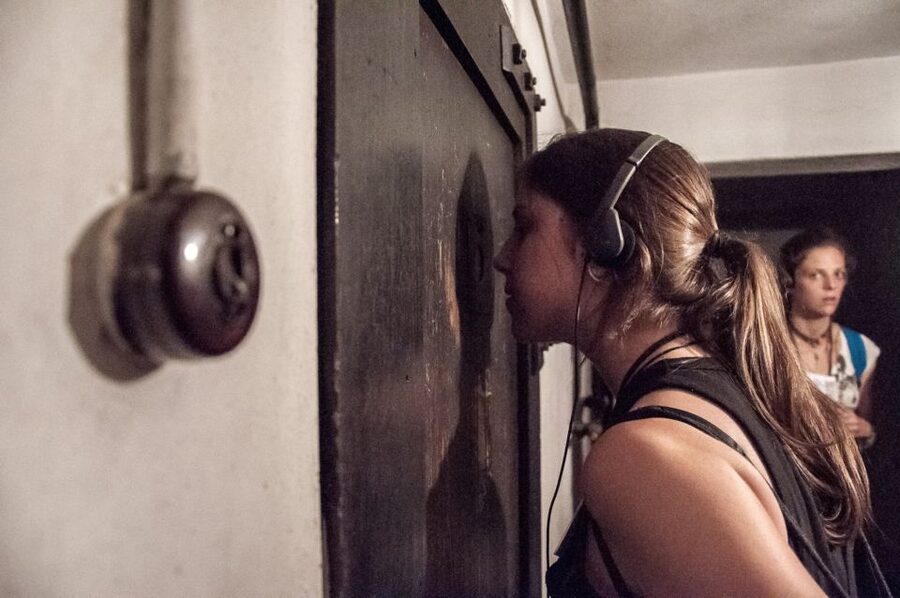
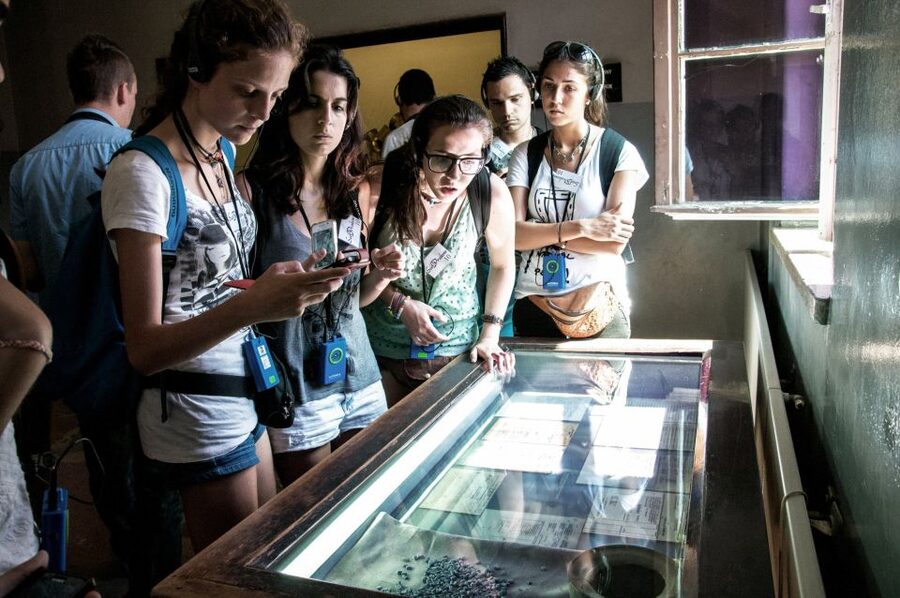
The personal belongings are among the hardest parts. Shoes, luggage, photographs, and other objects belonged to people who arrived believing they were being transported for work or resettlement. These displays are not abstract. Names and faces give the crime a human scale.
You may also enter a gas chamber at Auschwitz I. The visit does not turn this into a theatrical scene. The power comes from the plain structure itself and from understanding its role within the wider system.
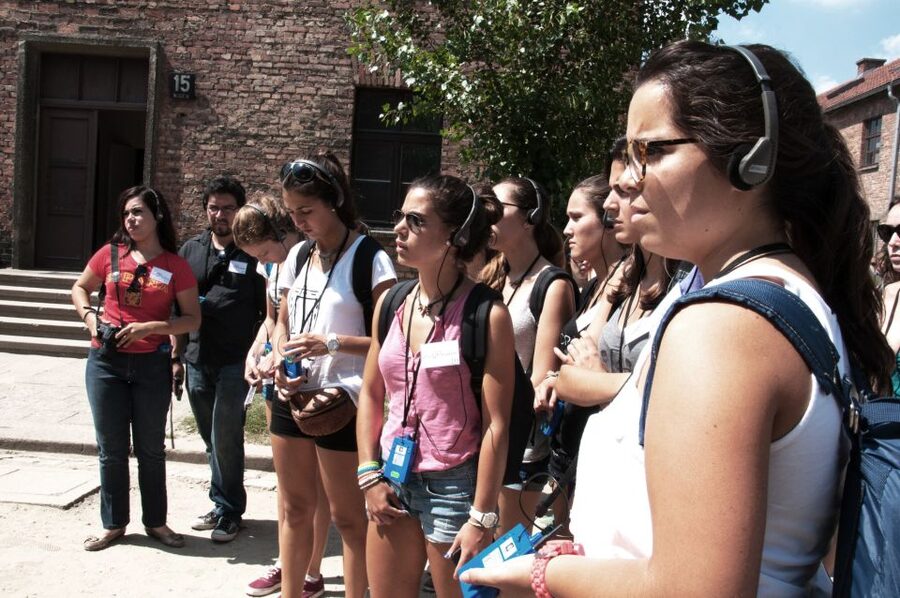
This is where a strong guide earns the fee. Guides praised by name include Leah, who presented the subject with care, and other guides described as clear, patient, and highly informed. A good guide explains what you are seeing without adding drama, answers questions, and keeps the group together through crowded interiors.
There is a tradeoff. You follow the group’s pace, and you may not have enough time to read every display. The hall of prisoners’ photographs, in particular, can feel too brief. If you want to study each document and label, an independent visit may give you more control, though securing entry and understanding the site on your own requires more planning.
Headsets are commonly used so you can hear the guide among other groups. They generally work well, but reception can become crackly or drop out. If you lose the signal, move closer to the guide and tell the group leader rather than trying to reconstruct the explanation later.
A few more Krakow trips worth comparing
- Krakow: Auschwitz-Birkenau Guided Tour with Pickup & Lunch
★ 4.5 · 9,800 reviews - Krakow: Auschwitz Guided Tour with Pickup and Optional Lunch
★ 4.4 · 2,649 reviews - Krakow: Auschwitz-Birkenau & Wieliczka Salt Mine with Lunch
★ 4.1 · 214 reviews - Zakopane Tour from Krakow with Transfers and Lunch Option
★ 5.0 · 174 reviews
Birkenau: scale, barracks, and the killing site
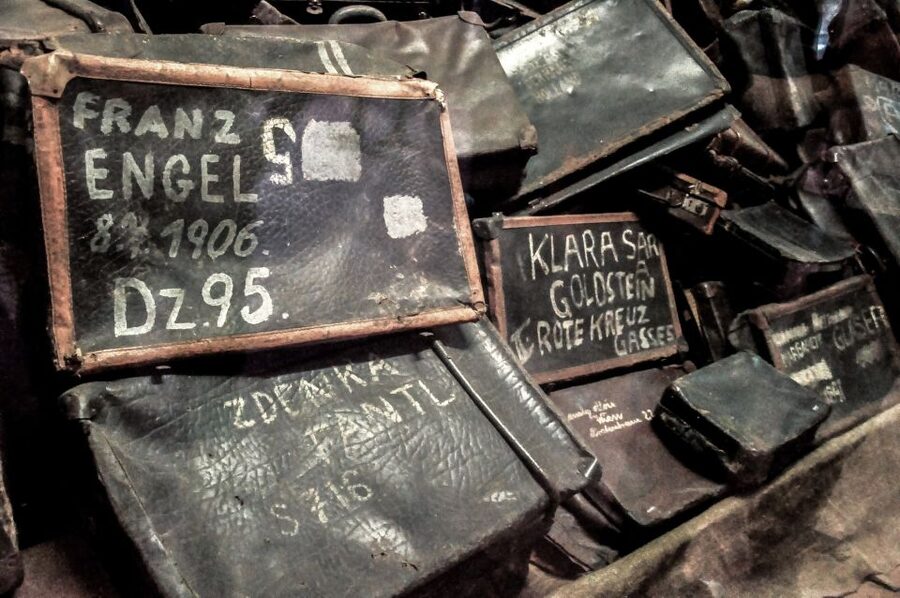
After a short break, the group transfers to Auschwitz II-Birkenau. This part lasts about one hour, which is enough for the principal buildings and memorial areas but not for a slow, private examination of every corner.
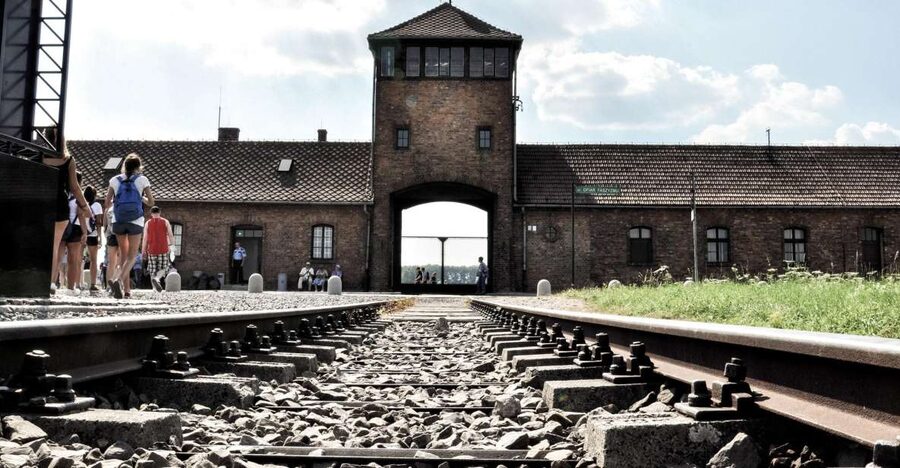
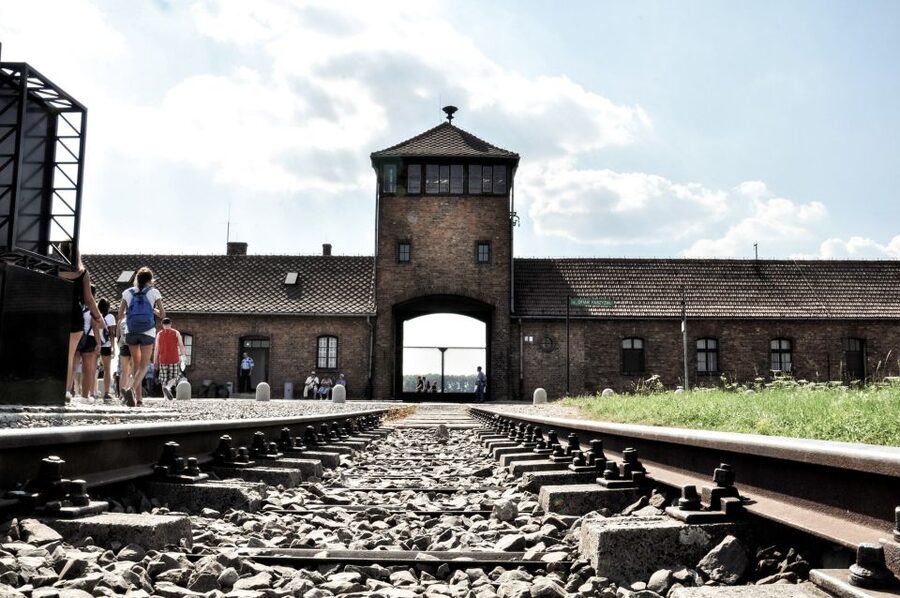
Birkenau feels different from Auschwitz I. The site is much larger and more open, with the famous entrance gate, railway approach, prisoner barracks, and the remains of gas chambers and crematories. The size of the grounds helps you understand the scale of deportations and the number of people processed there.
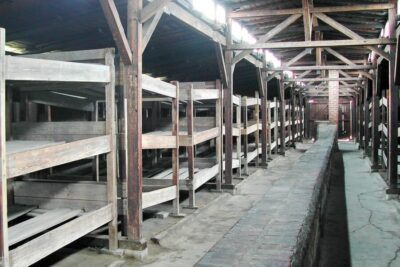
You will see original camp buildings and barracks where prisoners were kept. Conditions were severe, and the structures make clear how little privacy, warmth, and comfort people had. The guide connects the buildings to the transport system, selection process, forced labor, and killings.
The ruins of the gas chambers and crematories are especially important. The SS tried to destroy evidence before liberation on January 27, 1945, burning archives and damaging parts of the camp. What remains is incomplete, but the destruction itself is part of the story.
Birkenau is outdoors, so weather changes the experience. In winter, wind, snow, and frozen ground can make the hour physically demanding. In wet conditions, the uneven paths can be difficult. Wear sturdy shoes, dress for the forecast, and do not assume that a short museum visit means a light walking day.
The Birkenau portion can also feel too short. If you want time for reflection, photography, or reading every sign, the group schedule may frustrate you. Photography rules and museum instructions apply, and the correct approach is quiet attention rather than treating the grounds like a normal attraction.
What the guides add, and where the service varies
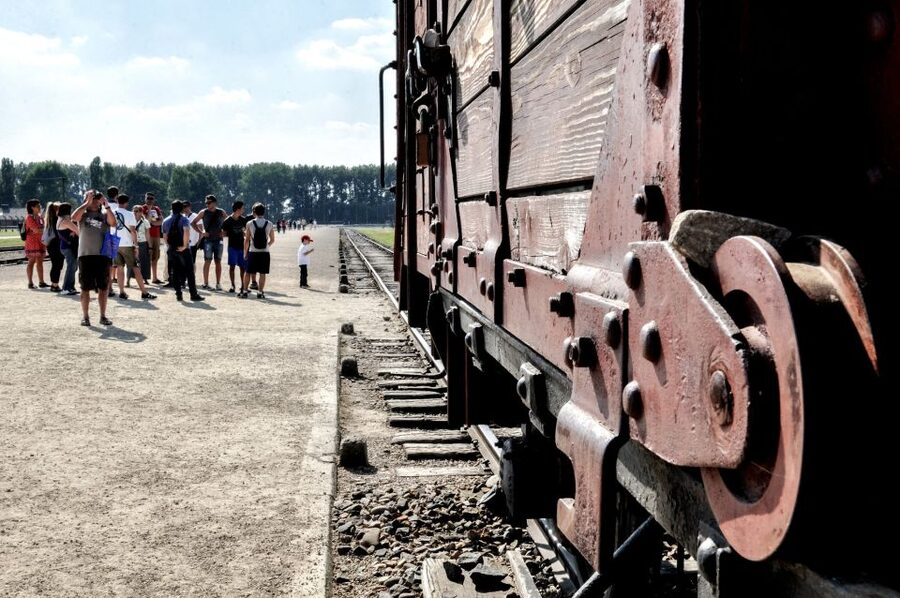
The most praised part of the experience is the guiding. Several guides are described as friendly, clear, passionate, and careful with the subject. That matters because the museum contains a great deal of information, and the emotional weight can make it hard to decide where to focus.
A guide can explain the difference between Auschwitz I, Birkenau, and Monowitz, point out original structures, and answer questions about the camp system. The best guides also know when to pause and let the evidence speak.
Service is not identical on every departure. One guide named Robert was criticized for leaving the group in the rain during ticket arrangements, missing some questions, and departing before the group had finished. That does not define every guide, but it is a useful warning: the quality of the day depends partly on the person assigned.
The driver can also shape the experience. Drivers have been praised for being friendly, punctual, safe, and helpful with tickets and group movement. Other passengers found the driving too fast, while small vans created tight legroom. If you are sensitive to motion sickness, the road journey may be uncomfortable, and one person specifically reported becoming travel sick.
Is $200 a fair price?
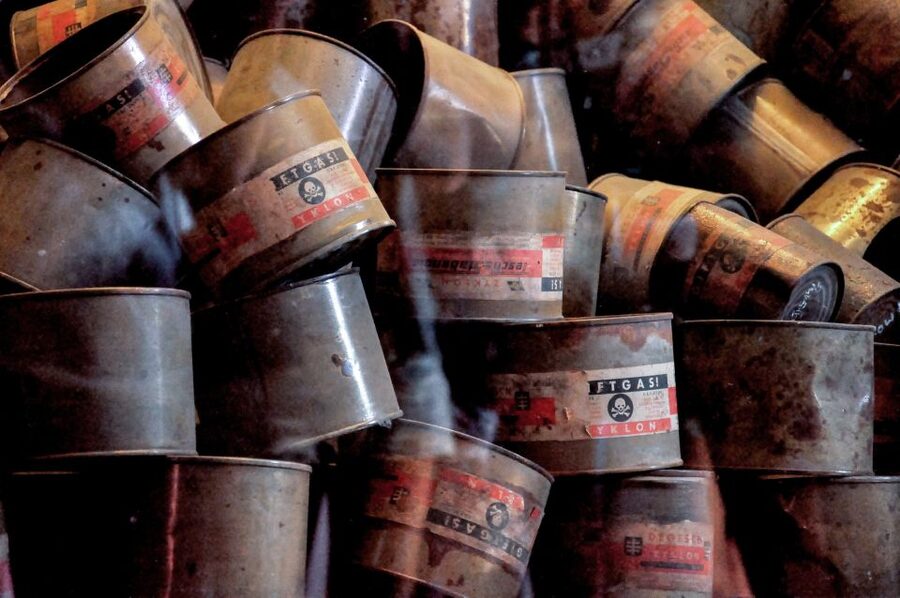
At $200 per person, this is not the cheapest way to reach Auschwitz-Birkenau. You are paying for transport, museum admission, a licensed guide, the Auschwitz I and Birkenau visits, and, if selected, a lunchbox.
The value depends on what you need. If you want someone else to handle the long transfer, museum entry, pickup, and movement between the two sites, the package is convenient. You also avoid the risk of arriving without the correct ticket or missing the required timed entry.
If your main goal is the lowest possible price, compare carefully. Some people have found similar visits for less, and an independent visit may cost less if you are comfortable arranging transport and entry yourself. The tradeoff is less hand-holding and potentially less explanation.
I think the guide is the strongest reason to pay more. Auschwitz is not a place where signs alone always provide enough context, and the subject deserves careful interpretation. Still, the value drops if you mainly want to read every display at your own pace, since the group moves according to the museum timetable.
What to bring and how to prepare
Bring your passport or ID card. Every participant must provide a full name and contact details when booking, and the name on the booking must match the identification shown at entry. A mismatch can lead to refused admission.
Wear comfortable shoes. You will walk over uneven ground, enter and leave buildings, and use stairs. Choose weather-appropriate clothing, with extra warmth in winter and rain protection when needed.
Large bags and luggage are not permitted. Pets are also not allowed, and sleeveless shirts are listed among prohibited clothing. Since the site has strict rules, pack lightly and keep only what you need for the visit.
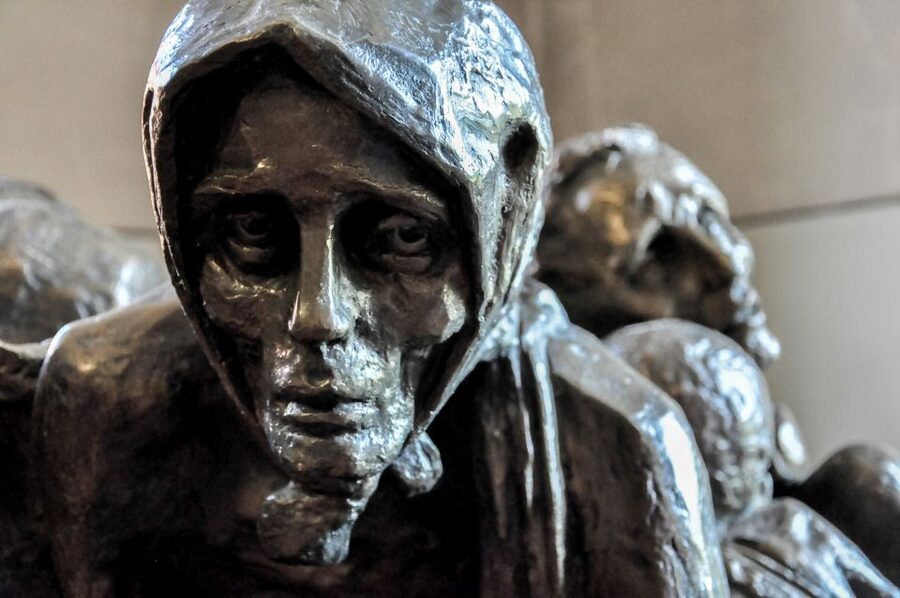
Prepare yourself emotionally. You may see personal belongings, photographs, barracks, a gas chamber, and crematory ruins. The material is painful, and many people find the visit overwhelming. That response is normal, but it is another reason to avoid placing a demanding activity immediately afterward.
The experience is described as wheelchair accessible in one section, yet the additional information says it is not suitable for wheelchair users. Because the site includes uneven ground, stairs, and movement between historic buildings, confirm current access arrangements before booking if you use a wheelchair.
Who should book this Auschwitz tour?
This trip suits you if you are staying in Krakow and want a structured, educational visit without arranging several separate tickets and transfers. It is also a good fit if you prefer an English-speaking guide to explain the site as you move through it.
You should book it if the following matter most:
- Round-trip transportation from Krakow
- Entry to both Auschwitz I and Birkenau
- A licensed museum guide
- A fixed eight-hour framework
- Pickup options near several Krakow hotels and central locations
Think twice if you need a guaranteed departure time, a full meal, generous reading time, or plenty of space in the vehicle. You might prefer an independent visit if you want to move slowly, take long breaks, or study every exhibition label.
This is a serious memorial visit, not a light day trip. Go for the evidence, the education, and the chance to understand the two sites together. If you prepare for the emotional weight and accept the tight schedule, the tour provides a practical way to visit one of Europe’s most important memorials.
FAQ
How long does the Auschwitz-Birkenau tour take?
The complete activity lasts about eight hours, including transport from Krakow, breaks, the Auschwitz I visit, the Birkenau visit, and the return journey.
How long is the journey from Krakow?
The transfer takes about one and a half hours each way, depending on traffic and the pickup arrangements.
What language is the guided tour in?
The live tour guide speaks English.
Does the tour visit both Auschwitz I and Auschwitz II-Birkenau?
Yes. The visit includes Auschwitz I Main Camp and Auschwitz II-Birkenau Camp. Auschwitz I takes about two and a half hours, and Birkenau takes about one hour.
Is lunch included?
A lunchbox is included only if you select an option that contains one. Museum rules mean that a lunch break is not included during the two camp visits, and food and drinks are not allowed inside the camps.
Is the pickup time guaranteed?
No. You choose a preferred time, but the actual start may be scheduled between 5:30 AM and 3:00 PM. The exact time and pickup point are sent the day before the tour.
What identification do I need?
Bring a passport or ID card. Your name on the booking must match the name on your identification, or entry may be refused.
Just added around Krakow
- Private Guided Tour: Oskar Schindler’s Factory★ 5.0 · 3 reviews
- E-Scooter Krakow sightseeing tour★ 5.0 · 3 reviews
- From Krakow: Zakopane and Thermal Pools Guided Trip★ 5.0 · 3 reviews
- Schindler’s Factory, Ghetto and Plaszow Camp Guided Tour★ 4.7 · 3 reviews
- Kraków: Private Hot Air Balloon Flight with Champagne★ 3.7 · 3 reviews
- Krakow: River Cruise & Guided Visit to Former Plaszow Camp★ 3.6 · 3 reviews
- From Krakow: Private Wieliczka Salt Mine Tour★ 4.0 · 3 reviews
- Krakow: Wheels & Heels Entrance Ticket★ 5.0 · 3 reviews
Auschwitz-Birkenau Tours, compared.

Auschwitz-Birkenau Guided Tour & Hotel Pickup
Read our review →Auschwitz-Birkenau Guided Tour & Hotel Pickup
Read our review →
Auschwitz Guided Tour with Optional Hotel Pickup
Read our review →
Auschwitz-Birkenau Guided Tour with Pickup & Lunch
Read our review →

Krakow to Auschwitz Birkenau Guided Tour with Transfer and Ticket
Read our review →
Browse the lists this tour appears in