
Reviewed · WALKING TOURS
World War II in Krakow Walking Tour in English
Krakow’s World War II story is written into ordinary streets, prison walls, and quiet corners near the Old Town. This 150-minute walking tour connects those places with stories of occupation, resistance, fear, and difficult choices.
I like the focus on real people, not just dates and military facts. I also like the chance to see Nazi prison cells with victims’ inscriptions, a direct and sobering link to the past. The subject is heavy, and the walking route may feel intense rather than light sightseeing.
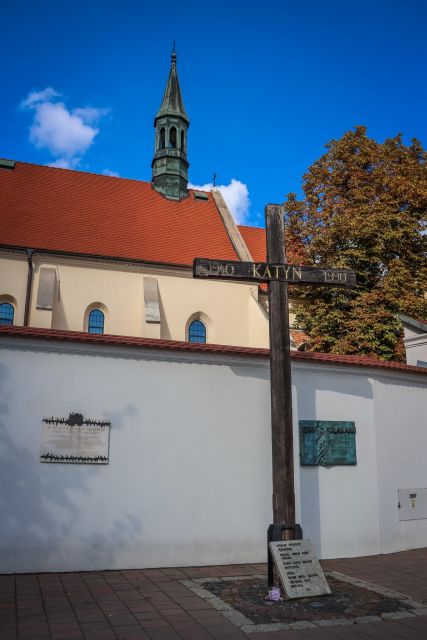
- Katyń wooden cross introduces one of Poland’s most painful wartime memories.
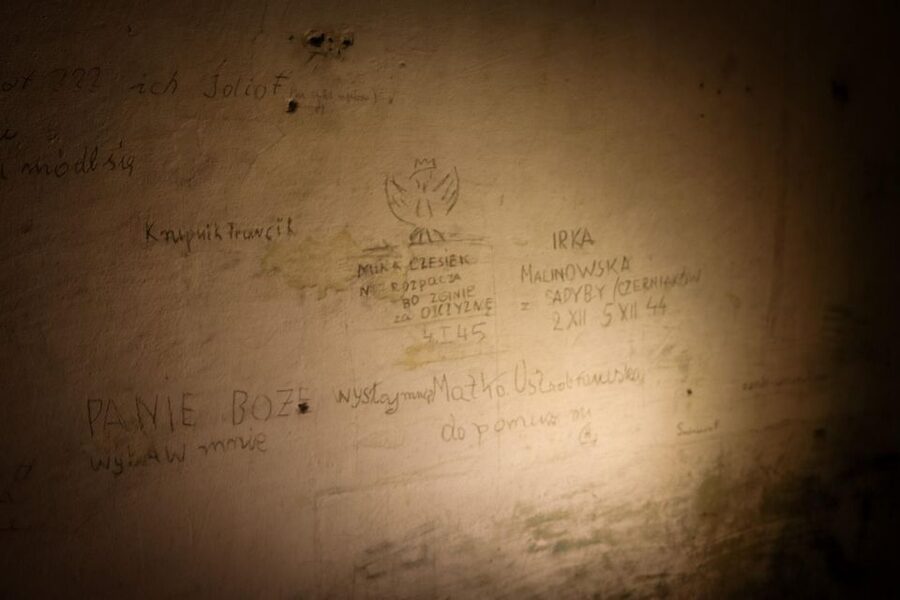
- St. Michael’s prison cells contain inscriptions left by people held there.
- Former Gestapo headquarters shows how occupation was enforced in daily life.
- Park Krakowski bomb shelters reveal how civilians faced the threat from above.
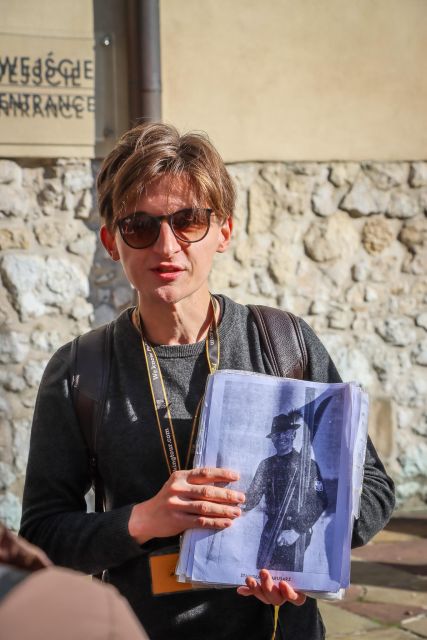
- English-speaking guides such as Tomasz bring local context, clear explanations, and occasional good humor.
- The $26 price covers the reservation and guide payment within the tour’s pay-as-you-wish format.
In This Review
- Krakow’s wartime scars begin near Wawel Hill
- The Katyń wooden cross and the weight of memory
- St. Michael’s prison cells and words on the walls
- The former Gestapo headquarters and the machinery of fear
- Resistance stories that focus on ordinary people
- Park Krakowski bomb shelters and civilian survival
- How the 150 minutes feel on foot
- Is $26 good value for this Krakow walk?
- Who should book this World War II tour?
- My verdict on the Krakow occupation walk
- FAQ
- Where does the World War II in Krakow Walking Tour meet?
- How long does the tour last?
- What language is the tour conducted in?
- What wartime sites are included?
- Can I see prison-cell inscriptions during the tour?
- Is the tour wheelchair accessible?
- Is hotel pickup included?
- Are snacks included?
- How much does the tour cost?
- Can I cancel for a full refund?
Krakow’s wartime scars begin near Wawel Hill
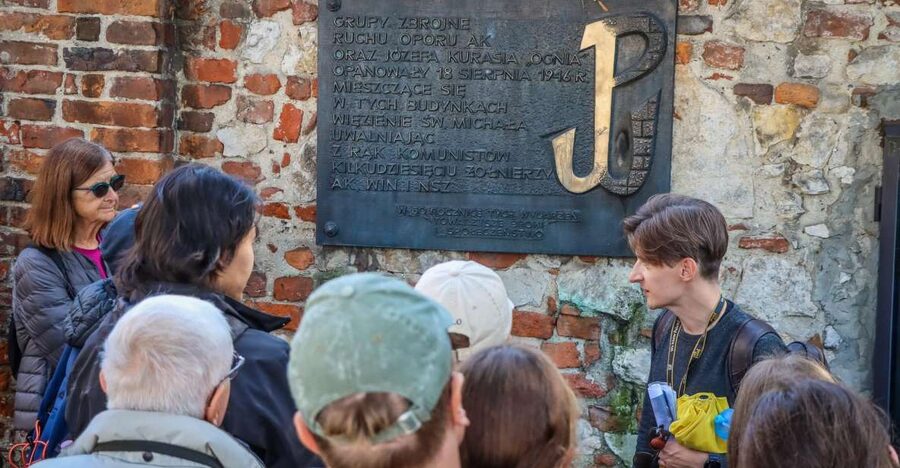
You meet at Triangle Square beside Wawel Hill, at the end of Grodzka Street. Arrive 10 minutes early. This is a useful starting point because you are close to Krakow’s best-known royal landmark, yet the tour quickly shifts your attention from grand architecture to the city’s wartime wounds.
The contrast matters. Krakow can feel almost storybook at first glance, with its churches, old streets, and handsome squares. This walk asks you to look again. Occupation changed how people moved through the city, whom they trusted, and how carefully they made even small decisions.
Your guide leads in English and builds a connected narrative rather than handing you a list of dates. That approach suits this subject. World War II in Krakow was not only a sequence of military events. It was also a daily struggle involving fear, compromise, courage, betrayal, and resistance.
The guide may include stories of Nazi officers and the methods used to repress people. Just as important, you hear about ordinary men and women who opposed the regime, sometimes quietly and sometimes through organized action. The central question is personal: what would you have done when a small choice could bring grave consequences?
The Katyń wooden cross and the weight of memory
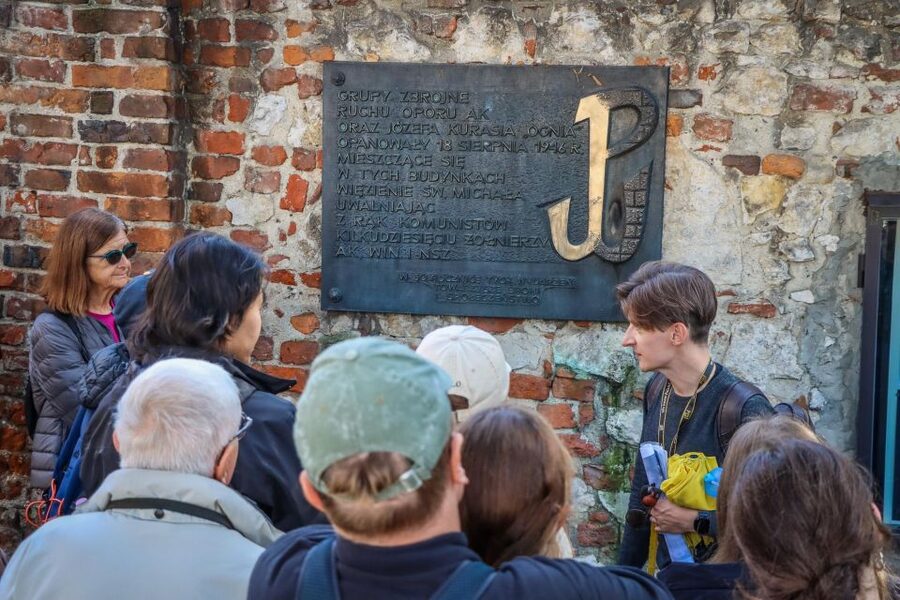
One of the listed stops is the Katyń wooden cross. It gives the tour an early connection to remembrance and loss, and it helps explain why wartime memory remains so strong in Poland.
The Katyń massacre is among the most painful subjects in Polish twentieth-century history. The stop is not presented simply as a monument to photograph. It is a place for considering how war continued to shape families and national memory long after the fighting ended.
You should expect the guide to place the site within the larger story of occupation and repression. The supplied information does not give a full script for this stop, so the exact explanation may depend on the guide. Still, the cross signals that this walk deals with memory as much as physical remains.
I appreciate that balance. A tour about World War II can become too focused on buildings and dates. A memorial such as this keeps the human cost in view.
More walking tours in Krakow:
- Old Town Krakow & Wawel Castle Walking Tour
★ 5.0 · 1,508 reviews - Creepy Krakow: 2-Hour City Walking Tour
★ 4.7 · 1,131 reviews - Krakow: The Old Town Walking Tour
★ 4.8 · 794 reviews
St. Michael’s prison cells and words on the walls
The prison stop is likely the most direct part of the route. At St. Michael’s, you visit Nazi prison cells and read inscriptions left on the walls by victims.
This is where the past becomes especially hard to keep at a distance. A paragraph in a textbook tells you what happened. A name, message, or mark left on a cell wall suggests that a real person stood there, uncertain of what would happen next.
The tour description specifically highlights these inscriptions, so allow time to look carefully. You may find that the writing makes the stop more affecting than a standard prison-room display. The value is not in seeing a grand monument. It is in confronting a small physical trace left under terrible conditions.
This part may be difficult for some people. The subject includes imprisonment, repression, and victims of the Nazi system. If you prefer cheerful sightseeing, this is not the right tour for that afternoon. If you want a serious account grounded in actual places, it is one of the strongest reasons to book.
The route is listed as wheelchair accessible. Since this is a walking experience involving historic sites, you may still want to confirm any particular access needs before booking, especially if entering the cells requires navigating older spaces.
The former Gestapo headquarters and the machinery of fear
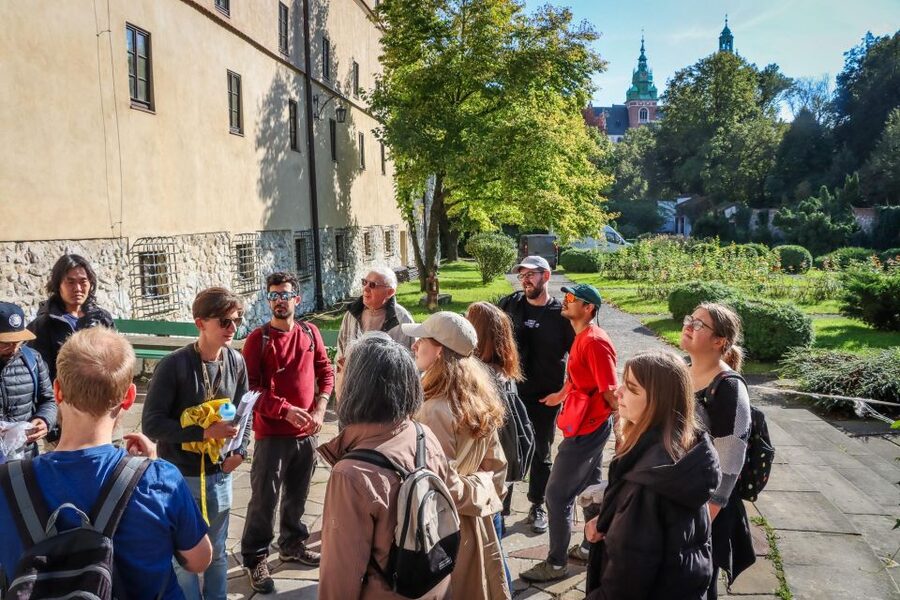
The former Gestapo headquarters adds an institutional side to the story. Here, the guide explains how occupation operated through surveillance, arrest, interrogation, and fear.
The stop is valuable because it moves beyond the idea of war as something happening far away on a battlefield. A headquarters in the city means the system was present in ordinary Krakow. Its power came not only from weapons, but from offices, orders, police action, and the threat that anyone could be watched or accused.
Expect the guide to discuss some of the most brutal officers in the Nazi machine and the tools used to control victims. The experience is strongest when those facts remain connected to the streets around you. You are not merely learning who held authority. You are considering how that authority affected people who still had to work, travel, shop, hide, or help someone else.
This is also where the tour’s emphasis on difficult choices becomes clear. Resistance was courageous, but it was never simple. Helping another person could place an entire family at risk. Keeping silent might protect someone, or it might allow the system to continue. The guide’s job is to make those choices understandable without turning them into easy moral lessons.
Resistance stories that focus on ordinary people
The walk promises stories of people who opposed the Nazi regime and became silent heroes. That is a welcome choice. Famous commanders and political leaders have their place, but a city tour becomes more meaningful when it shows what resistance looked like at ground level.
You hear about individual actions as well as organized resistance. The precise examples may vary with the guide, but the theme is clear: opposition did not always look dramatic. Sometimes it involved a risky decision, an act of concealment, passing information, or refusing to cooperate.
The guides are a major part of the experience. Tomasz, also known as Big Tomasz, is specifically associated with this tour. He is described as warm, engaging, passionate, insightful, and willing to use a little good humor when the subject allows it. That mix can help a serious tour feel human without making light of the suffering.
Another guide may lead your group, so you should not book on the assumption that Tomasz will always be present. Still, the strong feedback connected to his guiding style tells you what to look for: clear storytelling, local understanding, and the ability to hold attention for two and a half hours.
The walk has received a perfect 5 rating from six listed reviews. That is encouraging, but the sample is small. One booking ended early because the group had to catch a train, yet the participant still found the time useful and learned a great deal. Plan your schedule with care so you can stay for the full route.
A different sort of day out from Krakow:
- From Krakow: Auschwitz-Birkenau Guided Tour & Hotel Pickup
★ 4.5 · 33,358 reviews - From Krakow: Auschwitz-Birkenau Guided Tour & Hotel Pickup
★ 4.5 · 29,340 reviews - Krakow: Auschwitz Guided Tour with Optional Hotel Pickup
★ 4.5 · 15,280 reviews - Krakow–Zakopane: Cable Car, Chocholow Baths, Cheese & Vodka
★ 5.0 · 10,720 reviews
Park Krakowski bomb shelters and civilian survival
The final listed site is Park Krakowski, where you see bomb shelters. This stop broadens the story again, from prisons and headquarters to the danger faced by civilians.
Bomb shelters can seem less dramatic than a prison cell, but they show how war entered daily life. People had to respond to attack, uncertainty, and the possibility that a familiar neighborhood could become dangerous. The stop helps you picture occupation as a condition affecting an entire city, not only those arrested or involved in resistance.
The park setting may also provide a change in pace after the more confined and emotionally difficult locations. Do not expect a grand museum visit here. The value lies in the guide’s explanation of what the shelters reveal about Krakow during the war.
The tour is built around physical traces, but some traces have disappeared or become easy to overlook. That is why a local guide matters. Without context, a wall, cross, headquarters, or shelter might pass as just another part of the city. With context, the same place carries a second layer.
How the 150 minutes feel on foot
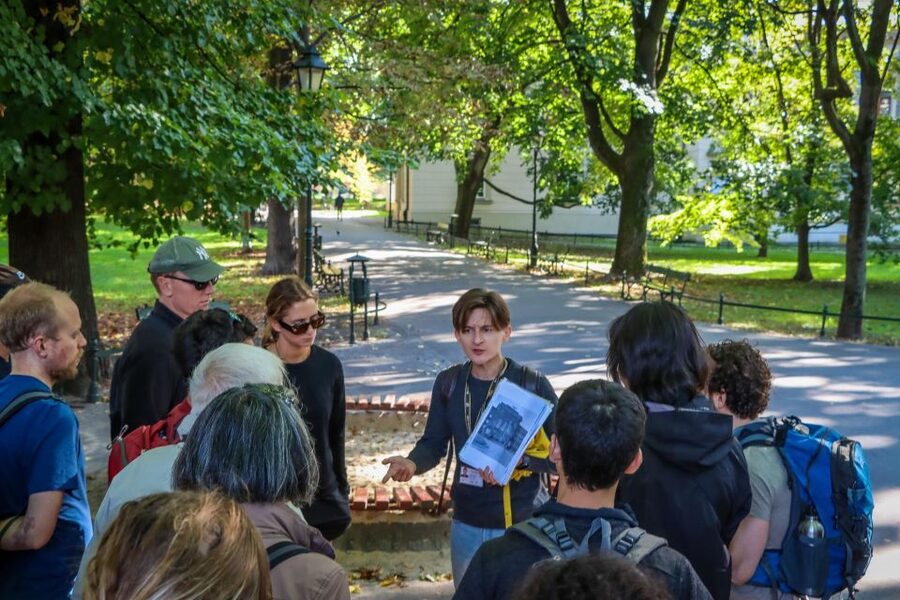
Two and a half hours is long enough for a serious subject but short enough to fit into a Krakow itinerary. You are not spending an entire day in museums or on a bus. You move through the city and use the streets themselves as part of the lesson.
The route includes several stops, and the exact order is not specified. Expect periods of walking between locations, with explanations given along the way. Wear comfortable shoes and allow the full 150 minutes. The meeting point is central, but hotel pickup and drop-off are not included.
This is an English-language tour with a live guide. That means you can ask questions and follow the narrative as it develops. The quality of the experience will depend partly on the guide’s delivery, especially because the subject involves many names, events, and moral questions.
The tour is listed as wheelchair accessible. That is important practical information, though you should still discuss specific mobility requirements before arrival if you need more than general accessible entry.
Is $26 good value for this Krakow walk?
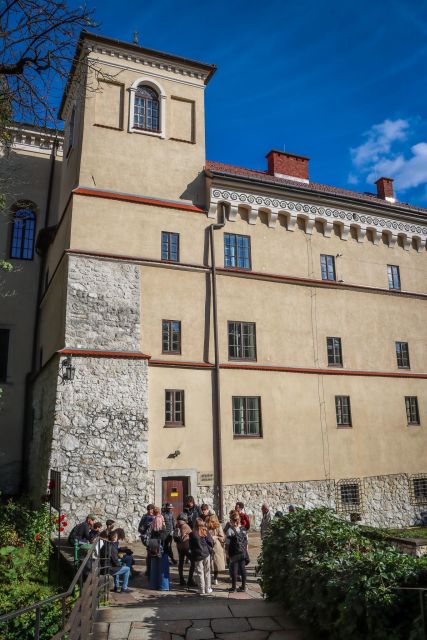
At $26 per person, the tour offers a reasonably priced way to spend 150 minutes with a local guide and visit several wartime sites. The value is strongest if you want interpretation. You can walk past streets and buildings on your own, but you are unlikely to understand their wartime role without background.
The payment structure needs a close look. This is presented as a general pay-as-you-wish tour, where the guide is normally rewarded by the participant. For this booking, the $26 amount covers the reservation fee and the guide’s payment. In practical terms, you should not assume that the advertised amount is only a small booking charge followed by a required additional payment.
Snacks are not included, though that is not a major issue for a 150-minute walk. Eat beforehand or carry something if you need it. Hotel transportation is also not included, but the central meeting point makes this more suitable for someone already exploring central Krakow.
Free cancellation is available up to 24 hours before the activity for a full refund. You can also reserve now and pay later, which helps if your schedule is still changing.
Who should book this World War II tour?
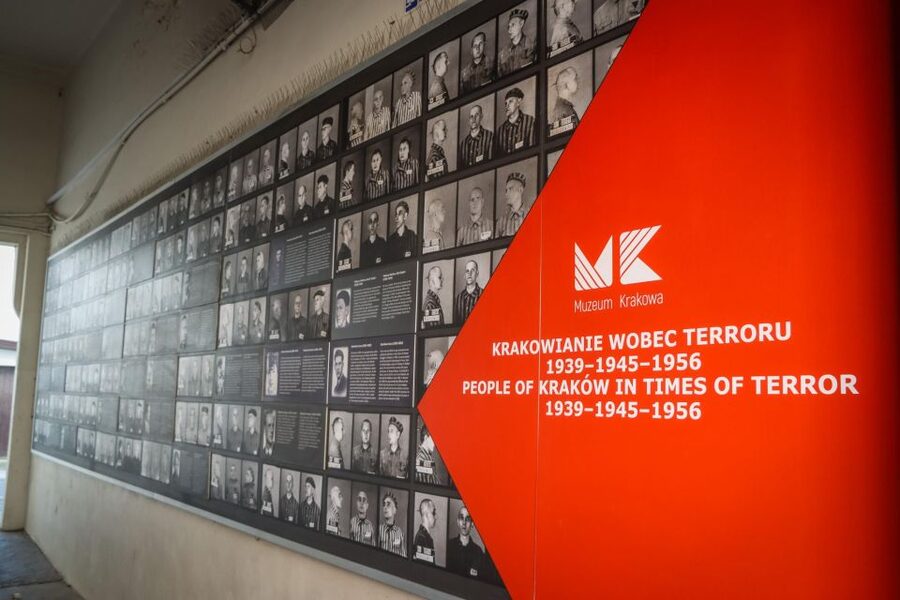
I would choose this tour if you want to understand Krakow beyond its famous sights. It suits you especially well if you value local stories, memorials, and the link between historical events and everyday life.
It is a good fit for:
- First-time visitors who want serious historical context alongside Old Town sightseeing.
- People interested in resistance movements and civilian life under occupation.
- Anyone who prefers walking and storytelling to a formal museum visit.
- English speakers looking for a live guide.
- Visitors with a free two-and-a-half-hour block in the Krakow schedule.
I would be more cautious if you want a relaxed introduction to the city. The material includes imprisonment, violence, repression, and moral choices. It may also feel emotionally demanding if you have recently visited several wartime museums or memorials.
Families should decide based on the ages and sensitivities of the children. The supplied details do not state a minimum age or a special family format, so you should ask the provider if that matters to your group.
My verdict on the Krakow occupation walk
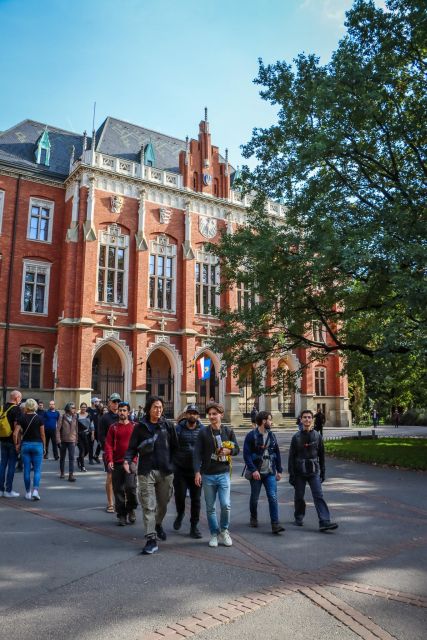
Book this tour if the question you want answered is not simply what happened, but how occupation changed the choices available to people living in Krakow. The prison inscriptions, Gestapo headquarters, Katyń cross, and bomb shelters give the walk a strong physical foundation.
I especially like the emphasis on ordinary people and silent acts of courage. Guides such as Tomasz appear to bring warmth, local understanding, and enough humor to keep the presentation human without losing its seriousness.
The main drawback is the subject itself. This is not a casual city stroll, and the small number of published ratings means you should keep expectations sensible about guide consistency. Still, at $26 for 150 minutes, with an English-speaking local guide and access to places that are easy to miss, it offers solid value for a thoughtful Krakow itinerary.
FAQ
Where does the World War II in Krakow Walking Tour meet?
The meeting point is Triangle Square next to Wawel Hill, at the end of Grodzka Street.
How long does the tour last?
The tour lasts 150 minutes, or two and a half hours.
What language is the tour conducted in?
The tour is conducted in English with a live English-speaking guide.
What wartime sites are included?
The route includes the Katyń wooden cross, St. Michael’s prison, the former Gestapo headquarters, and bomb shelters in Park Krakowski.
Can I see prison-cell inscriptions during the tour?
Yes. The experience includes Nazi prison cells where you can read inscriptions left on the walls by victims.
Is the tour wheelchair accessible?
Yes, the activity is listed as wheelchair accessible.
Is hotel pickup included?
No. Hotel pickup and drop-off are not included, so you need to reach the meeting point yourself.
Are snacks included?
No. Snacks are not included.
How much does the tour cost?
The listed price is $26 per person. This amount covers the reservation fee and the guide’s payment within the general pay-as-you-wish tour format.
Can I cancel for a full refund?
Yes. You can cancel up to 24 hours before the activity for a full refund.
Just added around Krakow
- Private Guided Tour: Oskar Schindler’s Factory★ 5.0 · 3 reviews
- E-Scooter Krakow sightseeing tour★ 5.0 · 3 reviews
- Schindler’s Factory, Ghetto and Plaszow Camp Guided Tour★ 4.7 · 3 reviews
- From Krakow: Zakopane and Thermal Pools Guided Trip★ 5.0 · 3 reviews
- Kraków: Private Hot Air Balloon Flight with Champagne★ 3.7 · 3 reviews
- Krakow: River Cruise & Guided Visit to Former Plaszow Camp★ 3.6 · 3 reviews
- From Krakow: Private Wieliczka Salt Mine Tour★ 4.0 · 3 reviews
- Krakow: Old Town short walk with St. Mary’s Basilica visit★ 5.0 · 3 reviews
Walking Tours, compared.
Old Town & Wawel Castle Walking Tour in English
Read our review →
Browse the lists this tour appears in