
Reviewed · MUSEUMS
Archdiocesan Museum in Krakow
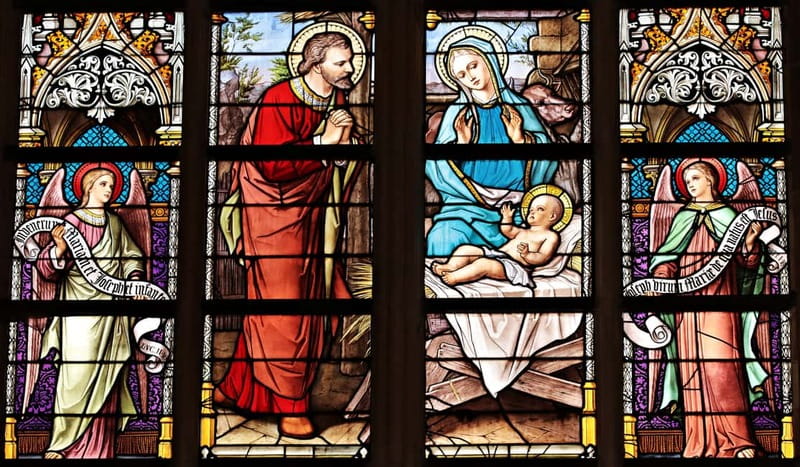
Krakow’s Archdiocesan Museum brings sacred art into one of the city’s most atmospheric addresses, Kanonicza Street. Inside 16 historic rooms, you’ll find roughly 600 paintings, sculptures, craft objects, and other works connected with the Krakow bishopric, arranged among old baroque furnishings.
I like the museum for two clear reasons: it gives you a focused look at Polish religious art rather than a huge, tiring collection, and it includes gifts connected with Pope John Paul II. The main thing to consider is that the ticket does not include transportation, and opening hours can change, so check the museum’s official website before setting out.
In This Review
- Key points to know before you go
- Why Kanonicza Street is the right setting
- What the sixteen rooms contain
- The John Paul II connection
- A compact look at Krakow’s clergy
- How much time should you allow?
- Is $2.41 good value?
- How the museum fits into a Krakow museum day
- Who will get the most from this visit?
- Booking, cancellation, and practical planning
- Should you book the Archdiocesan Museum?
- FAQ
- Where is the Archdiocesan Museum in Krakow?
- What can I see at the museum?
- How many works are in the collection?
- How many rooms does the exhibition use?
- Does the museum include gifts from Pope John Paul II?
- How much does admission cost?
- Is admission free with the Krakow City Card?
- Is a student discount available?
- Is transportation included?
- Can I cancel for a full refund?
Key points to know before you go
- Sixteen historic rooms: The permanent display is arranged in furnished rooms rather than a modern gallery setting.
- Around 600 works: Expect paintings, sculptures, craftwork, and sacred objects dating from the 13th through the 19th centuries.
- John Paul II connection: The museum includes gifts presented by the Holy Father, an important part of its appeal.
- Kanonicza Street location: The museum is on one of Krakow’s oldest and most beautiful streets, close to the heart of the city.
- Low individual price: Admission is listed at $2.41 per person, making it an inexpensive cultural stop.
- City Card access: Krakow City Card holders enter free, and the wider card includes access to many other museums and landmarks.
Why Kanonicza Street is the right setting
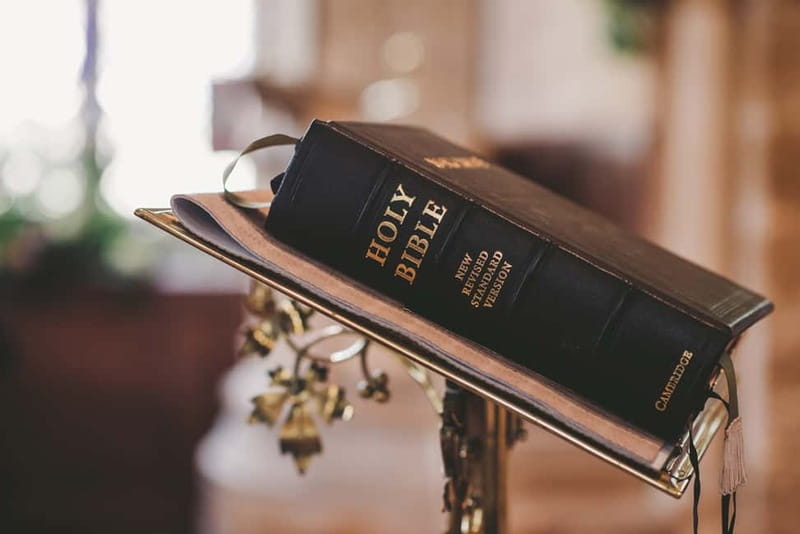
The museum is located at Kanonicza Street, one of Krakow’s oldest streets. Its position matters because the visit connects naturally with the religious and civic center of the city rather than sending you out to a distant neighborhood.
You can fit the museum into a walk through central Krakow, though transportation is not included with the ticket. The activity ends back at the meeting point, and the exact meeting point can vary according to the option you book.
Kanonicza Street is especially useful for visitors who want to pair art with a look at Krakow’s old clerical quarter. The museum’s purpose is to present the artistic legacy of the Krakow bishopric, so the setting supports the subject. You are not simply looking at unrelated religious objects gathered in one building.
The museum belongs to the authority of Krakow’s metropolitan bishop, Stanislaw Dziwisz. That connection gives the institution a direct link with the local Catholic Church and helps explain why its displays focus so closely on the work, traditions, and public role of the Krakow clergy.
More museums in Krakow:
- Auschwitz-Birkenau Museum and Memorial Guided Tour from Krakow
★ 4.5 · 1,510 reviews - Krakow: Rynek Underground Museum Guided Tour
★ 4.6 · 1,122 reviews - Krakow Schindler’s Factory Museum Guided Tour in English
★ 4.5 · 650 reviews
What the sixteen rooms contain
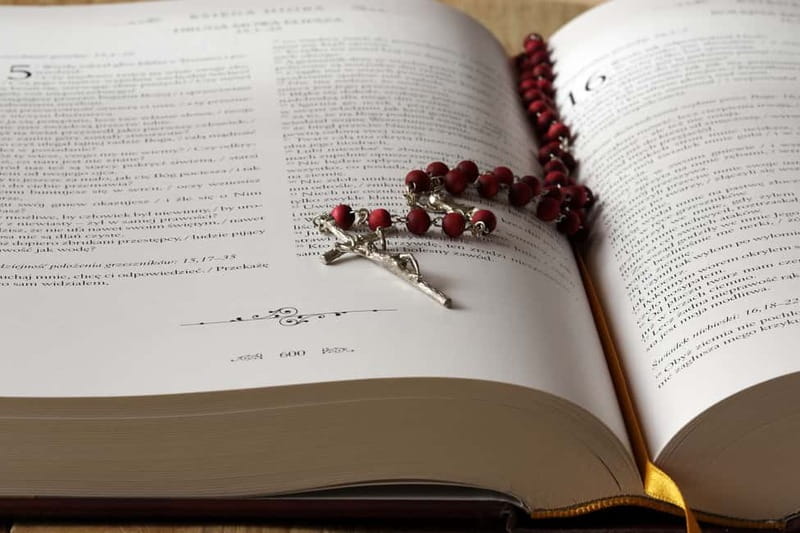
The collection covers sacred art from the 13th to the 19th century. That broad date range gives you the chance to see how religious art and church craftsmanship changed over several hundred years.
The display includes paintings, sculptures, and craftwork. The supplied information does not identify every artist or describe each room separately, so you should not expect a fixed list of famous masterpieces comparable to a major national museum. Instead, the value comes from the overall picture of the Krakow bishopric and its artistic property.
The rooms are furnished with baroque furniture. That detail changes the feel of the visit. You are viewing objects in rooms with an older interior character, not walking through a bright, empty gallery where each piece is isolated against a white wall.
I like this kind of setting because it helps you think about how religious art functioned. These were not only objects made for display. They were connected with worship, church interiors, clerical life, and the public identity of the bishopric.
At the same time, the historic-room arrangement may not suit you if you prefer a highly modern museum with large labels, wide galleries, and a clear chronological route. The available information does not confirm the amount of interpretation in each room, so visitors seeking detailed English explanations should check current arrangements before going.
The John Paul II connection
The gifts of Pope John Paul II are one of the museum’s most specific attractions. They give the collection a personal link to one of Poland’s most important religious figures and to Krakow itself.
The museum does not simply present general sacred art. It also preserves objects associated with the Holy Father, making this section especially meaningful for visitors interested in Polish Catholic life, modern church history, or John Paul II’s connection with Krakow.
You should allow time for this part instead of treating it as a quick extra. The supplied details do not provide a full inventory of the gifts, so I would avoid booking the museum solely to see one named object. The stronger reason to go is the combination of the John Paul II material with the wider collection of sacred art.
For visitors with a religious interest, this connection may be the most memorable part of the museum. For others, it provides a useful modern link within a collection that reaches back to medieval and early modern art.
A compact look at Krakow’s clergy
The museum’s central theme is the history of Krakow’s clergy. That makes the visit different from a standard art gallery, where works are usually organized around individual artists, artistic movements, or national schools.
Here, the objects help you understand the religious institution that owned, used, or preserved them. You get a look at the artistic legacy of the Krakow bishopric, with the church’s history providing the main thread.
This focus is useful if you have already visited Krakow’s major royal and civic sights and want another angle on the city. The museum adds context to Krakow’s religious identity without requiring a full day.
It also works well for visitors who want a quieter cultural stop. The listed collection size sounds large, but the 16-room layout keeps the experience more contained than a giant museum complex. You can give the objects proper attention without committing to an all-day museum visit.
The limitation is equally clear. If your main goal is secular Polish painting, Jewish history, military history, or modern art, another museum on the Krakow City Card list may be a better match. The Archdiocesan Museum is specialized, and its strength is that clear focus.
A different sort of day out from Krakow:
- From Krakow: Auschwitz-Birkenau Guided Tour & Hotel Pickup
★ 4.5 · 33,358 reviews - From Krakow: Auschwitz-Birkenau Guided Tour & Hotel Pickup
★ 4.5 · 29,340 reviews - Krakow: Auschwitz Guided Tour with Optional Hotel Pickup
★ 4.5 · 15,280 reviews - Krakow–Zakopane: Cable Car, Chocholow Baths, Cheese & Vodka
★ 5.0 · 10,720 reviews
How much time should you allow?
The ticket information says the experience is valid for 1 to 2 days, with starting times shown when you check availability. This wording refers to the validity of the booked activity rather than a stated length for walking through all 16 rooms.
Because no exact visit duration is provided, plan your schedule with some flexibility. You can place the museum between other central Krakow sights, but do not assume a specific timed entry unless your selected option confirms one.
The permanent exhibition gives you plenty to examine, yet the museum remains manageable because it is organized in a defined group of rooms. I would treat it as a short cultural stop or part of a larger museum day, not as the only activity on your itinerary.
Check the official website for current opening hours. The hours shown during booking may differ because of changing circumstances. Mondays also require special care, since some Krakow museums do not operate then, and the supplied information specifically warns that museum schedules can vary.
Is $2.41 good value?
At $2.41 per person, admission is inexpensive by central European museum standards. The price is especially reasonable if you enjoy religious art or want a compact museum visit near Krakow’s center.
You are paying for access to around 600 works in 16 historic rooms, not for transportation, a guided tour, or a separate city sightseeing service. That distinction matters. If you want someone to explain every object, this ticket alone does not promise a guide.
The low price also makes the museum a sensible choice when you have already purchased other Krakow attractions. It can fill a spare hour or add depth to a walking route without putting much pressure on your budget.
Krakow City Card holders enter free. The card also covers a long list of other museums and landmarks, including Schindler’s Factory, the Rynek Underground Museum, the Princes Czartoryski Museum, the Old Synagogue, the Town Hall Tower, and the Gallery of 19th-Century Polish Art in the Sukiennice.
If you are considering the City Card, compare the total price with the places you genuinely plan to visit. The Archdiocesan Museum alone is not a reason to buy the card, since individual admission is already low. But if you will visit several listed sites over one to three days, free entry here adds to the card’s value.
Students can receive a discount, but you must carry a valid student ID and show it to the tour representative when asked. Do not count on the reduced price without the card.
How the museum fits into a Krakow museum day
The City Card list makes it easy to pair this museum with other subjects. You might choose the Archdiocesan Museum for sacred art, then visit a site focused on Jewish history, aviation, modern art, or Krakow’s medieval market area.
That mix can make your day more interesting than visiting several similar galleries in a row. The Archdiocesan Museum provides religious and clerical context, while places such as the Rynek Underground Museum or the Gallery of 19th-Century Polish Art offer different views of the city.
Keep your route practical. Since transportation is not included, you are responsible for getting to the museum and between other stops. The Kanonicza Street location makes it a useful central addition, but the exact walking time from your previous attraction will depend on your starting point.
The museum also gives you a reason to slow down on Kanonicza Street. Instead of rushing between major landmarks, you can add a smaller institution with a specific local purpose. That is often where a city begins to feel less like a list of famous sights and more like a place with its own institutions and traditions.
Who will get the most from this visit?
I would recommend the museum to:
- Visitors interested in Catholic art and Polish church history
- People with a particular interest in Pope John Paul II
- Art lovers who prefer smaller, focused collections
- Krakow City Card holders
- Visitors looking for an inexpensive indoor stop in central Krakow
- Anyone who wants to see art in historic rooms rather than a modern gallery
Families can consider it if children have an interest in paintings, sculptures, or religious subjects, though the supplied information does not identify any special child-focused displays.
The museum may be less suitable if you want a guided sightseeing experience, a clearly stated visit length, or a single famous masterpiece. It is also not the best use of time for someone who has little interest in sacred art or the history of the Krakow clergy.
Booking, cancellation, and practical planning
The activity offers free cancellation up to 24 hours in advance for a full refund. That is helpful if your Krakow schedule depends on weather, changing museum hours, or other reservations.
Before you go, confirm the opening hours on the official website. This is the most important practical tip because the hours on the booking page may not always be current.
Your meeting point can vary according to the option booked. Transportation is not included, and the activity ends back at the meeting point. Read the details of your selected option carefully so you know where to begin.
The rating is 4.7 out of 5 from 12 ratings, and the only written comment supplied is the brief word Formidable. That score suggests a strong response overall, but the small number of ratings means you should judge the museum mainly by its subject, price, location, and collection size.
Should you book the Archdiocesan Museum?
Book it if you want a low-cost, central museum devoted to sacred art, the Krakow bishopric, and John Paul II’s connection with the city. The 16 historic rooms and roughly 600 works give you a focused cultural visit, while the Kanonicza Street setting makes it easy to add to a day in central Krakow.
Skip it if you are looking only for major secular masterpieces, a guided tour, or a museum with a clearly published visit duration. For most other visitors, the low price makes the decision simple: check the hours, fit it into your route, and give it a chance if religious art and Krakow’s clerical story interest you.
FAQ
Where is the Archdiocesan Museum in Krakow?
The museum is located on Kanonicza Street in Krakow, one of the city’s oldest and most beautiful streets.
What can I see at the museum?
You can see paintings, sculptures, craftwork, and other sacred works of art dating from the 13th through the 19th centuries.
How many works are in the collection?
The exhibition includes approximately 600 works of art.
How many rooms does the exhibition use?
The permanent exhibition is arranged in 16 historic rooms furnished with baroque furniture.
Does the museum include gifts from Pope John Paul II?
Yes. The museum displays gifts presented by Pope John Paul II.
How much does admission cost?
The listed price is $2.41 per person. The final price can depend on the option selected at booking.
Is admission free with the Krakow City Card?
Yes. Krakow City Card holders receive free entrance to the Archdiocesan Museum.
Is a student discount available?
Yes. Students must have a student ID card and show it to the tour representative when asked.
Is transportation included?
No. Transportation is not included in the activity.
Can I cancel for a full refund?
Yes. You can cancel up to 24 hours in advance for a full refund.
Just added around Krakow
- Private Guided Tour: Oskar Schindler’s Factory★ 5.0 · 3 reviews
- E-Scooter Krakow sightseeing tour★ 5.0 · 3 reviews
- From Krakow: Zakopane and Thermal Pools Guided Trip★ 5.0 · 3 reviews
- Schindler’s Factory, Ghetto and Plaszow Camp Guided Tour★ 4.7 · 3 reviews
- Kraków: Private Hot Air Balloon Flight with Champagne★ 3.7 · 3 reviews
- Krakow: River Cruise & Guided Visit to Former Plaszow Camp★ 3.6 · 3 reviews
- From Krakow: Private Wieliczka Salt Mine Tour★ 4.0 · 3 reviews
- Krakow: Old Town short walk with St. Mary’s Basilica visit★ 5.0 · 3 reviews
Museums, compared.
Auschwitz-Birkenau Museum and Memorial Guided Tour from Krakow
Read our review →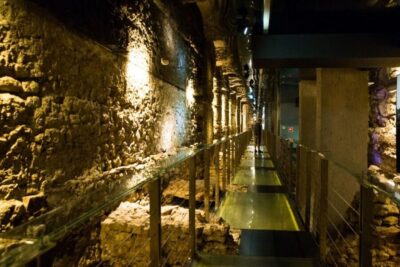
Krakow Schindler’s Factory Museum Guided Tour in English
Read our review →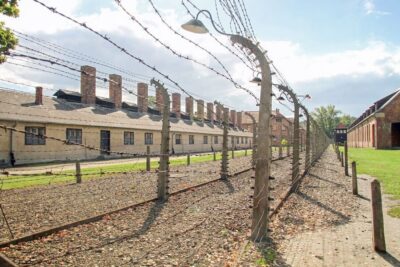
Auschwitz Birkenau Museum Guided Tour with Pickup
Read our review →
Auschwitz Birkenau Museum and Salt Mine All Inclusive DAY TRIP with Local Guides
Read our review →
Chopin Piano Concert at Chopin Gallery with a Glass of Wine
Read our review →Browse the lists this tour appears in