
Reviewed · AUSCHWITZ-BIRKENAU TOURS
Krakow: Auschwitz Birkenau Museum Guided Tour with Pickup
Auschwitz Birkenau is not a sightseeing stop in the usual sense. It is a place of evidence, memory, and hard facts, where barracks, railway ramps, crematorium ruins, and personal belongings help show the scale of Nazi crimes. This seven-hour trip from Krakow gives you time at both Auschwitz I and Auschwitz II-Birkenau, rather than reducing the visit to a quick photo stop.
I like the hotel pickup and drop-off, which removes the headache of reaching a large museum outside Krakow. I also like the small-group minivan option and the clear English guidance, especially since the site is vast and a good explanation helps connect the buildings with the lives of prisoners.
The main drawback is that the day can be tiring and the schedule may change sharply. Some people were told their pickup time had moved from 10am to around 6:15am, while early starts and queues at the museum can make the day feel rushed. Bring patience, sturdy shoes, and warm clothing.
In This Review
- Key points to know before you book
- Why Auschwitz matters before you arrive
- The Krakow pickup and 65-kilometre drive
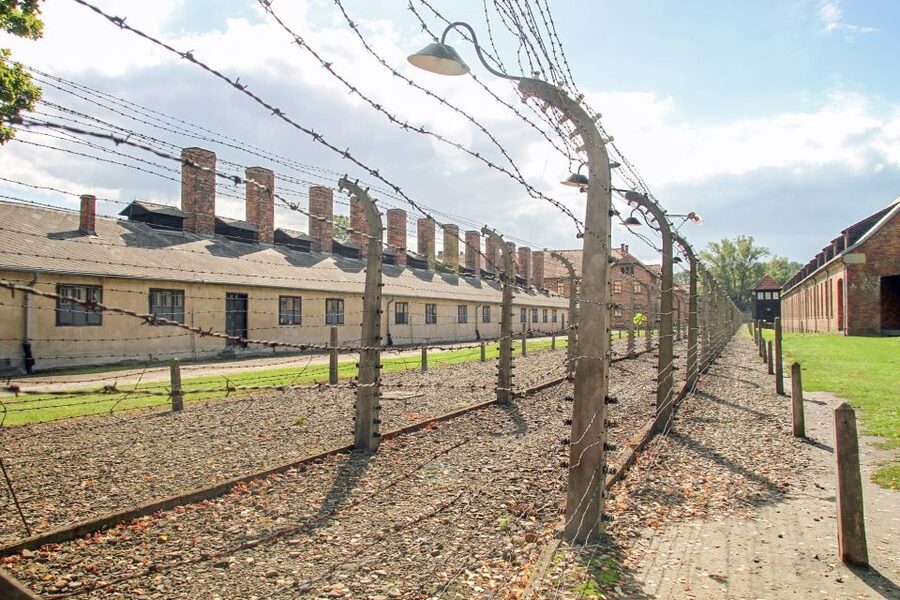
- Auschwitz I, the original camp site
- The railway ramp and vast grounds at Birkenau
- A serious visit, not a fun day out
- Timing, queues, and the early start question
- What the $8 price means for value
- Group size, language, and the guide’s role
- What to bring and what to leave behind
- Who should choose this Auschwitz tour
- Should you book it?
- FAQ
- Where does the tour start?
- How long does the full activity last?
- Which sites are included?
- Is the tour conducted in English?
- What identification do I need?
- Can I bring a large bag or luggage?
Key points to know before you book
- Auschwitz I and Birkenau are both included: You visit the original camp buildings and the much larger Birkenau site.
- The journey takes about 1.5 hours each way: Krakow and the museum are roughly 65 kilometres apart.
- You walk outside for much of the visit: Birkenau is exposed to wind, rain, cold, and uneven ground.
- An English-speaking guide leads the experience: Museum headsets or an audio guide help you hear the commentary.
- Pickup times can change: Confirm the final collection time carefully, especially if you select a later morning option.
- The tour is emotionally demanding: This is a memorial visit, not a light day trip.
Why Auschwitz matters before you arrive
Auschwitz was established in 1941, after the first prisoners were transported there by train. The camp complex expanded over the next four years, eventually including Auschwitz I, Auschwitz II-Birkenau, and Auschwitz III, a forced-labor camp.
Birkenau became the largest part of the complex. It included railway tracks, barracks, gas chambers, and crematoriums. In 1945, Soviet forces liberated the surviving prisoners. Before that, the SS destroyed much of the evidence and many of the facilities used for murder and prisoner experimentation.
That background matters because the site does not explain itself fully. A barracks is only a building until you understand who was forced inside it, how prisoners were treated, and how the camp system operated. The guide’s job is to connect the physical remains with individual lives and the machinery of persecution.
You will see authentic structures and remnants, but not every part of the original complex survives. Some buildings were destroyed, some were dismantled, and others remain only as ruins. That absence is part of the story, since the SS tried to erase proof of what happened.
More Auschwitz-Birkenau memorial visits:
- From Krakow: Auschwitz-Birkenau Guided Tour & Hotel Pickup
★ 4.5 · 33,358 reviews - From Krakow: Auschwitz-Birkenau Guided Tour & Hotel Pickup
★ 4.5 · 29,340 reviews - Krakow: Auschwitz Guided Tour with Optional Hotel Pickup
★ 4.5 · 15,280 reviews
The Krakow pickup and 65-kilometre drive
The advertised meeting point is Straszewskiego 14 in Krakow, though the selected option may provide hotel pickup and drop-off. Check your confirmation carefully. The collection time is important, since departure times may be adjusted to match the museum’s available entry slot.
The drive to Auschwitz takes about 1.5 hours. Transport is by air-conditioned car or minivan, and small-group vehicles are available. The minivan format is useful here because it avoids the feel of a large coach transfer and gives the driver a practical role in managing the day.
Several drivers have been praised for being punctual, clear, and helpful. One driver named Damien arrived early and took the group to a nearby McDonald’s for breakfast rather than leaving everyone sitting in the vehicle. Another driver helped sort out a missing participant and still got the group to the museum on time.
Do not assume every departure will run to the minute. Pickup times have changed, sometimes by several hours, and there have been occasional small delays or confusion at the meeting point. The important thing is to keep your phone available and confirm the final time the day before.
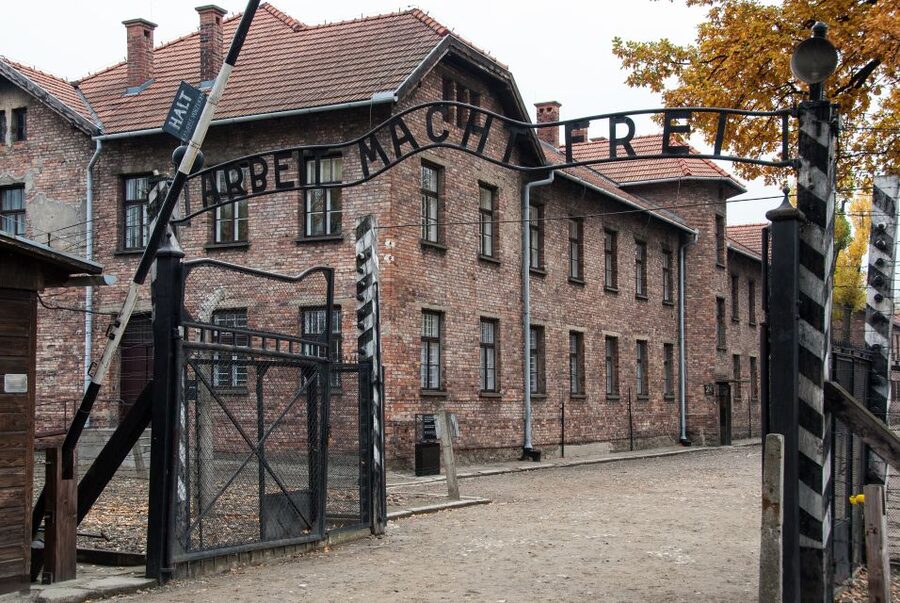
Auschwitz I, the original camp site
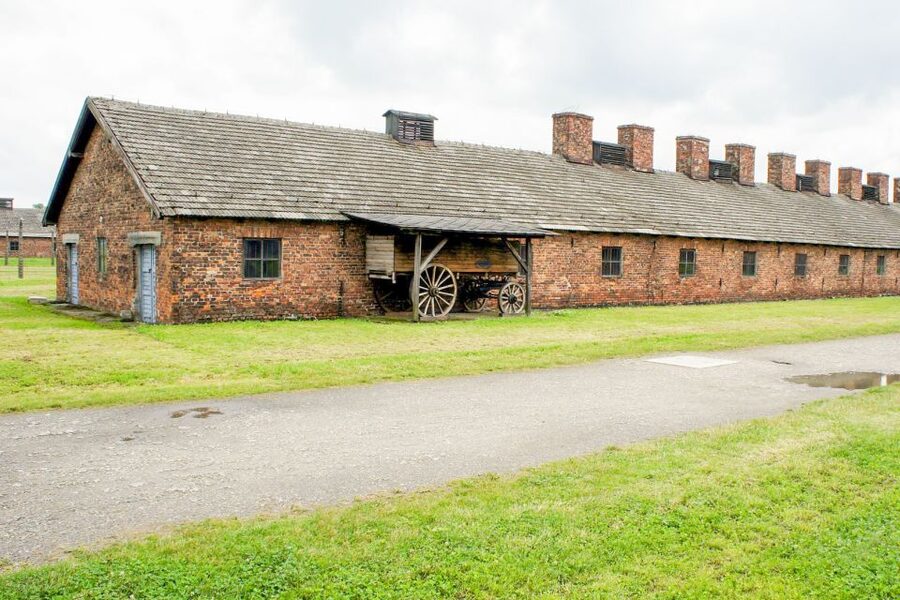
The first main visit is Auschwitz I, usually scheduled for about 2.5 hours. This is the smaller, more built-up section of the complex, with brick barracks and a more formal museum route.
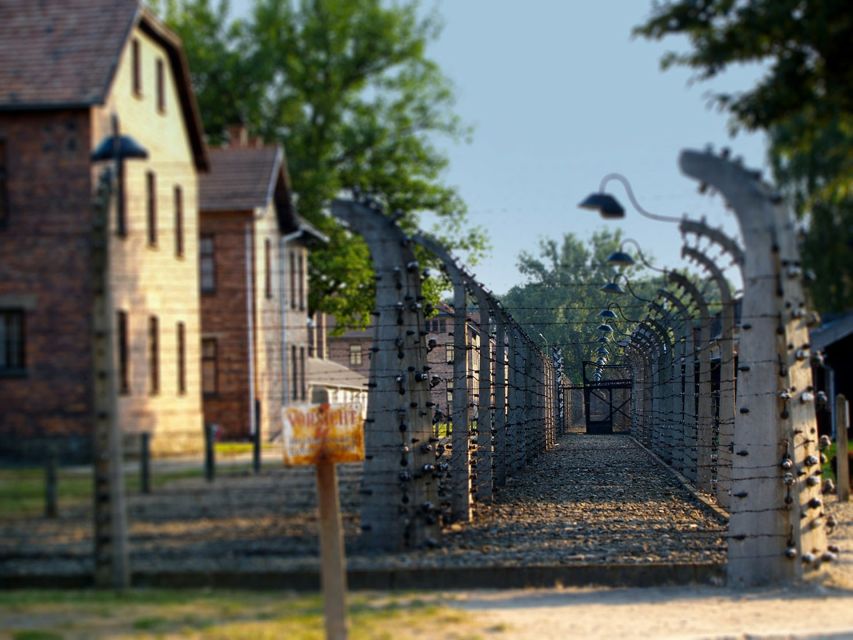
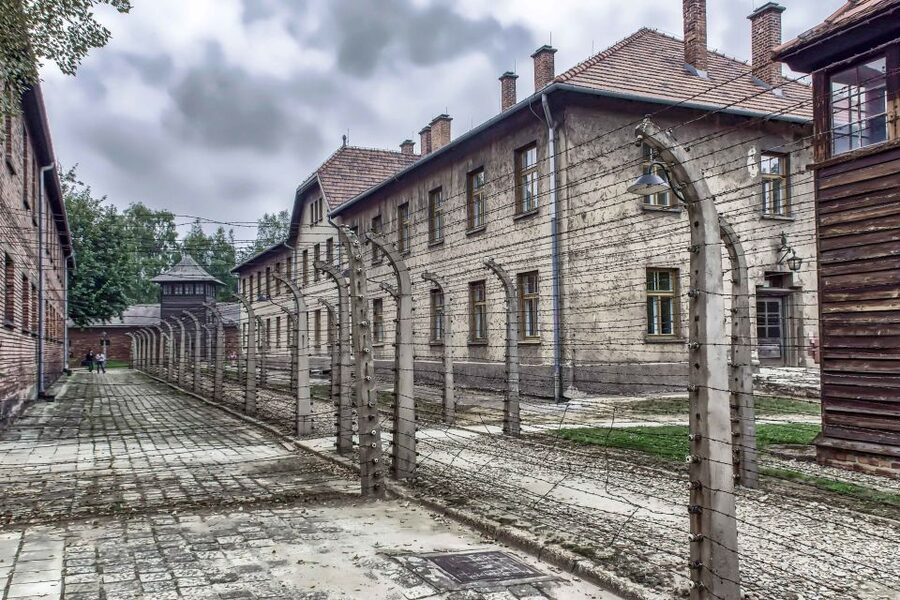
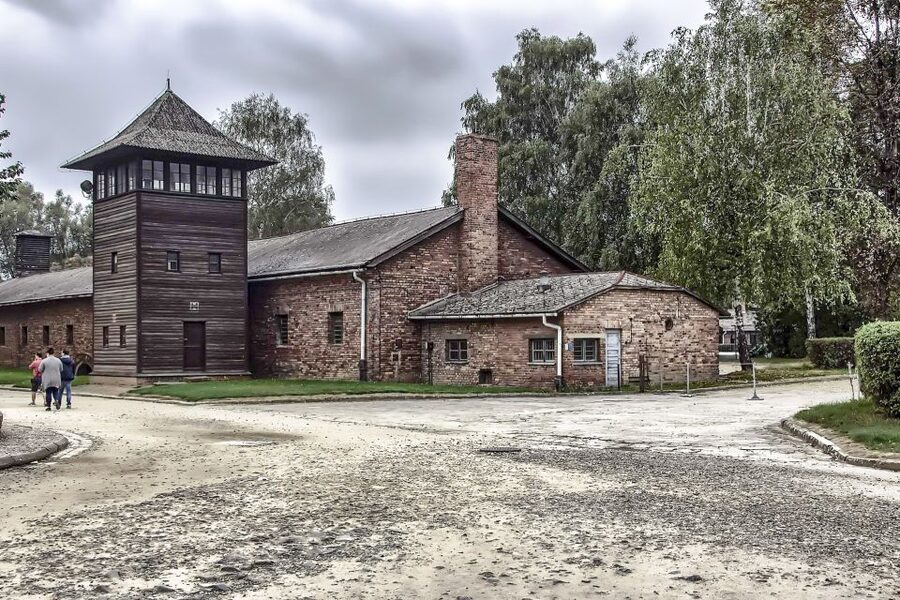
Here, you can expect to see prisoner barracks, watchtowers, camp buildings, and exhibitions containing evidence of the crimes committed there. The displays help show the scale of the deportations and the way prisoners’ identities were reduced to numbers and records.
The buildings can feel deceptively orderly. That is one reason an on-site guide matters. The physical setting does not always match the horror of the events, and spoken explanation supplies the missing context.
The tour uses an English-speaking guide, with headsets or an audio system included so you can hear the commentary. Guides such as Anna, Sofia, and Susannah have been singled out for clear delivery, strong subject knowledge, and respectful presentation. Your assigned guide may be someone else, but the experience depends heavily on who leads your group.
The pace can be brisk. You may stop at important displays, then move on with little time to linger. One practical point is that the first section can involve steps, indoor rooms, and steady walking. You should be prepared to keep moving with the group rather than treating each display as a long independent visit.
There are places to use the toilet and buy food or drinks, but plan ahead. Once the guided portion is under way, you may not have a convenient chance to stop. Bring water if you can, and avoid relying on the vending machines, where a 500-millilitre bottle has been reported at 8 złoty.
The railway ramp and vast grounds at Birkenau
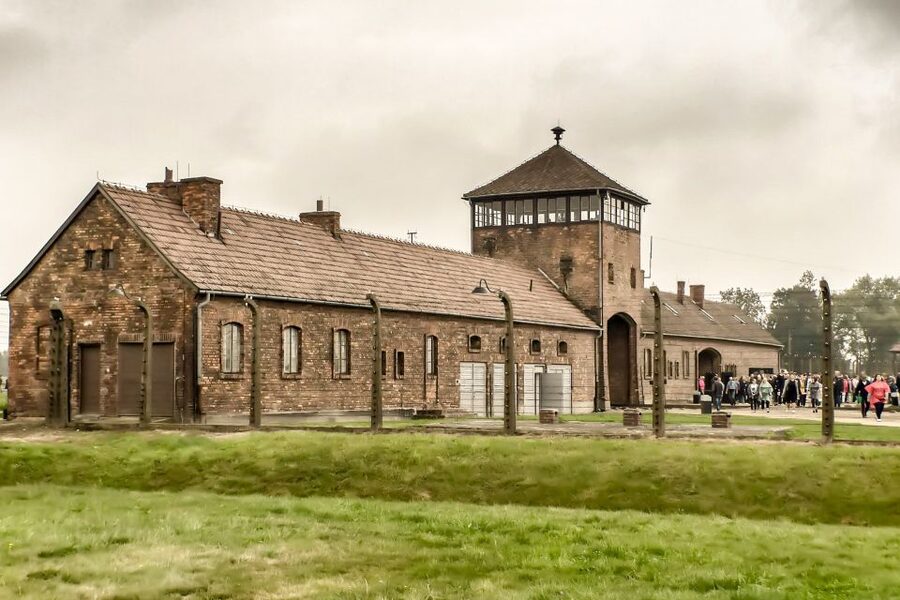
The second visit is Auschwitz II-Birkenau. The itinerary gives about one hour here, although the total time can vary with the museum schedule and group movement. This section is much larger and more open than Auschwitz I.
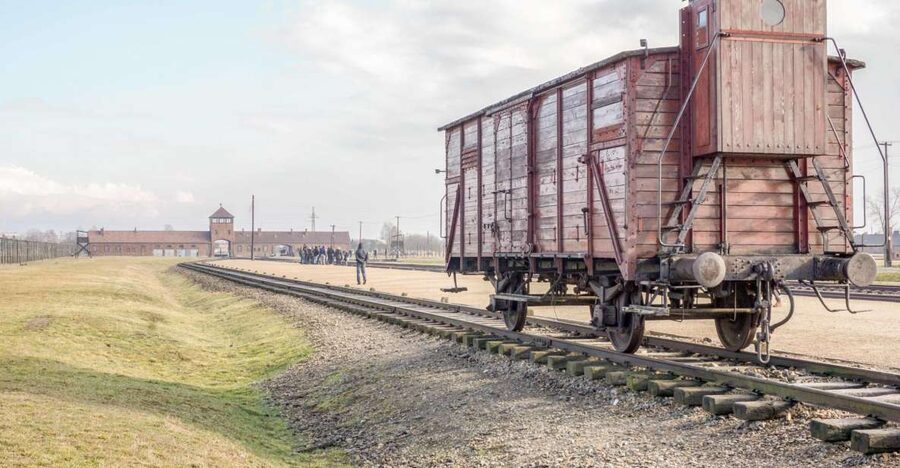
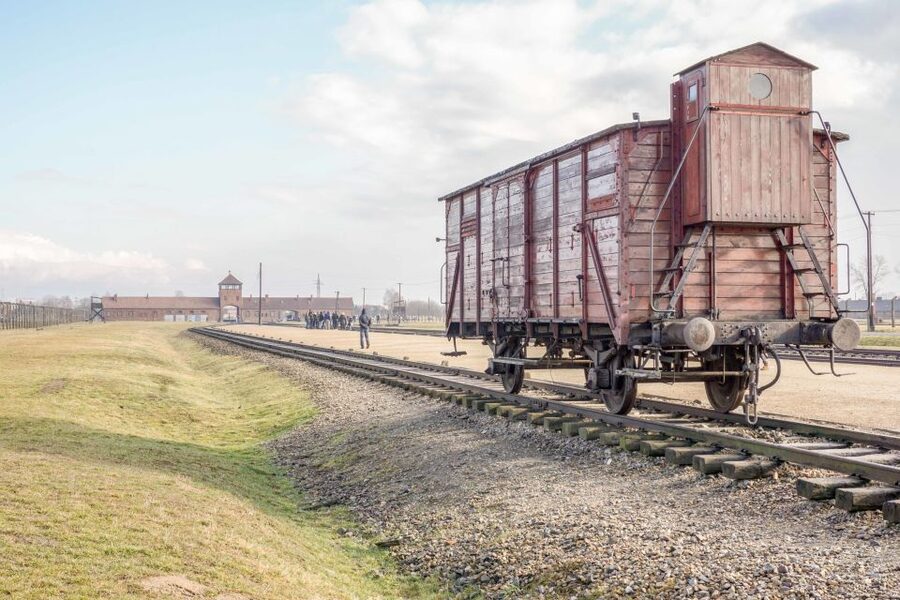
Birkenau is where the scale of the camp becomes difficult to grasp. You can see the railway ramp, watchtowers, barracks, fencing, and the remains of gas chambers and crematoriums. The long views across the site show how extensive the complex was.
This is also the part where clothing and footwear matter most. The ground can be rocky and uneven, and there are steps in parts of the route. Thick-soled, comfortable shoes will make a real difference. In late autumn and winter, wear a hat, scarf, and warm layers because much of the site is exposed to the weather.
The open setting can make Birkenau feel stark and physically demanding. You will be outside for much of the visit, with little shelter between stops. Rain, wind, heat, or cold can change how much energy you have left, so dress for the forecast rather than for the temperature in central Krakow.
The guide explains how the railway system connected with the camp and how prisoners’ daily lives were controlled. You hear about forced labor, abuse, deprivation, and the routine operation of the camp. The value of the guided visit is not only in naming the structures. It is in helping you understand what happened to people who passed through them.
More museums in Krakow:
- Auschwitz-Birkenau Museum and Memorial Guided Tour from Krakow
★ 4.5 · 1,510 reviews - Krakow: Rynek Underground Museum Guided Tour
★ 4.6 · 1,122 reviews - Krakow Schindler’s Factory Museum Guided Tour in English
★ 4.5 · 650 reviews - Museum of illusions Entry Ticket
★ 4.5 · 521 reviews
A serious visit, not a fun day out
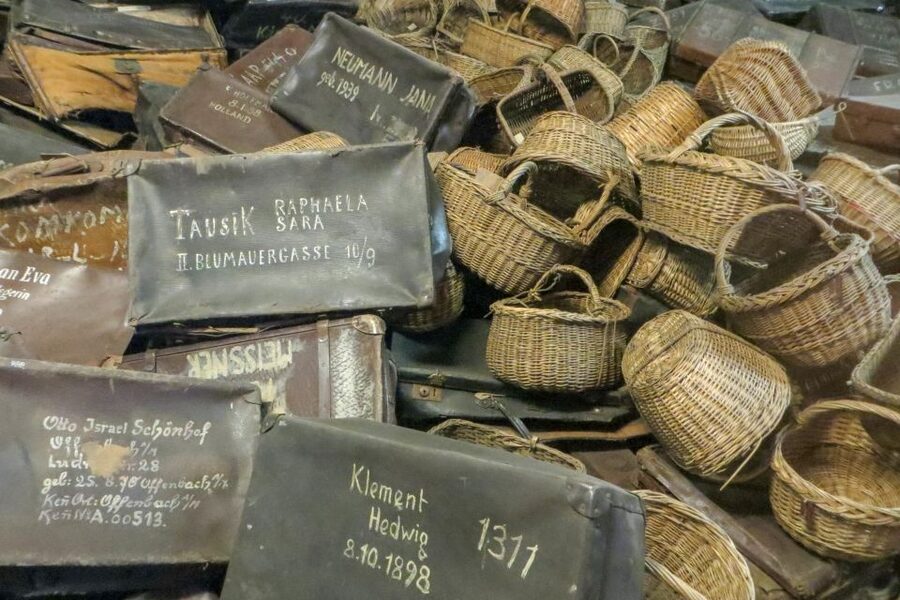
Auschwitz should be approached with care. The experience is moving and, for many people, emotionally draining. You may see personal evidence of the people who were imprisoned and murdered there, along with places where mass killings took place.
The guides are expected to present the subject with respect, and the strongest examples from this experience do just that. Susannah, Anna, and Sofia have each been praised for a calm, sensitive approach and for explaining difficult material clearly in English.
You should not expect a slow, private memorial visit. The museum receives many people, and the organization around entry, security, and group movement can feel busy. Queues and waiting are possible, even when your transport is well managed.
That contrast is worth understanding before you book. Your driver may be excellent at getting you through the site entrance, but museum operations are separate from the road transfer. A good driver can reduce confusion, yet cannot control every queue or entry delay.
Timing, queues, and the early start question
The full experience lasts about seven hours, including the two road journeys. The official schedule gives roughly 2.5 hours at Auschwitz I and one hour at Birkenau, followed by the return drive to Krakow.
A very early pickup may be offered to match an early museum entry. Some groups have been collected around 4am or 6:15am, even when a later time had originally been selected. That can be frustrating, especially after a late evening in Krakow.
There is a practical benefit to going early. You may return to Krakow around lunchtime, leaving part of the afternoon for the Old Town, Wawel Castle, or a quiet meal. An early start can also help you avoid some later congestion, though you should not treat it as a guarantee of a queue-free visit.
If the final pickup time changes, decide if the new schedule still works for you before setting aside the day. Since museum tickets require exact participant details and are non-refundable, last-minute changes are not easy to undo.
What the $8 price means for value
The stated price of $8 per person is unusually low for a seven-hour outing that includes transport, museum entry, an English-speaking guide, and hotel pickup and drop-off. At that rate, the value looks strong if the booking is available at the advertised price.
Still, price can vary based on availability and how close you book. A higher last-minute price has been noted, so compare the final total rather than relying only on the headline figure.
You are paying for convenience as much as transport. Reaching Auschwitz independently would still require arranging the trip from Krakow, securing museum admission, finding the correct entrance, and managing the transfer between Auschwitz I and Birkenau. This package puts those pieces together.
The value is strongest if you want a simple, guided day and do not want to organize separate tickets. It is less suitable if you prefer to set your own pace, spend long periods at individual displays, or leave the site whenever you wish.
Group size, language, and the guide’s role
The tour is conducted in English, with a live guide and an English audio guide included. A small group is available, and the minivan format may suit you if you prefer a more personal transfer than a large bus.
The guide is central to the visit. Auschwitz is full of buildings, fences, photographs, and ruins, but the meaning behind them is not always obvious. A strong guide tells the story in order and answers questions when possible.
Some guides move quickly to keep the schedule. If you want to ask something, do so at a suitable pause rather than waiting until the end. Headsets are especially useful when the group is spread out or standing outside.
The best guide style here is factual, measured, and respectful. You do not need theatrical storytelling. You need clear context, accurate detail, and enough time to understand what you are seeing. This tour has received praise for that approach, but the pace and guide may vary by departure.
What to bring and what to leave behind
Bring your passport or ID card. The memorial and museum require the full name and contact details of every participant, and the name on your booking must match the identification document presented at entry.
Wear comfortable shoes with firm soles. You will walk for several hours, and Birkenau can be rough underfoot. Bring weather-appropriate clothing, including warm layers in colder months and protection from rain or wind.
Large luggage and large bags are not allowed. If you normally carry a standard-size rucksack, check its size before leaving. A small bag is the safer choice.
Alcohol, drugs, and pets are not permitted. Carry water and use the facilities before the guided route begins, since stops may not be convenient once the group is moving.
A valid student ID can qualify you for a youth discount. Check that your documentation is accepted before booking if you plan to use this option.
Who should choose this Auschwitz tour
I would choose this trip if you are staying in Krakow and want both camp sites covered in one organized day. It suits first-time visitors who want an English explanation, help with transport, and a clear route through a difficult place.
It is also a good match if you value a small vehicle, hotel collection, and a driver who handles the practical details. The ride takes a long time, but you do not need to plan the road journey or find your way between the two museum sites.
You may prefer another arrangement if you need a guaranteed late-morning departure, dislike strict schedules, or want a great deal of time alone. The possible pickup changes are the largest practical concern, and the guided route can feel fast.
Do not combine this with another major excursion on the same day. The visit itself is physically long and emotionally serious. Giving Auschwitz the whole day allows you to pay attention rather than race back for another attraction.
Should you book it?
Book this tour if you want an efficient, guided visit to Auschwitz I and Birkenau from Krakow, with transport and admission handled together. The strongest parts are the helpful drivers, English guidance, small-group option, and access to both sites.
Before paying, make sure every participant’s name matches their passport or ID. Confirm the pickup point and final collection time, and accept that the schedule may begin much earlier than expected.
I would recommend it for convenience and value, provided you are comfortable with a fixed route and a potentially early start. Visit with sturdy shoes, a small bag, water, and the right frame of mind. This is a place to remember, not a casual day out.
FAQ
Where does the tour start?
The listed meeting point is Straszewskiego 14 in Krakow. Depending on the option selected, pickup may also be arranged from your hotel.
How long does the full activity last?
The activity lasts about seven hours, including approximately 1.5 hours of travel each way between Krakow and Auschwitz.
Which sites are included?
The tour includes guided visits to Auschwitz I and Auschwitz II-Birkenau. You can expect to see barracks, watchtowers, railway ramps, gas chamber remains, and crematorium remains.
Is the tour conducted in English?
Yes. The activity includes a live English-speaking guide and an English audio guide.
What identification do I need?
You must bring a passport or ID card. Your name must match the full name provided during booking, or entry may be refused.
Can I bring a large bag or luggage?
No. Luggage and large bags are not allowed. Bring only a small bag, comfortable shoes, and clothing suited to the weather.
Just added around Krakow
- Private Guided Tour: Oskar Schindler’s Factory★ 5.0 · 3 reviews
- E-Scooter Krakow sightseeing tour★ 5.0 · 3 reviews
- Schindler’s Factory, Ghetto and Plaszow Camp Guided Tour★ 4.7 · 3 reviews
- From Krakow: Zakopane and Thermal Pools Guided Trip★ 5.0 · 3 reviews
- Kraków: Private Hot Air Balloon Flight with Champagne★ 3.7 · 3 reviews
- Krakow: River Cruise & Guided Visit to Former Plaszow Camp★ 3.6 · 3 reviews
- From Krakow: Private Wieliczka Salt Mine Tour★ 4.0 · 3 reviews
- Krakow: Old Town short walk with St. Mary’s Basilica visit★ 5.0 · 3 reviews
Auschwitz-Birkenau Tours, compared.

Auschwitz-Birkenau Guided Tour & Hotel Pickup
Read our review →Auschwitz-Birkenau Guided Tour & Hotel Pickup
Read our review →
Auschwitz Guided Tour with Optional Hotel Pickup
Read our review →
Auschwitz-Birkenau Guided Tour with Pickup & Lunch
Read our review →
Auschwitz-Birkenau Guided Tour Pickup/Lunch Options
Read our review →

Krakow to Auschwitz Birkenau Guided Tour with Transfer and Ticket
Read our review →
Browse the lists this tour appears in