
Reviewed · AUSCHWITZ-BIRKENAU TOURS
Auschwitz Birkenau Tour with Pickup and Lunch
Auschwitz-Birkenau is not a sightseeing stop you simply check off. You walk through the gate at Auschwitz I, see the surviving barracks and gas chamber, then reach Birkenau, a site roughly 25 times larger. The scale shifts the visit from a museum lesson to a direct encounter with the machinery of mass murder.
I like two practical things here: transport from Krakow is included, and the supplied headsets help you follow the museum guide in a group. The lunch box is also useful on a long day. The main caution is timing. Pickup hours may change at short notice, and the pace can be hard for anyone who walks slowly or uses a mobility scooter.
In This Review
- Key points to know before booking
- Why this visit is different from an ordinary museum tour
- From Krakow to the camp entrance
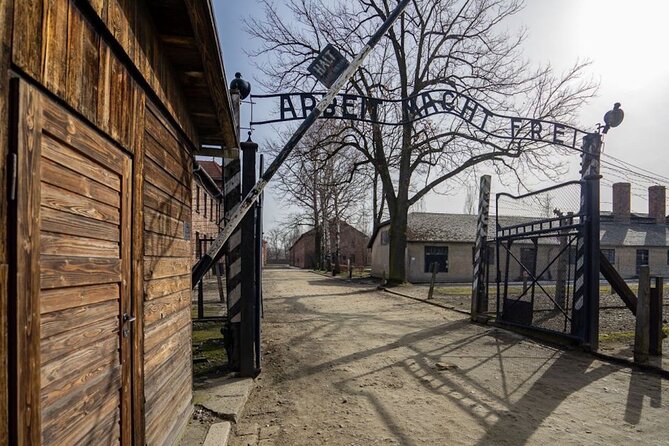
- Auschwitz I and the gate with Arbeit Macht Frei
- The short transfer to Birkenau
- What the guide and headsets add
- Lunch, breaks, and the long middle of the day
- Is the $71.08 price fair?
- Who should choose this Auschwitz tour?
- Booking advice for a more respectful, smoother day
- Should you book it?
- FAQ
- How long does the Auschwitz-Birkenau tour take?
- Is transport from Krakow included?
- Will the vehicle stop directly at my hotel?
- Is the tour offered in English?
- Is lunch included?
- Are vegetarian and vegan lunches available?
- Which places do I visit?
- Are headsets provided?
- Can children join the tour?
- Can I cancel for a full refund?
Key points to know before booking
- Two camps, one difficult lesson: You visit Auschwitz I and the much larger Birkenau site in the same outing.
- A four to seven-hour commitment: Allow most of a day, including the drive from Krakow and the museum visit.
- Museum guides lead the history: The guide at the camps works for the Auschwitz Museum, while the tour leader handles transport and practical details.
- Lunch is simple and packed: You receive two sandwiches, an apple, a wafer, water, tissues, and a paper bag, with meat, vegetarian, and vegan choices.
- Pickup is not always door to door: A hotel pickup may require a short walk to a bus-friendly meeting point, and exact timing arrives the day before.
- Walking and weather matter: Expect a brisk pace over a large site, with limited comfort if rain, heat, or mobility concerns affect your day.
Why this visit is different from an ordinary museum tour
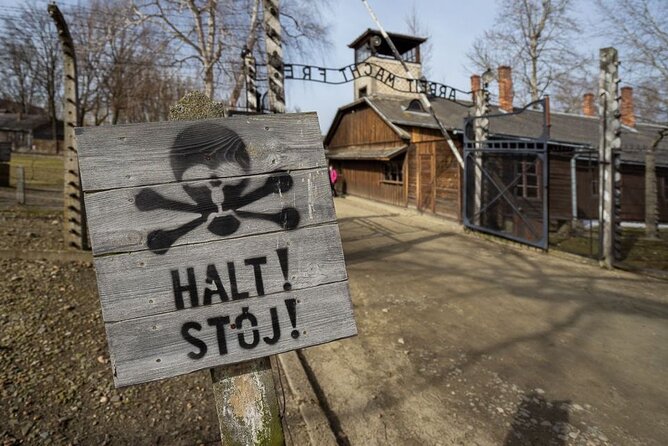
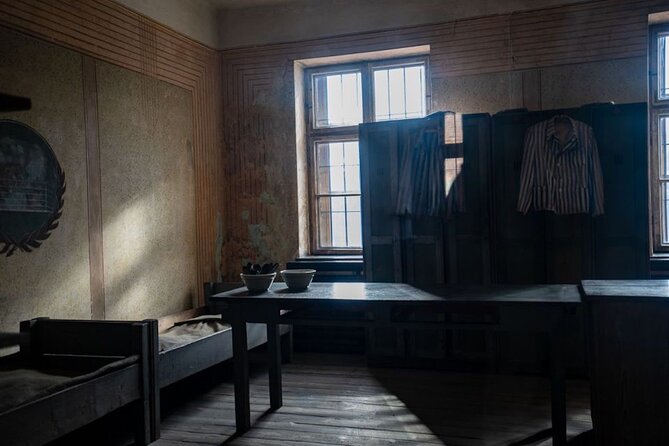
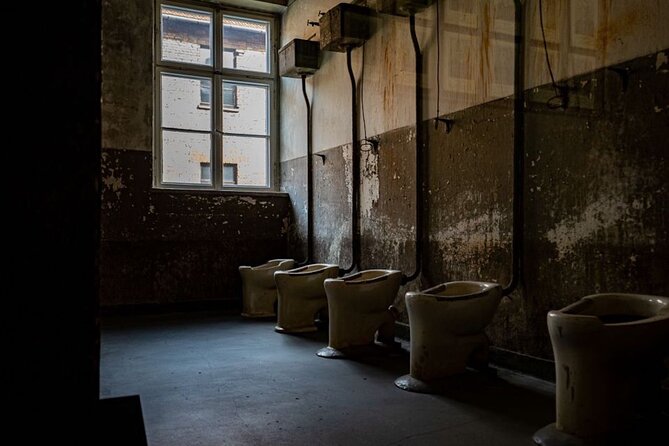
The power of Auschwitz-Birkenau comes from its physical scale and plain appearance. At Auschwitz I, the brick barracks and orderly paths can look almost calm at first glance. Then the details accumulate: the prison blocks, photographs, personal belongings, cramped cells, and the preserved gas chamber.
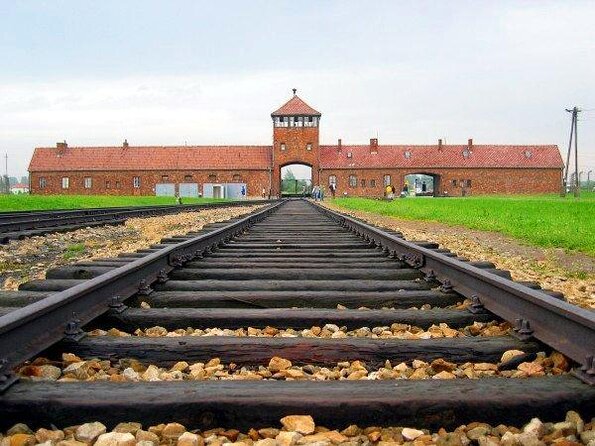
Birkenau changes the feeling again. Its open ground, long rows of barracks, railway entrance, and broken remains of killing facilities show how large the camp system became. You do not need dramatic presentation to understand the horror. The empty space does much of the work.
This outing is conducted in a serious tone. Guides such as Magdalena, Marcin, and Evalina have been praised for clear explanations, compassion, and respect for the subject. You may not receive one of those specific guides, but the key point is that the museum guide, not the minivan driver, leads the historical portion.
The tour is offered in English and has a maximum group size of 30. In practice, the museum group may be around 20 people, though your transport group and walking group can differ. The headsets are important because the guide may speak while the group is moving, and the grounds are too large for everyone to remain close.
More Auschwitz-Birkenau memorial visits:
- From Krakow: Auschwitz-Birkenau Guided Tour & Hotel Pickup
★ 4.5 · 33,358 reviews - From Krakow: Auschwitz-Birkenau Guided Tour & Hotel Pickup
★ 4.5 · 29,340 reviews - Krakow: Auschwitz Guided Tour with Optional Hotel Pickup
★ 4.5 · 15,280 reviews
From Krakow to the camp entrance
The drive from Krakow is part of the time commitment. The advertised duration is about four to seven hours, depending on the museum schedule, transport, and the amount of time spent at each section. Pickup and drop-off are included if you choose that option, and transport is by air-conditioned minivan.
The exact pickup time is normally sent the day before. This is worth taking seriously. Museum admission times control much of the schedule, and some departures have been moved from morning to early afternoon with less than 24 hours of notice. A change from 9 or 10 in the morning to around 1 p.m. can disrupt a full day of Krakow plans.
Hotel pickup also needs careful reading. The vehicle may not be able to stop directly outside your hotel. One arrangement required a guest to walk about 300 meters to a place where the bus could park. That is not a major problem for most people, but it matters if you have luggage, limited mobility, or a tight schedule.
The minivan experience has been mostly comfortable, especially when the vehicle is not full. One account described a small group of only three passengers, while the museum walking group later grew to about 20. Still, vehicle comfort can vary. If you are pregnant or have back and shoulder problems, ask in advance about seating and transport arrangements rather than assuming every minivan offers generous legroom.
Basic safety should be nonnegotiable on any road trip. A serious complaint described a driver using a phone while driving. The operator apologized and asked for photographs, but that does not erase the concern. If anything like this occurs, report it immediately to the tour leader and company.
Auschwitz I and the gate with Arbeit Macht Frei
The first camp is officially known as KL Auschwitz I. You enter through the iron gate carrying the notorious phrase Arbeit Macht Frei, then follow the museum route through the former camp.
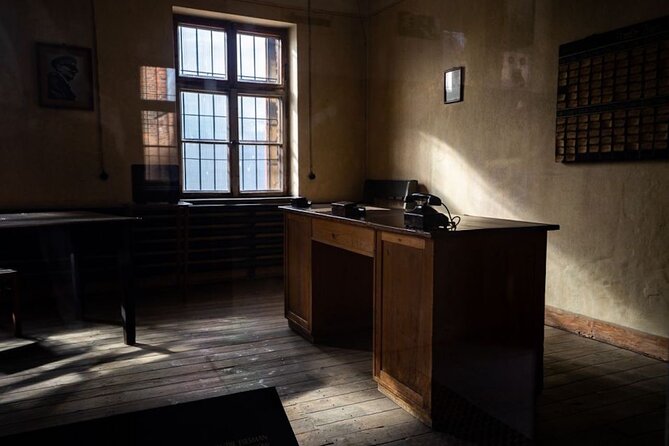
The brick barracks here contain the most concentrated part of the indoor museum experience. Exhibits document the people imprisoned and murdered by the Nazi regime, using photographs, objects, and preserved rooms. The effect is not built around a single dramatic display. It comes from seeing how ordinary buildings were used for organized cruelty.
Block 11 is especially grim. Known as the prison within the prison, it held punishment rooms and cells, including dark and standing cells. The first attempts to kill people with Zyklon B took place here. You need time to process this section, but the group pace may not always allow much private reflection.
At the end of the Auschwitz I visit, you see the only preserved crematorium and gas chamber at the site. This is one of the moments when the guide’s tone and pacing matter most. The subject calls for precision and restraint, not theatrical storytelling.
The museum guide may start speaking before every person has caught up. That creates a practical problem even when the information is strong. Use the headset, stay alert to the group’s movement, and tell the tour leader if you cannot hear or see the guide. Some people found the pace too quick, especially when the guide moved ahead before the whole group assembled.
The short transfer to Birkenau
After Auschwitz I, the minivan takes you to Auschwitz II Birkenau. This transfer is brief compared with the Krakow drive, but it marks a major change in the visit.
Birkenau was about 25 times larger than Auschwitz I and became the largest of the Nazi death camps. More than 1,100,000 people were murdered there. The size is difficult to grasp from photographs. Walking through the entrance and looking along the railway line gives you a clearer sense of the camp’s reach and purpose.
The site is more exposed than Auschwitz I. You may be walking over uneven ground, in rain, cold, or strong sun. One person described heavy rain making an already emotional visit harder. Wear practical shoes and clothing suited to the forecast. The supplied information does not promise special weather protection or seating, so plan for a demanding outdoor section.
Birkenau is also where the walking issue becomes most important. The route is long, and the guide may keep a steady pace to stay on schedule. If you are not a quick walker, position yourself where you can remain close enough for the headset signal and tell the tour leader early.
For a person using a mobility scooter, do not rely on a general assurance that accessibility will be fine. One group found the museum route disappointing because the guide moved too far ahead, while another report described difficulty keeping up. Give detailed mobility information before departure, including the scooter’s size and whether you need help with steps, surfaces, or vehicle loading.
The tour ends with time at the memorial to honor the victims of the Nazi genocide. This is not a place for hurried group chatter or casual photographs. You will get more from the visit if you treat the final moments as quiet time, even if the schedule is tight.
A few more Krakow trips worth comparing
- Krakow: Auschwitz-Birkenau Guided Tour with Pickup & Lunch
★ 4.5 · 9,800 reviews - Krakow: Auschwitz-Birkenau Guided Tour Pickup/Lunch Options
★ 4.5 · 9,057 reviews - Krakow: Auschwitz Guided Tour with Pickup and Optional Lunch
★ 4.4 · 2,649 reviews - Krakow: Auschwitz-Birkenau & Wieliczka Salt Mine with Lunch
★ 4.1 · 214 reviews
What the guide and headsets add
The museum guide is the heart of the experience. The transport company gets you there, but the historical explanation comes from a guide working for the Auschwitz Museum. Several guides have been singled out for clear English, strong command of the subject, and a fitting sense of compassion.
Marcin was described as both informed and empathetic. Magdalena was praised for excellent English and careful explanations across both Auschwitz I and Birkenau. Evalina was noted for treating the visit with the dignity and seriousness it requires. These comments point to the strongest part of the tour: when the guide brings order and context to a place that can otherwise feel overwhelming.
The headsets are a real help. You can hear the guide without standing shoulder to shoulder with the group, and you can look at the exhibits while listening. There is a catch: the signal may weaken if you fall too far behind. Stay within sight of the guide and do not assume you can wander off and still hear every explanation.
Language is another detail to confirm. This experience is offered in English. One unhappy participant reported being placed with a French-speaking guide and could not understand the commentary. That may have been an unusual scheduling error, but if English is essential, confirm the language with the operator before you leave Krakow.
The minivan tour leader is not necessarily the historical guide. The leader’s job is to manage pickup, tickets, transport, and timing. If that person says little during the drive, it may be because the museum guide joins at the camp. Understanding this division prevents an avoidable mismatch between expectations and the actual format.
Lunch, breaks, and the long middle of the day
The lunch box is practical rather than memorable. It includes two sandwiches, an apple, a dark chocolate wafer, a 500-milliliter bottle of still mineral water, tissues, and a paper bag. You can choose a meat, vegetarian, or vegan version.
Some people found the lunch tasty and just right for the day. Others complained about stale bread and threw the sandwiches away. The safest way to view it is as basic fuel, not a meal you are booking for its culinary appeal. If you have dietary needs beyond the listed choices, ask before departure.
Timing is the larger issue. The lunch may be handed out at different points in the day, and one person did not receive it until asking. The scheduled break after Auschwitz I has sometimes been only about 10 minutes. That may be enough to eat quickly, but it leaves little room for a toilet stop or a quiet pause.
Food and drink are not allowed inside the museum areas or on the minivan, according to the practical arrangements described for this tour. That can create a long gap between drinks, especially when a late pickup pushes the whole schedule back. Take water at the permitted times, and tell the tour leader if you have a medical need for regular hydration.
The lunch box is still a useful inclusion at $71.08 per person. You do not need to search for food during a tightly scheduled day, and the package includes a drink and snack. Just keep your expectations modest and do not count on a long sit-down lunch.
Is the $71.08 price fair?
For $71.08, you are paying for more than admission. The price includes the TripAdvisor Experiences brokerage fee, a professional museum guide, headsets, air-conditioned minivan transport, hotel pickup if selected, drop-off, and the packed lunch. That is reasonable if you value a single booking that handles the long trip from Krakow.
The value drops if the pickup arrangement changes, the departure moves by several hours, or you are charged extra for a hotel transfer you thought was included. The wording around pickup and designated meeting points deserves close attention. In some cases, the included service meant meeting the vehicle nearby rather than directly outside the hotel.
The overall rating is 3.8 from 70 ratings, which fits the pattern here. The historical visit itself receives the warmest praise. The weak points are transport delays, late schedule changes, unclear pickup details, the basic lunch, and occasional problems with accessibility or communication.
I would compare this package with a museum-only option and with other transport tours before booking. You may pay more here than for admission alone, but you gain convenience and a prearranged ride. You are also accepting less control over the day.
Who should choose this Auschwitz tour?
This outing suits you if you want a straightforward way to reach Auschwitz-Birkenau from Krakow without arranging separate transport. It also works well if you want an official museum guide and prefer a planned visit over finding your way between two large sites.
It is a good fit for an English-speaking adult who can walk at a steady pace, tolerate a long day, and accept that the subject matter is painful. The guided format gives you context that would be difficult to gather on your own in a limited visit.
You may want another arrangement if your Krakow schedule is tight or you have an important booking later that day. The museum controls much of the timetable, and last-minute changes have caused missed plans and, in some cases, missed tours.
You should also think carefully about this option if you use a mobility scooter, need frequent breaks, are pregnant, or require a specific vehicle seat. Contact the operator with precise needs before paying. Do not assume that hotel pickup means curbside pickup or that a large outdoor memorial site will be easy to navigate.
Booking advice for a more respectful, smoother day
Keep your Krakow schedule light on the day of the visit. A four-hour estimate is possible, but the stated range reaches seven hours, and delays can push the outing into much of the day.
Check the message sent the day before for the exact pickup time and location. If it differs from what you expected, resolve it before morning. Ask if the vehicle will stop at your hotel or at a nearby meeting point, and get clear instructions in writing.
Wear shoes for prolonged walking and bring weather-appropriate clothing. The visit includes indoor barracks, open camp grounds, and a large memorial area. Keep personal items manageable, since you will be moving with a group rather than settling in one place.
Treat the lunch as a convenience. If you need special food, more water, or extra snacks, ask what is allowed and when you can use them. Do not plan on a leisurely meal between the two camps.
Finally, give the site your full attention. This is not a quick photo stop. The most meaningful part of the tour is the combination of historical explanation and physical place, and that requires patience, quiet, and a willingness to move at the museum’s pace.
Should you book it?
I would book this tour if your priority is convenience from Krakow, a museum-led explanation, and one package covering transport, headsets, admission arrangements, and a simple lunch. The Auschwitz-Birkenau visit itself is important, carefully guided, and emotionally unforgettable.
I would not book it without checking the pickup terms and schedule flexibility. The strongest parts are the museum guides, the two-site route, and the practical transport. The biggest risks are late time changes, rushed walking, uncertain hotel access, and uneven handling of mobility needs.
For most able-bodied visitors with an open day in Krakow, this is a fair-value way to reach the memorial. Go in prepared for a serious, physically demanding visit, and confirm every transport detail before you set out.
FAQ
How long does the Auschwitz-Birkenau tour take?
The experience lasts approximately four to seven hours. The total time includes transport from Krakow, the visits to Auschwitz I and Birkenau, and the return journey.
Is transport from Krakow included?
Round-trip transport by air-conditioned minivan is included. Hotel pickup is included if you choose that option, and pickup and drop-off may also use designated meeting points.
Will the vehicle stop directly at my hotel?
Not always. Some hotels do not have space for a minivan or bus, so you may need to walk to a nearby meeting point. Exact pickup details are sent the day before.
Is the tour offered in English?
Yes. The experience is offered in English. The supplied information also advises confirming the language if English commentary is essential.
Is lunch included?
Yes. The lunch box contains two sandwiches, an apple, a dark chocolate wafer, 500 milliliters of still mineral water, tissues, and a paper bag.
Are vegetarian and vegan lunches available?
Yes. Meat, vegetarian, and vegan lunch options are available.
Which places do I visit?
You visit KL Auschwitz I, including the barracks, Block 11, the preserved crematorium and gas chamber, then continue to KL Auschwitz II Birkenau and its memorial.
Are headsets provided?
Yes. Headsets are provided so you can hear the guide clearly. The signal may be lost if you walk too far behind the group.
Can children join the tour?
Yes, but children must be accompanied by an adult. The activity states that most people can participate and that the maximum group size is 30.
Can I cancel for a full refund?
You can cancel at least 24 hours before the experience start time for a full refund. Changes or cancellations made less than 24 hours in advance are not accepted for a refund.
Just added around Krakow
- Private Guided Tour: Oskar Schindler’s Factory★ 5.0 · 3 reviews
- E-Scooter Krakow sightseeing tour★ 5.0 · 3 reviews
- Schindler’s Factory, Ghetto and Plaszow Camp Guided Tour★ 4.7 · 3 reviews
- From Krakow: Zakopane and Thermal Pools Guided Trip★ 5.0 · 3 reviews
- Kraków: Private Hot Air Balloon Flight with Champagne★ 3.7 · 3 reviews
- Krakow: River Cruise & Guided Visit to Former Plaszow Camp★ 3.6 · 3 reviews
- From Krakow: Private Wieliczka Salt Mine Tour★ 4.0 · 3 reviews
- Krakow: Old Town short walk with St. Mary’s Basilica visit★ 5.0 · 3 reviews
Auschwitz-Birkenau Tours, compared.

Auschwitz-Birkenau Guided Tour & Hotel Pickup
Read our review →Auschwitz-Birkenau Guided Tour & Hotel Pickup
Read our review →
Auschwitz Guided Tour with Optional Hotel Pickup
Read our review →
Auschwitz-Birkenau Guided Tour with Pickup & Lunch
Read our review →
Auschwitz-Birkenau Guided Tour Pickup/Lunch Options
Read our review →

Krakow to Auschwitz Birkenau Guided Tour with Transfer and Ticket
Read our review →
Browse the lists this tour appears in