
Reviewed · AUSCHWITZ-BIRKENAU TOURS
Auschwitz-Birkenau & Wieliczka in one day (Guided tour)
Auschwitz-Birkenau and Wieliczka Salt Mine make a powerful, surprising pair: one confronts the machinery of Nazi murder, while the other reveals an underground world shaped by centuries of salt mining. This 10 to 11-hour day from Krakow covers both without making you arrange trains, tickets, or transfers.
I like the door-to-door pickup and the way the day uses time well. I also like having an official guide at Auschwitz and another guide at the salt mine, rather than being left to figure out two major sites alone. The main drawback is simple: this is an exhausting schedule, with long drives, extensive walking, and very little room for an unplanned pause.
In This Review
- Key points to know before booking
- Why these two places belong on one difficult day
- The morning drive to Auschwitz-Birkenau
- Entering Auschwitz I and facing the evidence
- Birkenau, open space, and changing weather
- The break between the memorial and the mine
- Going underground at Wieliczka Salt Mine
- Guides, group size, and the value of a package tour
- The schedule is efficient, but not gentle
- Small details that make the day easier
- Should you book this Krakow day trip?
- FAQ
- How long does the Auschwitz-Birkenau and Wieliczka tour take?
- Is hotel pickup included in Krakow?
- Are entrance fees included?
- How much walking is involved?
- What is the temperature inside Wieliczka Salt Mine?
- Can children join the tour?
Key points to know before booking
- Auschwitz comes first: Spend about three hours at the former camp, including Auschwitz I and Birkenau, with an official museum guide.
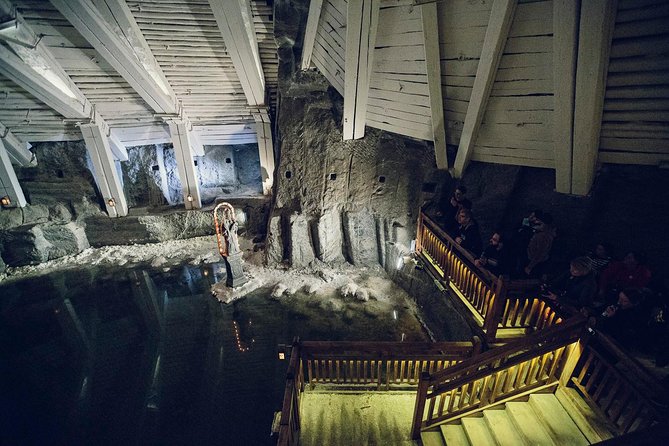
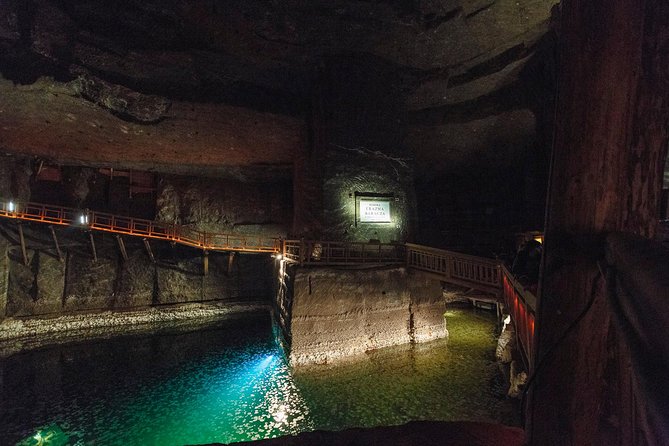
- The salt mine is a different kind of spectacle: Expect carved salt chapels, sculptures, tunnels, and saline lakes, reached by several hundred steps.
- Hotel pickup is included: Give the operator your exact accommodation address, then confirm the pickup time and final drop-off plan.
- Plan for a full physical day: Uneven paths, outdoor walking at Birkenau, stairs underground, and roughly two to three hours at the mine all add up.
- The $156 price can be fair for convenience: Transport, admissions, guides, WiFi, and taxes are included in the stated price, but confirm the salt mine admission before departure because some arrangements have required an extra payment.
- This is best for older children and adults: Auschwitz is not recommended for children under 14, and the mine is not suitable for people uncomfortable in enclosed spaces.
Why these two places belong on one difficult day
Auschwitz-Birkenau is not a sightseeing stop in the usual sense. It is a memorial to the people murdered and imprisoned there, and the visit asks for attention, quiet, and emotional readiness.
Wieliczka, by contrast, is visually astonishing. Its underground chambers, salt sculptures, chapels, and lakes offer a striking change of mood after the morning. That contrast helps explain why the pairing works, although you may feel too tired to appreciate the mine fully after Auschwitz.
The combination also makes practical sense if you have only a short stay in Krakow. Auschwitz lies less than 70 kilometers from the city, while Wieliczka is closer to Krakow, but arranging both independently in one day would require careful timing and separate tickets. A guided vehicle takes care of the awkward connections.
More Auschwitz-Birkenau memorial visits:
- From Krakow: Auschwitz-Birkenau Guided Tour & Hotel Pickup
★ 4.5 · 33,358 reviews - From Krakow: Auschwitz-Birkenau Guided Tour & Hotel Pickup
★ 4.5 · 29,340 reviews - Krakow: Auschwitz Guided Tour with Optional Hotel Pickup
★ 4.5 · 15,280 reviews
The morning drive to Auschwitz-Birkenau
Pickup is offered from your hotel, hostel, apartment, or other accommodation address in Krakow. The advertised start time is 9:00 a.m., but actual pickup times can vary. Some departures begin much earlier, around 5:45 or 6:00 a.m., to reach the museum before traffic and large crowds.
That variation matters. You should not assume that the time shown during booking is the exact time you will leave your door. Watch for the operator’s final message and be ready outside. Late pickups by other members of the group can delay the schedule, so punctuality is important on both sides.
The drive to Auschwitz takes about 1.5 hours in normal conditions. You travel in an air-conditioned vehicle, and WiFi is listed onboard. The vehicle size and comfort can vary, but the experience commonly uses a clean minibus or van. If sitting beside your companion matters, ask about seating arrangements before the day begins. Seats may not be reserved, and one person specifically found it disappointing not to sit beside their partner.
Your driver is also an important part of the day. Drivers such as Michael, Joseph, Peter, and Francesco have been praised for keeping groups organized, explaining the schedule, and helping with practical details. Do not expect the driver to replace the official guides, but a good driver makes the long transfers far easier.
Entering Auschwitz I and facing the evidence
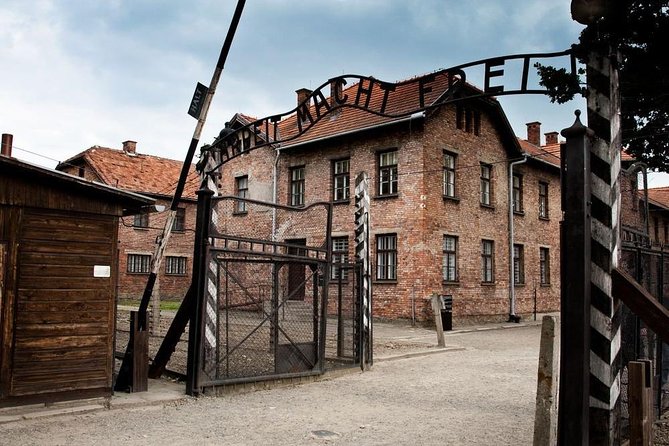
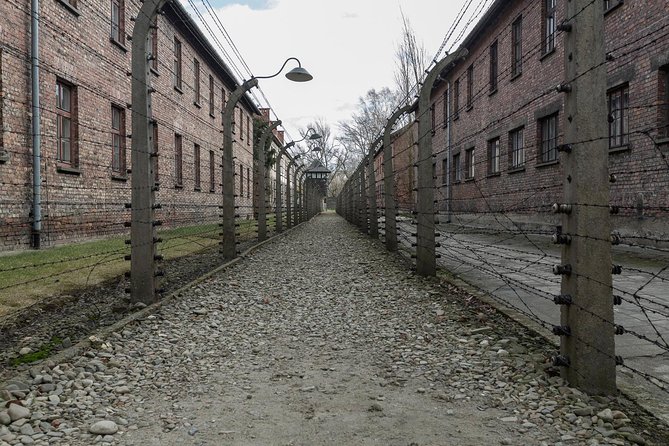
The first section of the memorial is Auschwitz I, the original camp complex. The grounds include preserved buildings, permanent exhibitions, prisoner barracks, and displays that document the camp system and the people targeted by Nazi Germany.
The visit usually lasts about three hours and includes an official museum guide. A strong English-speaking guide can make a major difference here. Guides named Marek and Francesco have been singled out for presenting the material with care and seriousness, though your assigned guide will depend on the date and group.
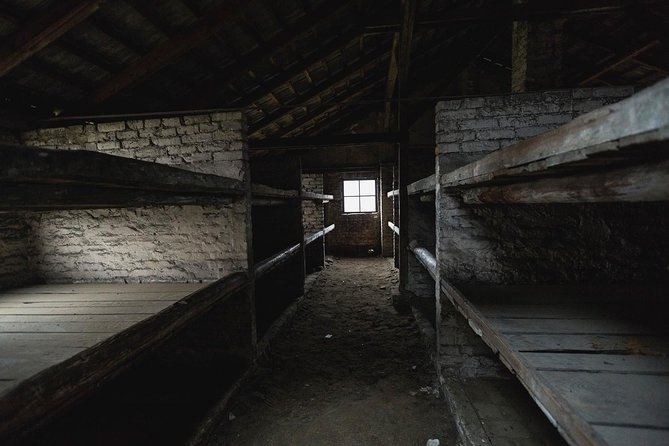
Expect a structured walk rather than a free-form visit. You may see the barracks, camp streets, the unloading ramp, and the remains of gas chambers and crematoria destroyed by the Germans. The site contains more than 150 buildings and roughly 300 ruins across an area of nearly 200 hectares, so the scale can be difficult to grasp from photographs alone.
The emotional weight is unavoidable. More than one million Jews and other targeted people were murdered at Auschwitz and Birkenau during World War II. The museum preserves physical evidence of that crime, not just written accounts. You should allow yourself time to listen and think, rather than treating the stop as another item to check off.
Photography and behavior need to be approached with respect. The tour is not designed as entertainment, and the guide sets the tone. If you are bringing a teenager, note that the visit is not recommended for children under 14.
Birkenau, open space, and changing weather
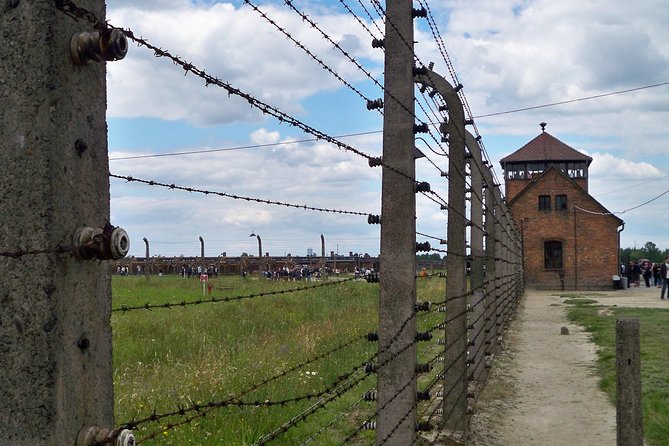
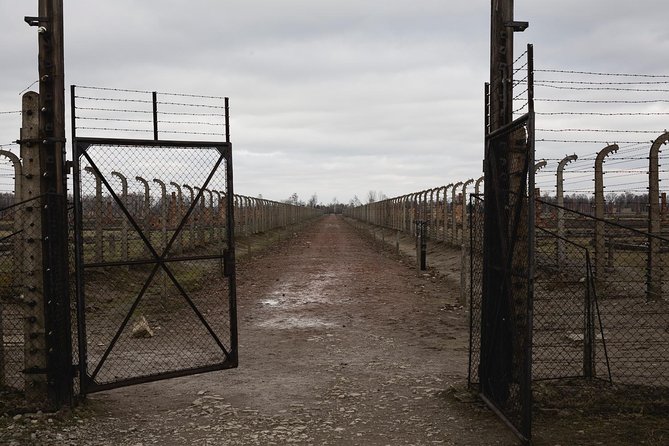
A short transfer connects Auschwitz I with Auschwitz II-Birkenau. Birkenau is much larger and more open, with the famous railway unloading area, barracks, ruins, and the remains of the killing facilities.
This section can be physically harder than Auschwitz I because much of it is outside. There may be little shade on a sunny summer day, while rain, sleet, ice, and wind can make the paths unpleasant or slippery. One winter visit had such poor conditions that part of Birkenau could not be reached.
Wear shoes with good grip, not thin casual trainers. In wet weather, paths can hold large puddles. In colder months, bring a warm coat, gloves, and a hat. In summer, add water and sun protection. The tour operates in all weather, so the forecast should shape what you pack.
Large bags are restricted. Backpacks and luggage larger than 30 by 20 by 10 centimeters are not allowed on the museum grounds. You can leave luggage in the vehicle free of charge, but keep essential items with you in a small permitted bag.
More Wieliczka Salt Mine trips:
- From Krakow: Wieliczka Salt Mine Tour
★ 4.6 · 9,393 reviews - Krakow: Auschwitz-Birkenau and Salt Mine Guided Tour
★ 4.7 · 9,020 reviews - Krakow: Wieliczka Salt Mine Guided Tour with Transport
★ 4.4 · 7,429 reviews - Krakow: Wieliczka Salt Mine Fast-Track Ticket & Guided Tour
★ 4.5 · 5,872 reviews
The break between the memorial and the mine
After Auschwitz-Birkenau, the group travels toward Wieliczka Salt Mine. The transfer takes about an hour, depending on traffic and the day’s exact order.
A break is usually provided before the underground tour. Some groups have had about an hour to 1.5 hours for lunch or a walk around the area. Lunch is available for an additional fee, and some departures include a basic packed meal. Do not assume lunch is included in every booking, so check the exact arrangement before you leave.
This pause is useful, but it may feel too long if you are eager to enter the mine. You can use it for a meal, a restroom stop, or a short walk. The Wieliczka area has places to explore beyond the restaurant, including local streets and free exhibits, but the exact amount of free time depends on the day’s schedule.
Bring snacks and water. The day can begin early, and the museum visit may come before a proper meal. Food cannot be eaten on the coaches, so use the scheduled break rather than planning to eat during the transfers.
Going underground at Wieliczka Salt Mine
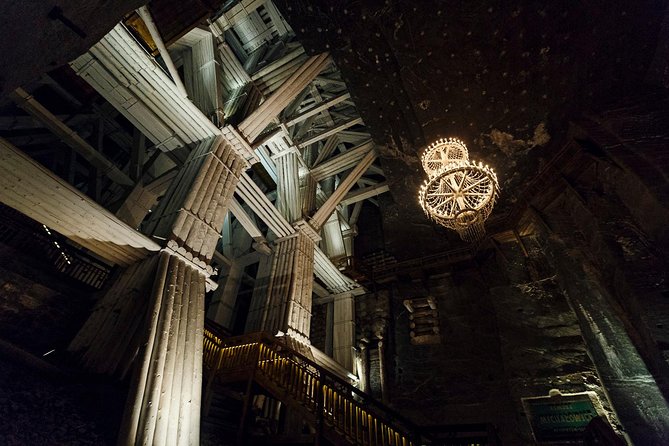
The Wieliczka Salt Mine has medieval origins and was once one of Europe’s most profitable enterprises. During the reign of Casimir the Great, salt income reportedly made up about 30 percent of the kingdom’s total revenue.
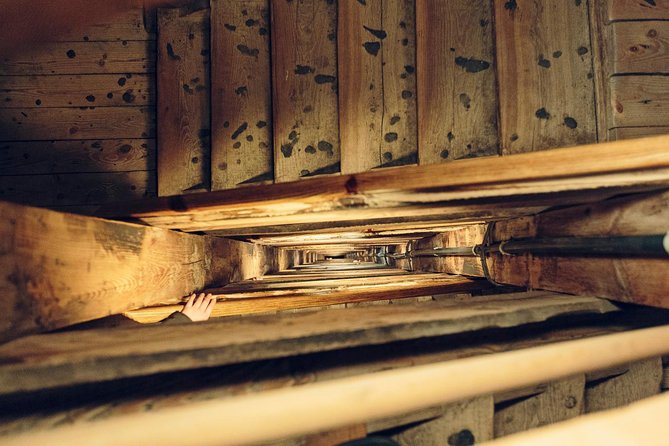
The guided visit takes around two to three hours. You descend several hundred steps, with some accounts putting the total near 800, and walk through tunnels and chambers carved into salt rock. The route includes salt sculptures, underground chapels and monuments, and saline lakes.
The mine is not simply a series of dark tunnels. Its large chambers and carved details give it a memorable sense of scale. You may find the change from the stark memorial above ground to the carefully worked underground rooms especially striking.
The temperature stays around 16 to 18 degrees Celsius throughout the year. That makes the mine a welcome shelter in bad weather, but you may still want a light layer because you will be underground for several hours.
The physical demands are real. You walk for roughly two to three hours, often on hard surfaces, after already spending much of the morning on foot. The descent is by stairs, while the return to the surface is by elevator. If you have knee, balance, or stamina concerns, consider visiting the two sites on separate days.
The mine is also not recommended for anyone with claustrophobia. Even though the route includes impressive chambers, you spend much of the visit below ground. The experience is best when you can pay attention to the carvings and stories instead of worrying about the confined setting.
Guides, group size, and the value of a package tour
The maximum group size is 30 people. That is not an intimate private tour, but it is manageable for a major museum site if the guide uses a clear headset or speaks loudly enough for the group.
You receive an official museum guide at Auschwitz and a separate guide at Wieliczka. The quality of the day depends heavily on these handoffs. Several guides have been praised for clear English and careful explanations, while one departure had an initially unfriendly guide who improved after the group raised the concern. That is a useful reminder that guide style can vary.
The package includes a professional English-speaking driver, round-trip transport, admission fees as stated, skip-the-line access, air conditioning, onboard WiFi, and taxes. Private transportation is not included, despite the door-to-door pickup. If you want a vehicle reserved only for your party, choose a private option if available rather than assuming this booking provides one.
At $156 per person, the price is easiest to justify if you value convenience. You are paying for a full day of transport, coordination between two sites, admission arrangements, and guided visits. Independent travel might cost less in some cases, but it would require separate planning and leave you responsible for reaching both places on time.
There is one important price detail to settle before booking. The stated inclusions say entrance fees are covered, yet some departures required an extra payment for the salt mine, including one reported charge of 89 Polish złoty. Contact the operator and ask directly: are both Auschwitz and Wieliczka admissions included in the amount shown for your date? Get the answer in writing if possible.
The schedule is efficient, but not gentle
The advertised duration is 10 to 11 hours. In practice, pickup can begin around 6:00 or 7:00 a.m., with return to Krakow around 6:30 to 7:00 p.m. Traffic, museum entry times, group delays, weather, and lunch arrangements can push the day longer.
You will spend about three hours at Auschwitz-Birkenau and two to three hours at Wieliczka, plus driving and the break between them. The vehicle gives you some time to sit down, but it does not turn this into a restful day.
I would not book this as a relaxed family outing. Children must be accompanied by an adult, and Auschwitz is not recommended for children under 14. Older teenagers may find the memorial meaningful, but you know your family’s emotional readiness best.
This day suits you if you have limited time in Krakow, want both major sites, and prefer someone else to handle transport and timing. It is less suitable if you dislike groups, need a slow pace, have limited mobility, or want to spend a full day at either site.
Small details that make the day easier
Use these practical habits to avoid common frustrations:
- Wear sturdy, comfortable shoes with grip. You may face mud, puddles, uneven paths, stairs, and several kilometers of walking.
- Carry water and snacks, especially if your pickup is before breakfast.
- Bring a rain layer and sun protection. Birkenau is exposed, and the tour runs in poor weather.
- Take only a small bag into Auschwitz. Oversized luggage can remain in the vehicle.
- Bring identification matching the booking. Tickets are personal, and the operator asks for the exact first and last names shown on passports or other documents.
- Confirm where you will be dropped off. The end of the tour may be arranged according to where you want to finish, but some departures have ended at a central Krakow location rather than each individual hotel.
- Ask about the day’s timetable, lunch, and salt mine admission before departure. Clear information makes a long day much less stressful.
Free cancellation is available up to 24 hours before the start time for a full refund. Changes or cancellations inside that window are not accepted for a refund.
Should you book this Krakow day trip?
Book it if you want to see Auschwitz-Birkenau and Wieliczka Salt Mine in one day and value door-to-door transport more than a leisurely pace. The combination gives you two very different sides of Poland, and the guides can add essential context that you would miss on a rushed independent visit.
I would skip it in favor of two separate days if you can spare the time. Auschwitz deserves a calm, attentive visit, and Wieliczka involves enough stairs and walking to deserve fresh legs.
For a short Krakow stay, however, this is a strong use of one long day. Confirm the pickup time, the salt mine fee, lunch arrangements, and final drop-off before paying. Then bring proper shoes, water, weather gear, and the right frame of mind. The morning is harrowing, the afternoon is remarkable, and the whole day is likely to stay with you.
FAQ
How long does the Auschwitz-Birkenau and Wieliczka tour take?
The advertised duration is approximately 10 to 11 hours. Actual pickup and return times can vary with traffic, weather, museum scheduling, and group delays.
Is hotel pickup included in Krakow?
Yes. Pickup is offered from a hotel, hostel, apartment, or other accommodation address that you provide. At the end, you are asked where you would like to finish the tour.
Are entrance fees included?
The tour information states that admission fees and taxes are included. However, some departures have required an additional payment for Wieliczka Salt Mine admission, so confirm this point with the operator before departure.
How much walking is involved?
You should expect about three hours of walking at Auschwitz-Birkenau and two to three hours at Wieliczka Salt Mine. The mine also requires a descent of several hundred steps.
What is the temperature inside Wieliczka Salt Mine?
The temperature remains between 16 and 18 degrees Celsius throughout the year. A light layer is useful for the underground portion.
Can children join the tour?
Children must be accompanied by an adult. Auschwitz-Birkenau is not recommended for children under 14, and the mine is not recommended for people with claustrophobia.
More 1-Day Tours in Krakow
- Krakow: Auschwitz-Birkenau Day Trip with Tour Leader
★ 4.3 · 5,452 reviews - Day Trip: Auschwitz-Birkenau and Wieliczka Salt Mine from Krakow
★ 4.5 · 4,282 reviews - Krakow: Zakopane, Funicular, Cheese, and Highland Day Trip
★ 4.7 · 1,489 reviews - Krakow to Zakopane: Funicular, Tasting and Thermal Baths Day Trip
★ 5.0 · 1,189 reviews
Just added around Krakow
- Private Guided Tour: Oskar Schindler’s Factory★ 5.0 · 3 reviews
- E-Scooter Krakow sightseeing tour★ 5.0 · 3 reviews
- From Krakow: Zakopane and Thermal Pools Guided Trip★ 5.0 · 3 reviews
- Schindler’s Factory, Ghetto and Plaszow Camp Guided Tour★ 4.7 · 3 reviews
- Kraków: Private Hot Air Balloon Flight with Champagne★ 3.7 · 3 reviews
- Krakow: River Cruise & Guided Visit to Former Plaszow Camp★ 3.6 · 3 reviews
- From Krakow: Private Wieliczka Salt Mine Tour★ 4.0 · 3 reviews
- Krakow: Old Town short walk with St. Mary’s Basilica visit★ 5.0 · 3 reviews
Auschwitz-Birkenau Tours, compared.

Auschwitz-Birkenau Guided Tour & Hotel Pickup
Read our review →Auschwitz-Birkenau Guided Tour & Hotel Pickup
Read our review →
Auschwitz Guided Tour with Optional Hotel Pickup
Read our review →
Auschwitz-Birkenau Guided Tour with Pickup & Lunch
Read our review →
Auschwitz-Birkenau Guided Tour Pickup/Lunch Options
Read our review →

Krakow to Auschwitz Birkenau Guided Tour with Transfer and Ticket
Read our review →
Browse the lists this tour appears in