
Reviewed · NOWA HUTA TOURS
Communist Krakow – Nowa Huta Walking Tour in English
Nowa Huta was built as a model socialist city beside a huge steelworks. This 150-minute walk shows you the grand plan, the political message behind it, and the ordinary lives caught between state control and Polish identity. The most moving stop is the Ark of the Lord, a striking church built as a symbol of Catholic resistance.
I like the contrast with Krakow’s Old Town, and I like how guides such as Ania, Damian, and Chris add personal stories to the political history. You also get a useful look at a real residential district, not a polished sightseeing set. The main consideration is that the experience is strongest for history and architecture fans. If you want a long list of interiors or bunker visits, this walk may feel limited.
In This Review
- Key points to know before you go
- Why Nowa Huta changes your view of Krakow
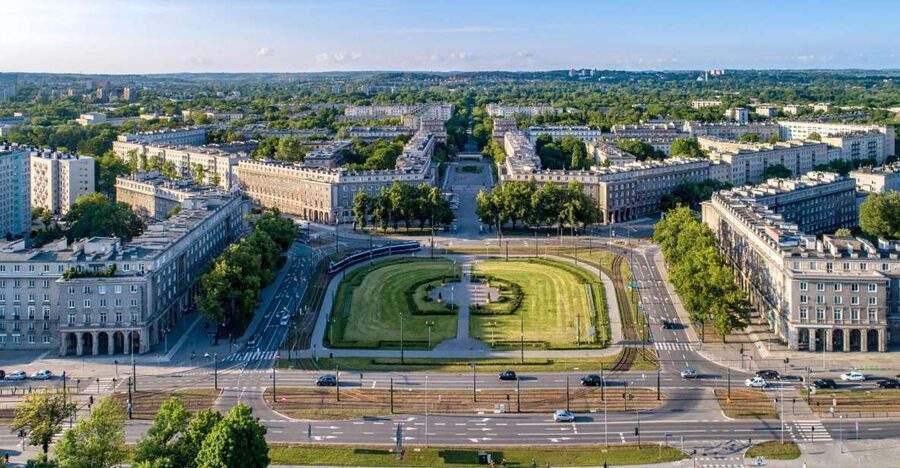
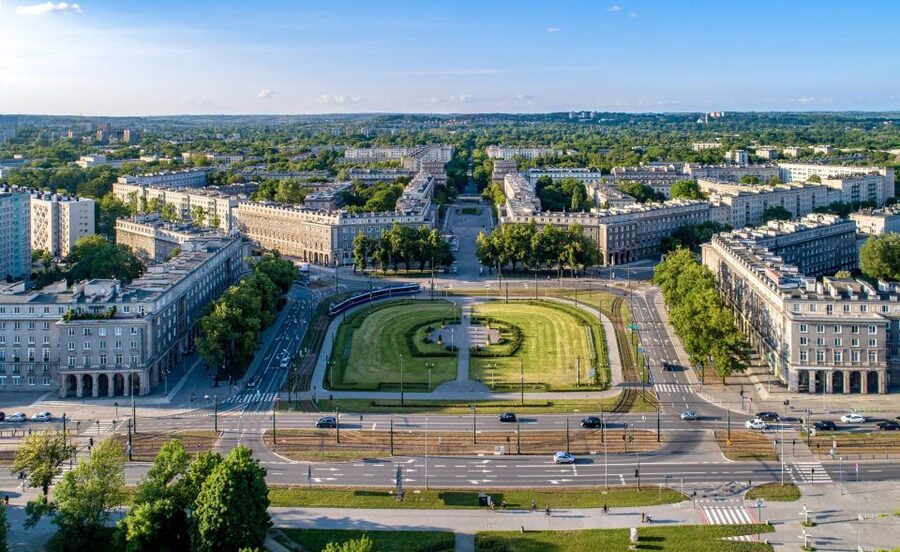
- Central Square, where the plan becomes clear
- The Avenue of Roses and the everyday city
- The Ark of the Lord and Catholic resistance
- Ronald Reagan Plaza and the memory of political change
- How the worker story shapes the tour
- What the guide adds that buildings cannot
- A useful break from the Old Town
- Is $26 a fair price?
- Who should take this 150-minute walk?
- Final decision: book it for the story, not the checklist
- FAQ
- How long does the Nowa Huta walking tour last?
- What language is the tour conducted in?
- How much does the tour cost?
- What places are included in the experience?
- Is the Ark of the Lord church part of the tour?
- Does the tour include hotel pickup and drop-off?
- Are snacks included?
- Is the walking tour wheelchair accessible?
- How early should I arrive?
- Can I cancel the tour for a refund?
Key points to know before you go
- Central Square and the Avenue of Roses: See the formal heart of a city designed to express communist power.
- The Ark of the Lord: Enter a church linked to the spiritual resistance of Catholic workers.
- Worker history: Learn how Nowa Huta became a place of protest, conflict, and courage.
- A different Krakow: Leave the Old Town behind for a lived-in district with its own daily rhythm.
- Story-led guiding: Guides including Ania, Damian, Chris, Jakob, and Maciek have been praised for clear explanations and personal detail.
- A 150-minute walk: Long enough for context, but still manageable as part of a Krakow sightseeing day.
Why Nowa Huta changes your view of Krakow
Most first visits to Krakow begin with medieval streets, church towers, and the handsome buildings around Rynek Główny. Nowa Huta gives you a very different Poland. Here, the visual language is broad avenues, monumental civic spaces, planned housing, and the memory of a steelworks built during the communist era.
That contrast is the reason I consider this tour worth your time. You are not simply looking at old buildings. You are seeing how a government tried to shape a new society through architecture and urban planning.
Nowa Huta means New Steelworks. The district was tied to Poland’s post-World War II industrial growth and also served Joseph Stalin’s propaganda and totalitarian system. The city was meant to reflect socialist ideals, yet its residents developed their own loyalties, frustrations, religious commitments, and forms of resistance.
A guide gives those facts a human scale. Without one, you can see the large spaces and apartment blocks, but you may miss why they were built that way or why certain places became politically charged. The strongest guides explain both the official story and the daily reality underneath it.
More Nowa Huta trips:
- Krakow: Nowa Huta Guided Tour in Vintage Car
★ 4.9 · 277 reviews - Legendary Private Nowa Huta Communism Tour with Crazy Guides
★ 5.0 · 262 reviews - Nowa Huta: Steelworks Administration Buildings/Shelters Tour
★ 4.9 · 160 reviews
Central Square, where the plan becomes clear
The monumental Central Square is one of the main places where Nowa Huta’s design makes sense. Its scale was not accidental. The space communicates order, authority, and the power of the planned city.
Your guide uses the square to explain how Nowa Huta was created and what the communist authorities wanted it to represent. This is an important early stop because it gives you the framework for the rest of the walk. Instead of seeing a collection of broad roads and large buildings, you begin to read the district as a political project.
I like this part for its visual clarity. You can grasp the ambition of the plan in a single glance. The drawback is that monumental spaces can feel abstract if the explanation stays at the level of architecture. That is why the guide’s storytelling matters so much here.
The best approach is to listen for the tension between the official image and the lives of local residents. The city was designed to look orderly and convincing, but no plan can fully control the people who live inside it.
The Avenue of Roses and the everyday city
The Avenue of Roses offers another view of Nowa Huta’s formal design. Along with Central Square, it helps explain how public space was used to create a sense of civic pride and socialist purpose.
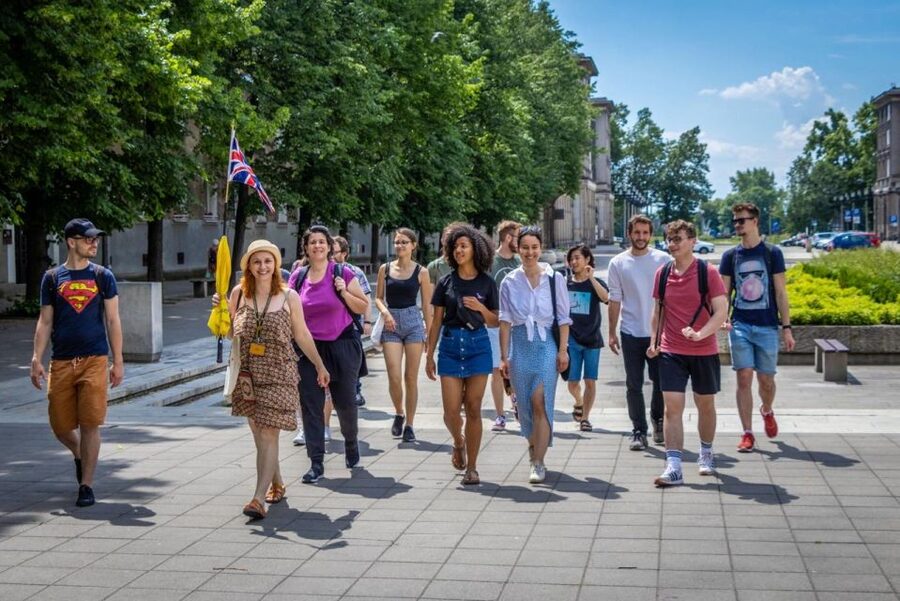
This is also where the tour shifts from grand political ideas toward the feel of the neighborhood. Nowa Huta is not presented as a frozen museum of communism. It is a functioning district, and that makes the walk more useful than a quick visit to a preserved monument.
You may notice the contrast between the district’s heroic past and its ordinary present. People live and work here. The streets are not arranged solely for sightseeing, and there is no need to pretend that every part of the area is a dramatic attraction. That is part of its value.
One guide, Ania, lives in the area, which can add a local point of view to the architecture and history. Chris has also been praised for combining broad political background with personal memories of growing up in Nowa Huta. Those details can make a large urban plan easier to understand.
The Ark of the Lord and Catholic resistance
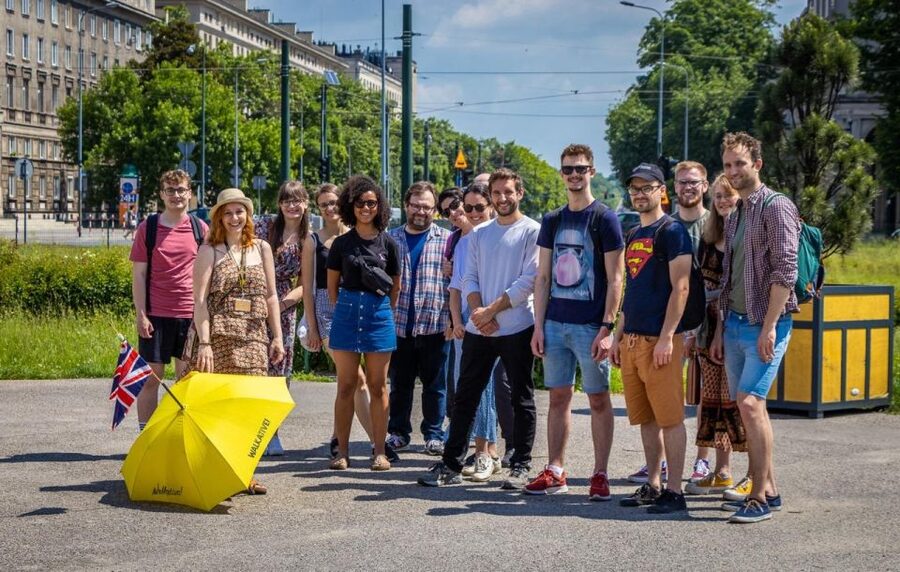
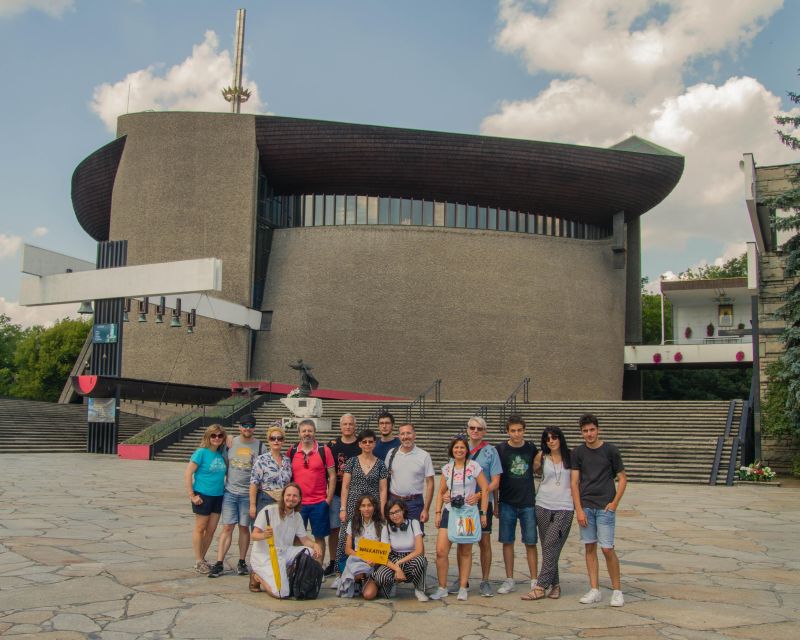
The Ark of the Lord is the emotional center of the tour. The church is known for its unusual architecture and for its role as a symbol of spiritual resistance by Catholic workers against the communist party.
Its presence tells you something important about Nowa Huta. The district was planned as a socialist city, but the state could not erase religious identity. The struggle to establish a church became part of the wider story of how residents asserted their own values.
You enter the church during the walk, which gives the history a physical setting. This is more effective than hearing a general explanation about religion and communism from a street corner. The building itself helps you understand the conflict between official ideology and popular belief.
I would pay close attention to how your guide connects the church to the workers. The point is not only that a church exists in a communist-planned district. The point is that the building represents a determined local effort and the wider role of Catholic faith in Polish resistance.
The stop also provides a change of pace. After the broad civic spaces, the church brings the story down to questions of belief, community, and courage. It is one of the strongest reasons to choose this tour instead of exploring Nowa Huta without a guide.
More walking tours in Krakow:
- Old Town Krakow & Wawel Castle Walking Tour
★ 5.0 · 1,508 reviews - Creepy Krakow: 2-Hour City Walking Tour
★ 4.7 · 1,131 reviews - Krakow: The Old Town Walking Tour
★ 4.8 · 794 reviews - Krakow: Kazimierz Jewish Quarter Walking Tour
★ 4.8 · 571 reviews
Ronald Reagan Plaza and the memory of political change
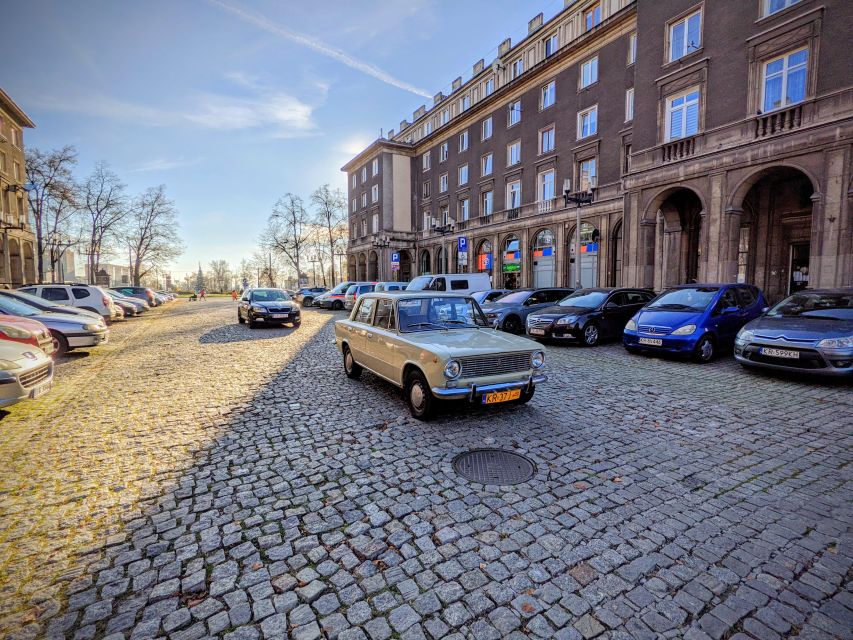
Ronald Reagan Plaza is included among the places visited during the activity. Its name adds another layer to the story, linking the district’s communist past with the political changes that followed.
Your guide can use the plaza to place Nowa Huta in a wider history of Poland after World War II, rather than treating it as an isolated neighborhood. This broader setting was one of the most praised parts of the guiding. Ania, Damian, and Jakob have been singled out for clear historical storytelling, while other guides have been valued for adding political background and personal anecdotes.
The tour is not only about the construction of Nowa Huta. It also considers the district’s transformation and the way people remember its past. Some residents feel nostalgia for the heroic image of the workers and for the social world created around the steelworks. That nostalgia does not necessarily mean approval of communist rule. It can reflect memories of community, work, and personal experience.
This is a useful distinction to keep in mind. You will hear about a system that was repressive and controlled, but you may also encounter memories that are more complicated than a simple good-versus-bad story.
How the worker story shapes the tour
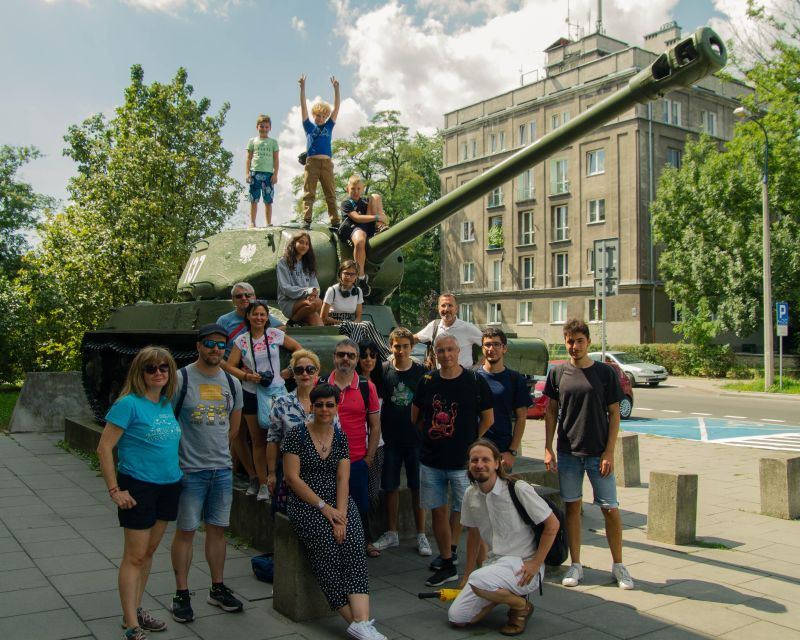
The experience focuses on the heroic struggle of Polish workers. That theme gives the walk its human center.
Nowa Huta was closely linked to industry, and the workers were not just background figures in a government building project. They became an important force in the district’s story. The tour presents their conflict with the communist party and shows how local people pushed back against political control.
One guide, Max, has been noted for emphasizing that communism was imported rather than the result of a genuine local uprising. That interpretation may shape the discussion, so it is worth listening closely to the distinctions your guide makes between state policy, local identity, and worker action.
The benefit of a live guide is that you can ask for clarification when the history becomes politically sensitive. Poland’s postwar story is not a simple chapter, and a good guide should help you see competing pressures rather than reduce the period to a few slogans.
Damian has been praised for offering a good balance of serious and lighter stories. That balance matters on a two-and-a-half-hour walk. The subject is heavy, but the tour is not described as a grim lecture. Personal anecdotes and small details help keep the experience readable.
What the guide adds that buildings cannot
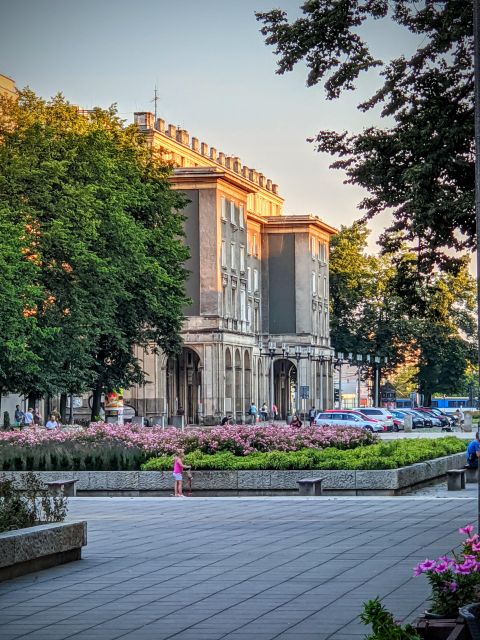
Nowa Huta can be visited independently, but the district rewards explanation. Its scale and planning are easier to understand when someone points out the link between design and ideology.
The guide also gives you access to local memory. Chris’s personal connection to growing up in the area made the political story more immediate. Ania’s connection to Nowa Huta offers another reason to listen for details about daily life, not just dates and events.
Jakob has been praised for building a clear picture of Polish history while also paying attention to the group’s comfort. That practical awareness is useful on a walking tour lasting 150 minutes. Ania has been described as passionate and especially strong at telling a moving story. Damian has received praise for clear explanations and confident navigation through the area.
Guides can vary, of course. The experience provider is Walkative Tours, and the activity uses an English-speaking live guide. The quality depends partly on who leads your departure, but the repeated strength of the guiding is storytelling rather than a mere list of facts.
One point deserves careful attention: the booking information says this is part of a general pay-as-you-wish tour, while the $26 price covers the reservation fee and the guide’s payment. If you prefer a smaller private walk, you can ask the provider to arrange one. That option may suit you if you want more questions, a slower pace, or a more focused discussion.
A useful break from the Old Town
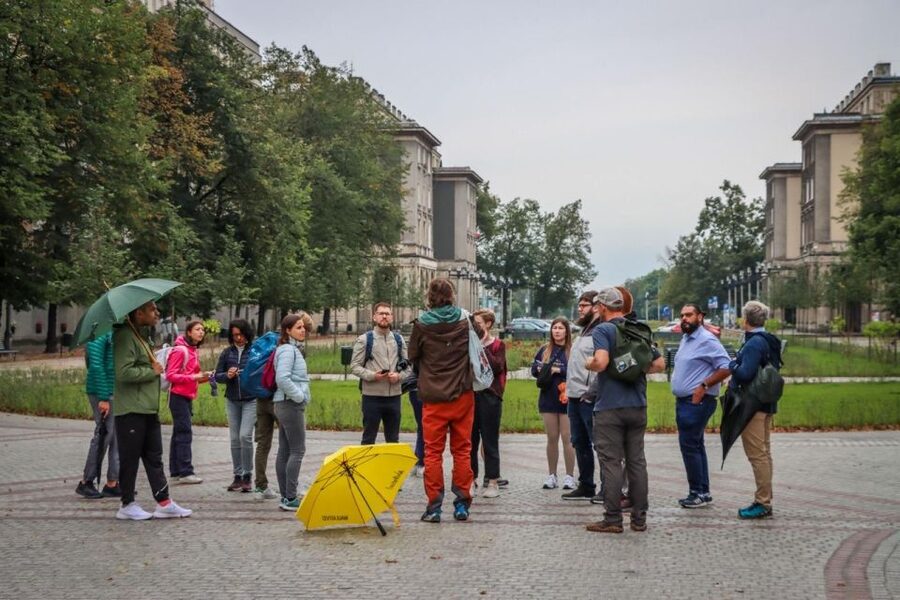
The tour includes references to Rynek Główny, but its main subject is Nowa Huta. That connection is helpful because it places the planned communist district beside Krakow’s famous historic center.
I like the tour as a second-day choice, after you have seen the Old Town. The comparison makes both areas clearer. Krakow’s center reflects centuries of changing rulers and architectural styles. Nowa Huta reflects a far more concentrated attempt to create a modern socialist city.
The district is described as largely untouched by mass tourism. That does not mean every street is picturesque or that every stop will feel dramatic. It means you get a more ordinary view of Krakow, with room to think about how residents actually use the city.
You should choose comfortable footwear and arrive 10 minutes early. Hotel pickup and drop-off are not included, so you need to make your own way to the meeting point. Snacks are also not included.
The activity is wheelchair accessible, an important practical benefit. Still, the supplied information does not give specific details about pavement, slope, or restroom access, so you may want to confirm those points directly if they matter for your needs.
Is $26 a fair price?
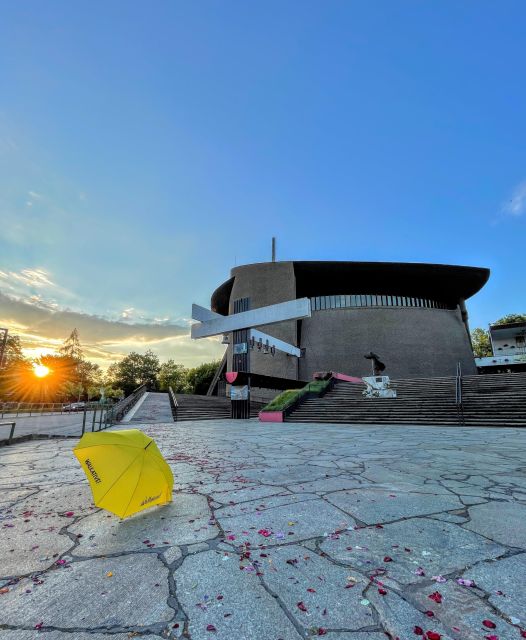
At $26 per person, the value rests mainly in the guide and the historical explanation. You are not paying for a major attraction ticket or a private vehicle. You are paying for a structured walk through a district that is much harder to interpret on your own.
I think the price is fair if you care about Poland after World War II, communist urban planning, worker resistance, or modern religious history. The walk links public spaces, a church, political memory, and daily life in one experience.
The value is weaker if you want a conventional sightseeing circuit filled with famous interiors. You will spend much of the time learning how the district works as a place and why its buildings matter. The appeal is intellectual and human, not a long series of postcard views.
The flexible reservation terms help. You can cancel up to 24 hours before the activity for a full refund, and you can reserve now and pay later. Those details make it easier to fit the walk into a changing Krakow schedule.
Who should take this 150-minute walk?
I would recommend it most strongly to you if:
- You have already seen Krakow’s Old Town and want a different side of the city.
- You enjoy political history explained through buildings and public spaces.
- You want to understand how Polish workers and Catholic communities resisted communist control.
- You prefer a local neighborhood to a heavily visited attraction.
- You value stories, personal memories, and context more than a fast checklist of sights.
Families with older children and teenagers may also find the subject useful, especially if they are studying modern European history. The tour’s mix of serious facts, personal anecdotes, and lighter stories can make the material easier to follow.
You may want to skip it if your Krakow visit is very short and your main goal is medieval architecture. You should also think twice if a 150-minute walking tour feels too long or if you expect to visit bunkers. One person specifically wanted to explore the bunkers and more of Nowa Huta on a future visit, which suggests this tour gives you an introduction rather than covering every corner of the district.
Final decision: book it for the story, not the checklist
Book the Communist Krakow, Nowa Huta Walking Tour if you want to understand the forces behind the district, not just photograph its large squares. The Ark of the Lord, the worker story, and the contrast with Krakow’s Old Town give the experience real purpose.
I would treat it as a focused introduction. It will help you see Nowa Huta with more sympathy and sharper historical awareness, while leaving room for a later independent visit to explore further. The strongest reason to go is the guide’s storytelling, especially if you are paired with someone such as Ania, Damian, Chris, Jakob, or another guide who connects public history with local life.
FAQ
How long does the Nowa Huta walking tour last?
The tour lasts 150 minutes, or two and a half hours.
What language is the tour conducted in?
The live tour guide speaks English.
How much does the tour cost?
The listed price is $26 per person.
What places are included in the experience?
The activity includes Nowa Huta Cultural Centre, Rynek Główny, Ronald Reagan Plaza, Central Square, the Avenue of Roses, and the Ark of the Lord church.
Is the Ark of the Lord church part of the tour?
Yes. The tour includes entering the Ark of the Lord, a church connected with Catholic resistance to the communist party.
Does the tour include hotel pickup and drop-off?
No. Hotel pickup and drop-off are not included.
Are snacks included?
No. Snacks are not included.
Is the walking tour wheelchair accessible?
Yes, the activity is listed as wheelchair accessible.
How early should I arrive?
You should arrive at the meeting point 10 minutes before the tour begins.
Can I cancel the tour for a refund?
Yes. You can cancel up to 24 hours in advance for a full refund. You can also reserve now and pay later.
Just added around Krakow
- Private Guided Tour: Oskar Schindler’s Factory★ 5.0 · 3 reviews
- E-Scooter Krakow sightseeing tour★ 5.0 · 3 reviews
- From Krakow: Zakopane and Thermal Pools Guided Trip★ 5.0 · 3 reviews
- Schindler’s Factory, Ghetto and Plaszow Camp Guided Tour★ 4.7 · 3 reviews
- Kraków: Private Hot Air Balloon Flight with Champagne★ 3.7 · 3 reviews
- Krakow: River Cruise & Guided Visit to Former Plaszow Camp★ 3.6 · 3 reviews
- From Krakow: Private Wieliczka Salt Mine Tour★ 4.0 · 3 reviews
- Krakow: Old Town short walk with St. Mary’s Basilica visit★ 5.0 · 3 reviews
Nowa Huta Tours, compared.

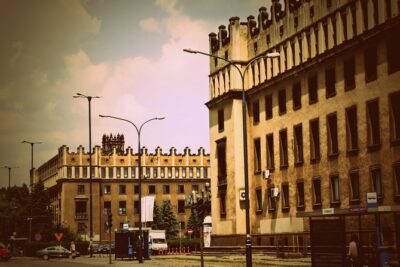
Legendary Private Nowa Huta Communism Tour with Crazy Guides
Read our review →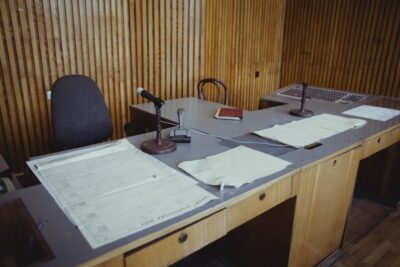
Nowa Huta: Steelworks Administration Buildings/Shelters Tour
Read our review →
Private Nowa Huta Adventure Tour in Communist Cars
Read our review →
Nowa Huta Steel Mill Administration Buildings and Shelters with local NGO
Read our review →
1.5h Crazy Guides’ Communism Tour of Nowa Huta in Classic Car
Read our review →
Nowa Huta Tour from Krakow: Communist City, Vodka & Zapiekanka
Read our review →Browse the lists this tour appears in