
Reviewed · NOWA HUTA TOURS
Nowa Huta Steel Mill Administration Buildings and Shelters with local NGO
Nowa Huta’s former steelworks offices offer something Krakow’s grand old town cannot: a close look at communist Poland from inside the machine that helped build it. You walk through administrative rooms, meeting spaces, shelters, and corridors connected with the Lenin Steelworks, later known as the Sendzimir Steelworks.
I like the chance to see Socialist Realist architecture in its original setting, not in a museum model. I also like the human touch supplied by local guides, especially Mateusz, whose family connection to the plant has helped make the story personal. The main drawback is that the buildings are aging and the tour can feel long if abandoned interiors and industrial history are not your thing.
In This Review
- Key points at a glance
- Why these steelworks offices matter
- Entering the S and Z administration buildings
- Socialist Realism you can walk through
- The underground shelters are the tour’s strongest stop
- Radio recordings and the sound of the factory
- What the guide adds to the buildings
- A building that is aging, not polished
- How the 1.5 to 2 hours are used
- Is $27.63 a fair price?
- Who should book this Nowa Huta visit?
- Practical details before you book
- Should you book it?
- FAQ
- Where does the tour start?
- Where does the tour end?
- How long does the experience last?
- What language is the tour offered in?
- What is included in the price?
- Is hotel pickup included?
- Are children allowed to join?
- How large is the group?
- Can I cancel for a full refund?
Key points at a glance
- Walk through two steelworks administration buildings, including rooms that preserve furniture, documents, and objects from several decades.
- Enter underground Cold War shelters beneath the complex, one of the most unusual parts of the visit.
- Hear historic recordings from the steelworks radio station, bringing the working plant and its official voice back to life.
- See architecture designed to express communist power, from formal offices to worker-focused spaces and a theater.
- Expect a small group of up to 15 people, with a local professional guide leading the visit in English.
- Allow 1.5 to 2 hours, and arrive at Ujastek 1, where the meeting point is on the opposite side of the street from the site.
Why these steelworks offices matter
Nowa Huta was built as a planned industrial district beside Krakow. Its steelworks were not simply a factory. They were a major political and social project, tied to the image of a modern workers’ state.
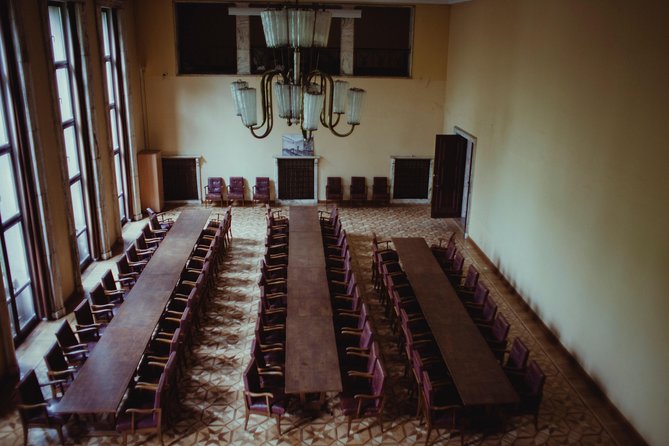
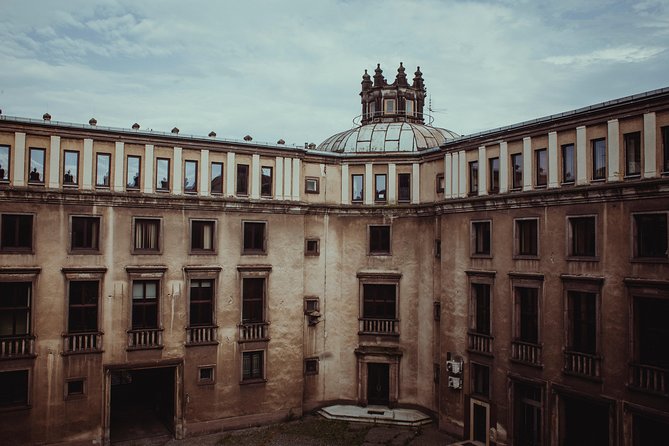
The administration buildings show how that image was presented. Their formal design, large rooms, decorative details, and carefully arranged spaces reflect Socialist Realism, the official artistic style of the early communist period. The buildings were meant to signal order, strength, and state authority.
Inside, you get a more useful lesson than a simple date-filled history talk. Offices and meeting rooms show how a huge industrial plant was organized. The tour connects architecture with daily life, workplace hierarchy, public messaging, and the changing role of the steelworks over time.
I find this setting valuable because the story is not separated from the place. You are not standing in a polished exhibition hall built for tourists. You are moving through former working spaces that were later left unused, with signs of age still visible.
More Nowa Huta trips:
- Krakow: Nowa Huta Guided Tour in Vintage Car
★ 4.9 · 277 reviews - Legendary Private Nowa Huta Communism Tour with Crazy Guides
★ 5.0 · 262 reviews - Nowa Huta: Steelworks Administration Buildings/Shelters Tour
★ 4.9 · 160 reviews
Entering the S and Z administration buildings
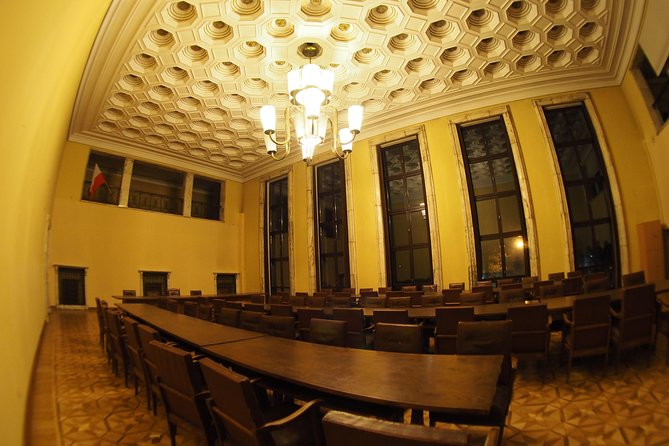
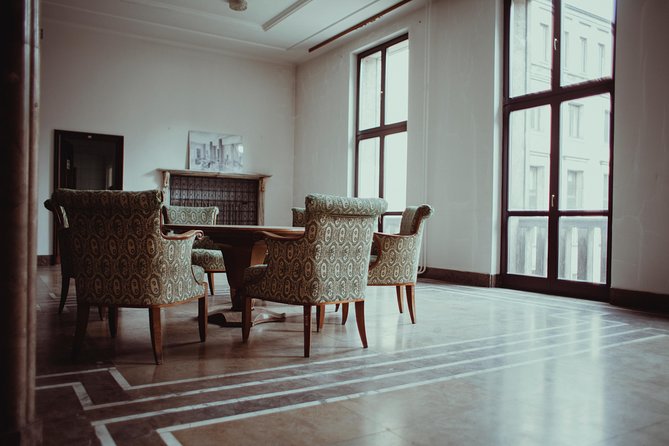
The visit includes the S and Z administration buildings, two sections associated with the steelworks complex. You may see offices, meeting rooms, preserved objects, and rooms that have appeared in films.
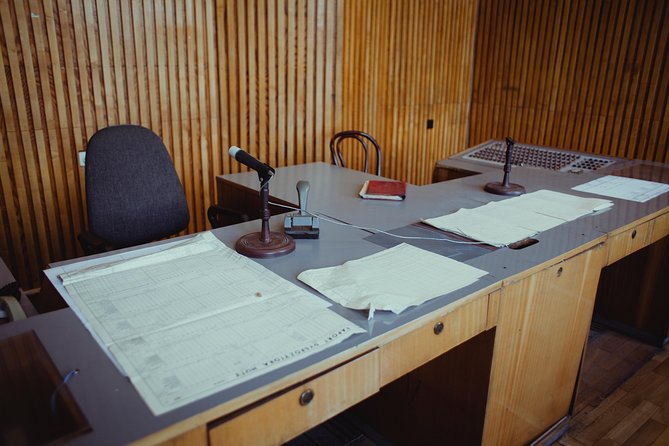
The interiors cover more than the first communist decades. Some material dates from the 1950s, while other objects come from later periods, including the years when the building remained in use into the 2000s. That range is useful, but it also means you should not expect every object to belong exactly to the room where it is displayed.
The local organization has gathered and arranged some items as an exhibition. That gives the tour more visual detail, but it also creates an important distinction: the building is historic, while parts of the display are assembled to help explain its past.
Your guide supplies the missing links. A room can look grand, plain, official, or oddly domestic, but the explanation tells you what its design meant and how the spaces related to the wider plant. Strong guides have been praised for explaining the reasons behind the architecture rather than simply pointing out decorative features.
Mateusz has been singled out for his detailed account of the factory and its place in Nowa Huta. He also has family ties to the steelworks, which can add a personal layer to the history. His availability is not guaranteed, so treat his name as a useful question to ask when booking, not a promise.
Socialist Realism you can walk through
Socialist Realism is easier to understand when you see the spaces it shaped. Here, the style is not just a sculpture, poster, or textbook photograph. It appears in the scale of the rooms, the formal public areas, and the visual difference between spaces intended for managers and those associated with workers.
The building’s design aimed to communicate power and purpose. Grand administrative interiors helped present the steelworks as a vital national achievement. At the same time, the complex included places linked with worker life, including a theater.
The worker’s theater is one of the details that broadens the visit. This was not only an office complex for officials. The steelworks formed part of a larger social world, with culture and organized public life tied to the factory.
You will also hear about how life in Nowa Huta changed over several decades. The tour does not stop in the 1950s. Its objects and stories reach into the later communist period and the years after, making it easier to see the district as a living workplace rather than a frozen political symbol.
The underground shelters are the tour’s strongest stop
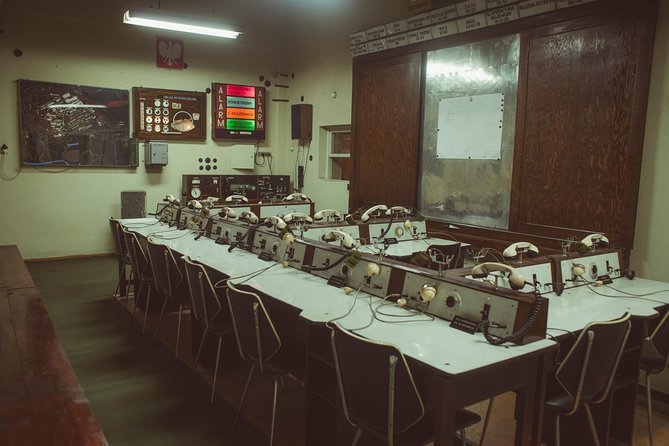
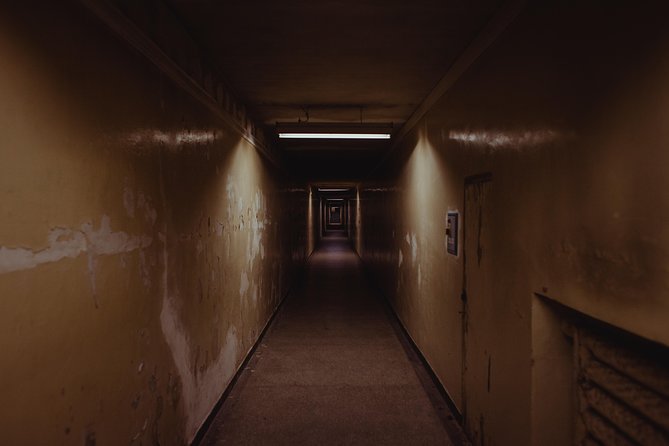
The underground Cold War shelters are likely to be the most memorable part of the visit. You leave the formal rooms above ground and enter a more functional space shaped by fear of attack and nuclear conflict.
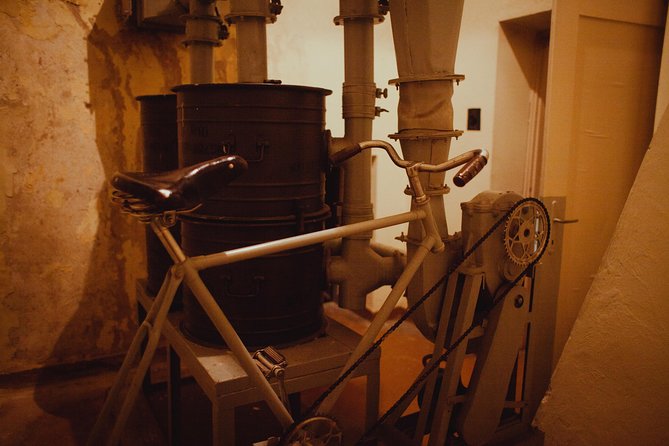
The shelter corridors and bunker areas give the political story physical weight. Communist Poland’s public buildings were designed with civil defense in mind, and these underground spaces show how an ordinary workplace was tied to the wider military tension of the Cold War.
You should expect some walking through tunnels and bunker areas. The tour information calls for moderate physical fitness, so this is not the best choice if you need a fully effortless visit. Children must be accompanied by an adult.
The shelter also changes the pace of the experience. Upstairs, you are looking at architecture, furniture, and official rooms. Below ground, the setting becomes tighter, plainer, and more practical. That contrast helps explain the gap between the public image of the steelworks and the anxieties beneath it.
A different sort of day out from Krakow:
- From Krakow: Auschwitz-Birkenau Guided Tour & Hotel Pickup
★ 4.5 · 33,358 reviews - From Krakow: Auschwitz-Birkenau Guided Tour & Hotel Pickup
★ 4.5 · 29,340 reviews - Krakow: Auschwitz Guided Tour with Optional Hotel Pickup
★ 4.5 · 15,280 reviews - Krakow–Zakopane: Cable Car, Chocholow Baths, Cheese & Vodka
★ 5.0 · 10,720 reviews
Radio recordings and the sound of the factory
Historic tapes from the steelworks’ radio station add sound to the visit. This is a small feature, but it matters. A silent building can feel like a set. Recorded announcements and voices help you picture the plant as an active workplace with its own internal communication system.
The radio material also shows how a large state-run factory spoke to its workforce. The official voice of the plant was part of daily life, carrying information and helping shape the image of the workplace.
I prefer this kind of detail to another wall of dates. Hearing an old recording can make the machinery of the system easier to grasp. It gives you a sense of how the institution presented itself to employees and how closely work, politics, and public life were linked.
What the guide adds to the buildings
This is a guide-led experience, and the quality of the explanation matters. The buildings alone may interest anyone who likes abandoned places, old offices, or industrial design. The guide turns those rooms into a story about Poland under communism.
The strongest approach is interpretive rather than theatrical. You want someone who can explain why a room was designed in a particular way, how the factory affected daily life, and how Nowa Huta changed across the decades.
Past descriptions of the guiding style point to clear, enthusiastic explanations without heavy-handed lecturing. Mateusz has been praised for his passion and for explaining the plant’s significance in detail. One particularly personal touch involved a lift in his Lada, but you should not expect private transport as part of the paid experience. Hotel pickup and drop-off are not included.
A fair point to keep in mind is that a guide may place too much blame for every weakness of the buildings or company on communism. The political system is central to the story, but industrial workplaces in other countries also had sharp class divisions and uneven standards. If you enjoy history with room for comparison, you may want to ask questions rather than accept every explanation as the final word.
A building that is aging, not polished
The administration complex has reportedly been unused for more than a decade in parts, and it is beginning to show its age. That is part of the appeal. You can get the feeling of exploring an abandoned workplace, while still having a guide to keep the visit focused and safe.
This is not a restored palace. Paint, surfaces, and objects may look worn. Some people will find that atmospheric. Others may prefer a museum with neat labels, bright lighting, and a clear route.
The condition also raises a practical concern. The buildings are valuable examples of postwar design, but their future is uncertain. A visit gives you a chance to see them before more deterioration or redevelopment changes the experience.
The group limit of 15 helps here. A small group is better suited to narrow passages, old offices, and underground areas than a large coach party. It should also make it easier to hear the guide and ask questions.
How the 1.5 to 2 hours are used
The advertised duration is about 1 hour 30 minutes to 2 hours, with the full visit often reaching roughly two hours. That is enough time for a serious introduction without taking an entire day from your Krakow plans.
You begin at Ujastek 1 in Krakow and finish at the same location. The meeting point is opposite the site, so check the street carefully before setting off. The location is near public transportation, which is helpful because hotel pickup and drop-off are not included.
The time is spread across the administrative buildings, rooms, displays, historical explanation, radio recordings, theater-related spaces, and underground shelter areas. It is not a quick photo stop. You should be ready to listen, walk, and pause in several different parts of the complex.
Wear practical shoes and allow a little flexibility in your schedule. The physical demand is moderate rather than extreme, but the old building and bunker sections are not designed like a modern attraction.
Is $27.63 a fair price?
At $27.63 per person, this is priced well for a small-group, guide-led visit lasting up to two hours. The value comes from access to a place you would not easily understand by walking around Nowa Huta alone.
You are paying for the guide’s interpretation as much as for entry. The rooms, shelter, and objects have real interest, but without context they could look like a collection of aging offices. A strong explanation connects the design, the steelworks, Cold War planning, and everyday life.
The price looks especially reasonable if you have a clear interest in communist history, industrial architecture, urban exploration, or twentieth-century Poland. It is less obvious value if you want a broad introduction to Krakow or a scenic sightseeing trip.
Group discounts may be available, so check the current booking terms if you are going with several people. A mobile ticket is offered, and confirmation is received at booking.
Who should book this Nowa Huta visit?
I would choose this tour if you enjoy:
- Communist-era Europe and Cold War history
- Abandoned buildings with an organized historical explanation
- Industrial architecture and workplace design
- Film locations and preserved interiors
- Small groups and guide-led cultural visits
- Places that show ordinary institutions, not only famous monuments
It can also work well for repeat visitors to Krakow who have already seen the Old Town, Wawel, and the main museums. Nowa Huta gives you a different view of the city and of Poland’s postwar story.
I would think twice if you dislike old buildings, long explanations, underground spaces, or displays that combine original contents with objects gathered from elsewhere. The tour is not built around beautiful views or fast entertainment. Its rewards come from attention and curiosity.
Practical details before you book
The experience is offered in English. A local professional guide leads the group, and the maximum group size is 15 people.
Children must have an adult with them. You should have moderate physical fitness because the visit includes walking through administrative buildings, tunnels, and a Cold War shelter.
Souvenir photos are available to purchase, but they are not included in the listed price. Hotel transfers are also not included, so plan your own route to and from Ujastek 1.
Free cancellation is available if you cancel at least 24 hours before the start time. Changes or cancellations made inside that window are not refunded, and the cut-off follows local Krakow time.
The experience is often booked about 19 days ahead. That does not guarantee that every date will sell out, but it is a sensible reason to reserve early if your Krakow schedule is fixed.
Should you book it?
Book this tour if you want Krakow’s less polished, more complicated side. The former steelworks offices, Socialist Realist interiors, shelter tunnels, and radio recordings give you a direct way to understand how communist Poland presented power and organized work.
The best reason to go is the combination of setting and guide. You get access to a fading complex, then receive the historical framework needed to read what you are seeing. Ask whether Mateusz is guiding on your date if his family connection and detailed plant knowledge appeal to you.
Skip it if your ideal Krakow outing is short, scenic, or centered on medieval monuments. For anyone interested in Poland after 1945, this is one of the city’s most distinctive two-hour visits, and the $27.63 cost is fair for the access and explanation.
FAQ
Where does the tour start?
The tour starts at Ujastek 1, 31-752 Kraków, Poland. The meeting point is on the opposite side of the street from the site.
Where does the tour end?
The tour ends at Ujastek 1, the same location where it begins.
How long does the experience last?
Allow approximately 1 hour 30 minutes to 2 hours. The main visit is described as lasting about two hours.
What language is the tour offered in?
The tour is offered in English.
What is included in the price?
A local guide and a professional guide are included.
Is hotel pickup included?
No. Hotel pickup and drop-off are not included.
Are children allowed to join?
Yes, but children must be accompanied by an adult.
How large is the group?
The maximum group size is 15 people.
Can I cancel for a full refund?
Yes. You can cancel at least 24 hours before the start time for a full refund. Cancellations or changes made less than 24 hours before the experience are not refunded.
Just added around Krakow
- Private Guided Tour: Oskar Schindler’s Factory★ 5.0 · 3 reviews
- E-Scooter Krakow sightseeing tour★ 5.0 · 3 reviews
- From Krakow: Zakopane and Thermal Pools Guided Trip★ 5.0 · 3 reviews
- Schindler’s Factory, Ghetto and Plaszow Camp Guided Tour★ 4.7 · 3 reviews
- Kraków: Private Hot Air Balloon Flight with Champagne★ 3.7 · 3 reviews
- Krakow: River Cruise & Guided Visit to Former Plaszow Camp★ 3.6 · 3 reviews
- From Krakow: Private Wieliczka Salt Mine Tour★ 4.0 · 3 reviews
- Krakow: Wheels & Heels Entrance Ticket★ 5.0 · 3 reviews
Nowa Huta Tours, compared.

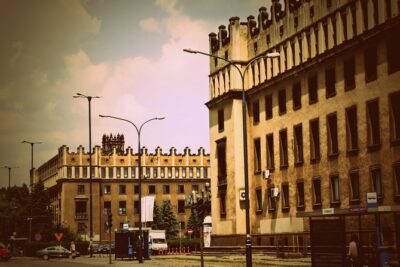
Legendary Private Nowa Huta Communism Tour with Crazy Guides
Read our review →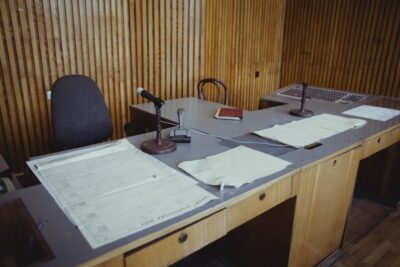
Nowa Huta: Steelworks Administration Buildings/Shelters Tour
Read our review →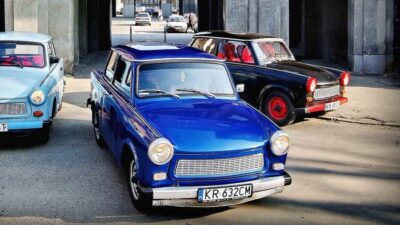
Private Nowa Huta Adventure Tour in Communist Cars
Read our review →
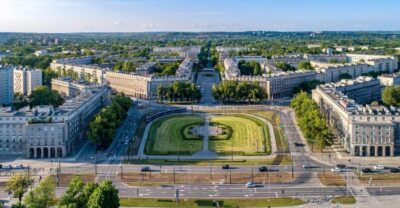
Communist Krakow – Nowa Huta Walking Tour in English
Read our review →
1.5h Crazy Guides’ Communism Tour of Nowa Huta in Classic Car
Read our review →
Nowa Huta Tour from Krakow: Communist City, Vodka & Zapiekanka
Read our review →Browse the lists this tour appears in