
Reviewed · MUSEUMS
Galicja Jewish Museum
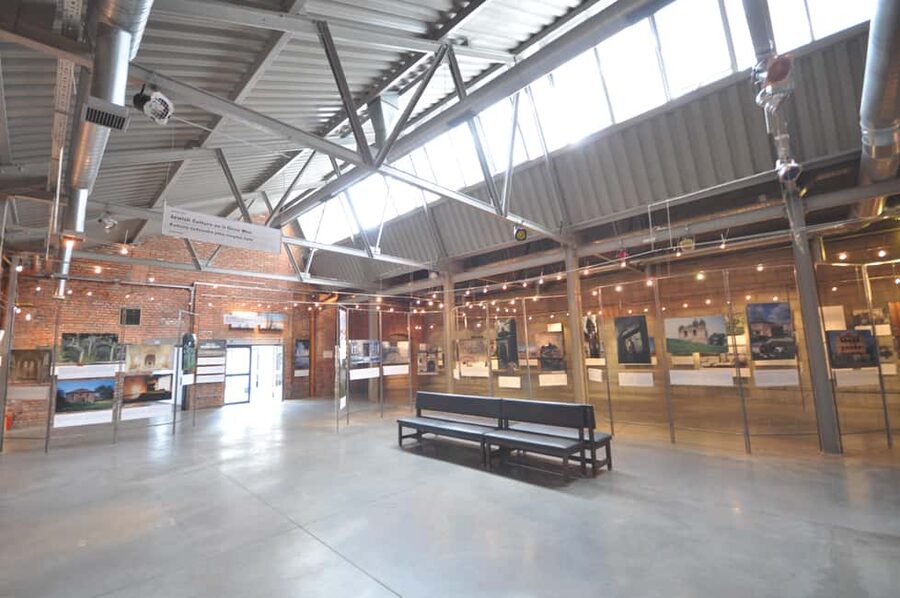
The Galicia Jewish Museum puts photographs at the center of its story. More than 140 images record Jewish life in southern Poland, the remains of that life, and the damage caused by the Nazis during World War II. This is not a museum built around a large collection of objects. It asks you to look closely and think.
I like the freedom to move at your own pace, and I like the permanent exhibition, Traces of Memory, which grew from twelve years of photographic work. The museum also offers a cafe, bookshop, temporary displays, concerts, lectures, and workshops. The main drawback is simple: if you prefer original artifacts to photographs, the visit may feel limited.
In This Review
- Key points to know before you go
- What the Galicia Jewish Museum is trying to show
- Walking through Traces of Memory
- Why the photographs matter
- Allow two hours and keep your own pace
- Beyond the permanent exhibition
- Comparing the ticket with the Krakow City Card
- Ticket rules and arrival tips
- Who will value this museum most
- How it fits into a Krakow day
- Should you book the Galicia Jewish Museum?
- FAQ
- Where is the Galicia Jewish Museum located?
- How much does admission cost?
- Is admission free with the Krakow City Card?
- How long is the ticket valid?
- Do I need to print my ticket?
- Where can I print the ticket if I cannot do it at home?
- How late can I enter the museum?
- Can I cancel for a full refund?
Key points to know before you go
- More than 140 photographs: Chris Schwarz’s images trace Jewish communities and surviving sites across former Galicia.
- A self-guided visit: You can walk through the museum at your own speed, with enough material for roughly two hours.
- A quiet place for reflection: Arriving at opening time, listed as 10 a.m. in one visitor account, can make the galleries easier to take in.
- A focus on Jewish life and loss: The museum honors Holocaust victims while also presenting centuries of Jewish culture in Poland.
- Part of the Krakow City Card: Card holders receive free admission, while the standalone ticket costs about $4.33 per person.
- A printed ticket is required: The local operator sends a separate ticket by email, and only a printed copy is accepted.
What the Galicia Jewish Museum is trying to show
The Galicia Jewish Museum was created to honor the victims of the Holocaust and celebrate Jewish culture in Polish Galicia. That balance matters. The museum is not only about destruction, and it is not only about religious or cultural tradition. It connects the two.
Galicia was a historic region that included much of southern Poland. The museum focuses on the Jewish presence in that area, including traces left behind in towns, cemeteries, synagogues, and other places connected with Jewish life.
The permanent exhibition, Traces of Memory, is the heart of the visit. It is the result of twelve years of work by Chris Schwarz, a British photographer who devoted much of his career to documenting Jewish culture in Poland. Schwarz later served as the museum’s director until his death in 2007.
I find the photographic approach useful because it shows absence as well as presence. A building, memorial, cemetery, or surviving fragment can tell you about a community, but it can also make clear what is no longer there. The museum uses these images to record both Jewish life and the process by which Nazi persecution destroyed it.
More museums in Krakow:
- Auschwitz-Birkenau Museum and Memorial Guided Tour from Krakow
★ 4.5 · 1,510 reviews - Krakow: Rynek Underground Museum Guided Tour
★ 4.6 · 1,122 reviews - Krakow Schindler’s Factory Museum Guided Tour in English
★ 4.5 · 650 reviews
Walking through Traces of Memory
You should give the permanent exhibition time rather than treating it as a quick stop between Krakow sights. One visitor spent about two hours reading the information and studying the photographs. That feels like a sensible pace if you want to understand the material rather than simply pass through.
The exhibition presents photographs connected to Jewish communities in southern Poland. Some images focus on physical remains. Others show places where Jewish life once took place, or the evidence left after the war. The photographs work best when you pause to read the accompanying text and connect each image with the larger story.
The museum’s greatest strength is also its main limitation. The displays are built mainly around photographs, not a large collection of historic objects. If you want costumes, household items, ritual objects, or archaeological pieces, you may find the experience less satisfying than a traditional museum.
Still, photographs can make the story direct. They show real places rather than reducing Jewish culture to a list of dates and names. I like that the exhibition encourages you to consider what survived, what was damaged, and what disappeared.
Why the photographs matter
The images are more than decoration on gallery walls. They form a visual record of Jewish life in Galicia and a record of the Nazi destruction of that culture during World War II.
That distinction is important when you plan your visit. The museum is not presenting one dramatic event in isolation. It gives you a longer view, reaching back across about 800 years of Jewish culture in Poland. The Holocaust is central, but it is placed within the life that existed before it.
You may find some photographs moving because they show ordinary places rather than grand historical scenes. A street, wall, cemetery, or religious site can carry a great deal of meaning when you understand that it once belonged to a living community.
The museum also helps correct a common problem in Holocaust-focused sightseeing. It is easy for a visit to become only a record of death. Here, the photographs also point to faith, family, community, work, and cultural identity. That wider frame gives the subject more dignity.
Allow two hours and keep your own pace
This is a self-guided museum visit, not a scheduled walking tour with a guide leading you from stop to stop. That makes the timing flexible. You can spend extra minutes with a photograph that catches your attention, or move faster through material you already understand.
Two hours is a useful working estimate based on the amount of reading and the size of the permanent display. You could spend less time if you are fitting the museum between other Krakow sights. If the subject matters to you, arriving early and allowing a longer visit will give the exhibition room to work on you.
One visitor arrived at opening time and found the museum fairly empty. That is a practical tip, not just a comfort issue. Quiet galleries make it easier to read the captions and reflect on difficult images without feeling rushed.
Opening hours can change, so check the current schedule before setting out. The last entrance is 90 minutes before closing. That rule matters because a late arrival could leave you with too little time for the permanent exhibition.
A different sort of day out from Krakow:
- From Krakow: Auschwitz-Birkenau Guided Tour & Hotel Pickup
★ 4.5 · 33,358 reviews - From Krakow: Auschwitz-Birkenau Guided Tour & Hotel Pickup
★ 4.5 · 29,340 reviews - Krakow: Auschwitz Guided Tour with Optional Hotel Pickup
★ 4.5 · 15,280 reviews - Krakow–Zakopane: Cable Car, Chocholow Baths, Cheese & Vodka
★ 5.0 · 10,720 reviews
Beyond the permanent exhibition
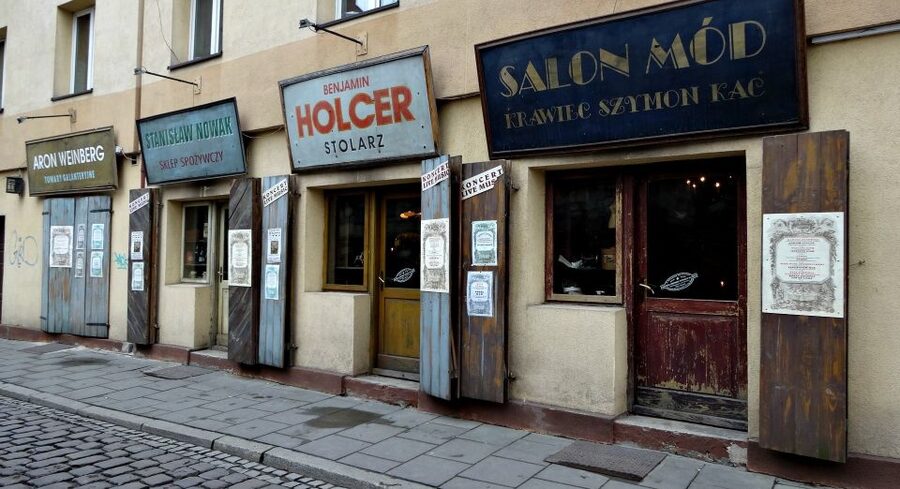
The museum is more than one gallery. It also has space for temporary exhibitions, concerts, meetings with authors, lectures, and workshops. The exact program can change, so you should check what is scheduled if one of these events interests you.
The cafe gives you a place to pause after the exhibition. It may be useful if you want to sit quietly and talk through what you have seen, though the supplied information does not specify the menu or prices.
The bookshop is another worthwhile feature, especially if you want to continue reading after your visit. It carries books in Polish, English, and German on Jewish life and culture, the Holocaust, Jewish thought, identity, and literature.
That range makes the museum useful for different kinds of visits. You can make a short stop for the main exhibition, or spend longer with a temporary display, a talk, or a book. Do not assume every event is included with the basic admission, since the available information does not state how special programs are priced.
Comparing the ticket with the Krakow City Card
The standalone price is about $4.33 per person. For a museum with enough material to occupy roughly two hours, that is a modest cost, particularly if you care about Jewish history, photography, or the cultural story of Krakow.
The value improves if you already hold the Krakow City Card. Card holders receive free admission to the Galicia Jewish Museum, and the card can also provide access to 36 Krakow museums and landmarks for one to three days.
The listed card attractions include Schindler’s Factory, the Old Synagogue, the Rynek Underground Museum, the Polish Aviation Museum, the Princes Czartoryski Museum, and several branches of the Archaeological Museum. Other included sites range from the City Defence Walls and Barbican to MOCAK, the Podgórze Museum, the Town Hall Tower, and the Krakow National Museum’s Main Building.
If you are planning several museum visits, the card may be the better value. If this is your only paid museum stop, the low individual ticket price keeps the decision easy. You should compare the current card cost with the sites you truly plan to visit rather than buying it automatically.
Ticket rules and arrival tips
The local operator sends a separate ticket by email after booking. You must bring a printed copy because only a printed version is accepted.
If you cannot print at home, printing is available at Plac Szczepański 8. Build that extra errand into your plan. A digital ticket on your phone may not be enough, and discovering that at the entrance would be an avoidable problem.
The meeting point can vary depending on the option booked. Transportation is not included, so you are responsible for reaching the museum and returning from it. The activity ends back at the meeting point, although this is a museum visit rather than a guided route through several places.
Smoking is not allowed. Opening hours may also differ from those originally shown, so check them again close to your visit.
Free cancellation is available up to 24 hours in advance for a full refund. That gives you some useful flexibility if your Krakow plans change.
Who will value this museum most
I would choose this museum if you want a thoughtful look at Jewish life in Poland rather than a quick checklist attraction. It suits visitors who enjoy photography, reading, and quiet reflection.
It is also a strong choice if you have already seen Krakow’s Old Synagogue or Schindler’s Factory and want another angle on the city’s Jewish past. The museum’s focus on southern Poland and former Galicia broadens the picture beyond a single neighborhood or wartime site.
Families with older children and teenagers may find the photographs useful for starting a conversation about memory, identity, and the Holocaust. Very young children may have less patience for the reading and the serious subject matter.
I would be more cautious if you want an object-heavy museum or a guided explanation at every stage. The displays rely on photographs and written context, and no guide is included in the basic experience.
How it fits into a Krakow day
The museum works well as a two-hour cultural stop, especially when you want to slow down after visiting several major sights. You can pair it with other Krakow museums included on the City Card, but leave enough time to absorb the material instead of squeezing it into a narrow gap.
A morning visit is a sensible choice. The museum may be quieter at opening time, and you will have more energy for the reading. If you visit later, remember the 90-minute last-entry rule and check the hours that day.
You should not expect transportation, a fixed tour route, or a named guide. The strength here is independence. You set the pace, decide how long to stay with each image, and choose if you want to browse the bookshop or check the cafe afterward.
Should you book the Galicia Jewish Museum?
Book it if you want a serious, affordable museum that presents Jewish culture in Galicia through carefully considered photography. The permanent exhibition offers enough for a two-hour visit, and the quiet, self-guided format gives you time to think.
Skip it if your main interest is a large collection of original artifacts or a lively guided presentation. For most other visitors, the $4.33 ticket is a fair price, and admission is free with the Krakow City Card.
The best plan is to arrive early, bring the printed ticket, allow about two hours, and read the captions instead of rushing. This is a museum about people and places, not just dates. Give it the attention it asks for.
FAQ
Where is the Galicia Jewish Museum located?
The museum is in Lesser Poland, Poland, in Krakow.
How much does admission cost?
The listed price is about $4.33 per person.
Is admission free with the Krakow City Card?
Yes. Krakow City Card holders receive free admission to the Galicia Jewish Museum.
How long is the ticket valid?
The activity is valid for one to two days. You should check availability for the current starting times.
Do I need to print my ticket?
Yes. A separate ticket is sent by email after booking, and only a printed version is accepted.
Where can I print the ticket if I cannot do it at home?
You may print the ticket at Plac Szczepański 8.
How late can I enter the museum?
The last entrance is 90 minutes before closing.
Can I cancel for a full refund?
Yes. You can cancel up to 24 hours in advance for a full refund.
Just added around Krakow
- Private Guided Tour: Oskar Schindler’s Factory★ 5.0 · 3 reviews
- E-Scooter Krakow sightseeing tour★ 5.0 · 3 reviews
- From Krakow: Zakopane and Thermal Pools Guided Trip★ 5.0 · 3 reviews
- Schindler’s Factory, Ghetto and Plaszow Camp Guided Tour★ 4.7 · 3 reviews
- From Krakow: Private Wieliczka Salt Mine Tour★ 4.0 · 3 reviews
- Kraków: Private Hot Air Balloon Flight with Champagne★ 3.7 · 3 reviews
- Krakow: River Cruise & Guided Visit to Former Plaszow Camp★ 3.6 · 3 reviews
- Krakow: Old Town short walk with St. Mary’s Basilica visit★ 5.0 · 3 reviews
Museums, compared.
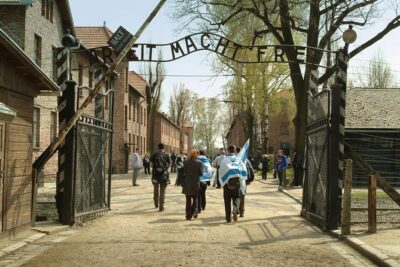
Auschwitz-Birkenau Museum and Memorial Guided Tour from Krakow
Read our review →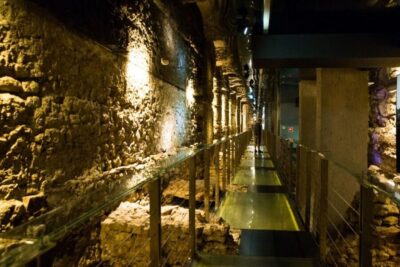
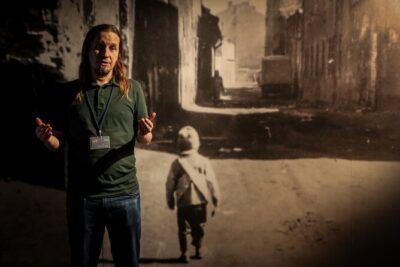
Krakow Schindler’s Factory Museum Guided Tour in English
Read our review →
Auschwitz Birkenau Museum Guided Tour with Pickup
Read our review →
Auschwitz Birkenau Museum and Salt Mine All Inclusive DAY TRIP with Local Guides
Read our review →
Chopin Piano Concert at Chopin Gallery with a Glass of Wine
Read our review →Browse the lists this tour appears in