
Reviewed · AUSCHWITZ-BIRKENAU TOURS
Kraków: Auschwitz-Birkenau & Salt Mine Full-Day Guided Tour
Auschwitz-Birkenau and Wieliczka Salt Mine make an unlikely pair: one is a place of murder and mourning, the other an underground world of salt-carved chapels and statues. Together, they give you two very different ways to understand Poland beyond Kraków’s handsome Old Town. The Auschwitz visit is solemn and carefully guided, while the Salt Mine adds remarkable craft and spectacle later in the day.
I like that both major sights use their own museum guides, rather than leaving the entire day to a driver with a microphone. I also like the practical value: at the stated $27 price, you get transport, admission arrangements, guides, hotel pickup and drop-off, insurance, and headsets in one package. The main drawback is simple: this is a very long day, often beginning between 5:00 and 10:00 AM, with limited time for food and a compact minibus.
In This Review
- Key points to know before booking
- Why combine Auschwitz and Wieliczka in one day?
- The early pickup from Kraków
- Auschwitz I and the Arbeit macht frei gate
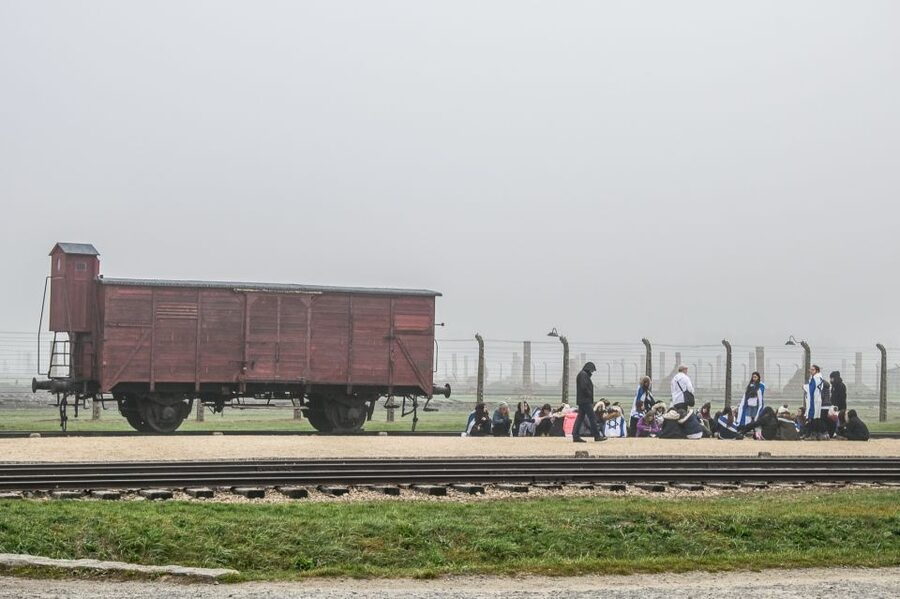
- Birkenau and the scale of the killing site
- The lunch break before going underground
- Wieliczka Salt Mine at 135 meters underground
- Transport, timing, and comfort
- What the $27 price really covers
- Who should book this day trip?
- Should you book the Auschwitz and Salt Mine combination?
- FAQ
- How long does the tour last?
- What time does pickup begin?
- Are hotel pickup and drop-off included?
- Are food and drinks included?
- What should I bring to Auschwitz?
- How many stairs are there at Wieliczka Salt Mine?
- Is the tour suitable for wheelchair users?
Key points to know before booking
- Auschwitz I and Birkenau are separate visits: You tour the preserved barracks at Auschwitz I, then continue to Birkenau, where the scale of the killing site becomes clearer.
- The Salt Mine involves 800 steps: The route reaches 135 meters underground and covers about 2 kilometers through several chambers.
- The exact pickup time is confirmed the day before: Your chosen time is a preference, not a guarantee. Some departures have begun around 5:15 or 5:30 AM.
- You receive specialist guides at both museums: English-speaking guides lead the Auschwitz and Wieliczka visits, with a professional tour leader and driver handling the day.
- Bring food and a small bag: Food is not included, and the museum allows only small bags up to 20 by 30 centimeters.
- The day suits active visitors: Wheelchair users and people with mobility impairments should choose another arrangement.
Why combine Auschwitz and Wieliczka in one day?
If you have only a short stay in Kraków, this tour covers two important places that are awkward to fit into separate half-days. Auschwitz is about an hour and a half from the city by road, and Wieliczka lies in another direction. A single outing saves you from arranging two separate trips.
The tradeoff is pace. You are not getting a leisurely day at either place. The full outing lasts about 11 hours, and the schedule includes roughly three hours of guided touring at Auschwitz, a one-hour meal break before the Salt Mine, two and a half hours underground, and several road transfers.
I think the pairing works best because the sites are so different. Auschwitz demands quiet attention. Wieliczka is more visual and architectural, with chambers, sculptures, and chapels cut from rock salt. The Salt Mine does not make the Auschwitz visit lighter, but it gives the latter part of the day a different mood and subject.
More Auschwitz-Birkenau memorial visits:
- From Krakow: Auschwitz-Birkenau Guided Tour & Hotel Pickup
★ 4.5 · 33,358 reviews - From Krakow: Auschwitz-Birkenau Guided Tour & Hotel Pickup
★ 4.5 · 29,340 reviews - Krakow: Auschwitz Guided Tour with Optional Hotel Pickup
★ 4.5 · 15,280 reviews
The early pickup from Kraków
Pickup depends on the option and your accommodation. You wait at the assigned meeting point, or choose the pickup service if it is available for your location. The exact time arrives by email the day before, and changes may also be sent to your phone or hotel reception.
Plan around the earliest possible departure. Although you may select a preferred time, it is not guaranteed. Some departures have started at 5:15 or 5:30 AM even when a later time was selected. That early start can be useful, since you reach the sights before the day becomes even more demanding, but it is not ideal after a late Kraków evening.
Look for the clearly marked vehicle and keep your phone available. One useful feature is the professional tour leader and driver, who manages the transfers and checks that everyone is present before moving on. The air-conditioned minibus is comfortable in principle, though legroom can feel tight. Overhead storage is available, but large luggage is not suitable.
The drive to Auschwitz takes about an hour and a half. Use it to rest, eat something small, and prepare yourself for a serious morning. This is not a sightseeing drive through rural Poland with a running commentary. The focus is getting you to the museum on time.
Auschwitz I and the Arbeit macht frei gate
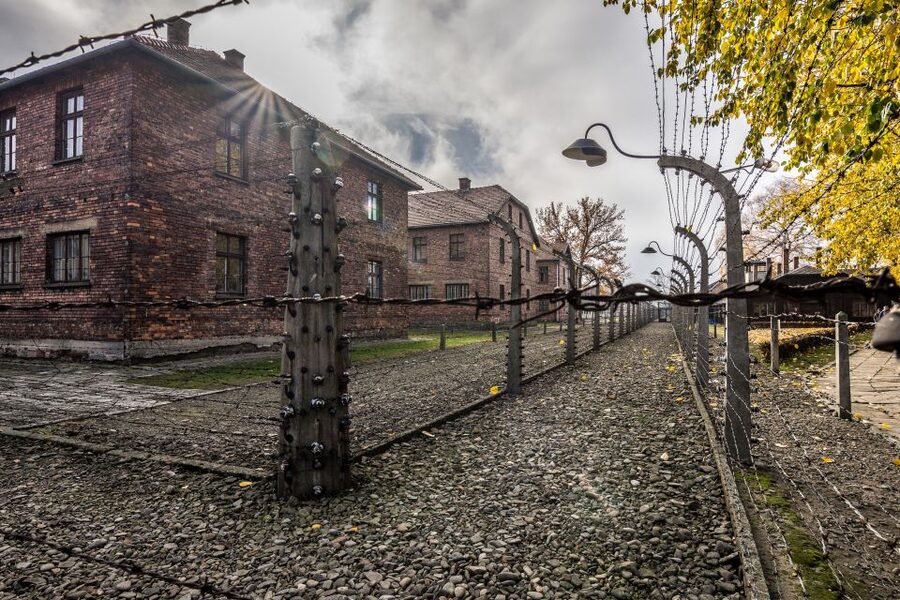
The first guided visit lasts about two hours at Auschwitz I. You enter through the well-known gate bearing the inscription Arbeit macht frei, then walk through the preserved camp area with an English-speaking guide provided by the museum.
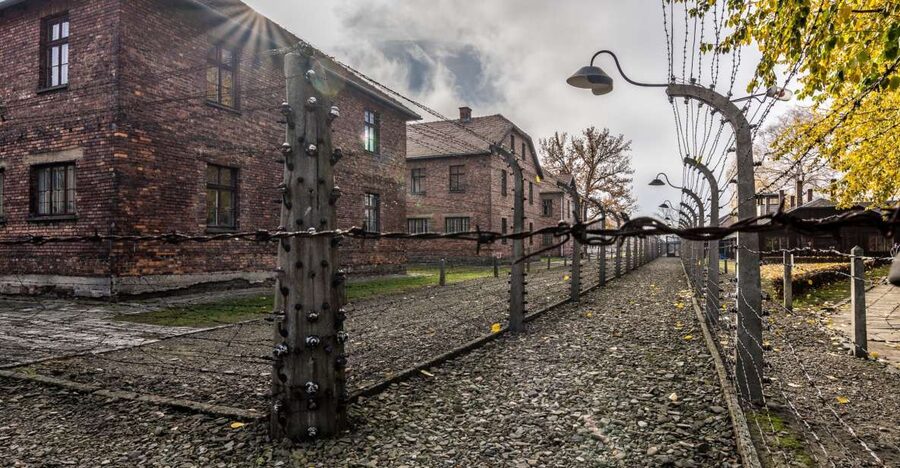
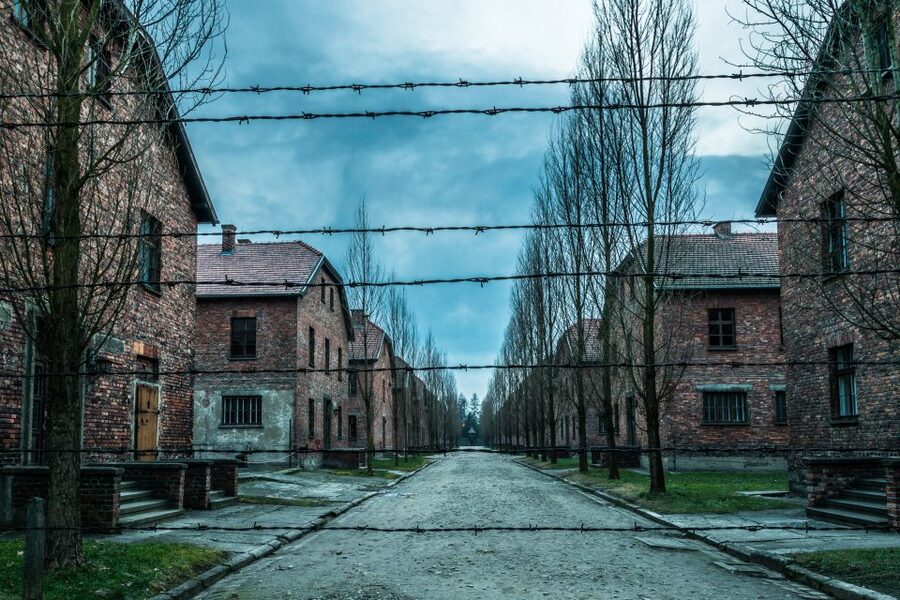
The power of Auschwitz I comes from its physical detail. Original barracks and camp buildings show where prisoners were held, while the preserved site gives structure to the guide’s explanation of how the camp operated. You are not simply hearing dates and names. You are moving through the place where prisoners were registered, confined, and subjected to Nazi persecution.
A certified historian or museum educator leads this part of the visit. The guide explains the camp’s creation in 1940 by Nazi Germany and its role as the largest concentration camp complex operated by the Nazis. The history is difficult, and the tone should be respectful rather than dramatic. Recent departures have benefited from guides who explain the material clearly and treat the subject with care. Michal is one guide whose work has received particular praise, though the guide assigned to you can vary.
You should expect a serious visit. Auschwitz is the place to listen, look closely, and avoid treating the site like an ordinary attraction. Photography rules and museum instructions matter here. A headset is included, which helps you follow the guide in a group without needing to stand directly beside the speaker.
There is only about 10 minutes of break time after Auschwitz I. That is enough for a quick pause, toilet visit, or drink, but not a relaxed café stop. Wear shoes you can walk in and bring a warm layer. In winter, the open sections can feel bitterly cold, especially when you are moving between buildings.
Birkenau and the scale of the killing site
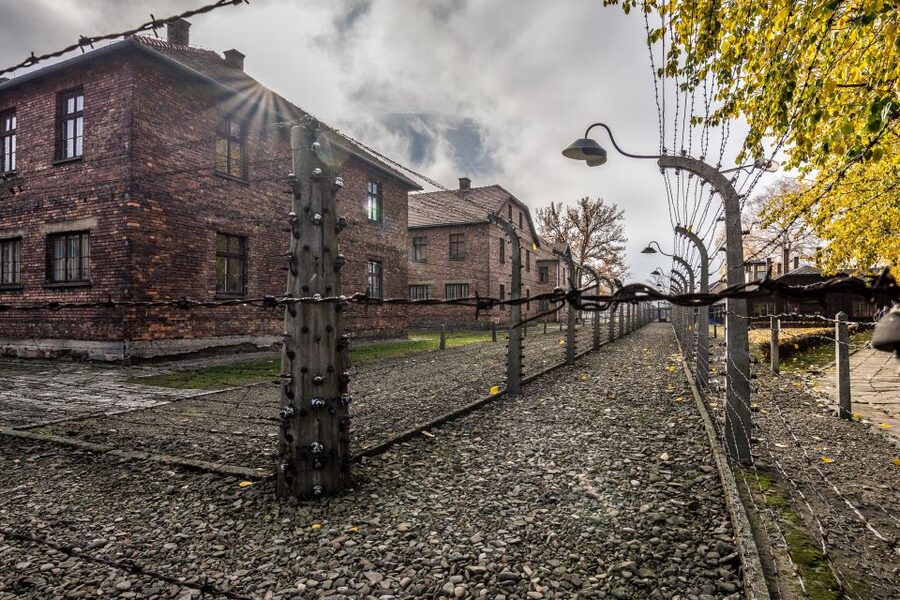
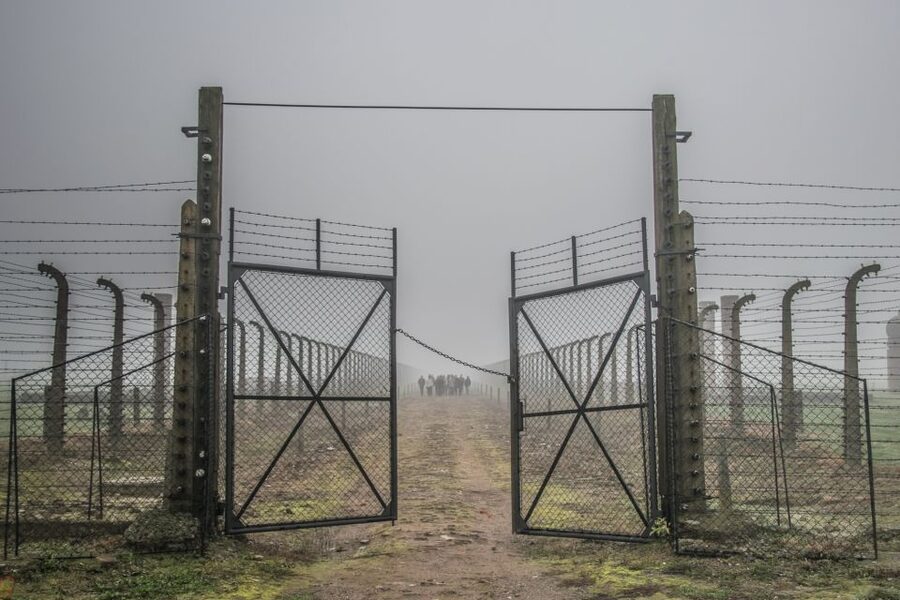
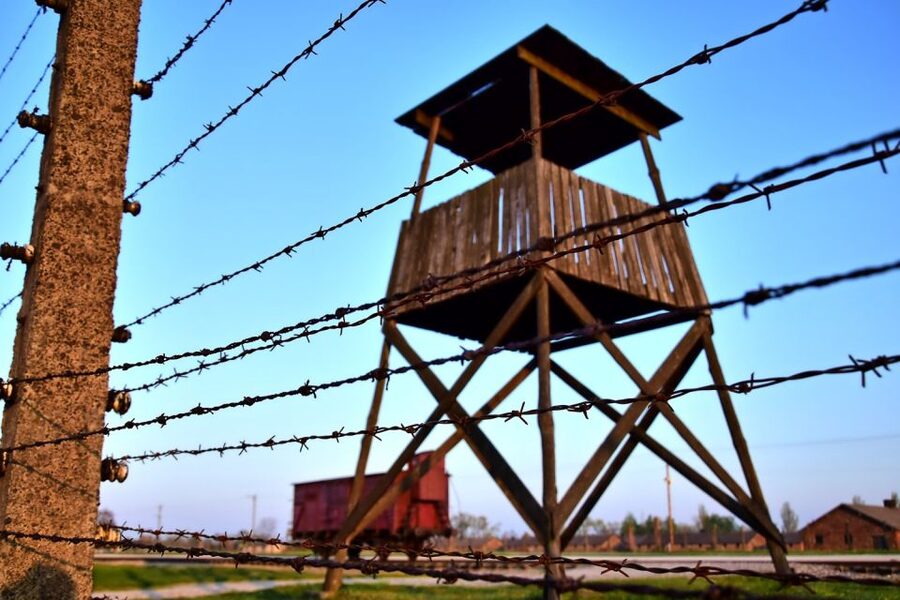
The second camp, Auschwitz II-Birkenau, follows the first guided visit and lasts about an hour. A short transfer separates the two sites, and the change in scale is striking.
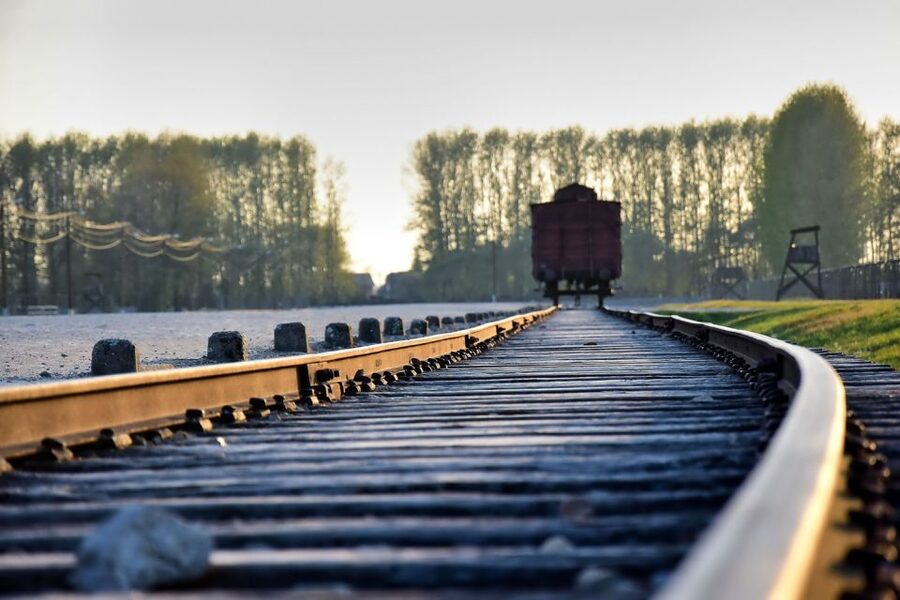
Birkenau is associated with the mass killing carried out as part of the Nazi Final Solution. The wide grounds, railway approach, barracks, and remaining structures show how large the camp complex was. Auschwitz I helps you understand the machinery of imprisonment. Birkenau makes the planned scale of deportation and murder harder to ignore.
The guide gives the visit its shape. Without context, a large open site can be difficult to read. With explanation, the railway, barracks, and surviving remains become part of a clear historical account. You should allow yourself time to take in the setting, but remember that this is a group schedule, not a private walking tour.
The Auschwitz portion lasts about three hours in total. It is not a light morning activity, and you may feel emotionally tired before lunch. That is part of the reason the tour works better for visitors who want a structured introduction rather than an independent visit with limited preparation.
You must bring a passport or ID card. The name on your booking must match the name on the identification used for entry. Large bags and backpacks are not allowed inside the museum, with a maximum permitted size of 20 by 30 centimeters. Pack lightly, and do not arrive with sharp objects, alcohol, or anything that could cause a security problem.
More Wieliczka Salt Mine trips:
- From Krakow: Wieliczka Salt Mine Tour
★ 4.6 · 9,393 reviews - Krakow: Auschwitz-Birkenau and Salt Mine Guided Tour
★ 4.7 · 9,020 reviews - Krakow: Wieliczka Salt Mine Guided Tour with Transport
★ 4.4 · 7,429 reviews - Krakow: Wieliczka Salt Mine Fast-Track Ticket & Guided Tour
★ 4.5 · 5,872 reviews
The lunch break before going underground
Before entering the Salt Mine, you receive about one hour for lunch. Food and drinks are not included, so carry something with you unless you arrange a lunch option.
This break matters more than it may sound. The day is long, and the Salt Mine route includes extensive walking and stairs. A quick snack in the morning will not be enough for everyone. One practical lesson is to bring a sandwich, fruit, and juice, since the time between the road transfers and visits can be limited.
There has been some confusion on certain departures about whether a restaurant meal is available or whether you should bring your own food. If convenience matters, ask about a lunch package before the day begins. Otherwise, pack your own meal and treat the hour as a proper rest stop.
Wieliczka Salt Mine at 135 meters underground
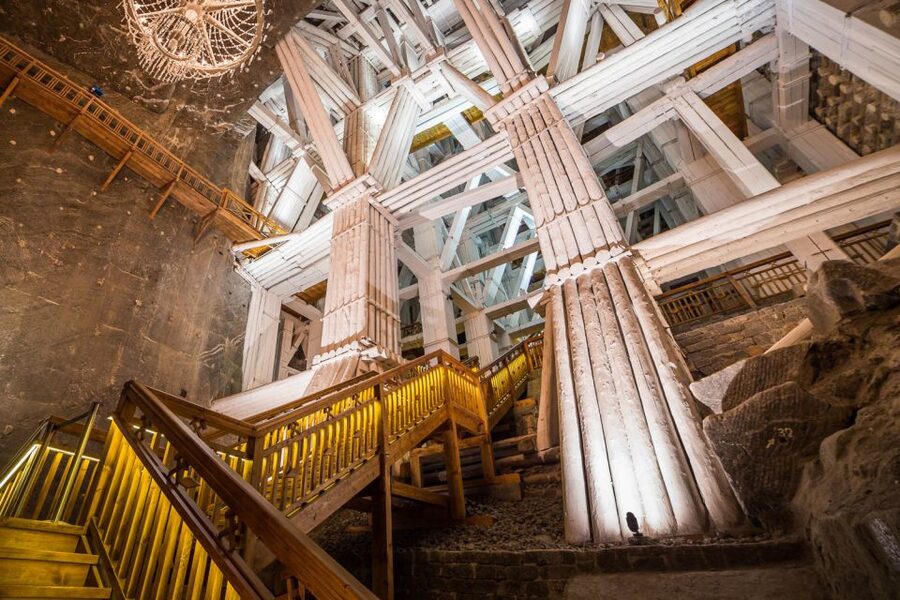
The Wieliczka visit begins with an English-speaking guide from the mine museum. You descend 800 steps and reach a depth of about 135 meters, then follow a route of roughly 2 kilometers through the underground chambers.
The temperature is cooler below ground, so take a light jacket even if Kraków is warm. The route is active rather than technically difficult, but the number of stairs makes a real difference. This is not a good choice for wheelchair users or people with mobility impairments, and anyone with trouble walking should think carefully before booking.
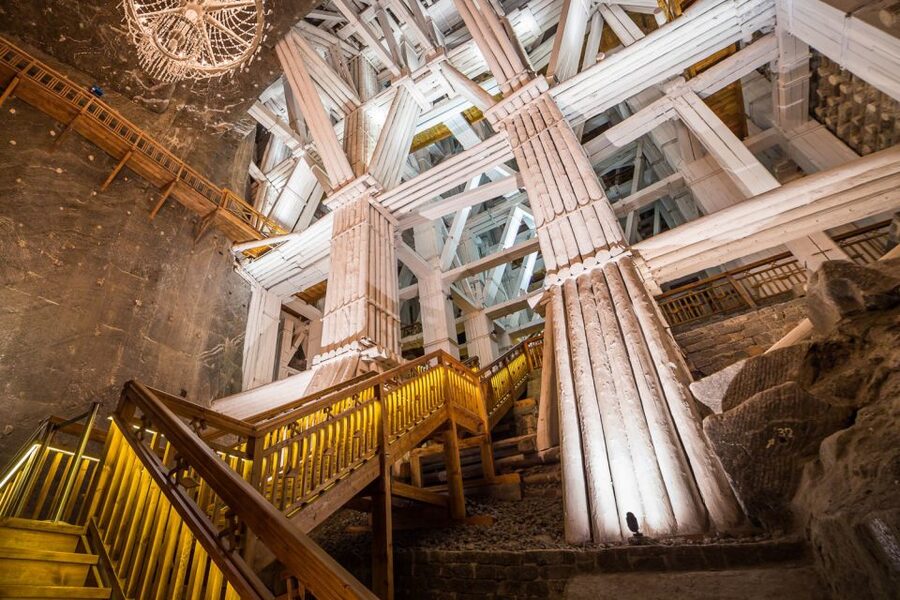
Wieliczka is a former salt mine with the feel of an underground art museum. Miners carved statues and religious spaces from the salt rock, and contemporary artists added further carvings. The result is unusual: part industrial site, part historic monument, and part gallery.
The chapels are the highlight. Four chapels are included along the route, with salt sculptures and decorative work cut directly from the mine. The most memorable rooms are not just large empty caverns. They show how miners used the material beneath their feet to create places of worship and art.
The guided tour lasts about two and a half hours. Unlike Auschwitz, where the emotional weight comes from the evidence of human suffering, Wieliczka holds your attention through workmanship, scale, and the odd pleasure of seeing salt used as a building and sculpting material. The guide adds useful context and, on some departures, a little humor, which fits the lighter second half of the day.
Photography is a major reason many people enjoy this stop, but do not let the pictures distract you from the route. You are underground for a long time, and the guide controls the pace. Keep your group in sight and follow instructions at stairs and narrow sections.
Transport, timing, and comfort
The planned schedule includes about three hours of bus or minibus travel: roughly 1.5 hours to Auschwitz, another 1.5 hours toward Wieliczka, and about 45 minutes back to Kraków. Road conditions and pickup locations can affect the real timing.
The vehicle is air-conditioned, and the driver handles hotel transfers and the connections between sites. Some minibus seating can feel tight around the knees, particularly on a full departure. If you are tall, a small amount of personal space may matter over such a long day.
The order of the two sights can change. Some departures visit Wieliczka first and Auschwitz later, while others begin at Auschwitz. That flexibility can help the operator fit museum entry times, but it means you should not build a fixed lunch or evening plan around the advertised order.
Most departures return to central Kraków, with drop-off points including Stare Miasto, Starowiślna 65, Wielopole 2, and Kiss&Ride. Confirm your return point before setting up an evening reservation. After 11 hours, a short walk back to your accommodation may be welcome, but you will not want to hurry across town for a tight booking.
What the $27 price really covers
At $27 per person, this is strong value if the advertised inclusions remain available for your date. The price covers hotel pickup and drop-off, the tour leader and driver, English-speaking museum guides at both locations, insurance, headsets, and the transport between Kraków, Auschwitz, and Wieliczka.
The greatest value is time saved. You avoid piecing together two long-distance trips, finding the correct entrances, and coordinating museum schedules. You also get specialist guides at the sites, which is important at Auschwitz and useful at Wieliczka.
The low price does not mean the day is effortless. You still need to pay for food and drinks, manage the early pickup, and accept group-tour timing. You also give up the freedom to linger in one chamber, leave early, or choose your own lunch stop.
Free cancellation up to 24 hours before departure and the option to reserve now and pay later make the booking less rigid. The operator can cancel for reasons beyond its control, with a full refund. That is useful, but keep your plans flexible until the pickup time is confirmed.
Who should book this day trip?
I would choose this tour if you have limited time in Kraków and want both major sights handled in one organized day. It suits first-time visitors who prefer clear explanations, planned transport, and museum guides rather than independent logistics.
It is also a good fit if you are comfortable with an emotional morning, a long afternoon underground, and a schedule that leaves little room for wandering. Couples, families with older children, and small groups who value convenience can make good use of it.
I would hesitate if you dislike early starts, need generous legroom, have mobility limitations, or prefer slow travel. Auschwitz deserves attention, and Wieliczka requires stamina. Combining them means you see a lot, but you will not see either place at a relaxed pace.
Dress modestly for Auschwitz. Short skirts and sleeveless shirts are not permitted, and you should avoid bringing large bags. Wear sturdy shoes, carry your ID, and bring food, water, and a warm layer for the mine and outdoor sections.
Should you book the Auschwitz and Salt Mine combination?
Book it if your Kraków schedule is short and you want an efficient, guided introduction to two very different places. The guides, included transport, hotel pickup, and low stated price make the arrangement practical, while the museum-led visits add the context these sites require.
Skip it if you want to spend a full day at Auschwitz alone, avoid group schedules, or cannot manage 800 steps and several hours of walking. For everyone else, this is a demanding but worthwhile day, with the strongest value coming from its organization and the quality of the site guides. Just protect your evening, pack lunch, and prepare for an early start.
FAQ
How long does the tour last?
The full experience lasts about 11 hours, or 690 minutes. The exact schedule depends on pickup location, museum entry times, and the order of the two visits.
What time does pickup begin?
The usual start time falls between 5:00 AM and 10:00 AM. Your preferred time is not guaranteed, and the exact pickup time is sent by email the day before.
Are hotel pickup and drop-off included?
Yes, hotel pickup and drop-off are included when the selected option provides pickup. Central Kraków drop-off points include Stare Miasto, Starowiślna 65, Wielopole 2, and Kiss&Ride at Wielopole 2.
Are food and drinks included?
No. Food and drinks are not included. You receive about one hour for lunch before entering the Salt Mine, so bringing food and a drink is a practical choice.
What should I bring to Auschwitz?
Bring a passport or ID card, and make sure the name on your booking matches the name on your identification. Large bags and backpacks are not permitted, with a maximum size of 20 by 30 centimeters.
How many stairs are there at Wieliczka Salt Mine?
The route includes about 800 steps and reaches a depth of 135 meters. The underground route covers approximately 2 kilometers, so suitable walking ability is necessary.
Is the tour suitable for wheelchair users?
No. The tour is not suitable for wheelchair users or people with mobility impairments because of the stairs and walking involved.
More Full-Day in Krakow
- From Krakow: Auschwitz-Birkenau Full-Day Guided Tour
★ 4.5 · 3,419 reviews - Auschwitz Birkenau and Wieliczka Salt Mine Guided Full Day Tour
★ 5.0 · 2,768 reviews - From Krakow: Auschwitz and Wieliczka Salt Mine Full-Day Trip
★ 4.7 · 1,071 reviews - Auschwitz Ticket and Full-Day Tour from Krakow
★ 4.7 · 994 reviews
Just added around Krakow
- E-Scooter Krakow sightseeing tour★ 5.0 · 3 reviews
- Private Guided Tour: Oskar Schindler’s Factory★ 5.0 · 3 reviews
- From Krakow: Zakopane and Thermal Pools Guided Trip★ 5.0 · 3 reviews
- Schindler’s Factory, Ghetto and Plaszow Camp Guided Tour★ 4.7 · 3 reviews
- Kraków: Private Hot Air Balloon Flight with Champagne★ 3.7 · 3 reviews
- Krakow: River Cruise & Guided Visit to Former Plaszow Camp★ 3.6 · 3 reviews
- From Krakow: Private Wieliczka Salt Mine Tour★ 4.0 · 3 reviews
- Krakow: Old Town short walk with St. Mary’s Basilica visit★ 5.0 · 3 reviews
Auschwitz-Birkenau Tours, compared.

Auschwitz-Birkenau Guided Tour & Hotel Pickup
Read our review →Auschwitz-Birkenau Guided Tour & Hotel Pickup
Read our review →
Auschwitz Guided Tour with Optional Hotel Pickup
Read our review →
Auschwitz-Birkenau Guided Tour with Pickup & Lunch
Read our review →
Auschwitz-Birkenau Guided Tour Pickup/Lunch Options
Read our review →

Krakow to Auschwitz Birkenau Guided Tour with Transfer and Ticket
Read our review →
Browse the lists this tour appears in