
Reviewed · MUSEUMS
Kraków: Guided Tour of the Torture Museum
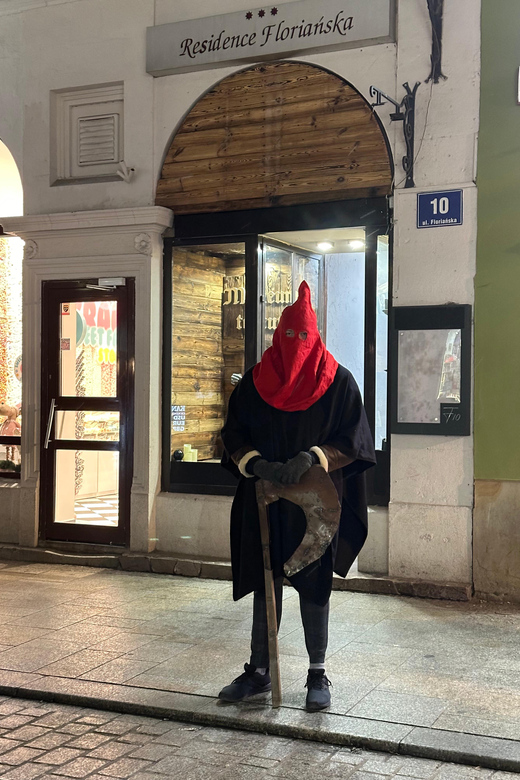
The most striking part of Krakow’s Torture Museum is the sheer variety of ways people once tried to punish, frighten, and kill one another. Inside the Florianska 10 location, you move from medieval devices to modern examples, with an executioner and his aides adding theatrical menace to the visit.
I like the small-group format, capped at 10 people, and the guide-led storytelling rather than a silent room of objects. I also like the witty tone, especially with Kamil, who brings energy and audience involvement to a grim subject. The main drawback is clear: this is not a gentle museum, and the one-hour visit may feel too intense for young children or anyone uneasy with graphic themes.
In This Review
- Key points to know before you go
- Florianska 10 and Krakow’s darker side
- A guided route from medieval devices to modern punishment
- Why the guide makes a difference
- What the one-hour format means for your day
- The tone: grisly facts with a sarcastic edge
- Is $9 a fair price?
- Accessibility and group size
- Who will enjoy this unusual Krakow stop?
- Tips for getting the most from the visit
- Should you book the Torture Museum?
- FAQ
- Where is Krakow’s Torture Museum located?
- How long is the experience?
- What language is the tour in?
- What does the tour include?
- Is the tour limited to a small group?
- Is the museum wheelchair accessible?
- Does the collection include a guillotine?
- Can I cancel the booking?
Key points to know before you go
- A compact one-hour visit: Your ticket is valid for one hour from first activation, making this easy to fit into a busy Krakow day.
- Medieval to modern punishment: The displays show how methods of torture and execution changed over time.
- A real guide, not just labels: An English-speaking host explains the devices and uses sarcasm to keep the tour moving.
- Kamil brings extra energy: His style includes audience involvement and clear explanations of different torture methods.
- A guillotine takes center stage: The collection includes the infamous device linked with the French Revolution.
- Good value at $9: The price is modest for a guided attraction in the historic center, though the subject matter is not for everyone.
Florianska 10 and Krakow’s darker side
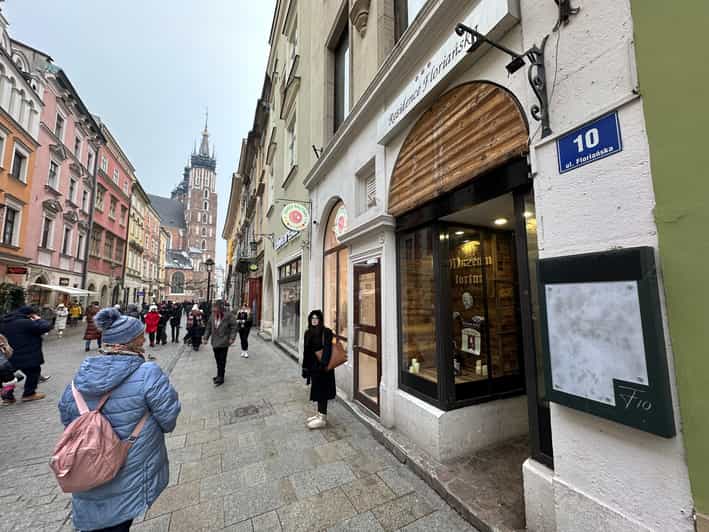
Krakow is best known for its grand churches, handsome squares, royal associations, and cafe-lined streets. This attraction offers a sharp change of mood. At Florianska 10, you step away from the polished city center and into a display built around human cruelty.
That contrast is part of the appeal. You do not need a half-day commitment or a long trip across the city. The museum gives you a focused look at punishment while you are already exploring Krakow’s central sights. A one-hour ticket makes it an easy addition before lunch, after a walk through the Old Town, or during a rainy afternoon.
The experience is designed to provoke a reaction. The setting is guarded by an executioner and assistants, and the presentation has a theatrical edge. You are not simply reading dates and names on wall panels. The attraction wants you to feel uneasy, curious, and perhaps grateful that modern justice is generally less dependent on public pain.
More museums in Krakow:
- Auschwitz-Birkenau Museum and Memorial Guided Tour from Krakow
★ 4.5 · 1,510 reviews - Krakow: Rynek Underground Museum Guided Tour
★ 4.6 · 1,122 reviews - Krakow Schindler’s Factory Museum Guided Tour in English
★ 4.5 · 650 reviews
A guided route from medieval devices to modern punishment
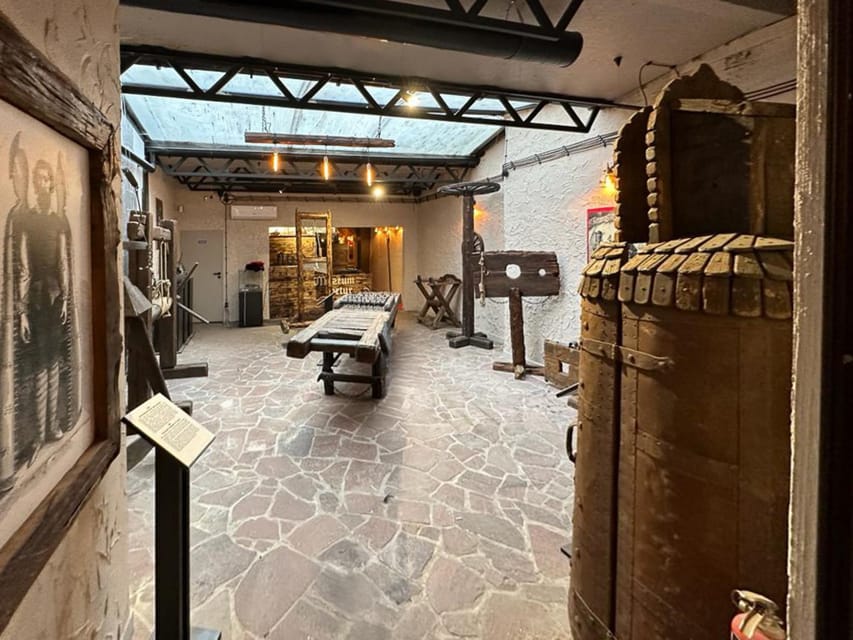
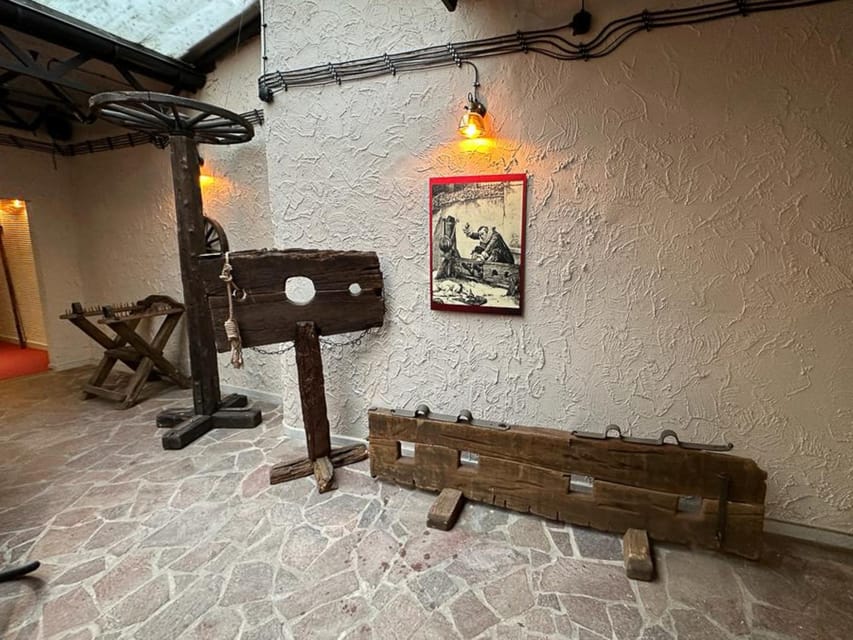
The visit centers on an extensive collection of torture devices. The material covers the medieval period through modern times, so the main point is not one single object. It is the changing idea of punishment, and the many tools created to carry it out.
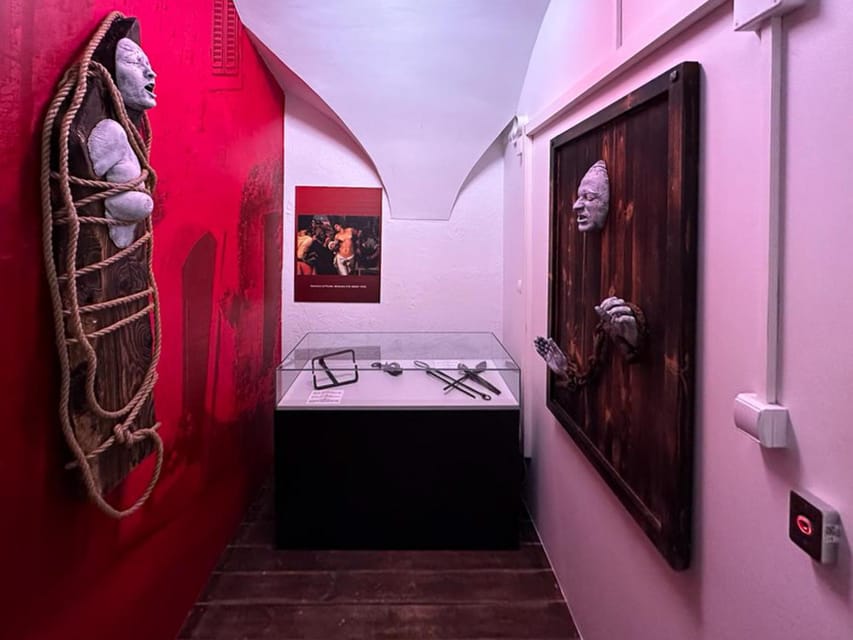
You can expect detailed reconstructions of devices used to torture, restrain, or execute people. Some are familiar from popular images of medieval justice, including the iron maiden. Others are less instantly recognizable, which is where the guide matters. A good explanation gives each object a purpose and context instead of leaving you to guess how it worked.
The tour also includes the guillotine associated with the French Revolution. Its appearance helps connect the museum’s darker displays with a broader shift in European punishment. The device is often remembered as a fast and efficient instrument, a cold contrast to the slower methods represented elsewhere in the collection.
The route is not presented as a dry academic lecture. The host uses sarcasm and grim humor to make the details easier to follow. That tone will suit you if you enjoy macabre attractions and can appreciate comedy used to soften an unpleasant subject. If you prefer a quiet, strictly historical presentation, the style may feel too theatrical.
Why the guide makes a difference
The guide is the main reason to choose this experience over simply looking at torture devices on your own. The collection may catch your eye, but the explanations give the objects meaning. You learn how the types of torture differed and how punishment developed from medieval practices into more modern forms.
The English-language tour is useful if you want the full presentation rather than relying on short translations. The group limit of 10 also matters. You are less likely to feel lost in a crowd, and there is a better chance of following the guide’s comments and taking part when the host asks questions or draws the group into the performance.
Kamil is one guide specifically associated with the experience. His approach is lively, involving the group from start to finish and explaining the different torture methods with confidence. That makes the tour feel more like a guided performance than a simple walk past exhibits.
The guide’s humor also shapes the mood. A sarcastic host can make a grim subject manageable, but humor is personal. I would choose this tour for curiosity and atmosphere, not for a solemn study of criminal justice. The point is to leave with a strong impression of the past, not to receive a detailed university course on European law.
What the one-hour format means for your day
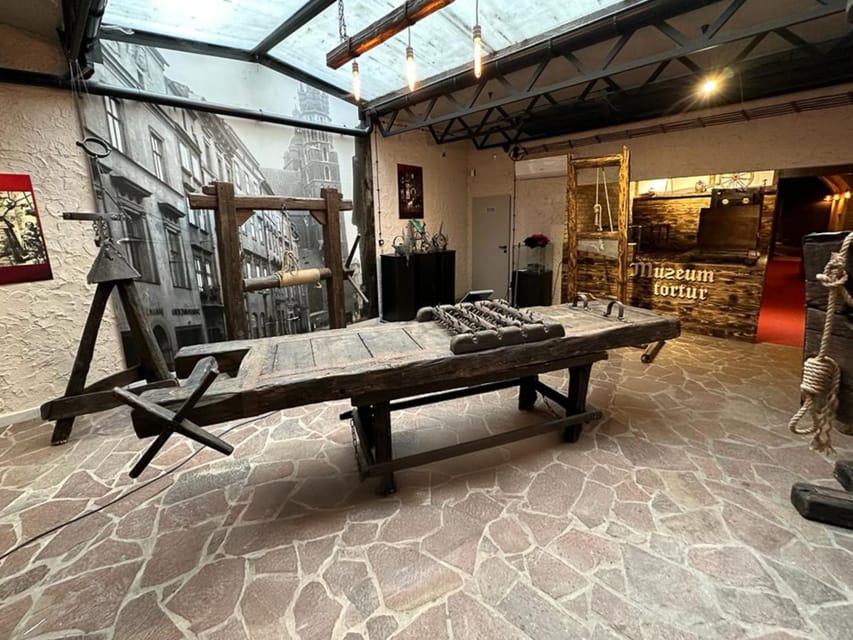
Your ticket is valid for one hour from first activation. That wording matters because this is a short, fixed experience rather than an open-ended museum visit. You should plan to give it a full hour once you start, rather than expecting to drop in for five minutes and return later.
The compact timing is a strength for most people. Krakow has enough major sights to fill several days, and this museum can fit between them without taking over your schedule. You can pair it with a day in the Old Town because the stated address is on Florianska Street, one of the city’s central visitor areas.
The short format also keeps the subject from becoming exhausting. A museum devoted to torture can be emotionally heavy, especially when the displays cover many methods in succession. One hour gives you a concentrated experience and a natural stopping point.
Do not expect a long, leisurely museum visit with room to study every display at length. The guided format sets the pace. If you like to read every label and examine each reconstruction closely, you may want to use any available pauses carefully. The strongest value here comes from the guide’s explanations and the overall presentation, not from spending an entire afternoon with the collection.
A few more Krakow trips worth comparing
- From Krakow: Auschwitz-Birkenau Guided Tour & Hotel Pickup
★ 4.5 · 33,358 reviews - From Krakow: Auschwitz-Birkenau Guided Tour & Hotel Pickup
★ 4.5 · 29,340 reviews - Krakow: Auschwitz Guided Tour with Optional Hotel Pickup
★ 4.5 · 15,280 reviews - Krakow: Auschwitz-Birkenau Guided Tour with Pickup & Lunch
★ 4.5 · 9,800 reviews
The tone: grisly facts with a sarcastic edge
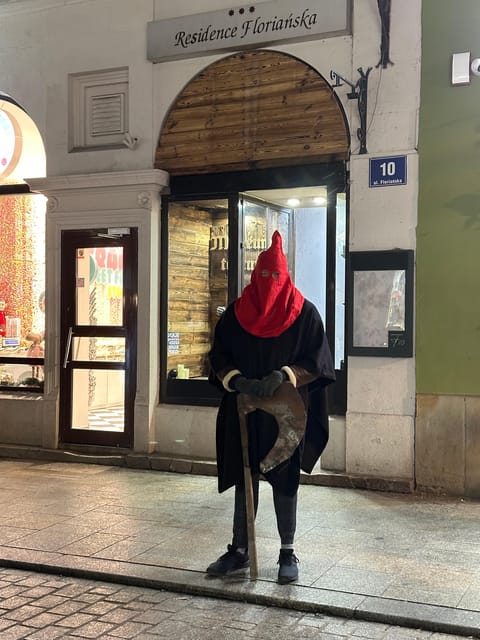
This attraction uses a deliberately macabre tone. The executioner and aides help create the feeling that you are entering a controlled performance, while the guide’s sarcasm keeps the material from becoming a list of grim facts.
That mix can work surprisingly well. Humor gives you a little distance from the displays, and it helps the guide hold your attention. Kamil’s audience involvement is especially useful because it turns the visit into an active experience. You are not just standing in a room while someone speaks at you.
Still, the subject should guide your booking decision. The museum presents gruesome stories and devices connected with severe human suffering. The experience promises intense emotions, so you should not book it simply because the price is low or because you have an hour to fill.
I would be cautious about bringing children unless you already know they can handle dark historical themes. The supplied information does not give an age recommendation, so I cannot set one for you. Use your own judgment based on the child’s sensitivity to descriptions of torture and execution.
Is $9 a fair price?
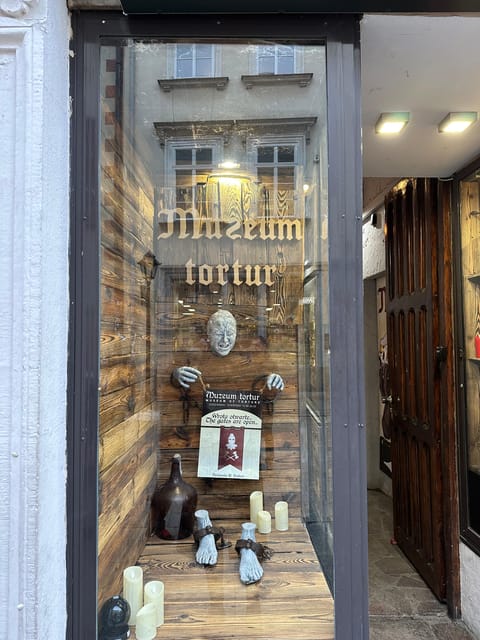
At $9 per person, this is a low-cost attraction by central Krakow standards. You receive a guided English-language visit, access to the collection, and a small-group setting. The price is especially reasonable if you want something unusual rather than another standard church, castle, or city-view stop.
The value depends on your interest. If medieval punishment, historical oddities, and dark tourism appeal to you, the combination of a live guide and a focused one-hour format makes the admission easy to justify. The fact that the tour is limited to 10 participants adds a little comfort and personal attention without turning it into a private tour.
If you dislike theatrical presentation or graphic subjects, even $9 is money poorly spent. The attraction does not appear designed as a neutral display of antiques. It aims for shock, suspense, and grim amusement. You are paying for the mood and the guided storytelling as much as for the objects.
The flexible booking terms reduce the risk. You can reserve now and pay later, and cancellation is free up to 24 hours in advance for a full refund. Those policies are helpful if your Krakow schedule is still changing, though the main decision remains whether the topic suits you.
Accessibility and group size
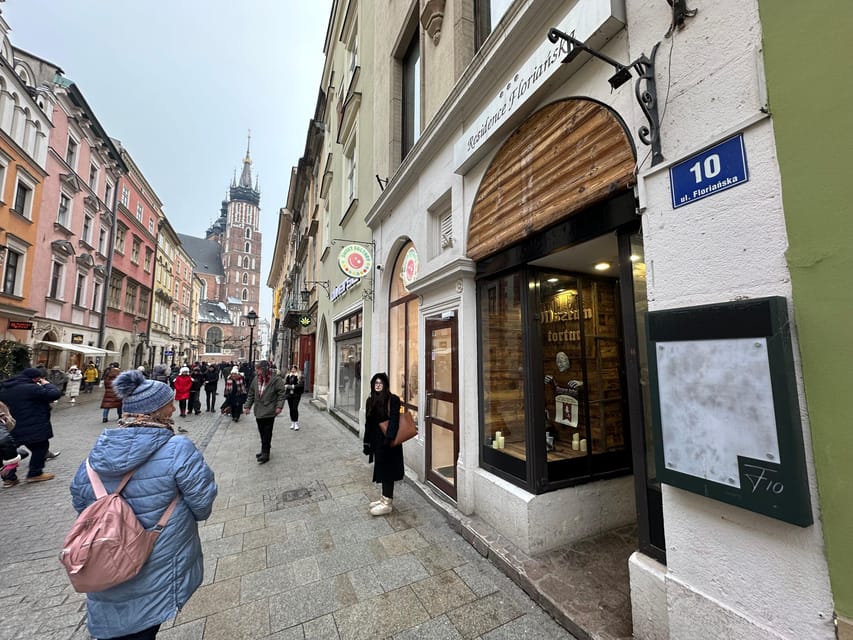
The experience is listed as wheelchair accessible, which is important practical information for anyone planning a central Krakow visit. You should still check the exact access details when booking if you have specific mobility needs, since the available information does not describe door widths, seating, or the path through the displays.
The small group limit is up to 10 participants. That is a useful middle ground. You get the energy of a shared experience, but the guide should not have to compete with a large crowd. It also supports the audience participation that is part of the presentation.
The language is English, and the tour has a live guide. If you need another language, this particular experience is not described as offering one. The English format makes it straightforward for international visitors who want more than visual displays.
Who will enjoy this unusual Krakow stop?
I would recommend the museum to you if you enjoy:
- Dark history and unusual city attractions
- Medieval devices and historical reconstructions
- Guided tours with humor and audience participation
- Short activities that fit around larger sightseeing plans
- Small groups rather than crowded attractions
- A theatrical experience with a deliberately grim mood
It is also a good choice if you have already seen Krakow’s major highlights and want a change of pace. The museum gives you a different way to think about the past. It is not polished or comforting, but it is memorable.
I would skip it if you are looking for a calm cultural visit, a detailed academic treatment of justice, or an activity suitable for everyone in your group. The sarcastic delivery may not appeal to all visitors, and the subject matter is plainly severe.
Tips for getting the most from the visit
Read the description of the experience before booking and be honest about your comfort level. The attraction is built around torture, execution, and gruesome stories, so there is no benefit in pretending it will be milder than advertised.
Allow the full hour once you activate your ticket. Since the validity runs for one hour from first activation, avoid starting it when you are rushing to another fixed appointment.
Keep your group small if possible. The tour allows no more than 10 people, and that format should make it easier to hear the guide and follow the explanations. If Kamil is leading your visit, expect a lively presentation with questions and involvement rather than a quiet audio-guide pace.
Give the guide’s explanation time to work. The devices are designed to shock, but the more useful part of the visit is understanding the progression from medieval punishment to modern methods. The guillotine, iron maiden, and other reconstructions are memorable objects, yet their value comes from seeing them within that wider story.
Should you book the Torture Museum?
Book it if you want a short, affordable, strongly themed attraction in central Krakow. At $9, with an English-speaking guide, a small group, and a one-hour format, it offers good value for anyone drawn to dark history. Kamil’s lively style and audience involvement can make the visit especially memorable.
Skip it if graphic themes make you uncomfortable or if your group wants a quiet, traditional museum. This is a macabre experience with theatrical touches, not a broad introduction to Krakow’s past. For the right audience, though, it is an unusual stop that adds a darker note to a city best known for more graceful sights.
FAQ
Where is Krakow’s Torture Museum located?
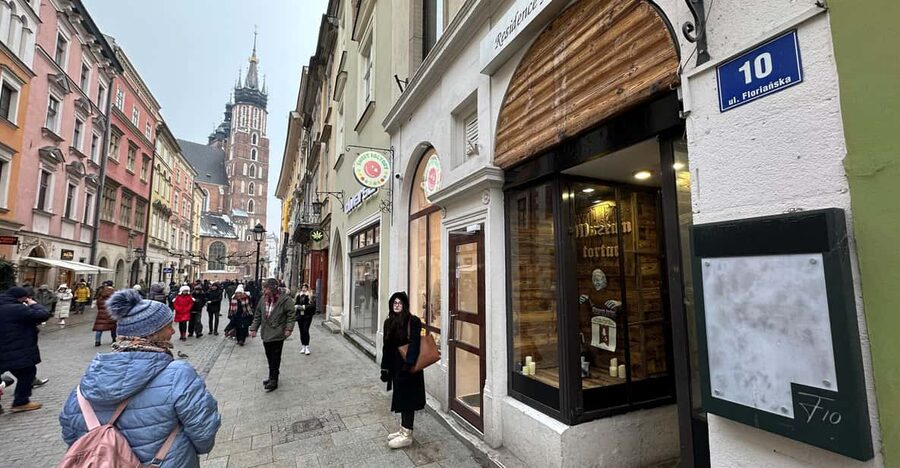
The museum is located at Florianska 10 in Krakow, in Lesser Poland, Poland.
How long is the experience?
The ticket is valid for one hour from the time you first activate it.
What language is the tour in?
The live guided tour is in English.
What does the tour include?
Admission includes a guided visit through the history of torture, an English-speaking host, and access to a collection of torture devices from medieval to modern times.
Is the tour limited to a small group?
Yes. The group is limited to 10 participants.
Is the museum wheelchair accessible?
Yes. The activity is listed as wheelchair accessible.
Does the collection include a guillotine?
Yes. The displays include the infamous guillotine associated with the French Revolution.
Can I cancel the booking?
Yes. You can cancel up to 24 hours in advance for a full refund. You can also reserve the activity and pay later.
Just added around Krakow
- Private Guided Tour: Oskar Schindler’s Factory★ 5.0 · 3 reviews
- E-Scooter Krakow sightseeing tour★ 5.0 · 3 reviews
- From Krakow: Zakopane and Thermal Pools Guided Trip★ 5.0 · 3 reviews
- Schindler’s Factory, Ghetto and Plaszow Camp Guided Tour★ 4.7 · 3 reviews
- Krakow: River Cruise & Guided Visit to Former Plaszow Camp★ 3.6 · 3 reviews
- From Krakow: Private Wieliczka Salt Mine Tour★ 4.0 · 3 reviews
- Kraków: Private Hot Air Balloon Flight with Champagne★ 3.7 · 3 reviews
- Krakow: Old Town short walk with St. Mary’s Basilica visit★ 5.0 · 3 reviews
Museums, compared.
Auschwitz-Birkenau Museum and Memorial Guided Tour from Krakow
Read our review →

Krakow Schindler’s Factory Museum Guided Tour in English
Read our review →
Auschwitz Birkenau Museum Guided Tour with Pickup
Read our review →
Auschwitz Birkenau Museum and Salt Mine All Inclusive DAY TRIP with Local Guides
Read our review →
Chopin Piano Concert at Chopin Gallery with a Glass of Wine
Read our review →Browse the lists this tour appears in