
Reviewed · SCHINDLER'S FACTORY TOURS
Krakow: Schindler’s Factory Guided Tour
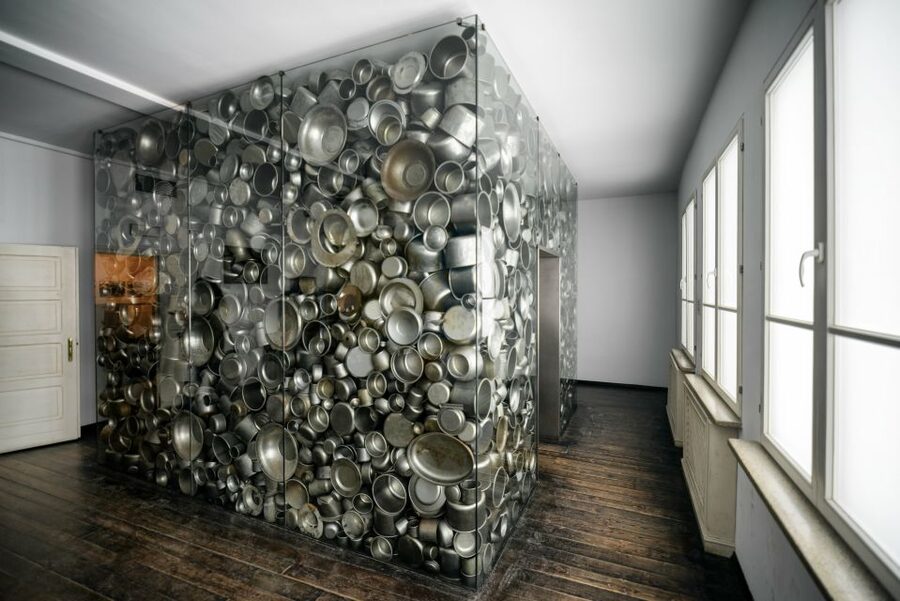
Schindler’s Factory Museum turns wartime Krakow into a series of rooms you can walk through: a photo studio, a tram, a railway station, a prison cell, the Jewish Ghetto, and a space recalling Płaszów. The museum is about much more than Oskar Schindler. It tells the story of a city and its people under Nazi occupation, with Schindler’s role placed inside that larger picture.
I like the strong visual design and the chance to explore with a live guide who can explain the details in English or several other languages. I also like the focused 90-minute format, which helps you see the main parts without spending half a day in one museum. The main drawback is space: a large group can make it hard to hear or keep up, and several rooms may be passed over.
In This Review
- Key points to know before you go
- Why Schindler’s Factory is more than a Schindler story
- Starting at Lipowa 4 in Krakow
- Moving through the photo salon and Krakow streets
- The officer’s room, prison cell, and tram
- Entering the Krakow Jewish Ghetto section
- The Płaszów setting and the darker turn of the tour
- Finding Schindler’s office and secretariat
- What the guide adds to the visit
- Is $50 a fair price for 90 minutes?
- Who should book this Krakow museum tour?
- Should you book it?
- FAQ
- Where does the Schindler’s Factory tour meet?
- How long does the tour last?
- What does the $50 price include?
- Which languages are available?
- Do I get to see Oskar Schindler’s office?
- Does the tour cover the Krakow Jewish Ghetto?
- Do I need identification to enter?
- Can I cancel for a refund?
Key points to know before you go
- The museum covers wartime Krakow first, Schindler second: His office and secretariat are included, but the main story is the city under Nazi rule.
- The 90-minute route is tightly timed: Guides keep moving, so you get a clear overview rather than a slow look at every display.
- The recreated tram, railway station, prison cell, and Ghetto spaces give the history a physical setting: These are useful for visitors who learn best through places and objects.
- Group size matters: The museum’s rooms can feel cramped when many people gather around one guide.
- Guiding is available in five languages: English, Italian, Spanish, French, and German are listed.
- From January 1, 2026, bring identification: You must provide every participant’s full name when booking and carry a passport or ID for entry.
Why Schindler’s Factory is more than a Schindler story
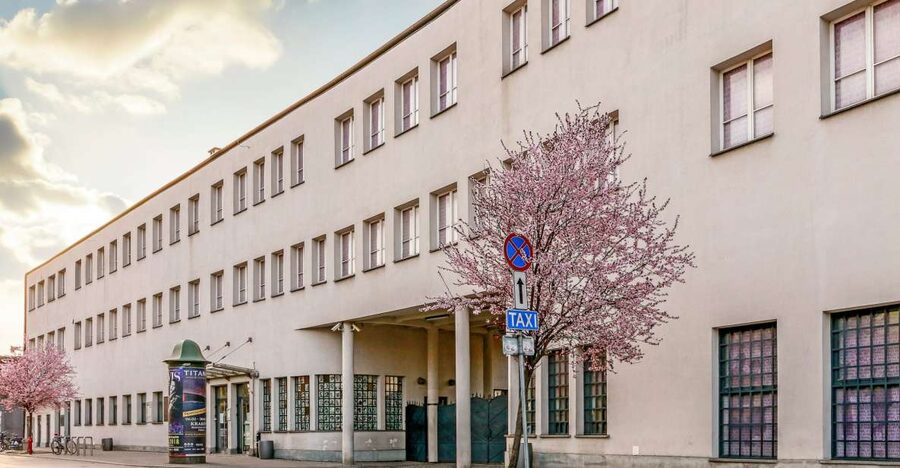
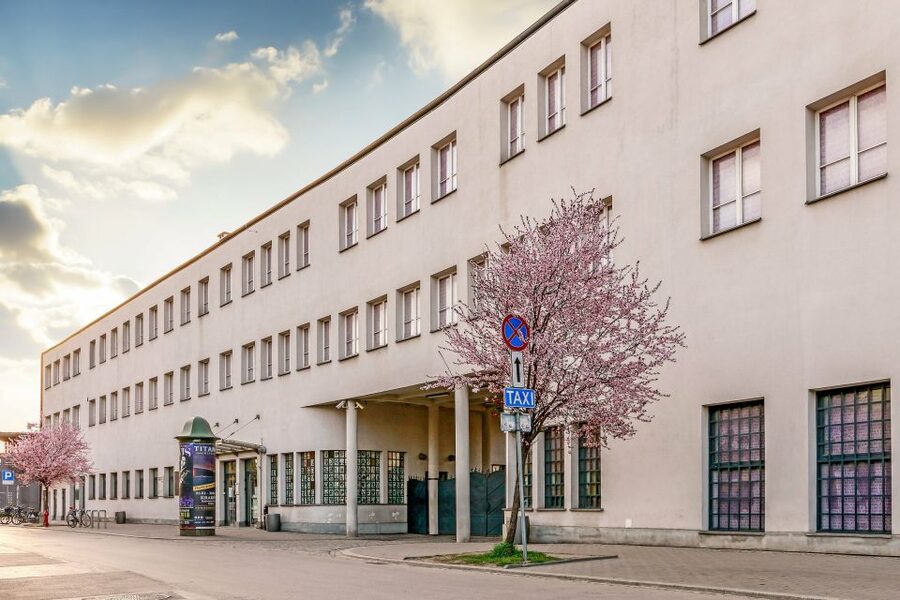
The museum occupies the former enamelware factory associated with Oskar Schindler, but its purpose reaches well beyond the businessman made famous by film. The exhibition follows Krakow and its residents through the years of World War II, showing how occupation changed work, movement, identity, and daily routines.
That broader focus is important. If you arrive expecting a museum devoted only to Schindler’s personal life, you may find the balance different from what you imagined. His office and secretariat are part of the visit, yet the central subject is Nazi-occupied Krakow and the people caught inside it.
I think this makes the tour a better introduction to the period than a narrow biography would be. You learn where Schindler fits into the story, rather than treating him as the whole story. The guide can also help connect the rooms, objects, and historical events, which is useful when the exhibition shifts quickly from one setting to another.
The museum is described as a relatively young institution, and its presentation feels designed for modern museumgoers. Multimedia displays and carefully arranged rooms do much of the work. Instead of walking through a plain sequence of display cases, you move from one constructed setting to another.
More Schindler's Factory visits:
- Krakow: Oskar Schindler’s Factory Entry Ticket & Guided Tour
★ 4.2 · 3,793 reviews - Krakow: Schindler’s Factory Tour with Entrance Ticket
★ 4.5 · 3,182 reviews - Krakow: Schindler’s Factory Skip-the-Line Ticket
★ 4.4 · 3,105 reviews
Starting at Lipowa 4 in Krakow
Your meeting point is Lipowa 4, near the main entrance to the Factory. Look for a guide holding an excursion.city sign. The entrance detail matters because the area can be busy, and you do not want to spend your limited start time searching for the group.
The tour lasts 90 minutes. That is long enough for a guided overview, but not long enough to inspect every object at leisure. Think of it as a structured first visit. You will receive the main story, see the most important rooms, and leave with a clearer sense of Krakow during the occupation.
A live guide is included, as is the entrance ticket. The listed languages are English, Italian, Spanish, French, and German. The guide’s job is especially useful here because the museum’s rooms can be visually striking but historically dense. A good explanation gives meaning to what you are seeing instead of leaving you to connect every date and event alone.
The precise start time needs attention. From January 1, 2026, the selected time is only a preference because the museum’s schedule can change. The exact time is not guaranteed. If you are arranging a tightly packed day, leave room around this visit.
Moving through the photo salon and Krakow streets
The route begins by taking you back through time. One early setting is a photo salon, followed by rooms arranged to suggest the streets of Krakow. These spaces help establish ordinary life before the tour moves into the machinery and symbols of occupation.
I like this beginning because it gives the city a human scale. The story is not presented as a list of military movements alone. You see how public spaces, work, clothing, signs, and images shaped daily experience.
The exhibition uses multimedia and artifacts together. That mix can make the material easier to follow, especially if you are not already familiar with Krakow’s wartime timeline. At the same time, the visual staging can make the visit feel fast. You may want to pause at an object, but the guide must keep the group together and maintain the route.
Pay attention to the contrast between ordinary scenes and the darker rooms that follow. The museum’s power comes partly from that change in tone. The route shows how a familiar city could be made threatening through rules, uniforms, symbols, and controlled movement.
The officer’s room, prison cell, and tram
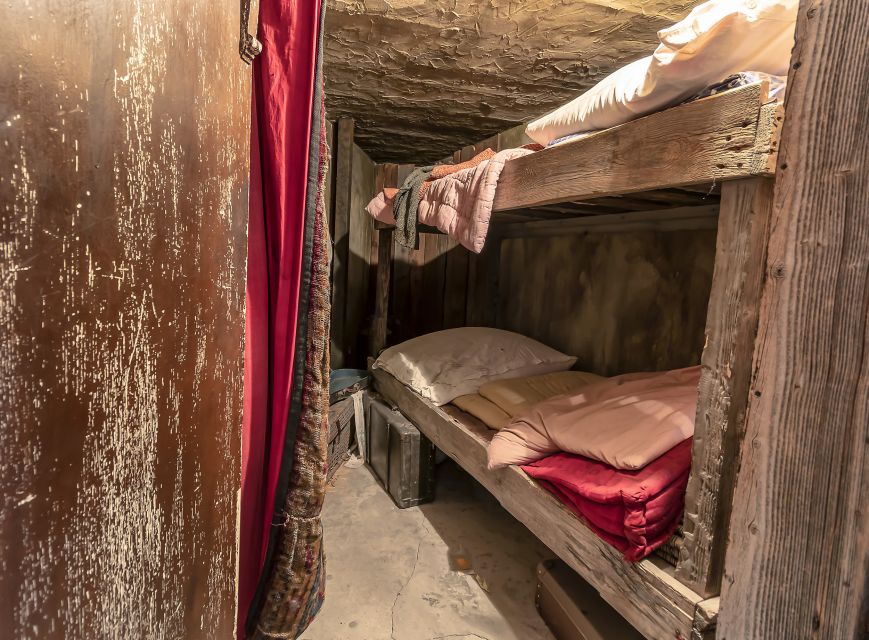
One room uses a swastika-patterned design associated with an officer’s space. Another resembles a prison cell. These settings make the force of the occupation plain without relying only on written explanation.
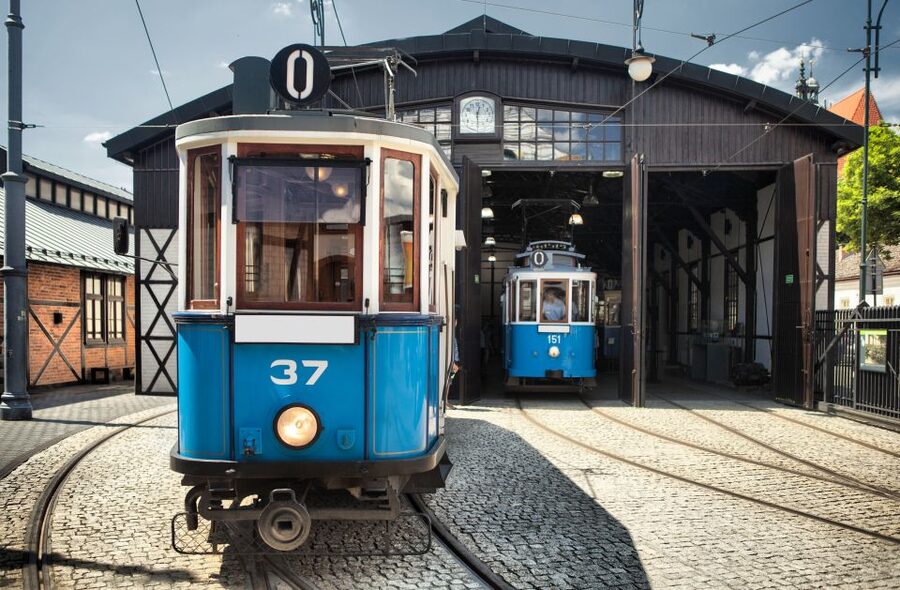
The old tram is one of the more memorable stops. It gives you a physical sense of movement through the city, while the surrounding displays explain how public life operated under occupation. A tram is an everyday object, but here it becomes part of a much harsher story.
The route then includes railway and station settings. Trains and railway spaces carry obvious associations with wartime deportation and control, but the guide’s explanation is what turns the setting into useful history. The museum does not simply ask you to look at a platform or carriage. It places those images into the experience of Krakow and its Jewish population.
These rooms are effective for a short guided tour because they communicate quickly. You do not need to read every panel to understand that ordinary routines were being reshaped. The trade-off is that the tour can feel compressed. One visitor praised the guide for moving directly to important events without unnecessary detours, while another found the duration too short. Both reactions point to the same fact: this is a brisk visit.
A few more Krakow trips worth comparing
- From Krakow: Auschwitz-Birkenau Guided Tour & Hotel Pickup
★ 4.5 · 33,358 reviews - From Krakow: Auschwitz-Birkenau Guided Tour & Hotel Pickup
★ 4.5 · 29,340 reviews - Krakow: Auschwitz Guided Tour with Optional Hotel Pickup
★ 4.5 · 15,280 reviews - Krakow: Auschwitz-Birkenau Guided Tour with Pickup & Lunch
★ 4.5 · 9,800 reviews
Entering the Krakow Jewish Ghetto section

The Ghetto section is among the most serious parts of the museum. The rooms and displays focus attention on the forced separation and persecution of Krakow’s Jewish population. The setting is not simply a backdrop. It is used to show how policy reached into streets, homes, work, and movement.
This is where a guide adds real value. Dates and names matter, but so does the explanation of how the Ghetto fitted into the city. A spoken account can help you understand the relationship between the places shown in the museum and the larger story of occupation.
The subject is difficult, and the museum’s design creates an ominous mood through uniforms, flags, weapons, and controlled spaces. You should expect a sober visit, not a light historical attraction. The value lies in the museum’s refusal to make the period feel distant or abstract.
If you want to read every label, examine each artifact, and spend time with the multimedia material, 90 minutes may not be enough. The guided route gives you direction, but it also sets the pace. I would treat the visit as the main introduction and allow time later, if available, to return to the museum independently. The supplied details do not confirm whether a separate return visit is included, so check the museum’s current rules before planning on it.
The Płaszów setting and the darker turn of the tour
The exhibition includes a room resembling an area of Płaszów concentration camp. This part of the route extends the story beyond the Ghetto and shows the progression of persecution into imprisonment and camp life.
The reconstructed setting can be stark. It is not a substitute for seeing the actual historical site, but it gives the museum a way to present the place within the sequence of events. For many people, that physical shift helps the story register more clearly than a wall of text would.
The route also includes uniforms, flags, and weapons. These objects show the power structures of the period, while the surrounding displays return attention to ordinary people. That balance matters. You are not looking only at the tools of the regime. You are also considering the people who had to live under them.
The guide’s role is again central. A strong guide can prevent the rooms from becoming disconnected scenes and explain what changed from one stage to the next. The visit is most useful when you listen for those links, not just the individual displays.
Finding Schindler’s office and secretariat
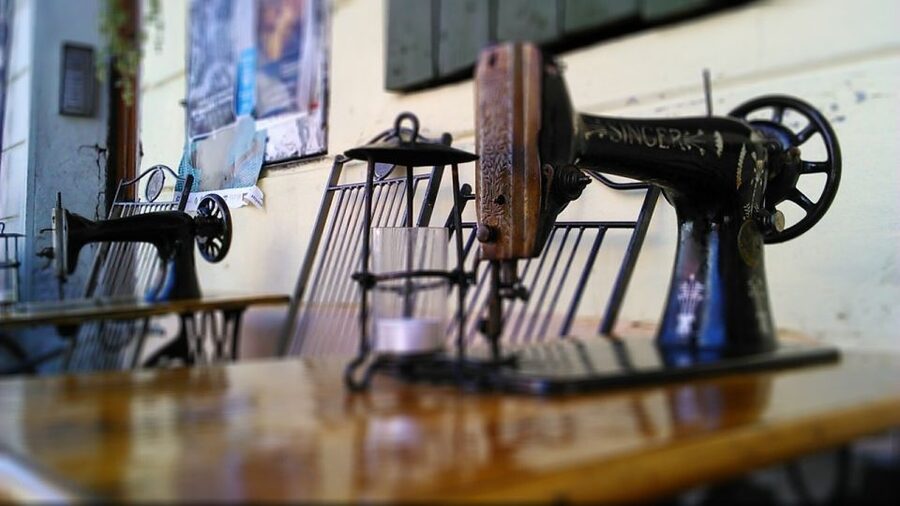
Visitors drawn by the name Schindler will find his former office and the secretariat. These spaces provide the personal connection many people expect, but they appear within a wider museum devoted to Krakow’s wartime experience.
The office is valuable because it brings the historical figure into a real workplace setting. You can consider Schindler as a factory director operating inside the occupation, rather than as a simplified hero from popular culture. The guide will include him in the story and explain his place in the factory’s history.
Do not expect the entire 90 minutes to focus on his decisions or private life. If that is your main interest, listen closely when the group reaches the office and ask your guide for clarification if time allows. The museum’s wider approach is one of its strengths, but it may surprise anyone booking mainly for a Schindler biography.
The best way to approach this section is to see it as a connection point. The office links an individual, a workplace, and a city undergoing persecution. That is more useful than treating the room as a standalone celebrity sight.
What the guide adds to the visit
The most praised part of this experience is the guiding. The available feedback describes guides as clear, well prepared, punctual, and engaging. One Italian-language guide was singled out for making the subject especially involving, while another account praised the perfect sound quality in a small French-speaking group.
The English option is particularly helpful because the museum’s content covers many stages of the war in a short period. You can follow the main sequence without constantly stopping to translate labels. Italian, Spanish, French, and German options give you similar flexibility.
The guide also helps you judge what deserves attention. One advantage of a fast tour is that you do not get lost in minor details. A guide can select the events and rooms that matter most, which is useful if this is your first visit to the museum.
There are limits. A large group can be difficult in small rooms, and one visitor found that the group size made it hard to follow the guide. Another noted that not every room was visited. Before booking, ask yourself what matters more: a guided overview with a clear route, or plenty of quiet time with each display.
Is $50 a fair price for 90 minutes?
At $50 per person, this is not the cheapest way to enter a museum. The price includes admission and a live guide, so you are paying for interpretation as well as access. That can be good value if you want the wartime story organized for you and prefer to hear it in your own language.
The value is strongest for a first-time visitor with limited time in Krakow. You get into one of the city’s most popular museums, skip the ticket line, and follow a route designed around the main historical points. You also avoid spending the first part of your visit figuring out how the exhibition fits together.
The value is weaker if you prefer a slow, self-guided museum visit. The short duration and group pace may leave you wishing for more time. You may also find the cost harder to justify if your chief interest is only Schindler’s office, since that is one part of a much wider exhibition.
Free cancellation up to 24 hours before the activity and reserve-now, pay-later booking make the price easier to manage, particularly when museum scheduling is uncertain. Still, check the exact conditions at booking, especially for dates from January 1, 2026.
Who should book this Krakow museum tour?
I would choose this tour if you want a guided introduction to World War II in Krakow and prefer a clear 90-minute structure. It suits first-time visitors, history-minded adults, and anyone who wants help understanding the connection between Schindler, the factory, the Ghetto, and Płaszów.
It is also a sensible choice if you need a language other than English. The five listed language options are a real advantage for a subject this serious and detailed.
I would be more cautious if you dislike group touring or need long, quiet stops. The rooms can feel crowded, and the guide may move on before you have read everything. A private or slower museum plan might suit you better, but that is not what this experience promises.
Bring a passport or ID from January 1, 2026, and make sure every participant’s full name is entered when reserving. Without those details, entry may be refused. Also keep your schedule flexible because the museum can change the exact start time.
Should you book it?
Book this tour if you want the main story of Nazi-occupied Krakow explained by a live guide, with strong visual settings and a visit to Schindler’s office included. The best parts are the thoughtful room design, the clear historical route, and the guides’ ability to keep a difficult subject moving without getting lost in side issues.
Skip it if you want to study every display at your own pace or if large groups frustrate you. At $50, the tour earns its price through the guide and skip-the-line access, not through extra time inside the museum. For a focused first visit, it is a solid choice. For a slow museum day, it may feel rushed.
FAQ
Where does the Schindler’s Factory tour meet?
Meet the guide at Lipowa 4, 30-702 Krakow, near the main entrance to the Factory. The guide will hold an excursion.city sign.
How long does the tour last?
The guided tour lasts 90 minutes. Starting times depend on availability, and from January 1, 2026, the exact time may change because of the museum’s schedule.
What does the $50 price include?
The price includes the entrance ticket to Schindler’s Factory Museum and a live guide.
Which languages are available?
The tour is listed in English, Italian, Spanish, French, and German.
Do I get to see Oskar Schindler’s office?
Yes. The former factory director’s office and the secretariat are available to see during the museum visit. The guide will include Schindler in the historical explanation.
Does the tour cover the Krakow Jewish Ghetto?
Yes. The route includes the grounds of the Krakow Jewish Ghetto as part of the museum’s exhibition about wartime Krakow.
Do I need identification to enter?
From January 1, 2026, you must provide the full names of all participants when booking and bring a passport or ID. Entry may be denied without them.
Can I cancel for a refund?
You can cancel up to 24 hours in advance for a full refund. The activity also offers a reserve-now, pay-later option.
Just added around Krakow
- Private Guided Tour: Oskar Schindler’s Factory★ 5.0 · 3 reviews
- E-Scooter Krakow sightseeing tour★ 5.0 · 3 reviews
- From Krakow: Zakopane and Thermal Pools Guided Trip★ 5.0 · 3 reviews
- Schindler’s Factory, Ghetto and Plaszow Camp Guided Tour★ 4.7 · 3 reviews
- Kraków: Private Hot Air Balloon Flight with Champagne★ 3.7 · 3 reviews
- Krakow: River Cruise & Guided Visit to Former Plaszow Camp★ 3.6 · 3 reviews
- From Krakow: Private Wieliczka Salt Mine Tour★ 4.0 · 3 reviews
- Krakow: Old Town short walk with St. Mary’s Basilica visit★ 5.0 · 3 reviews
Schindler's Factory Tours, compared.

Oskar Schindler’s Factory Entry Ticket & Guided Tour
Read our review →
Schindler’s Factory Tour with Entrance Ticket
Read our review →
Schindler’s Factory Tour with Entrance Ticket
Read our review →
Schindler’s Factory in Krakow: Guided Tour & Skip the Line Ticket
Read our review →

Schindler’s Factory Ticket with Guided Tour Option
Read our review →
Krakow Schindler’s Factory Guided Tour with Admission Ticket
Read our review →Browse the lists this tour appears in