
Reviewed · SCHINDLER'S FACTORY TOURS
Krakow: Schindler’s Factory Guided Tour
Oskar Schindler’s former enamel factory is not mainly a factory tour. It is a carefully staged museum about Krakow under Nazi occupation, with Schindler’s story woven into the larger suffering of the city’s people. You move through rooms filled with photographs, objects, reconstructions, and personal accounts rather than watching enamel pots being made.
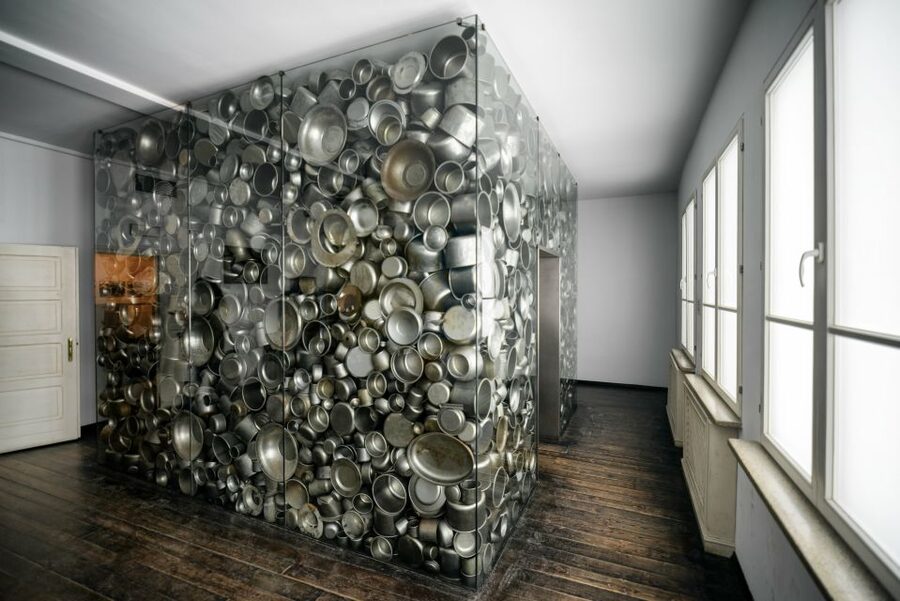
I like the way a guide links major wartime events to ordinary life, and I like the chance to see Schindler’s office and the symbolic Survivor’s Ark. The main caution is simple: groups can be large, and the museum can feel like a maze when several groups meet inside.
In This Review
- Key points to know before you book
- What this Schindler Factory tour really is
- Meeting your guide outside the museum
- Inside the original enamel factory
- Krakow through six years of occupation
- Why the personal stories matter
- How long the 90-minute to two-hour visit feels
- Price and the value of a guided visit
- Group size, pace, and the museum’s maze-like layout
- Who should book this experience
- What to bring and what to leave behind
- Should you book the Schindler Factory guided tour?
- FAQ
- Where does the tour meet?
- How long does the tour last?
- What languages are available?
- Is museum admission included?
- Do I need to bring identification?
- Is the tour suitable for children?
- Can I bring luggage or a large bag?
- Can I take photographs or record video?
Key points to know before you book
- This is a World War II history tour, not a working-factory demonstration: Expect exhibitions about Krakow, occupation, and individual lives.
- Schindler’s office is part of the visit: You’ll see the space connected with the man credited with saving more than 1,000 lives.
- Personal stories give the tour its strongest moments: Guides explain how war affected homes, work, families, and daily routines.
- The tour lasts 90 minutes to two hours: That is enough for a focused visit, but the subject matter requires attention.
- The experience suits older children and adults: It is not considered suitable for children under 14.
- Bring a physical passport or photo ID: Every person needs one to enter the museum.
What this Schindler Factory tour really is
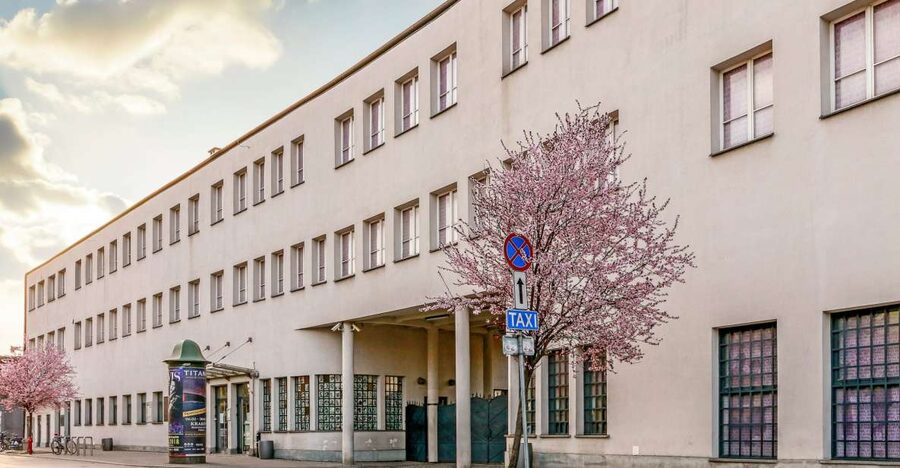
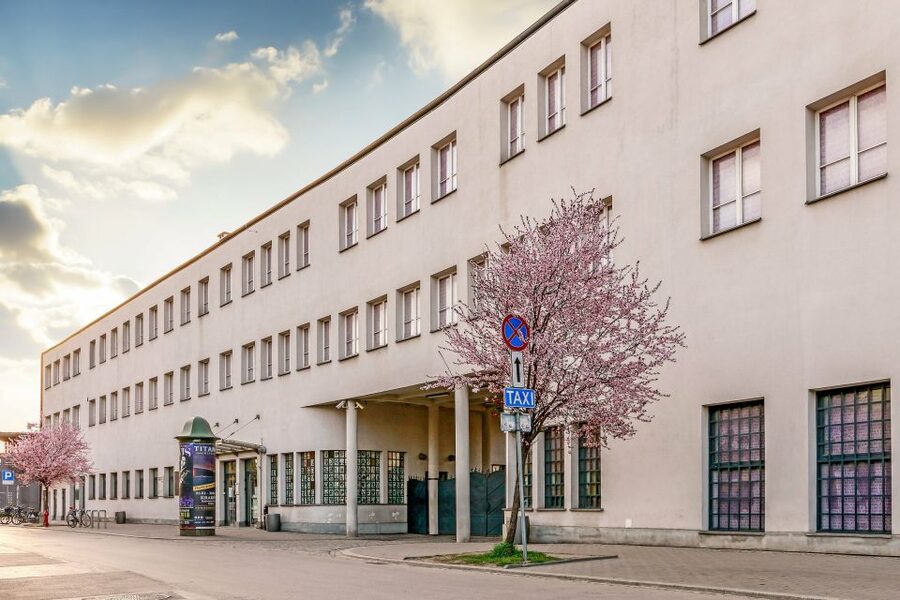
The museum occupies the original building of Oskar Schindler’s Deutsche Emailwarenfabrik, founded in 1937. That setting matters. You are not simply reading about a distant wartime story in a modern gallery. You are entering the place linked to a real factory, a real employer, and the people whose lives became caught up in Nazi rule.
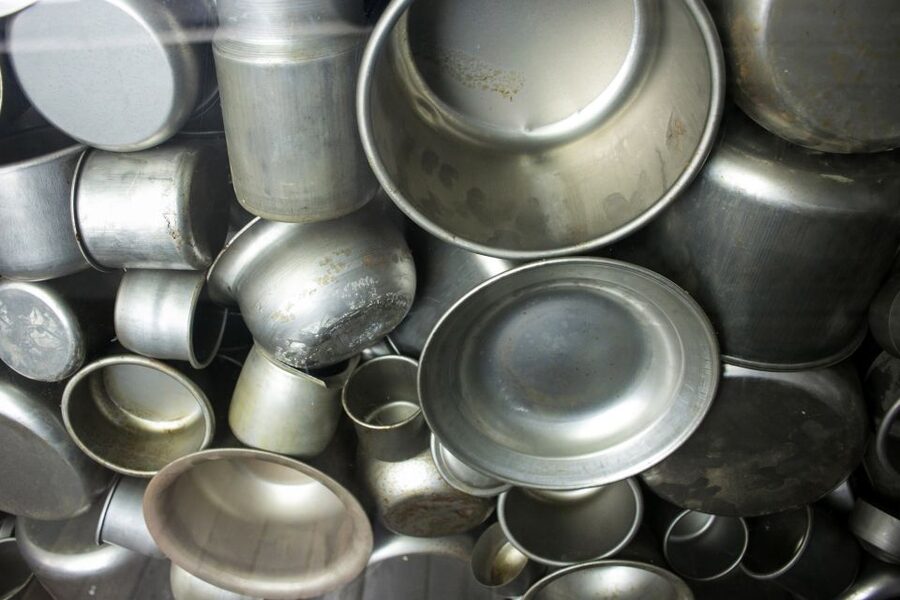
Still, you should set your expectations correctly. This is not a tour of old production lines or a demonstration of how pots and enamel goods were made. One disappointed participant expected to see the factory process and instead found a large exhibition with many rooms and information about life at the time.
That is not a fault if you come prepared. The museum uses the factory building as a setting for a wider story: Krakow before and during occupation, the Nazi regime, the lives of Jewish residents and other citizens, and the personal dramas hidden inside broad historical events.
Your guide helps turn the displays into a connected account. Rather than walking silently from one panel to the next, you hear how occupation changed daily life and how individual choices could carry enormous consequences.
More Schindler's Factory visits:
- Krakow: Oskar Schindler’s Factory Entry Ticket & Guided Tour
★ 4.2 · 3,793 reviews - Krakow: Schindler’s Factory Tour with Entrance Ticket
★ 4.5 · 3,182 reviews - Krakow: Schindler’s Factory Skip-the-Line Ticket
★ 4.4 · 3,105 reviews
Meeting your guide outside the museum
The meeting point is directly in front of the entrance to Oskar Schindler’s Enamel Factory museum. Look for a greeter holding a banner with the GetYourGuide logo. This is worth taking seriously because the museum entrance and surrounding area can be busy, and you do not want to wander around looking for the group at the last moment.
Once everyone has gathered, the guide leads the group inside. The package includes an expert guide and a skip-the-line entrance ticket, so you do not need to arrange a separate museum admission. You should still arrive with your physical passport or photo ID. A photograph on your phone is not enough according to the entry rules.
The tour is offered in English or Spanish. If you specifically need Spanish, check the language availability carefully before booking. One booking had to be switched to English after the Spanish guide could not be provided, and the change created confusion at the meeting point. The practical lesson is to confirm your language before the visit and ask the greeter to clarify any booking issue immediately.
Inside the original enamel factory
The building’s history begins in 1937, when the enamel factory was established. Nazi Germany invaded Poland on September 1, 1939, and Oskar Schindler, a Sudeten German, is believed to have arrived in Krakow on September 6, when German troops entered the city.
The tour uses this background to explain how Schindler’s factory became connected with the wartime fate of many people. You learn about the person who is credited with saving more than 1,000 lives, then place his actions within the much larger history of occupation.
Schindler’s office is one of the visit’s most important points. The space gives the story a physical anchor, while the Survivor’s Ark provides a powerful symbol of the lives that endured. Your guide explains how Schindler’s personal story overlaps with the experiences of workers, families, victims, and other residents of Krakow.
Do not expect every stop to be quiet or solitary. The route can feel crowded when groups cross paths, and a large group may make it harder to hear or spend time at each display. If you want to study every panel at your own pace, a guided visit may feel brisk.
Krakow through six years of occupation
The strongest part of the tour is its focus on ordinary people. You hear how the Nazi occupation affected the city over nearly six years, not only through military events but also through work, family life, fear, restrictions, and personal decisions.
This approach helps you understand why the factory matters. The story is not only about one man who became famous. It is also about those who worked around him, those who were threatened by the regime, and those whose choices were narrowed by circumstances they did not create.
A good guide can make the displays easier to follow. The museum contains a lot of information, and the rooms may feel like a maze if you try to absorb everything without help. The guide’s job is to point out the details that connect one room to the next and explain why a photograph, reconstruction, or object matters.
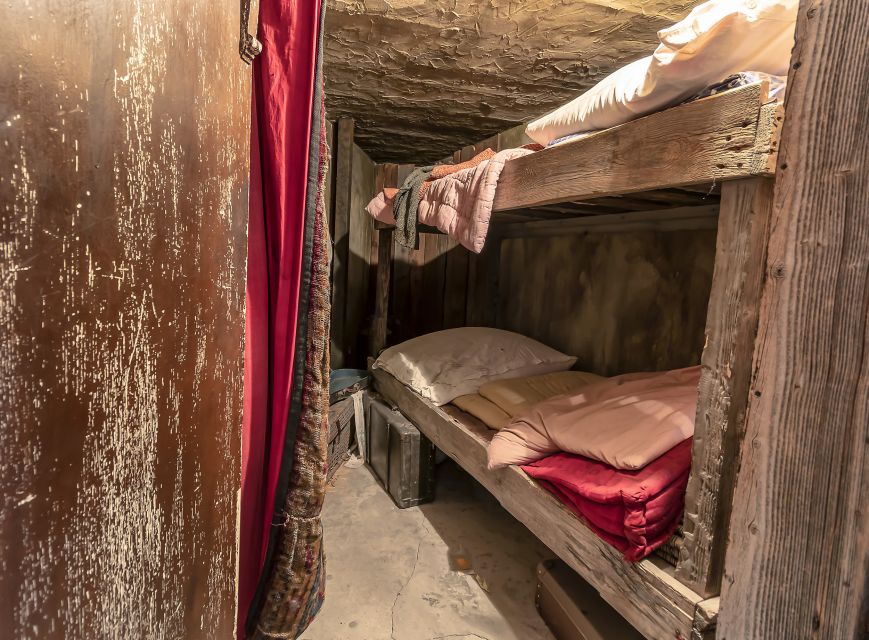
The reconstructed spaces are especially useful. They give the museum a sense of place and make the past easier to picture. One guide was praised for adding a personal connection to a survivor associated with Schindler’s story, sharing experiences that went beyond a standard textbook account. You should not expect that exact personal connection on every departure, but it shows how much the quality of the guide can shape the visit.
A few more Krakow trips worth comparing
- From Krakow: Auschwitz-Birkenau Guided Tour & Hotel Pickup
★ 4.5 · 33,358 reviews - From Krakow: Auschwitz-Birkenau Guided Tour & Hotel Pickup
★ 4.5 · 29,340 reviews - Krakow: Auschwitz Guided Tour with Optional Hotel Pickup
★ 4.5 · 15,280 reviews - Krakow: Auschwitz-Birkenau Guided Tour with Pickup & Lunch
★ 4.5 · 9,800 reviews
Why the personal stories matter
The museum works best when it moves between the broad and the personal. You may hear about the Nazi regime, then learn how that system affected a particular resident or family. This shift keeps the tour from becoming a list of dates and political names.
I find this useful in Krakow because the city’s wartime past can otherwise feel divided into separate places and memorials. Here, the factory offers a central point where work, occupation, survival, and moral choices meet.
The guide also helps explain the difference between seeing a famous historical site and understanding it. Schindler’s name is widely known, but the museum asks you to look beyond the familiar story. The people he helped were not simply part of a film plot. They were workers and residents facing a harsh system that reached into nearly every part of daily life.
This is serious material. The tour includes the stories of victims and the suffering caused by Nazi rule. You will get more from it if you allow time afterward to think rather than rushing straight to another attraction.
How long the 90-minute to two-hour visit feels
The advertised duration is 90 minutes to two hours. That range is realistic for a guided museum visit, since the exact length can depend on the group, the language, the guide’s pace, and how crowded the route is.
Ninety minutes gives you a focused introduction. A longer visit allows more time for explanations and individual displays, though you may not have the freedom to stop at every panel for as long as you wish.
The route is indoors, making this a useful choice when Krakow’s weather is poor. It also fits well into a day of museum visits, but the subject is demanding enough that you should avoid packing several heavy history sites too tightly together.
The tour does not include food or drinks, so plan those separately. Nothing in the visit suggests a meal break or refreshment stop, and large bags are not allowed inside the museum.
Price and the value of a guided visit
At $46 per person, this is not the cheapest way to enter a museum. The price makes the most sense if you want a guide to explain the displays, organize the visit, and provide context that you might miss on your own.
The skip-the-line ticket also has practical value. It removes one part of the museum visit that can waste time, especially when your Krakow schedule is tight. You are paying for entry, a live guide, and a set route through a complicated exhibition.
The value is weaker if your main aim is to inspect old factory machinery or learn the technical process of enamel production. This visit does not focus on manufacturing methods. If that is your priority, you may feel the tour promises something different from what it delivers.
For history-minded visitors, the price is easier to justify. The guide adds the most value when explaining personal stories, clarifying the chronology, and showing how the museum’s rooms connect to the life of Krakow’s citizens.
Group size, pace, and the museum’s maze-like layout
Group size is the main practical weakness. A large group can make the experience less personal, and several groups may cross inside the exhibition. That can lead to noise, slower movement, or a less clear view of a display.
You should stay close to your guide and listen for instructions at each change of room. If you drift behind to read everything, you may lose the group in the museum’s maze-like layout.
The guided format remains helpful because the exhibition contains a great deal of information. The trade-off is control: you gain structure and explanation, but you lose some freedom to set your own pace.
If you prefer a quiet museum visit with unlimited time at every display, consider visiting independently instead. If you would rather have the route shaped for you and the history explained as you go, the group format should work better.
Who should book this experience
I would recommend this tour to adults and older teenagers with a serious interest in Krakow’s wartime history. It is also a good fit if you have limited time and want the museum’s main themes explained in one organized visit.
It suits you especially well if you:
- Want to connect Schindler’s story with the wider history of Krakow.
- Prefer personal accounts and social history to military detail alone.
- Value a guide who can explain complex museum displays.
- Need a skip-the-line admission option.
- Are comfortable visiting a solemn museum with difficult subject matter.
It is less suitable if you are looking for a light sightseeing stop, a hands-on factory demonstration, or a family activity for young children. Children under 14 are not considered suitable for this experience, and the subject matter may be hard for younger visitors even if they could enter.
The museum is wheelchair accessible. Pets are not allowed, and there is no animal shelter on site, so make arrangements before you arrive.
What to bring and what to leave behind
Bring a physical passport or photo ID for every person in your party. This is not a minor suggestion. Without the required document, you may not be admitted.
Leave large luggage and large bags behind. Flash photography and video recording are forbidden inside, and smoking or open fires are strictly prohibited. Pets are also not allowed.
A small, practical bag is the safest choice. You will want both hands free for moving through the rooms and keeping close to the group.
Should you book the Schindler Factory guided tour?
Book it if you want a guided account of Krakow during Nazi occupation, with Schindler’s factory as the setting and personal stories at the center. The guide, skip-the-line entry, office visit, and Survivor’s Ark make the $46 price reasonable for someone who values context over a quick museum walk.
Skip it if you expect to see historic enamel production in action, dislike group pacing, or want to read every display without interruption. Also check the language carefully if Spanish is essential, and bring your physical ID on the day.
For the right audience, this is a serious and worthwhile Krakow visit. Its greatest strength is not the factory machinery. It is the way the tour connects one building, one employer, and many personal lives to the wider tragedy of wartime Krakow.
FAQ
Where does the tour meet?
The meeting point is in front of the entrance to the Oskar Schindler’s Enamel Factory museum. Look for a greeter with a GetYourGuide logo on a banner.
How long does the tour last?
The visit lasts between 90 minutes and two hours. Starting times vary, so check availability when booking.
What languages are available?
The tour is offered in English and Spanish.
Is museum admission included?
Yes. The experience includes a skip-the-line entrance ticket and a live guide.
Do I need to bring identification?
Yes. Every participant must bring a physical passport or photo ID with a photograph. Without it, you may not be allowed to enter.
Is the tour suitable for children?
The experience is not suitable for children under 14.
Can I bring luggage or a large bag?
No. Large luggage is not permitted inside the museum.
Can I take photographs or record video?
Flash photography and video recording are not permitted inside the museum. Smoking and open fires are also strictly prohibited.
Just added around Krakow
- Private Guided Tour: Oskar Schindler’s Factory★ 5.0 · 3 reviews
- E-Scooter Krakow sightseeing tour★ 5.0 · 3 reviews
- From Krakow: Zakopane and Thermal Pools Guided Trip★ 5.0 · 3 reviews
- Schindler’s Factory, Ghetto and Plaszow Camp Guided Tour★ 4.7 · 3 reviews
- Kraków: Private Hot Air Balloon Flight with Champagne★ 3.7 · 3 reviews
- Krakow: River Cruise & Guided Visit to Former Plaszow Camp★ 3.6 · 3 reviews
- From Krakow: Private Wieliczka Salt Mine Tour★ 4.0 · 3 reviews
- Krakow: Old Town short walk with St. Mary’s Basilica visit★ 5.0 · 3 reviews
Schindler's Factory Tours, compared.

Oskar Schindler’s Factory Entry Ticket & Guided Tour
Read our review →
Schindler’s Factory Tour with Entrance Ticket
Read our review →
Schindler’s Factory Tour with Entrance Ticket
Read our review →
Schindler’s Factory in Krakow: Guided Tour & Skip the Line Ticket
Read our review →

Schindler’s Factory Ticket with Guided Tour Option
Read our review →
Krakow Schindler’s Factory Guided Tour with Admission Ticket
Read our review →Browse the lists this tour appears in