
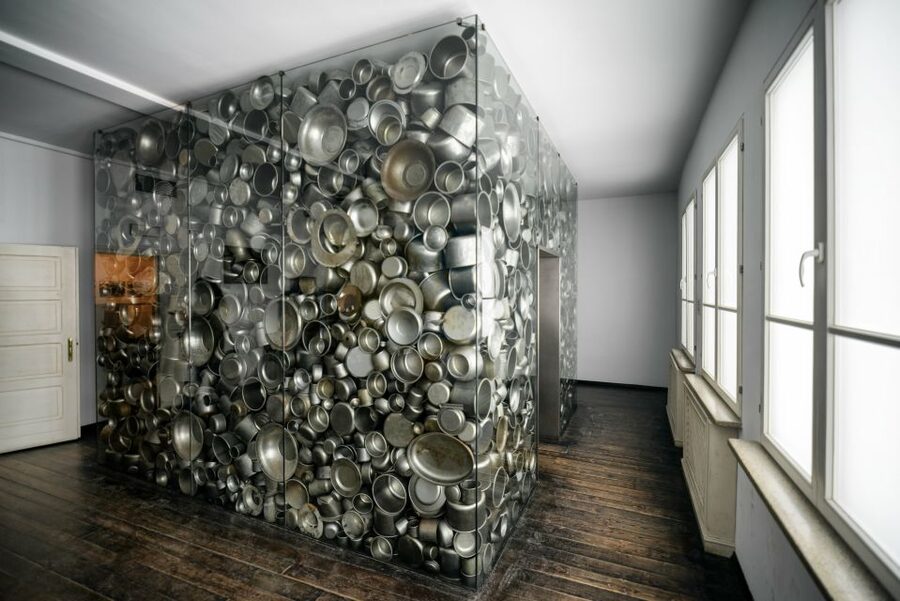
Reviewed · SCHINDLER'S FACTORY TOURS
Krakow: Schindler’s Factory Guided Tour
Krakow’s Schindler’s Factory tells the story of Nazi occupation through ordinary rooms, personal accounts, and the building where Oskar Schindler ran his enamel works. The most striking detail is Schindler’s actual desk, still kept in his former office, while the museum follows the lives of Krakow’s citizens from 1939 to 1945.
I like the strong link between big events and private lives, and I like having a guide to explain what the exhibits cannot always make clear. Headsets can help you follow the commentary, especially in a busy group. The main drawback is that some groups feel crowded and rushed, with too little time to read every display.
In This Review
- Key points to know before you book
- What Schindler’s Factory actually is
- Following Krakow from 1939 to 1945
- The Schindler connection and the famous office
- Why a guided visit can be worth $42
- What the two-hour route feels like
- The subject is serious, and the tour should be handled with care
- Practical details that can make or break the visit
- Who should book this Krakow history tour
- Should you book Schindler’s Factory?
- FAQ
- Where does the Schindler’s Factory tour meet?
- How long does the tour last?
- What languages are available?
- Is admission included?
- Do I need to bring identification?
- Can I bring luggage or a pet?
- Is the tour suitable for children?
Key points to know before you book
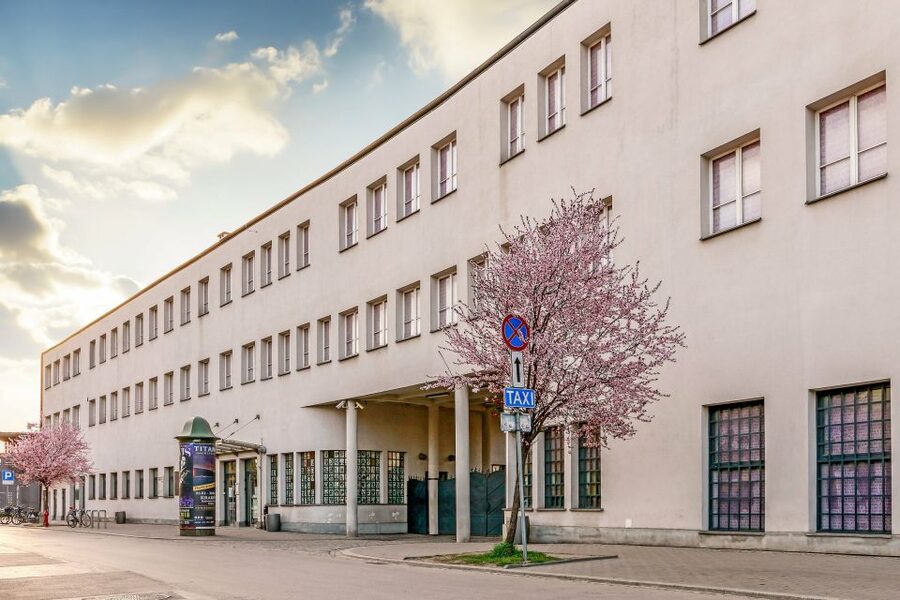
- Schindler’s former administration building: The tour takes place in the building once connected with Deutsche Emailwarenfabrik, Schindler’s enamel factory.
- The original office desk: You can see the desk associated with Oskar Schindler in his office.
- A wartime Krakow focus: The museum examines daily life under German occupation, the Krakow ghetto, and the experiences of both victims and survivors.
- A live English or Spanish guide: Guides such as Barb have been praised for clear explanations, personal warmth, and strong command of the subject.
- Two hours, with some pace: The stated duration gives you a useful overview, but a large group may leave little time for close reading.
- Bring physical photo ID: Every participant must carry a passport or photo ID. Without it, museum entry may be refused.
What Schindler’s Factory actually is
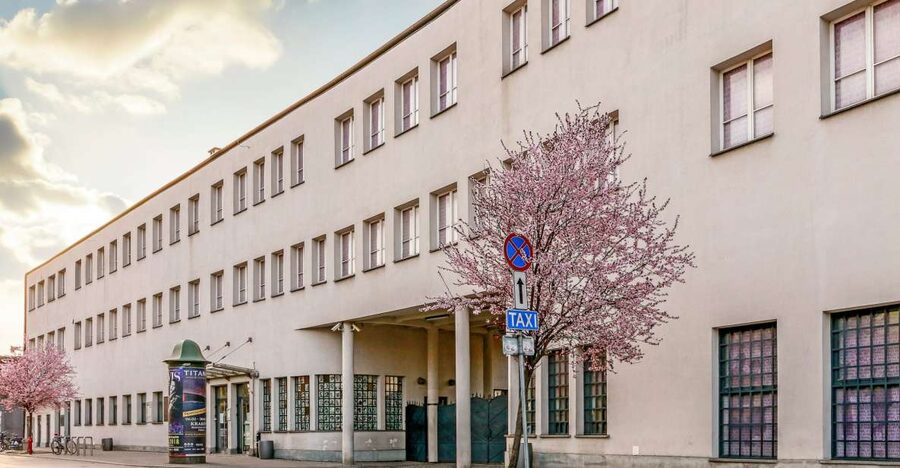
The name can create a false picture. You are not touring a working enamel plant filled with machinery. The visit takes place in the former administration building of Oskar Schindler’s Deutsche Emailwarenfabrik, established in 1937.
The museum uses this setting to explain Krakow between the German invasion on September 1, 1939, and the end of the occupation in 1945. Schindler, a Sudeten German, arrived in Krakow around September 6, when German troops entered the city. He soon took control of the factory and employed more than a thousand Jewish workers from the Krakow ghetto.
That background matters because the museum is not only about one industrialist. It places Schindler’s actions inside the wider machinery of Nazi rule, forced labor, persecution, and deportation. You learn how public events affected work, housing, family life, religion, and personal safety.
The factory connection gives the visit a physical anchor. You are standing in a building linked to the people and decisions being discussed, even though much of the experience is arranged as a museum exhibition rather than a factory tour.
More Schindler's Factory visits:
- Krakow: Oskar Schindler’s Factory Entry Ticket & Guided Tour
★ 4.2 · 3,793 reviews - Krakow: Schindler’s Factory Tour with Entrance Ticket
★ 4.5 · 3,182 reviews - Krakow: Schindler’s Factory Skip-the-Line Ticket
★ 4.4 · 3,105 reviews
Following Krakow from 1939 to 1945
The central subject is daily life during the occupation. Instead of presenting World War II as a list of dates and battles, the museum connects official policy with the choices forced on local people.
Your guide explains how the Nazi regime changed Krakow and how the city’s Jewish population was confined to the ghetto. The story also considers the wider Polish experience, including the pressure and fear that shaped life under occupation.
This approach makes the visit useful if you already know the broad outline of the war. You get a closer look at how the occupation worked on the ground. Personal stories show how victims and other citizens faced decisions that are difficult to understand from a textbook alone.
The museum also examines how the stories of individuals fit into the larger Nazi system. That balance is important. Schindler’s rescue efforts are central, but the visit does not reduce the period to a simple hero story.
A guide can add context at the moments when an exhibit may feel brief or unclear. Barb, one guide praised for this tour, was described as bringing energy, detail, and a personal touch to a painful subject. Another guide connected the period to family experience during World War II, which gave the commentary a human voice.
Still, a guide’s personal approach can shape the tone. One participant objected to comments that seemed to minimize the suffering of Austrians and Germans under postwar occupation. I would treat this as a reminder to listen critically. The best history tour makes room for the suffering of different communities without turning one group’s trauma into a competition.
The Schindler connection and the famous office
The most emotionally charged part of the visit is the connection to the people Schindler employed. The factory had more than a thousand Jewish workers from the Krakow ghetto, and the tour explains how his efforts helped save more than 1,200 Jews.
You will also see the desk associated with Oskar Schindler, preserved in his office. It is a small object, but it gives the story a direct physical point. A desk can seem ordinary. Here, it represents the paperwork, decisions, and authority behind a factory that became linked with survival.
Do not expect every minute of the tour to focus on the factory itself. The museum gives much of its attention to occupied Krakow, the ghetto, personal stories, and the Nazi regime. That is valuable if you want a broad wartime account. It may disappoint you if you expect a detailed study of enamel production, factory equipment, or Schindler’s business operations.
The film connection can also shape your expectations. If you have seen or plan to watch Schindler’s List, the museum helps place the story in the real city and historical setting. It is best approached as a museum about wartime Krakow, with Schindler’s factory as its doorway into the subject.
Why a guided visit can be worth $42
At $42 per person, this is not the cheapest museum entry in Krakow. The price includes a professional guide, a tour in English or Spanish, and a skip-the-line entrance ticket.
The value depends on how you like to visit museums. If you want to read every panel at your own speed, a guided group may feel restrictive. Several participants found the tour rushed, and one group finished after about an hour and a half rather than the full two hours. That is a real concern when you have come for a serious museum and want time with the displays.
On the other hand, the museum covers a dense and difficult subject. A good guide can explain references quickly, connect separate parts of the exhibition, and keep the story from becoming a jumble of names and dates. The strongest feedback focused on guides who were passionate, clear, and able to make modern history understandable.
The skip-the-line entry adds practical value, particularly if the museum is busy. It does not guarantee a quiet visit, though. A large group can create its own delay inside the building, and several groups may be moving through at once.
I would book this option if you want structure and explanation more than complete freedom. If you are a serious museum reader, compare it with booking directly through the factory. One participant was unable to re-enter the museum after the guided portion because the ticket had been arranged through an outside company. That meant losing time that could have been used to read more exhibits.
A few more Krakow trips worth comparing
- From Krakow: Auschwitz-Birkenau Guided Tour & Hotel Pickup
★ 4.5 · 33,358 reviews - From Krakow: Auschwitz-Birkenau Guided Tour & Hotel Pickup
★ 4.5 · 29,340 reviews - Krakow: Auschwitz Guided Tour with Optional Hotel Pickup
★ 4.5 · 15,280 reviews - Krakow: Auschwitz-Birkenau Guided Tour with Pickup & Lunch
★ 4.5 · 9,800 reviews
What the two-hour route feels like

The meeting point is directly in front of the entrance to Oskar Schindler’s Enamel Factory museum. Look for a greeter holding a GetYourGuide banner.
After entry, the guide leads you through the museum’s account of Krakow under Nazi occupation. The exact order and emphasis can vary by guide, but you should expect a connected explanation of:
- Krakow before and during the German invasion
- Changes imposed on the city during occupation
- The Krakow ghetto and the Jewish population
- The relationship between forced labor and the factory
- Schindler’s role and the people his efforts helped
- Personal stories set against the wider Nazi regime
The pace matters. Two hours sounds generous, but it can pass quickly in a museum with written material and room displays. One participant felt there was not enough time to enter some rooms or read the exhibits. If you want to stop often, tell your guide early that you may need a moment to look at a display.
Headsets may be provided, and they are useful when the room is crowded. They let you hear the guide without needing to stand directly beside the group. Even so, a large party can make it harder to move freely or pause where you wish.
The experience is best for visitors aged 14 and older. The subject includes persecution, death, forced labor, and the destruction caused by occupation. Younger children may find the material difficult and may not gain much from the presentation.
The subject is serious, and the tour should be handled with care
This is not a light sightseeing stop. The museum presents the lives of victims, the choices of individuals, and the effect of the Nazi regime on Krakow. I would avoid placing it immediately before a rushed dinner or another major activity. Give yourself some quiet time afterward.
The best guides add warmth without turning the subject into entertainment. Several guides have been praised for bringing passion and a personal connection to the material while keeping the focus on the people affected by the war.
That personal approach has limits. A guide may bring family memories or strong opinions into the commentary. I value human context, but I also want historical claims handled carefully. If a comment feels too sweeping, pay attention to the exhibits as well and keep the wider picture in mind.
The tour does a good job of showing that rescue stories exist inside a much larger tragedy. Schindler’s actions matter, but they do not erase the suffering of the Krakow Jewish community or the wider population living under occupation.
Practical details that can make or break the visit
Bring a physical passport or photo ID with a photograph for every person in your party. A digital image or a forgotten document may not be accepted, and the information states that entry can be refused without the required ID.
Large luggage and large bags are not allowed inside. Pack lightly. Pets are also prohibited, and the museum does not provide animal shelters, so make arrangements before arriving.
Smoking, open fires, alcohol, drugs, weapons, and sharp objects are not allowed. Flash photography and video recording are prohibited inside the museum. You should expect to put your camera away during the visit rather than treating the museum as a place for filming.
The museum is wheelchair accessible. The tour is offered in English and Spanish, so check that your chosen language and starting time are available before paying.
The activity is non-refundable. That makes it especially important to confirm your date, time, language, party size, and ID requirements before booking.
Who should book this Krakow history tour
I recommend it most strongly to adults and older teenagers who want help making sense of wartime Krakow. It suits you if you prefer a guide to explain the setting, point out key objects, and connect individual stories to the Nazi occupation.
It is also a good choice if you have limited time in Krakow. The two-hour format gives you a focused introduction without requiring a full day. The skip-the-line ticket can make the visit easier to fit into a busy schedule.
You may want a different arrangement if you read every panel, need long pauses, or want a detailed factory-focused tour. A guided group can move on before you are finished, and the tour may end sooner than the advertised two hours. In that case, direct museum admission may give you more control, though you would lose the live explanation included here.
Should you book Schindler’s Factory?
Book this tour if you want a serious, guided account of occupied Krakow and value clear storytelling over a slow, self-directed museum visit. The original office desk, the factory’s connection to more than 1,200 rescued Jews, and the personal stories of wartime citizens give the visit real weight.
Think twice if your main goal is to study industrial machinery or spend a long time reading each exhibit. The $42 price is fair when the guide is strong and the skip-the-line entry saves time, but a large group can reduce the value.
My practical advice is simple: bring your physical ID, leave large bags behind, arrive at the banner in front of the museum, and tell the guide if you need time to read. For most adults interested in Krakow’s wartime past, this is a worthwhile and moving museum visit, provided you accept the pace and the limits of a group tour.
FAQ
Where does the Schindler’s Factory tour meet?
The meeting point is in front of the entrance to the Oskar Schindler’s Enamel Factory museum. Look for a greeter holding a GetYourGuide banner.
How long does the tour last?
The stated duration is two hours. Starting times vary, so check availability when booking.
What languages are available?
The live tour guide is available in English or Spanish.
Is admission included?
Yes. The activity includes a professional guide and a skip-the-line entrance ticket to the museum.
Do I need to bring identification?
Yes. Every participant must bring a physical passport or photo ID. The information states that you may not be admitted without it.
Can I bring luggage or a pet?
No. Large luggage and large bags are not permitted, and pets cannot enter the museum. The museum does not offer animal shelters.
Is the tour suitable for children?
The tour is not suitable for children under 14.
Just added around Krakow
- E-Scooter Krakow sightseeing tour★ 5.0 · 3 reviews
- Private Guided Tour: Oskar Schindler’s Factory★ 5.0 · 3 reviews
- From Krakow: Zakopane and Thermal Pools Guided Trip★ 5.0 · 3 reviews
- Schindler’s Factory, Ghetto and Plaszow Camp Guided Tour★ 4.7 · 3 reviews
- Kraków: Private Hot Air Balloon Flight with Champagne★ 3.7 · 3 reviews
- Krakow: River Cruise & Guided Visit to Former Plaszow Camp★ 3.6 · 3 reviews
- From Krakow: Private Wieliczka Salt Mine Tour★ 4.0 · 3 reviews
- Krakow: Old Town short walk with St. Mary’s Basilica visit★ 5.0 · 3 reviews
Schindler's Factory Tours, compared.

Oskar Schindler’s Factory Entry Ticket & Guided Tour
Read our review →
Schindler’s Factory Tour with Entrance Ticket
Read our review →
Schindler’s Factory Tour with Entrance Ticket
Read our review →
Schindler’s Factory in Krakow: Guided Tour & Skip the Line Ticket
Read our review →

Schindler’s Factory Ticket with Guided Tour Option
Read our review →
Krakow Schindler’s Factory Guided Tour with Admission Ticket
Read our review →Browse the lists this tour appears in