
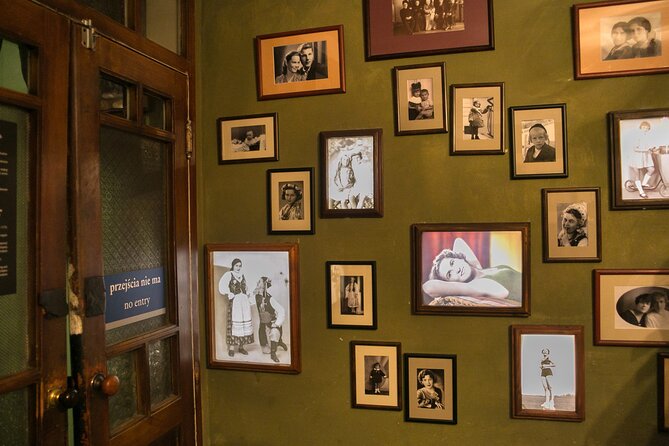
Reviewed · SCHINDLER'S FACTORY TOURS
Schindler’s Factory Small-Group Guided Tour
Krakow’s Schindler’s Factory is less a factory tour than a carefully staged walk through Krakow under Nazi occupation. You pass a hairdresser, photographer, tram, ghetto apartment, and other multimedia displays that show how daily life changed for Polish and Jewish residents. The former office building is real, but most of what you see is an exhibition about the city, not working machinery.
I like the way a guide gives the displays a clear human story, and I like that admission is included in the $45.38 price. The small group, capped at 25 people, also leaves room for questions. The main catch is simple: if you expect a close look at Oskar Schindler’s factory, workers, and machines, this tour may not match that picture.
In This Review
- Key points to know before booking
- What you are really visiting at Lipowa 4
- A walk through wartime Krakow
- The ghetto apartment and the road to Płaszów
- Why the guided format helps
- The Schindler question: film fame versus museum reality
- How much time to allow
- Is $45.38 a fair price?
- Who should book this tour
- Practical details before you go
- My booking verdict
- FAQ
- Where does the tour start?
- Where does the tour end?
- How long does the tour last?
- Is museum admission included?
- What is the main exhibition called?
- Is the museum mainly about Oskar Schindler?
- Does the tour show factory machines?
- How large is the group?
- Can children join?
- What is the cancellation policy?
Key points to know before booking
- The focus is occupied Krakow: The exhibition covers 1939 to 1945 and the lives of the city’s Polish and Jewish inhabitants.
- The museum uses theatrical settings: Expect a tram, narrow ghetto passages, a Jewish apartment, a hairdresser, a photographer, and an authentic photoplasticon.
- A guide adds real value: The displays carry a lot of information, and a guide helps connect the scenes to the wider wartime story.
- The listed duration is 1 hour 30 minutes: One account puts the full experience closer to two hours, so avoid a tight next appointment.
- The meeting point is Lipowa 4: The tour starts and ends at Schindler’s Factory in Krakow.
- It is not mainly a Schindler biography: The 1993 film helps explain the site’s fame, but the museum’s subject is the occupation of Krakow.
What you are really visiting at Lipowa 4
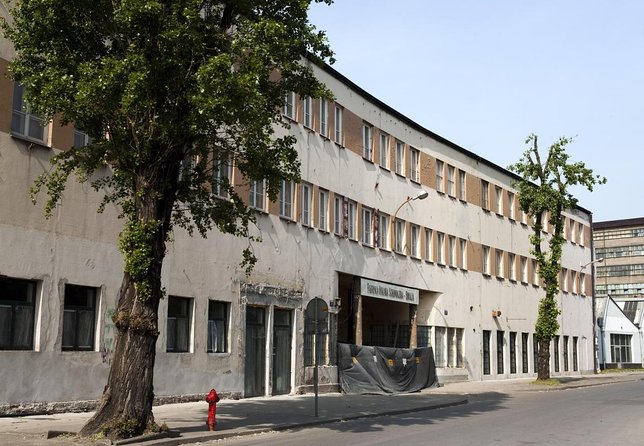
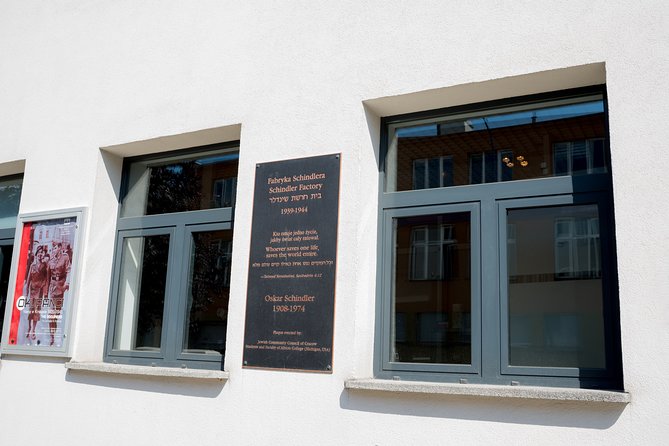
At 4 Lipowa Street, you enter the former administrative building of Oskar Schindler’s Enamel Factory. The address carries strong film associations because Schindler’s wartime actions were later brought to a wide audience through Steven Spielberg’s 1993 film.
Still, you should set your expectations before you arrive. This is not a museum built around Schindler’s personal life, and it is not a preserved industrial floor filled with enamel equipment. The interior office area is the only part described as original. The main attraction is the permanent exhibition titled Krakow under Nazi Occupation 1939 to 1945.
That distinction matters. If you come hoping to see the factory as Schindler knew it, you may leave feeling that the title promises something different. If you come to understand how occupation reshaped Krakow, the visit makes much more sense.
The guide is there to explain that difference and keep the museum from becoming a blur of dates, names, and visual effects. One guide was praised for setting the scene well, while another was described as enthusiastic and able to answer questions throughout. No guide name is supplied, so the particular person leading your visit may vary.
More Schindler's Factory visits:
- Krakow: Oskar Schindler’s Factory Entry Ticket & Guided Tour
★ 4.2 · 3,793 reviews - Krakow: Schindler’s Factory Tour with Entrance Ticket
★ 4.5 · 3,182 reviews - Krakow: Schindler’s Factory Skip-the-Line Ticket
★ 4.4 · 3,105 reviews
A walk through wartime Krakow
The exhibition does not simply line up objects in glass cases. It creates a route through occupied Krakow, using rooms and street scenes to place you inside the city’s wartime experience.
You may enter settings that resemble a period hairdresser and photographer. These details are useful because they show ordinary city life rather than presenting the war as a distant military story. You are reminded that people still needed haircuts, photographs, work, homes, and transport while political control and violence changed every part of life.
An authentic photoplasticon is another unusual feature. This old viewing device adds a small but memorable link to the city’s visual culture. The visit also includes a tram scene, with a film shown through the windows to represent life in Krakow. It is a simple idea, but it gives the exhibition movement and helps you picture the city beyond the factory walls.
I like this approach because it gives you more than a name and a famous film connection. You see how a city can be presented through its streets, businesses, public transport, and private rooms. The displays are designed to make you think about people living through a system imposed on them, not just about the men who directed that system.
The ghetto apartment and the road to Płaszów
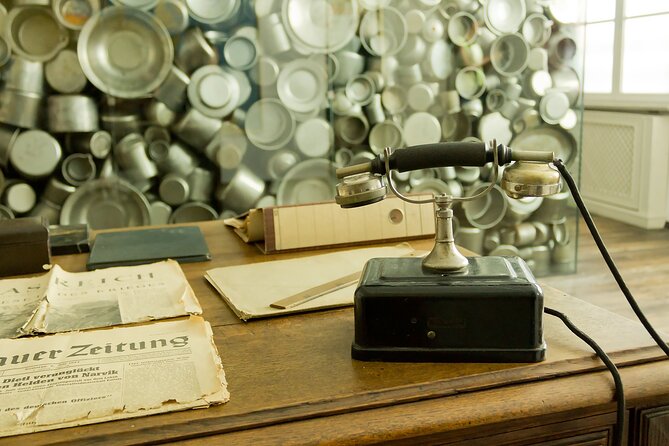
The most difficult part of the route focuses on the Jewish population of Krakow. The exhibition leads you through a narrow ghetto labyrinth and into a Jewish apartment. From there, the story moves toward the camp at Płaszów and the fate of the people forced into that system.
This section gives the tour its emotional weight. The cramped design is not just decoration. It suggests restriction, fear, and the loss of normal private life. You are not being shown a comfortable museum version of wartime Krakow. The route is meant to make the city’s changing boundaries and harsh rules easier to grasp.
Modern multimedia plays a large part in this presentation. Films, recreated spaces, and sound or visual effects help connect the rooms. Some people will find that approach powerful and direct. Others may prefer original objects and a quieter museum style.
Your guide matters most here. The exhibition can be a lot to take in during a short visit, particularly if you are unfamiliar with Krakow’s wartime history. A good explanation helps you understand what the scenes represent and why the route moves from ordinary city life to the ghetto and then toward Płaszów.
This is also where you should keep the subject in mind. The tour deals with persecution, forced movement, and death. It is not a light sightseeing stop, and families should decide together if the material is suitable for their children. Children must be accompanied by an adult.
Why the guided format helps
You can see the exhibition without expecting a guide to provide a basic introduction to every room. Even so, I would choose the guided option if you want more than a quick walk through the displays.
The museum tells a broad story. It covers the occupation of Krakow, the experience of Polish and Jewish residents, German rule, and Schindler’s place within that setting. That is a lot of ground for a 90-minute visit. A guide can point out what deserves your attention and explain how each recreated environment fits into the larger sequence.
The guide-led format also gives you chances to ask questions. One account specifically valued the opportunities to stop, take photographs, and ask about what was being shown. That is useful if you have seen the film or read about Schindler but want to separate the movie’s story from the museum’s wider account of the city.
The group limit is 25 people. That is not an intimate private tour, but it is still more manageable than a large crowd. You should have a better chance of hearing the guide and following the route without being pushed along by a large procession.
The quality of the experience depends partly on the guide. The strongest praise goes to guides who explain the setting clearly and keep their energy up across a serious subject. Since the tour operator is Intercrac Sp. z o.o., the person leading your group can differ from one departure to another.
A few more Krakow trips worth comparing
- From Krakow: Auschwitz-Birkenau Guided Tour & Hotel Pickup
★ 4.5 · 33,358 reviews - From Krakow: Auschwitz-Birkenau Guided Tour & Hotel Pickup
★ 4.5 · 29,340 reviews - Krakow: Auschwitz Guided Tour with Optional Hotel Pickup
★ 4.5 · 15,280 reviews - Krakow: Auschwitz-Birkenau Guided Tour with Pickup & Lunch
★ 4.5 · 9,800 reviews
The Schindler question: film fame versus museum reality
The film creates a natural expectation. Many people arrive wanting to see the place where Schindler ran his enamel works and helped Jewish workers. That connection is important, but it is not the whole visit.
The museum’s subject is occupied Krakow. Schindler is part of that story, along with the German occupiers, the city’s Polish population, and the Jewish community whose lives were destroyed or changed by Nazi rule. You will learn more about the city’s wartime condition than about factory production.
That can be a strength. Schindler’s story makes the site accessible, but the exhibition does not reduce the occupation to one unusual factory owner. It puts the factory into a much larger setting.
It can also be a disappointment if you want industrial details. You should not book this expecting machines, a full tour of production areas, or an extensive account of the factory workers. The original interior office space and exterior are the main physical links to the old factory, while the rest of the visit is a museum exhibition.
My advice is to treat the film as background, not as the promised itinerary. If you have watched Schindler’s List, the museum may correct your expectations by showing the broader city and the people who lived through the occupation. If your main interest is factory history, you may find the emphasis too wide.
How much time to allow
The stated tour length is about 1 hour 30 minutes, with admission included. That is enough time for a focused visit, but you should not rush away immediately afterward.
One account describes the experience as closer to two hours. The difference may depend on how long the guide spends answering questions, how quickly the group moves, and how much time people take with the multimedia rooms. I would allow at least two hours in your day, even if the official estimate is shorter.
The tour starts and ends at Lipowa 4, so you do not need to arrange a separate transfer between stops. The site is near public transportation, which helps if you are reaching it from another part of Krakow. The supplied details do not specify a transport service as part of the tour, so plan to make your own way to the meeting point.
Because the exhibition is serious and fairly dense, an early or midday visit may work better than squeezing it between several rushed attractions. You will get more from the guide if you have enough time to pause and ask questions.
Is $45.38 a fair price?
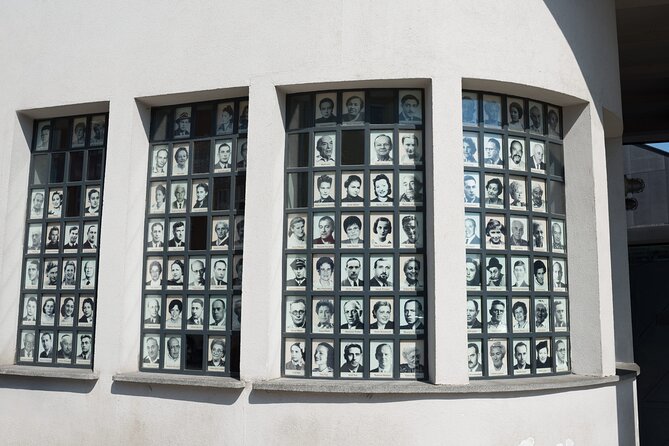
At $45.38 per person, the price is not simply an entrance ticket. You are paying for admission and a guide who interprets a museum with a large amount of information and a carefully arranged route.
I think the price is reasonable if you want context and conversation. The exhibition has enough moving parts that a guide can help you see how the scenes fit together. This is especially useful if you have limited time in Krakow or if you are visiting the museum without much background on the occupation.
The value is weaker if you mainly want to enter the building and look around at your own pace. The factory connection may lead you to expect original industrial material, but the visit does not center on machines or factory operations. In that case, the guided fee may feel less useful.
For many people, the strongest reason to pay is not the length. It is the explanation. Ninety minutes can pass quickly in a museum like this, and a guide helps you focus on the important parts rather than trying to decode every display alone.
The tour is often booked about 29 days in advance. That does not guarantee that every date will sell out, but it suggests that you should not leave your planning until the last moment if this museum is important to you.
Who should book this tour
I would recommend it to you if you want a structured introduction to wartime Krakow and prefer to have someone explain the exhibition as you go. It suits first-time visitors who want the major themes without having to research every room in advance.
It is also a good fit if you have seen the film and want a wider account of the city. The tour can help you place Schindler within the period rather than treating him as the only subject.
You may want to skip it, or choose a different museum experience, if your main goal is to see factory machinery, production rooms, or a detailed biography of Schindler. The museum is about occupation and civilian life, with Schindler as one part of that story.
The subject matter also calls for a little planning. You will encounter the persecution of Jewish residents, the ghetto, and Płaszów. That is historically important, but it is not an easy or casual attraction.
Practical details before you go
The meeting point is Schindler’s Factory at Lipowa 4, Krakow, Poland. The activity returns to that same point, and admission is included.
Confirmation is sent when you book. The group can include up to 25 people, and most people can take part. Children must be accompanied by an adult.
You can cancel for a full refund if you do so at least 24 hours before the scheduled start time. Cancellations or changes made within 24 hours are not refunded or accepted, and the cut-off follows local Krakow time.
My booking verdict
Book this tour if you want occupied Krakow explained through scenes, film, and personal stories, not a conventional factory tour. The guide, included admission, and manageable group size make the $45.38 cost fair for a focused visit.
Skip it if you are chiefly interested in machines, factory workers, or a full Schindler biography. For the right expectation, this is a strong museum visit. For the wrong one, the title can leave you looking for a factory that the exhibition does not really try to recreate.
FAQ
Where does the tour start?
It starts at Schindler’s Factory, 4 Lipowa Street, Krakow, Poland.
Where does the tour end?
The activity ends back at the meeting point at Lipowa 4.
How long does the tour last?
The stated duration is approximately 1 hour 30 minutes. One account describes the full experience as taking about two hours, so allow extra time.
Is museum admission included?
Yes. Admission to Schindler’s Enamel Factory is included.
What is the main exhibition called?
The main exhibition is Krakow under Nazi Occupation 1939 to 1945.
Is the museum mainly about Oskar Schindler?
No. The exhibition focuses on occupied Krakow and the experiences of Polish and Jewish residents. Schindler is part of the story, but the museum is not a biography museum.
Does the tour show factory machines?
The supplied details do not describe a collection of factory machines. The exhibition is mainly about wartime Krakow, and the original interior feature noted is an office area.
How large is the group?
The tour has a maximum of 25 people.
Can children join?
Yes, but children must be accompanied by an adult.
What is the cancellation policy?
You receive a full refund if you cancel at least 24 hours before the experience starts. Cancellations and changes made within 24 hours are not accepted or refunded.
Just added around Krakow
- Private Guided Tour: Oskar Schindler’s Factory★ 5.0 · 3 reviews
- E-Scooter Krakow sightseeing tour★ 5.0 · 3 reviews
- From Krakow: Zakopane and Thermal Pools Guided Trip★ 5.0 · 3 reviews
- Schindler’s Factory, Ghetto and Plaszow Camp Guided Tour★ 4.7 · 3 reviews
- Kraków: Private Hot Air Balloon Flight with Champagne★ 3.7 · 3 reviews
- Krakow: River Cruise & Guided Visit to Former Plaszow Camp★ 3.6 · 3 reviews
- From Krakow: Private Wieliczka Salt Mine Tour★ 4.0 · 3 reviews
- Krakow: Old Town short walk with St. Mary’s Basilica visit★ 5.0 · 3 reviews
Schindler's Factory Tours, compared.

Oskar Schindler’s Factory Entry Ticket & Guided Tour
Read our review →
Schindler’s Factory Tour with Entrance Ticket
Read our review →
Schindler’s Factory Tour with Entrance Ticket
Read our review →
Schindler’s Factory in Krakow: Guided Tour & Skip the Line Ticket
Read our review →

Schindler’s Factory Ticket with Guided Tour Option
Read our review →
Krakow Schindler’s Factory Guided Tour with Admission Ticket
Read our review →Browse the lists this tour appears in