
Reviewed · AUSCHWITZ-BIRKENAU TOURS
Super Saver: Auschwitz Birkenau & Wieliczka Salt Mine – Guide with Hotel Pickup
Auschwitz Birkenau and Wieliczka Salt Mine make an unlikely pair: one is a solemn memorial, the other an underground world of salt-carved chapels. Fitting both into one Krakow day saves precious time, especially if your visit is short. I like the direct hotel transfer and the fact that English guides are arranged at both sites.
I also like having a driver who manages the road time and helps you move between two major attractions. Drivers including Daniel, Alex, Simon, Pawel, and Kamil have been praised for staying in touch and handling changes. The main drawback is unstable timing, with some departures moved from 7:00 am to 3:00 or 4:00 am because of Auschwitz ticket availability.
In This Review
- Key points to know before booking
- Two powerful sights, one demanding day
- What the Krakow pickup really means
- Auschwitz Birkenau: a serious morning at the memorial
- The ticket issue you need to understand
- Small bags only at Auschwitz
- Wieliczka Salt Mine: cool air, carved salt, and many stairs
- Transport, group size, and the role of the driver
- Food, weather, and the practical cost of convenience
- Who should book this combined day trip?
- Should you book it?
- FAQ
- How long does the Auschwitz and Wieliczka tour last?
- What time does pickup begin?
- Can I be picked up directly from my Krakow hotel?
- Are admission tickets included?
- What identification do I need?
- How much luggage can I take into Auschwitz?
- Is this tour suitable for people with walking difficulties or claustrophobia?
Key points to know before booking
- Two major sights in one day: Auschwitz Birkenau receives about four hours, followed by roughly three hours at Wieliczka Salt Mine.
- Pickup is convenient but not guaranteed at your door: Traffic restrictions in Krakow Old Town may require a short walk to a nearby meeting point.
- A very early start can happen: The advertised time is a preference, not a promise, and the final pickup may arrive only 12 hours before departure.
- Auschwitz may involve waiting for entry arrangements: Some departures reach the museum early and queue for tickets before the guided visit.
- The salt mine is physically demanding: Expect 800 steps, including 380 near the beginning, and a cool underground temperature of 14 to 16 degrees Celsius.
- Pack light and carry identification: Auschwitz allows only a small bag, and every participant must provide a full name and bring ID.
Two powerful sights, one demanding day
This is not a gentle sightseeing outing. It is a tightly packed day of walking, waiting, emotional weight, and underground steps. The reward is that you see two of the most important places near Krakow without arranging separate transport, tickets, and transfers yourself.
The day usually lasts 11 to 12 hours. That estimate can stretch if museum access is delayed, traffic slows the vehicle, or the gap between your two guided visits becomes long. You should think of this as an efficient solution, not a relaxed one.
The tour suits you best if your Krakow stay is brief and both places matter to you. It is less suitable if you want time for a proper meal, dislike early mornings, have difficulty walking, or need a fixed schedule for onward travel.
More Auschwitz-Birkenau memorial visits:
- From Krakow: Auschwitz-Birkenau Guided Tour & Hotel Pickup
★ 4.5 · 33,358 reviews - From Krakow: Auschwitz-Birkenau Guided Tour & Hotel Pickup
★ 4.5 · 29,340 reviews - Krakow: Auschwitz Guided Tour with Optional Hotel Pickup
★ 4.5 · 15,280 reviews
What the Krakow pickup really means
Pickup is offered from accommodation in central Krakow, and the vehicle is air-conditioned. That sounds simple, but Old Town traffic rules complicate the picture. Some streets are closed to larger vehicles, including Mercedes Sprinter-style minibuses, so you may be directed to the closest practical pickup point instead of the hotel entrance.
Give the provider your full accommodation address. If you do not, the fallback meeting point is Straszewskiego 14 Street. I would not leave this detail until the morning. Confirm the location carefully, especially if your lodging is on a pedestrian street or inside the restricted Old Town zone.
The stated start time is 7:00 am, but the final pickup time depends on Auschwitz availability. Some departures have been moved to around 4:00 or 4:30 am, and the information supplied also allows a possible pickup range from 2:00 am to 1:30 pm in unusual scheduling situations. In practical terms, choose a preferred time slot, then wait for confirmation at least 12 hours before pickup.
This uncertainty is the tour’s biggest weakness. Several people were caught off guard by late messages, missed sleep, or long waits outside in cold weather. Others found that the early departure was useful because it put them near the front of the queue. You need to accept both possibilities before paying.
Auschwitz Birkenau: a serious morning at the memorial
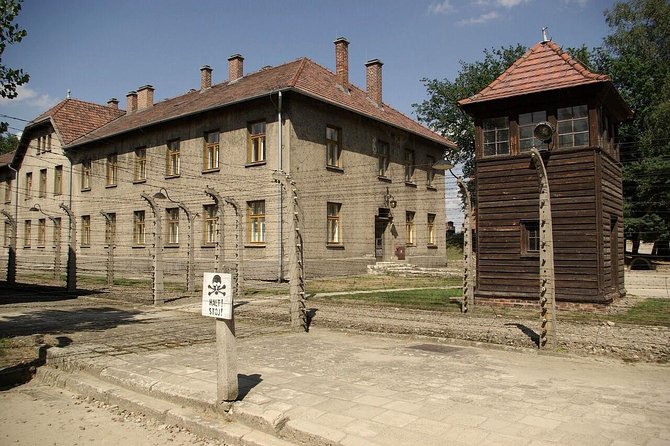
The first stop is the Panstwowe Muzeum Auschwitz-Birkenau, with about four hours set aside for a full guided visit. The experience covers Auschwitz and Birkenau, and much of the second part takes place outdoors.
Expect a sober, structured visit rather than free wandering. The museum handles the guided entry, and you generally follow a fixed route and pace. Hundreds of people may be visiting at the same time, so you cannot stop wherever you like or set your own speed. Personal audio equipment may be used during the museum visit, helping you hear the guide while the group moves through the grounds.
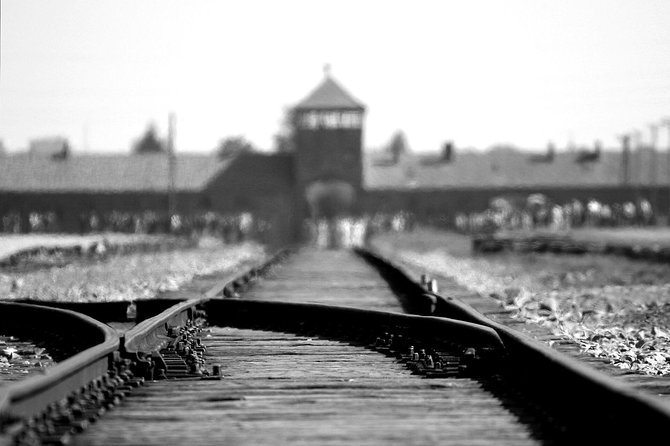
The first section is emotionally difficult. The displays and preserved site require quiet attention, and the scale becomes even more striking at Birkenau. You may spend up to 70 percent of the whole day outdoors, with Birkenau especially exposed to rain, wind, snow, or strong sun.
Wear shoes with good support and bring clothing for the forecast, not just for Krakow’s city center. A warm coat can matter even when the day begins in a comfortable hotel. In winter, the wait before entry can be particularly unpleasant if your departure has been shifted forward.
The ticket issue you need to understand
Admission is included, but that does not always mean you walk straight into a ready-made tour. Depending on museum availability, your driver or local representative may need to arrange tickets at the entry office. This can mean queuing, waiting for a later English tour, or receiving instructions while the driver handles the paperwork.
Some departures have reached Auschwitz around 5:30 or 6:30 am, then waited until the ticket office opened. A guided visit has sometimes begun at 10:00 or 10:30 am, leaving several hours in between. Other departures have gone through in about 10 minutes because tickets were already arranged.
That difference is crucial when judging value. You are paying for transport, admission, and help with the visit, but not necessarily for a guaranteed skip-the-line experience. The driver may be able to collect tickets or guide you through the process, but the museum controls its capacity and visiting times.
Drivers have often made the awkward system easier. Daniel has been praised for waiting while passengers rested in the van and for sending updates through the day. Alex has kept groups informed through traffic and schedule changes. Simon has helped explain what was happening while people waited. Still, good driver service cannot remove the uncertainty built into the museum’s ticket system.
Bring your passport or another accepted ID. The museum requires the full names of all participants in advance, and security may refuse entry if you do not have identification. Keep your booking details and phone available, but do not assume a large bag will be allowed inside.
More Wieliczka Salt Mine trips:
- From Krakow: Wieliczka Salt Mine Tour
★ 4.6 · 9,393 reviews - Krakow: Auschwitz-Birkenau and Salt Mine Guided Tour
★ 4.7 · 9,020 reviews - Krakow: Wieliczka Salt Mine Guided Tour with Transport
★ 4.4 · 7,429 reviews - Krakow: Wieliczka Salt Mine Fast-Track Ticket & Guided Tour
★ 4.5 · 5,872 reviews
Small bags only at Auschwitz
The maximum baggage size allowed at the museum is 30 by 20 by 10 centimeters, roughly the size of an A4 sheet. A small handbag or wallet is fine. Larger luggage can remain in the locked vehicle, with the driver looking after it while you visit.
I would pack only the basics:
- Identification
- Phone and booking information
- Water if permitted
- Tissues
- Weather protection
- Any essential medication
Do not arrive with a full suitcase and expect to carry it through the memorial. The vehicle storage option helps, but keeping your valuables and important documents with you is still sensible.
Wieliczka Salt Mine: cool air, carved salt, and many stairs
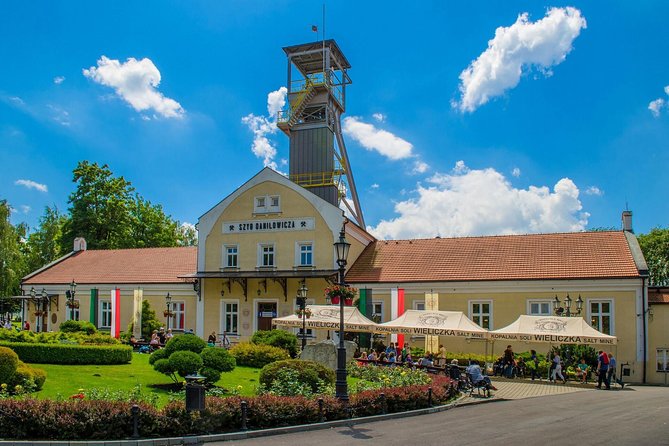
After Auschwitz, the vehicle continues to Wieliczka Salt Mine for a guided visit of about three hours. This changes the mood and the setting completely. You leave the open memorial grounds and enter a cool underground complex filled with chambers, salt sculptures, and ornate chapels.
The mine is visually remarkable, but do not mistake it for an easy indoor stop. There are 800 steps along the route, including 380 near the start. You also walk a considerable distance underground, with one account putting the route at about 2.5 kilometers. After several hours on your feet at Auschwitz, that can feel like a second hike.
The temperature inside ranges from 14 to 16 degrees Celsius. Bring a sweater or light jacket, even in summer, and wear firm, comfortable shoes. The mine is not recommended if you have claustrophobia or significant walking limitations.
The guide-led format is useful here because the carved rooms mean more when you know what you are seeing. The tour keeps the group together and explains the mine’s artwork, chambers, and religious spaces. Guides at the mine have been praised for clear explanations, humor, and willingness to answer unusual questions.
You may also face a wait for the lift on the way out. One account describes a 30-minute queue. That is another reason not to schedule an evening train or flight too close to the tour’s expected return.
Transport, group size, and the role of the driver
The vehicle is an air-conditioned car or minibus, with a maximum group size of 30. The exact feel depends on the day’s numbers. A smaller group can make transfers easier, while a full vehicle may feel crowded after a long day.
The driver is not necessarily your museum guide. The package provides an English-speaking professional guide at both museums, while the driver handles transport, meeting points, timing, and communication. This distinction matters because the most warmly praised staff members are often the drivers, not necessarily the guides assigned inside the sites.
Daniel, Alex, Simon, Pawel, Kamil, and Adrian are among the drivers singled out for being helpful, punctual, or calm under pressure. Some have waited while tickets were arranged, checked that people were comfortable, or sent messages during the day. One driver was criticized for being abrupt, while another missed a pickup or failed to communicate promptly. Service can vary.
That variation is especially important when the day goes wrong. A friendly driver can make a long queue tolerable, but you should still keep your own watch on the time and ask clear questions. Find out when and where you will meet after each visit. Do not wander off alone, since the schedule is tight and the group may need to leave promptly.
Food, weather, and the practical cost of convenience
Food and drinks are not included. The day can begin before breakfast, and an early pickup may leave little time to buy provisions. Some people have arranged a packed lunch through the provider, but that is not part of the stated package, so check availability before relying on it.
Bring water and something easy to eat if the rules allow it. The Auschwitz café may be available, but waiting for service there can be slow, and a long gap before the guided visit may not line up with mealtimes. You should not assume there will be a comfortable lunch stop between the memorial and the mine.
Weather planning is just as important. You spend much of Auschwitz outdoors, especially at Birkenau, then move into a cool mine. A waterproof outer layer, warm layer, comfortable shoes, and a small umbrella can make a real difference. Large backpacks are not practical because of the museum’s baggage rule.
There is no listed tour price in the information provided, so I cannot call it cheap or expensive in a precise way. The value comes from bundling admission, two English-guided visits, transport, and central pickup into one booking. You are also paying for the chance to avoid arranging a bus, train, separate tickets, and a transfer between sites.
But the value weakens if you spend several hours queuing for Auschwitz tickets or lose sleep because the pickup changes at the last minute. If you can arrange confirmed museum tickets yourself and are comfortable with public transport or a private taxi, separate bookings may offer more control. If your Krakow visit is short, the convenience may justify the premium.
Who should book this combined day trip?
I would consider it if you have only one or two full days in Krakow and both Auschwitz and Wieliczka are priorities. It is also useful if you prefer one point of contact, want air-conditioned transport, or do not want to navigate the road between the two sites.
It works well for people who can walk for several hours, handle a fixed group pace, and remain flexible about departure time. The full day is physically and emotionally taxing, but the combination gives you two very different experiences without spending another day on excursions.
I would hesitate if you are in your late sixties or seventies with limited stamina, have knee problems, use a wheelchair, or struggle in enclosed spaces. The salt mine’s stairs and distance are clear warnings. I would also avoid booking it immediately before an important flight, train, or event because museum timing and the lift queue can push the return later.
Families and younger visitors may manage the walking well, but Auschwitz requires maturity and quiet respect. This is not a casual add-on to a city break. Give the memorial the attention it deserves, and remember that the mine will not feel like a restful afternoon afterward.
Should you book it?
Book this tour if saving a day matters more than controlling every hour. The two sites are exceptional, the transport is useful, and a strong driver can make the transfer and ticket process much easier. The English guides at both museums add structure to places that are difficult to understand without context.
Do not book it expecting a guaranteed 7:00 am departure, instant Auschwitz entry, a proper meal stop, or a light day. Confirm your final pickup, prepare for a possible pre-dawn start, carry ID, pack very little, and dress for cold outdoor weather and a cool underground mine.
My practical verdict is cautious but positive: this is a worthwhile time-saver for a fit, flexible visitor, but not the most reliable choice for anyone who needs firm plans. If the provider confirms your tickets and pickup clearly, the package can be excellent. If the final arrangements remain vague, booking each site and transfer separately may give you better control.
FAQ
How long does the Auschwitz and Wieliczka tour last?
The experience lasts approximately 11 to 12 hours. The planned visits include about four hours at Auschwitz Birkenau and three hours at Wieliczka Salt Mine, with the remaining time used for transport, entry arrangements, and waiting.
What time does pickup begin?
The preferred start time shown is 7:00 am, but the actual pickup depends on Auschwitz Museum availability. The final pickup can change substantially, sometimes to around 2:00, 3:00, or 4:00 am. The provider says it will send the confirmed time at least 12 hours before pickup.
Can I be picked up directly from my Krakow hotel?
Pickup and drop-off are offered at accommodation in central Krakow. Some Old Town hotels are in traffic-restricted streets, so the vehicle may use the closest possible pickup point instead. If no accommodation address is provided, the meeting point is Straszewskiego 14 Street.
Are admission tickets included?
Admission tickets for both Auschwitz Birkenau and Wieliczka Salt Mine are included. However, Auschwitz availability can affect how tickets are collected and may require waiting at the ticket office before a guided time is assigned.
What identification do I need?
Every participant must bring an ID document for verification. You also need to provide the provider with the full names of everyone in your group before visiting Auschwitz, or entry may be refused.
How much luggage can I take into Auschwitz?
The museum allows baggage up to 30 by 20 by 10 centimeters, about the size of an A4 sheet. A small handbag or wallet is acceptable. Larger luggage can be left in the locked vehicle beside the museum.
Is this tour suitable for people with walking difficulties or claustrophobia?
No. The salt mine has 800 steps, including 380 near the beginning, and the route involves a long underground walk. The mine is not recommended for people with walking disabilities or claustrophobia.
Just added around Krakow
- Private Guided Tour: Oskar Schindler’s Factory★ 5.0 · 3 reviews
- E-Scooter Krakow sightseeing tour★ 5.0 · 3 reviews
- From Krakow: Zakopane and Thermal Pools Guided Trip★ 5.0 · 3 reviews
- Schindler’s Factory, Ghetto and Plaszow Camp Guided Tour★ 4.7 · 3 reviews
- Kraków: Private Hot Air Balloon Flight with Champagne★ 3.7 · 3 reviews
- Krakow: River Cruise & Guided Visit to Former Plaszow Camp★ 3.6 · 3 reviews
- From Krakow: Private Wieliczka Salt Mine Tour★ 4.0 · 3 reviews
- Krakow: Old Town short walk with St. Mary’s Basilica visit★ 5.0 · 3 reviews
Auschwitz-Birkenau Tours, compared.

Auschwitz-Birkenau Guided Tour & Hotel Pickup
Read our review →Auschwitz-Birkenau Guided Tour & Hotel Pickup
Read our review →
Auschwitz Guided Tour with Optional Hotel Pickup
Read our review →
Auschwitz-Birkenau Guided Tour with Pickup & Lunch
Read our review →
Auschwitz-Birkenau Guided Tour Pickup/Lunch Options
Read our review →

Krakow to Auschwitz Birkenau Guided Tour with Transfer and Ticket
Read our review →
Browse the lists this tour appears in