
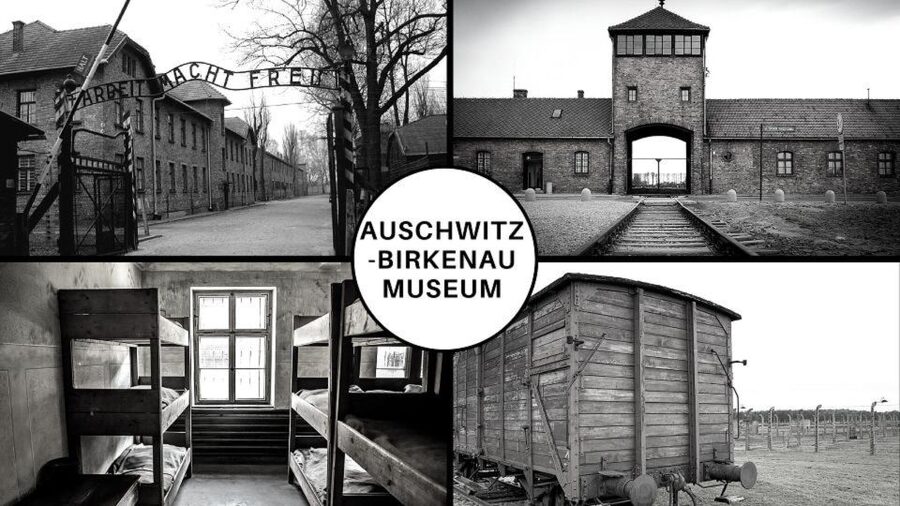
Reviewed · AUSCHWITZ-BIRKENAU TOURS
Auschwitz-Birkenau: Museum Entry Ticket with Guided Tour
Auschwitz-Birkenau is not a sightseeing stop in the usual sense. It is a place of evidence, grief, and remembrance, where the gate, barracks, railway platform, and ruined gas chambers make the scale of Nazi crimes painfully clear. The authorized live guide helps connect those bare structures with the lives destroyed there.
I like that your entry ticket and guide are arranged before you reach the gate, and I like the headsets, which let you follow the explanation even when the group spreads out. The two-part visit also gives you both Auschwitz I and the much larger Birkenau site.
The main drawback is the fixed pace. The museum controls the timing, and some people may find the tour rushed. Your start time can also change by as much as four hours, so do not build a tight schedule around the original time until it is confirmed.
In This Review
- Key points to know before you book
- Why this Auschwitz visit needs a different kind of preparation
- Meeting at the Visitor Center
- Auschwitz I: barracks, exhibitions, and the camp gate
- The 30-minute pause between the two sites
- Auschwitz II-Birkenau: railway, barracks, and ruins
- What the $52 price includes
- The emotional pace and the role of the guide
- Clothing, bags, and entry rules
- Who should choose this guided tour
- Should you book Auschwitz-Birkenau with LegendaryKrakow?
- FAQ
- Where does the tour begin?
- Is transportation included?
- How long does the visit last?
- How long is the Auschwitz I visit?
- How long is the Birkenau visit?
- Is the ticket included?
- Is a guide included?
- Are headsets provided?
- What identification should I bring?
- What size bag can I bring?
Key points to know before you book
- Auschwitz I takes 105 minutes: Visit former barracks and exhibitions in the original camp built in 1940.
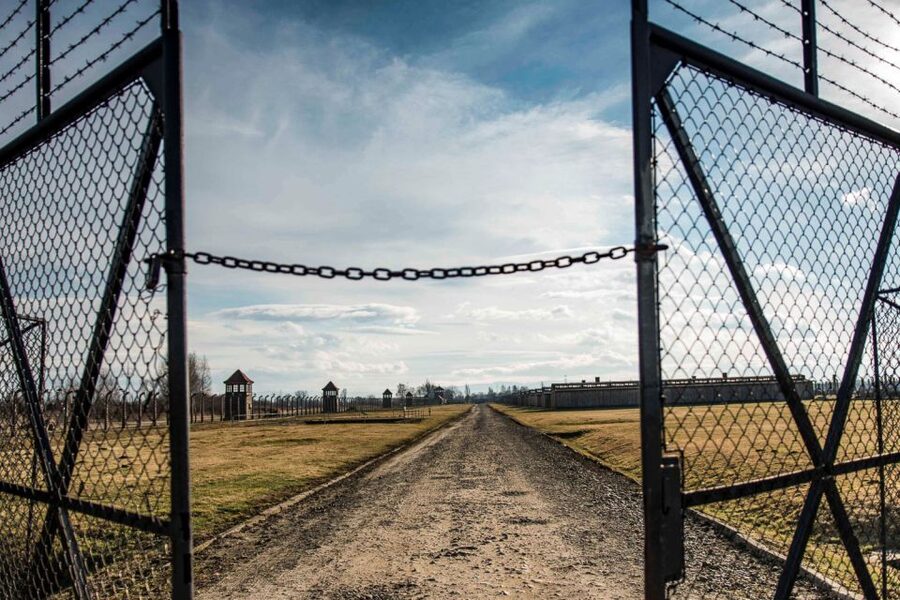
- Birkenau adds 75 minutes: Walk beside the railway platform and see the ruins of the gas chambers.
- A 30-minute break separates the sites: You have time to pause before continuing to Auschwitz II-Birkenau.
- Headsets keep the guide audible: This matters when the group is large or spread across the grounds.
- You arrange your own transport: The tour begins and ends through your own travel plans, not a supplied coach transfer.
- Strict entry rules apply: Bring matching passport or ID details, wear suitable clothing, and carry only a small bag.
Why this Auschwitz visit needs a different kind of preparation
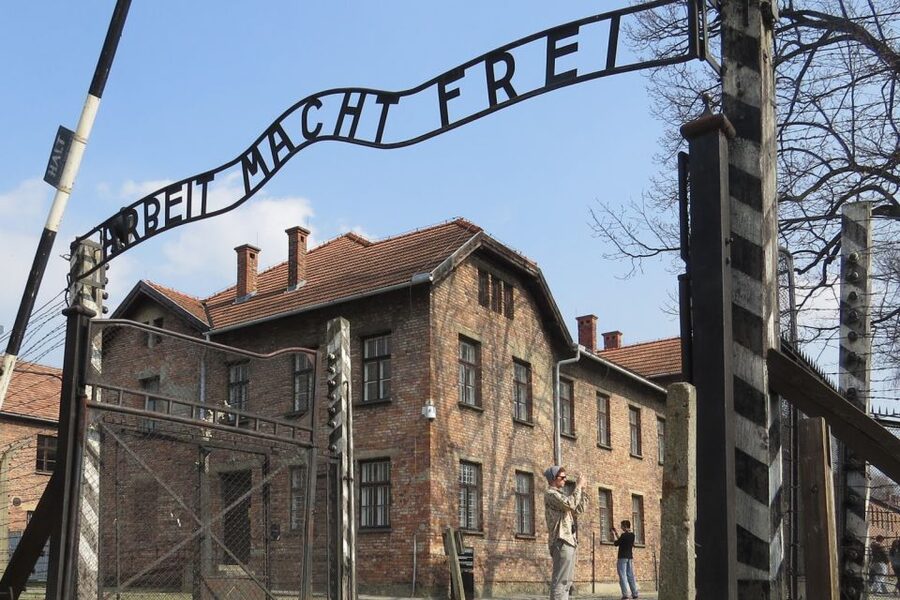
Auschwitz-Birkenau Memorial and Museum asks for attention, patience, and respect. This is not a place for a quick photo stop or casual wandering. The physical remains are stark, and the exhibitions require time to process.
The visit covers the former Auschwitz camp, now called Auschwitz I, and Auschwitz II-Birkenau. Together, they show two different parts of the Nazi camp system. Auschwitz I has preserved buildings and indoor exhibitions. Birkenau shows the enormous scale of the killing center through its railway, barracks, open grounds, and ruined gas chambers.
The death toll connected with the camp is estimated at more than 1.5 million people, representing 28 nationalities. Nearly 90 percent were Jews. A guide gives this information a human frame and helps you understand what you are seeing without reducing the visit to a list of dates and numbers.
I recommend treating the day as a serious historical appointment. Wear comfortable shoes, leave extra time around the tour, and avoid scheduling a lively activity immediately afterward. The experience can be emotionally heavy.
More Auschwitz-Birkenau memorial visits:
- From Krakow: Auschwitz-Birkenau Guided Tour & Hotel Pickup
★ 4.5 · 33,358 reviews - From Krakow: Auschwitz-Birkenau Guided Tour & Hotel Pickup
★ 4.5 · 29,340 reviews - Krakow: Auschwitz Guided Tour with Optional Hotel Pickup
★ 4.5 · 15,280 reviews
Meeting at the Visitor Center
You meet at the Auschwitz Birkenau Museum Visitor Center, formally listed as the Centrum Obsługi Odwiedzających Muzeum Auschwitz-Birkenau. Look for the information boards near the gate leading toward the parking area.
This is an on-site meeting point, not a central Krakow pickup. You need to reach the museum by your own transport, so check your route carefully before leaving. The booking includes admission and guiding, but it does not include transportation to Auschwitz or back.
Bring the passport or ID card used for the booking. The museum requires every participant’s full name and contact details, and the name must match the document exactly. A mismatch can lead to refused entry, which is a serious risk for a non-refundable activity.
The meeting instructions are simple, but the grounds and parking area can be busy. Arrive with enough time to find the visitor center and pass through entry procedures without panic.
Auschwitz I: barracks, exhibitions, and the camp gate
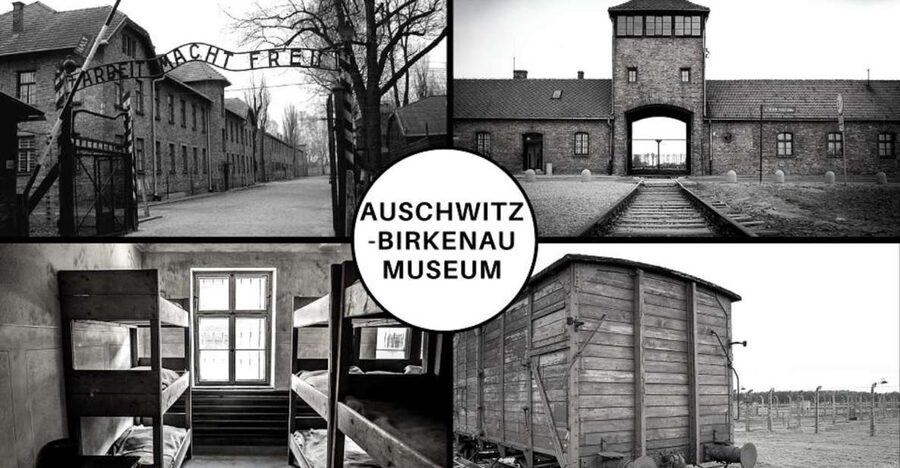
The first guided section lasts about 105 minutes. You enter Auschwitz I, the camp built in 1940 on the outskirts of Oswiecim, and walk through the grounds with the guide.
The famous entrance gate is one of the first images many people associate with Auschwitz. Seeing it in person is different from seeing a photograph because the gate is part of the route into the preserved camp. It marks a physical threshold, but it also reminds you that people were brought through it under force and deception.
Inside the former barracks, exhibitions explain the lives of the people imprisoned here. The buildings are not empty shells. They contain historical displays that help you understand deportation, imprisonment, forced labor, and mass murder.
The guide’s role matters most here. The museum buildings can feel orderly and quiet, yet that calm setting can hide what happened inside and around them. A live explanation supplies context for the objects, rooms, and records you encounter.
The headsets are a useful practical touch. You can hear the English guide without standing shoulder to shoulder with the rest of the group. That does not remove the group-tour limits, but it makes listening easier when the group moves through narrow interiors or open paths.
English is the only language offered for this activity. If you are not comfortable following spoken English for a serious historical subject, this may not be the right format. A Dutch-speaking group, for example, found that the English explanations were difficult to follow. Check the language before paying.
The 30-minute pause between the two sites
After the Auschwitz I visit, you have about 30 minutes of free time before the Birkenau section. Think of this as a short reset, not a generous meal break.
You can use it to collect yourself, drink water, and prepare for the second site. The subject matter does not become easier, but the pause gives you a moment away from the guide’s narration.
The total visit is listed as 210 minutes, but the museum’s visitor service controls the pace and duration. Your actual timing may shift. The stated start time can change by up to four hours, sometimes with only a short notice period, so keep your day flexible and check the latest information from the local partner.
This timing issue is the largest planning weakness. If you have a train, flight, restaurant booking, or another tour later that day, leave a wide margin. Do not assume the printed time will remain unchanged.
More museums in Krakow:
- Auschwitz-Birkenau Museum and Memorial Guided Tour from Krakow
★ 4.5 · 1,510 reviews - Krakow: Rynek Underground Museum Guided Tour
★ 4.6 · 1,122 reviews - Krakow Schindler’s Factory Museum Guided Tour in English
★ 4.5 · 650 reviews - Krakow: Auschwitz Birkenau Museum Guided Tour with Pickup
★ 3.6 · 544 reviews
Auschwitz II-Birkenau: railway, barracks, and ruins
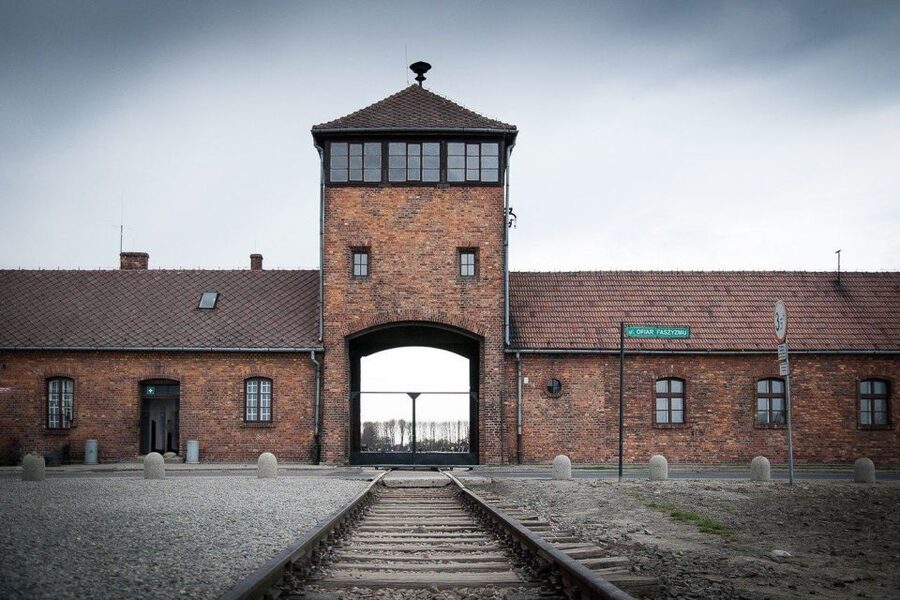
The second guided section lasts about 75 minutes at Auschwitz II-Birkenau. This part of the memorial spreads across a much larger area and gives you a powerful sense of scale.
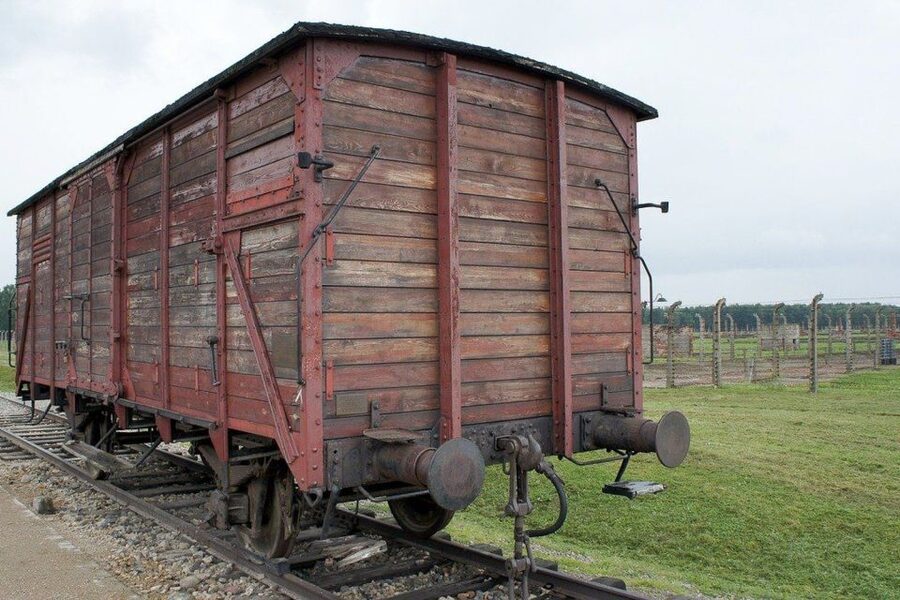
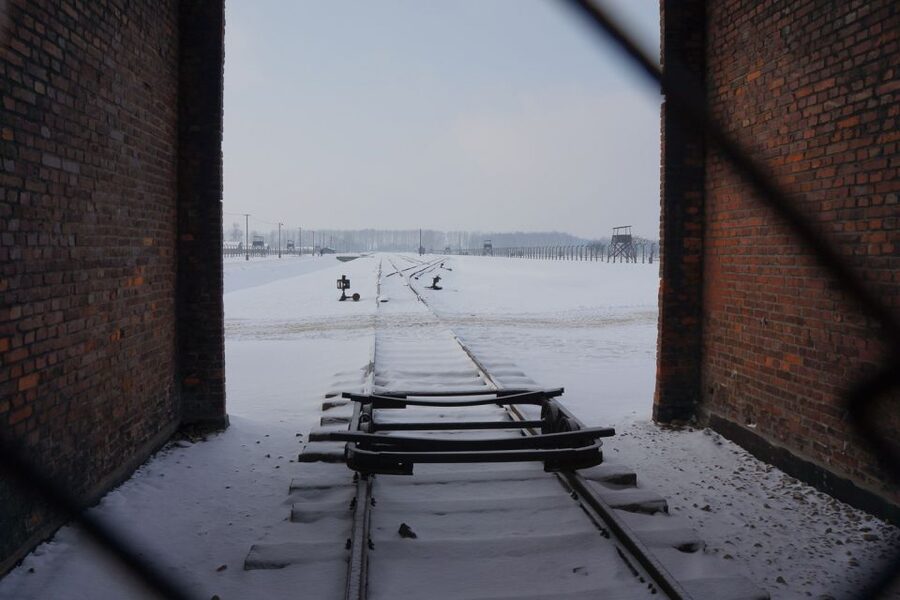
The railway platform is central to the visit. Trains brought deported people into the camp, and the rail line facilitated transport to this part of the complex. Walking beside it makes the process of arrival easier to understand than a museum label alone can do.
You also see the ruins of the gas chambers where people were murdered on a mass scale. The structures are incomplete, but the destruction does not make them less important. The ruins show the effort made to erase evidence and the limits of that effort.
Birkenau can feel more exposed than Auschwitz I. The open grounds, rows of barracks, railway, and remains create a different experience from the enclosed exhibitions in the first camp. You need good shoes because the visit involves walking across the site.
The guide continues with the group, so you do not have unlimited time at each point. If you prefer to stop for long periods or move at your own pace, a guided group may feel restrictive. If you want a clear route and historical explanation, the structure is helpful.
What the $52 price includes
At $52 per person, the value rests mainly in the included admission and authorized English-language guide. You are not simply paying for access to a memorial site. You are paying for a scheduled museum visit with a guide and headset, plus the convenience of having the entry arrangements in place.
The skip-the-line entry can save uncertainty, especially because advance booking is required to secure a visit. Auschwitz-Birkenau has strict visitor controls, and arriving without a confirmed ticket is not a sensible gamble.
The price does not cover your transport. You must reach the Visitor Center and arrange your return yourself. For someone already staying nearby or traveling independently, that keeps the package straightforward. For someone expecting a full day trip from Krakow with a coach, the price may feel incomplete.
The tour receives an overall rating of 4.2 from 146 ratings. That suggests a generally positive experience, but not a flawless one. The strongest praise centers on the emotional impact, the clear guiding, and the value of hearing personal historical connections explained by the guide. The main concerns are crowding, rushed timing, language limits, and changes to the start slot.
The emotional pace and the role of the guide
A good guide cannot make Auschwitz-Birkenau easy, and this is not the purpose. The best guiding gives you enough context to understand the site while allowing the evidence to speak for itself.
One English-speaking guide was praised for a personal connection to the camps and the period. That kind of background can add weight to the explanation, though guide assignments are not named in the information provided, so you cannot book a particular person.
You should expect a group setting rather than a private conversation. The headset helps you hear, but it does not give you control over the route. You may also encounter crowded areas, especially at popular times.
The tour can feel rushed, particularly if you want longer at the exhibitions or need more time to absorb what you see. The museum sets the pace, not the booking provider. This is one reason to choose the tour for structure and interpretation, not for independent exploration.
Clothing, bags, and entry rules
The museum’s entry rules are strict. Bring comfortable shoes, since the visit includes substantial walking at both sites.
Shorts and sleeveless shirts are not allowed. Dress in a restrained, respectful way suitable for a memorial. Weapons and sharp objects are prohibited.
Bags must be very small. The maximum permitted size is 30 by 20 by 10 centimeters, including luggage, purses, and backpacks. Do not arrive with a large suitcase or daypack and assume you can take it inside.
Your passport or ID card is essential. Make sure the name on it is identical to the booking information. Every participant must provide full name and contact details before the visit.
The tour is not considered suitable for children under 14 or people with mobility impairments. The walking, surfaces, distance between the two sites, and serious content all matter here.
Who should choose this guided tour
I would choose this experience if you want a clear introduction to both Auschwitz I and Birkenau, prefer an English guide, and are comfortable handling your own transport.
It suits you especially well if you value a planned route and do not want to manage museum admission alone. The headset is useful for keeping up with the guide, and the 210-minute schedule gives you a substantial visit rather than a brief stop.
You may want another arrangement if you need a private pace, a language other than English, full transport from your hotel, or a guaranteed start time. You should also think twice if strict non-refundable terms would create a problem, since the activity cannot be canceled for a refund.
Should you book Auschwitz-Birkenau with LegendaryKrakow?
Book it if you want the practical basics handled: museum entry, an English-speaking guide, a headset, and visits to both Auschwitz I and Birkenau. At $52, it is a reasonable guided-entry price for a site where advance planning and controlled access matter.
Do not book it expecting a relaxed outing or a perfectly fixed timetable. Arrange your own transport, verify the final time, carry only a small bag, and leave several hours free on both sides. Go with the right frame of mind, listen carefully, and give yourself quiet time afterward.
FAQ
Where does the tour begin?
It begins at the Auschwitz Birkenau Museum Visitor Center, near the information boards by the gate leading to the parking area.
Is transportation included?
No. You must use your own transport to reach Auschwitz and return afterward.
How long does the visit last?
The total listed duration is 210 minutes, including visits to Auschwitz I, a 30-minute break, and Auschwitz II-Birkenau.
How long is the Auschwitz I visit?
The guided visit at Auschwitz I lasts about 105 minutes.
How long is the Birkenau visit?
The guided visit at Auschwitz II-Birkenau lasts about 75 minutes.
Is the ticket included?
Yes. The package includes skip-the-line entry to the Auschwitz-Birkenau Memorial and Museum.
Is a guide included?
Yes. The tour includes a live English-speaking group guide.
Are headsets provided?
Yes. Headsets are provided so you can hear the guide clearly.
What identification should I bring?
Bring the passport or ID card connected to your booking. Your name must exactly match the name supplied during booking.
What size bag can I bring?
The maximum permitted luggage, purse, or backpack size is 30 by 20 by 10 centimeters.
Just added around Krakow
- Private Guided Tour: Oskar Schindler’s Factory★ 5.0 · 3 reviews
- E-Scooter Krakow sightseeing tour★ 5.0 · 3 reviews
- From Krakow: Zakopane and Thermal Pools Guided Trip★ 5.0 · 3 reviews
- Schindler’s Factory, Ghetto and Plaszow Camp Guided Tour★ 4.7 · 3 reviews
- Kraków: Private Hot Air Balloon Flight with Champagne★ 3.7 · 3 reviews
- Krakow: River Cruise & Guided Visit to Former Plaszow Camp★ 3.6 · 3 reviews
- From Krakow: Private Wieliczka Salt Mine Tour★ 4.0 · 3 reviews
- Krakow: Old Town short walk with St. Mary’s Basilica visit★ 5.0 · 3 reviews
Auschwitz-Birkenau Tours, compared.

Auschwitz-Birkenau Guided Tour & Hotel Pickup
Read our review →Auschwitz-Birkenau Guided Tour & Hotel Pickup
Read our review →
Auschwitz Guided Tour with Optional Hotel Pickup
Read our review →
Auschwitz-Birkenau Guided Tour with Pickup & Lunch
Read our review →
Auschwitz-Birkenau Guided Tour Pickup/Lunch Options
Read our review →

Krakow to Auschwitz Birkenau Guided Tour with Transfer and Ticket
Read our review →
Browse the lists this tour appears in