
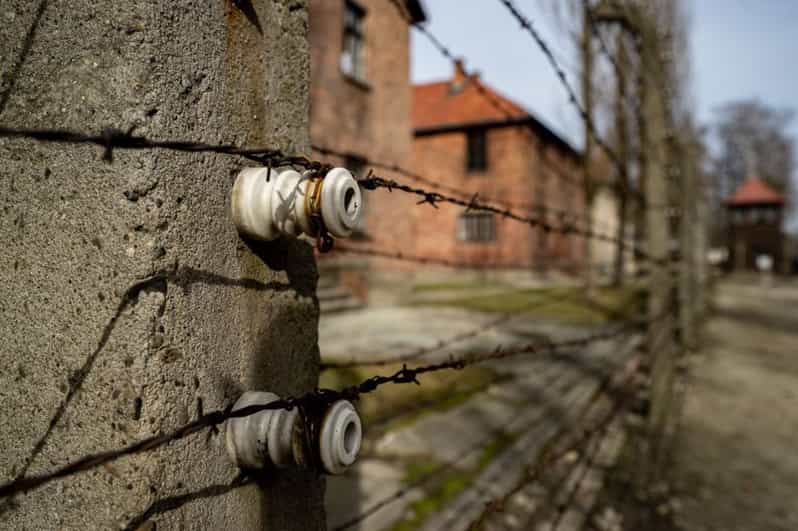
Reviewed · AUSCHWITZ-BIRKENAU TOURS
Auschwitz-Birkenau Skip-the-Line Ticket and Guided Tour
Auschwitz-Birkenau is not a sightseeing stop in the usual sense. It is a place of remembrance, painful evidence, and quiet reflection. This four-hour guided visit takes you through both Auschwitz I and Auschwitz II-Birkenau, with an official museum guide explaining the buildings, objects, and human story behind the Holocaust.
I like the pre-booked entry and the included transfer between the two camps. I also like having a headset, since a group of up to 30 people can otherwise make it hard to hear. The main drawback is that the scheduled time can change, sometimes at short notice, and the visit involves a lot of walking with little time to rest.
In This Review
- Key points at a glance
- A serious visit made easier by good planning
- Auschwitz I: buildings, objects, and a close look at the camp
- The transfer to Birkenau and the short pause
- Auschwitz II-Birkenau: open ground and a wider sense of scale
- What the guide adds to the visit
- The meeting point and arrival routine
- Is $55 a fair price?
- Who should choose this guided tour?
- Practical advice for a respectful, smoother visit
- Should you book the Auschwitz-Birkenau guided tour?
- FAQ
- How long does the Auschwitz-Birkenau tour last?
- Is transport from Krakow included?
- What languages are available?
- Do I need to bring identification?
- Can I bring luggage or a large bag?
- Can the tour time change?
Key points at a glance
- Two camps in one visit: See Auschwitz I for about 1.5 to 2 hours, then Auschwitz II-Birkenau for 60 to 75 minutes.
- Official museum guide: Your guide leads the tour in English, French, or German and explains the site in a careful, serious way.
- Transport between camps included: You do not need to arrange the connection between Auschwitz and Birkenau yourself.
- Skip the ticket line: Pre-booked admission saves time, though you still need to arrive early and pass the museum’s entry checks.
- Expect a demanding walk: Cold, rain, open ground, and several kilometres on foot can make this tiring.
- Bring matching ID: Your full name on the booking must match your passport or identity card at entry.
A serious visit made easier by good planning
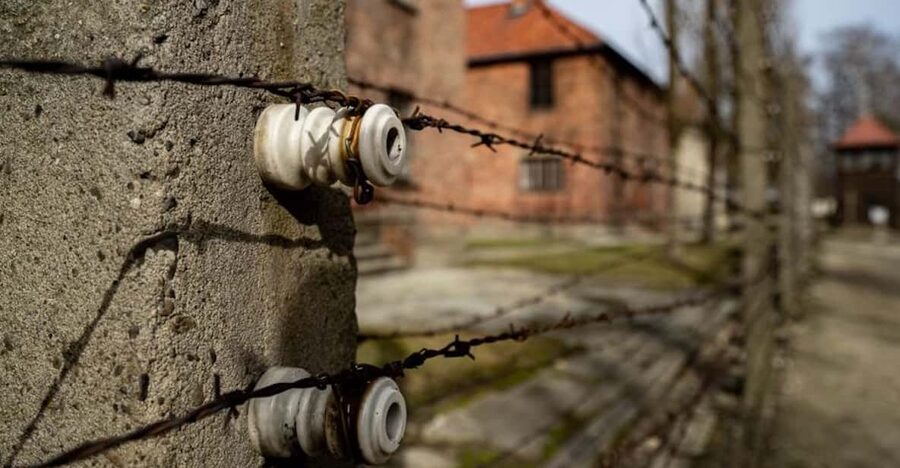
The biggest practical benefit here is not comfort. It is order. You arrive at the designated meeting point, find the local host by the logo board on the main building, receive help with the next step, and join the museum’s official guided visit.
That matters at Auschwitz-Birkenau because entry is controlled, names are checked, and tour times are set by the memorial’s visitor service. You are not simply walking up and buying a ticket whenever you like. A pre-booked place removes one major worry, especially during busy periods.
The host’s role is modest but useful. You are met at the meeting point and given directions and planning advice before entering. The host does not provide transport from Krakow or another city. You need to arrange that part yourself, unless you have separately booked a pickup option that is available with your booking.
The tour itself lasts around 3.5 hours, within a four-hour activity window. You spend roughly 1.5 to 2 hours at Auschwitz I and 60 to 75 minutes at Birkenau. The exact flow and break times are controlled by the memorial, not by the booking company or your individual guide.
More Auschwitz-Birkenau memorial visits:
- From Krakow: Auschwitz-Birkenau Guided Tour & Hotel Pickup
★ 4.5 · 33,358 reviews - From Krakow: Auschwitz-Birkenau Guided Tour & Hotel Pickup
★ 4.5 · 29,340 reviews - Krakow: Auschwitz Guided Tour with Optional Hotel Pickup
★ 4.5 · 15,280 reviews
Auschwitz I: buildings, objects, and a close look at the camp
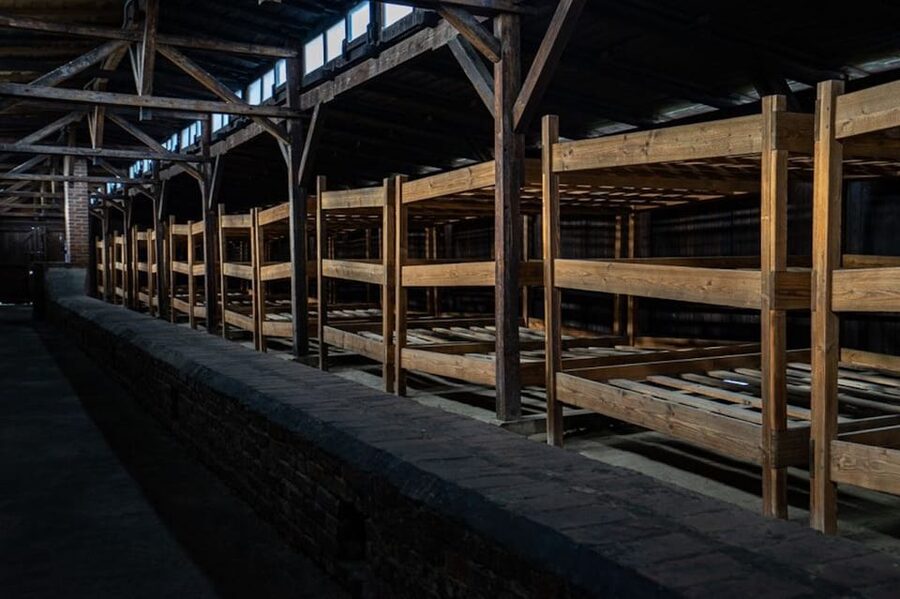
The first part takes place at Auschwitz I, the more enclosed and museum-focused section of the visit. You walk through the original camp buildings and see exhibits and artefacts connected with the people held there.
A guide gives these buildings meaning. Without explanation, a room, corridor, or display can be hard to place in the wider story. With the guide, the visit becomes a step-by-step account of how the camp operated and what prisoners endured.
This is where the headset helps. The group can contain up to 30 people, and you may be standing some distance from the guide while looking at an exhibit or moving through a building. Clear audio lets you focus on the explanation rather than trying to stay shoulder to shoulder.
The tone is serious and direct. Guides praised during this activity include Jakob, Oskar, Mary, Magdalena, Aga, and Mike, although your guide will depend on the date and language. The best guides use plain speech, allow questions, and do not rush you from one point to the next.
You should not expect a relaxed museum stroll. The material is disturbing, and the emotional weight builds as the guide connects the physical site with the people who were imprisoned and killed there. If you have family ties to the Holocaust or World War II, the experience may feel especially personal.
At Auschwitz I, the time is long enough to cover the main points, but not every display in great detail. If you want to read every panel or spend extended time with each object, a group tour may feel brisk. The tradeoff is that you see the key areas of both camps in one half-day.
The transfer to Birkenau and the short pause
Transport between Auschwitz and Birkenau is included. This is an important detail to understand before booking. The included vehicle is for the connection between the two parts of the memorial, not for getting you from your hotel in Krakow to the meeting point.
The break between the two sections can be brief. In practice, you may have little more than time for the toilet before continuing, sometimes around ten minutes. Do not count on a long meal stop or a chance to sit down for a proper rest.
Food and drinks are not included. Since the schedule is controlled by the memorial, it is sensible to eat beforehand and carry only what is permitted. Large bags and luggage are not allowed, so pack lightly.
Auschwitz II-Birkenau: open ground and a wider sense of scale
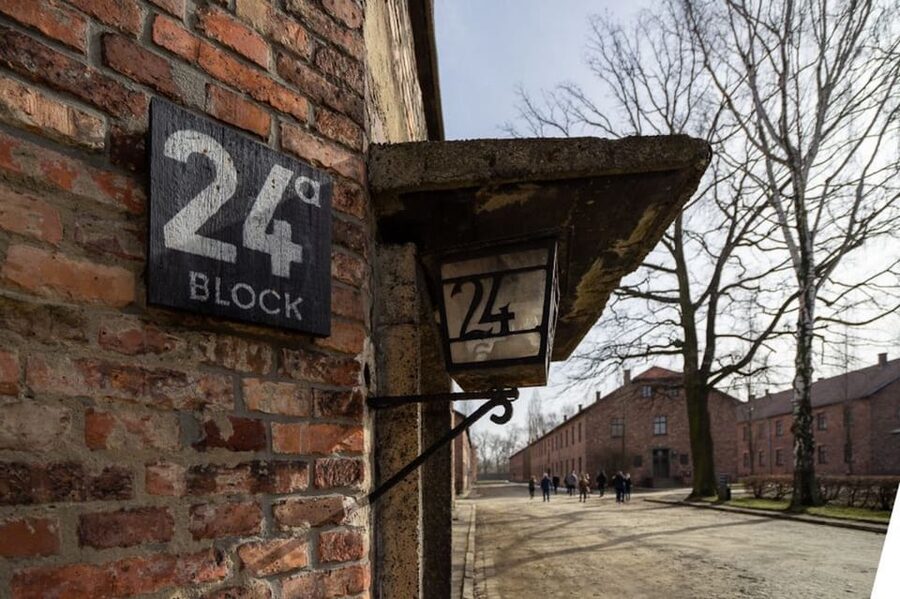
Birkenau feels different from Auschwitz I. The site is much more open, with long stretches of ground exposed to the weather. You move through a broad memorial area where the scale of the place becomes easier to grasp.
The guide points out the main features and explains how Birkenau fits into the wider story. The 60 to 75 minute visit is shorter than the Auschwitz I section, but it gives you time to take in the setting and hear the central facts.
This is also the part where weather matters most. In winter, it can be extremely cold. In rain, the open site offers little shelter. In summer, there may be limited shade. Wear warm layers in cold months, bring rain protection when the forecast calls for it, and use sturdy footwear.
You will walk a great deal at both sites, with no promise of frequent seats or rest stops. The pace is set by the memorial’s visitor service. If you have limited mobility, bring someone who can assist you. The camps are not adapted for wheelchair use.
Birkenau also calls for careful behavior. This is a memorial and a cemetery for people who died in terrible circumstances. Keep your voice low, follow the guide’s instructions, and treat the buildings, tracks, fences, and grounds with care. This is not a place for casual posing or playful photographs.
A few more Krakow trips worth comparing
- From Krakow: Wieliczka Salt Mine Tour & Skip the Line Ticket
★ 4.4 · 3,925 reviews - Auschwitz-Birkenau Skip-the-Line Guided Tour
★ 4.3 · 3,617 reviews - Krakow: Schindler’s Factory Skip-the-Line Ticket
★ 4.4 · 3,105 reviews - Auschwitz-Birkenau: Skip-the-Line Entry Ticket & Guided Tour
★ 4.4 · 3,052 reviews
What the guide adds to the visit
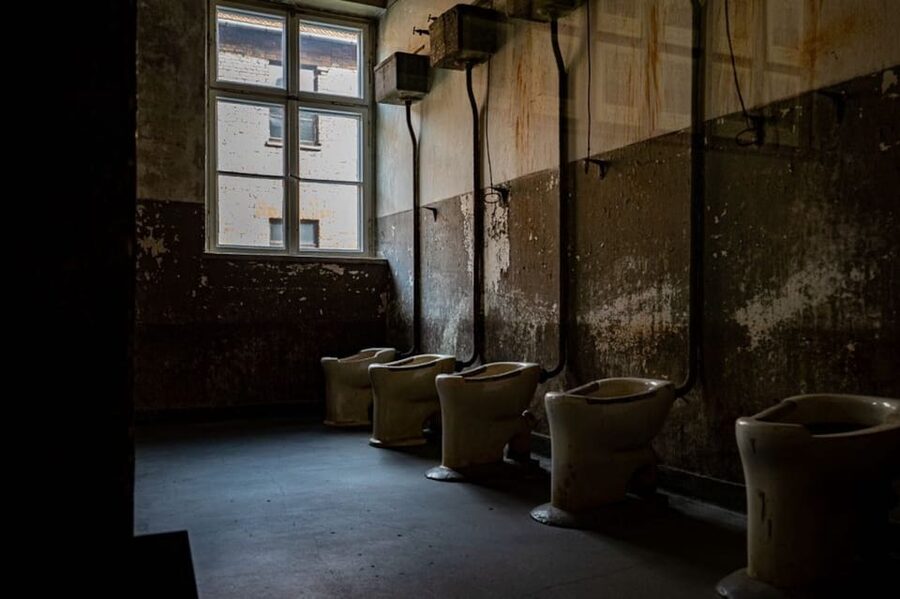
A self-guided visit can show you the buildings, but a licensed museum guide gives the place structure. You learn what you are looking at, why it matters, and how each part relates to World War II and the Holocaust.
The strongest guiding here is calm and human. Visitors have particularly valued guides who speak slowly and clearly, answer questions, and explain the history without turning the visit into a performance. English is offered, along with French and German.
The group limit of 30 is not tiny. You will not have the quiet intimacy of a private tour. Still, the headset reduces the main problem with a larger group, and an official guide knows how to follow the memorial’s rules and route.
Guide quality can vary by person. Some guides speak more slowly than others, and pronunciation may affect how easy it is to follow the material. If hearing every word matters to you, stay reasonably close to the guide and use the headset from the start.
The guided format suits you if you want the main story explained in a fixed amount of time. It is less suited to you if you prefer to spend long periods reading, sitting quietly, or moving at your own pace.
The meeting point and arrival routine
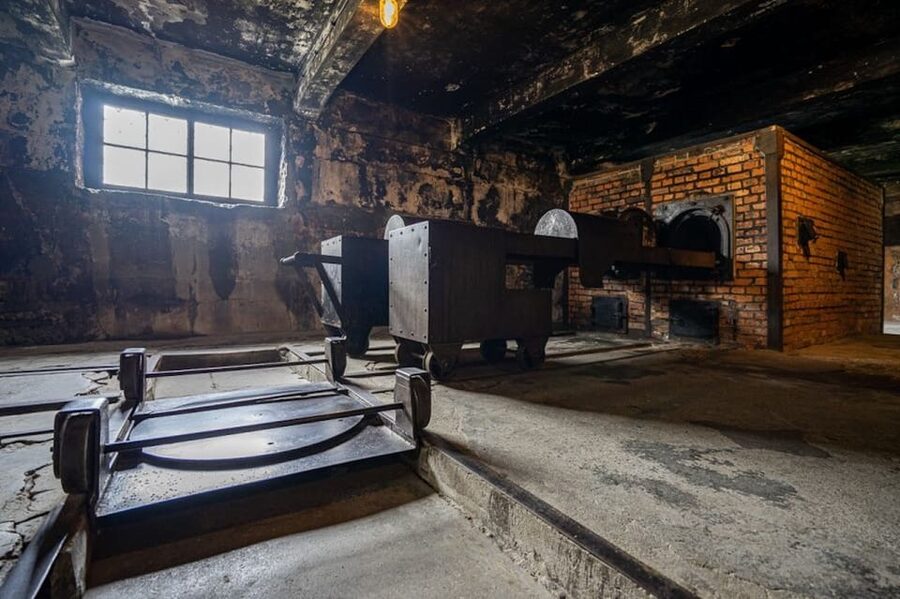
The meeting point is marked by a logo board on the main building. This sounds simple, but allow time to find it. Clear directions after arrival are important, and a few people have found the handoff between the local host and the museum guide unclear.
Do not arrive at the last minute. Late arrivals cannot be accommodated, and admission requires your identity details to match the booking. Bring the passport or ID card used for the reservation.
Your full name and contact details are required when you book. The name on the reservation must be identical to the name on your identification document. A mismatch can lead to refused entry, and museum tickets are non-refundable.
The tour time is not completely fixed. The memorial may alter the preferred time, and the operator should contact you the day before if this happens. Changes have included shifts from late morning to early afternoon, as well as very early starts. That can disrupt a Krakow transport plan, so avoid booking tight connections or other fixed activities around the original time until the schedule is confirmed.
Is $55 a fair price?
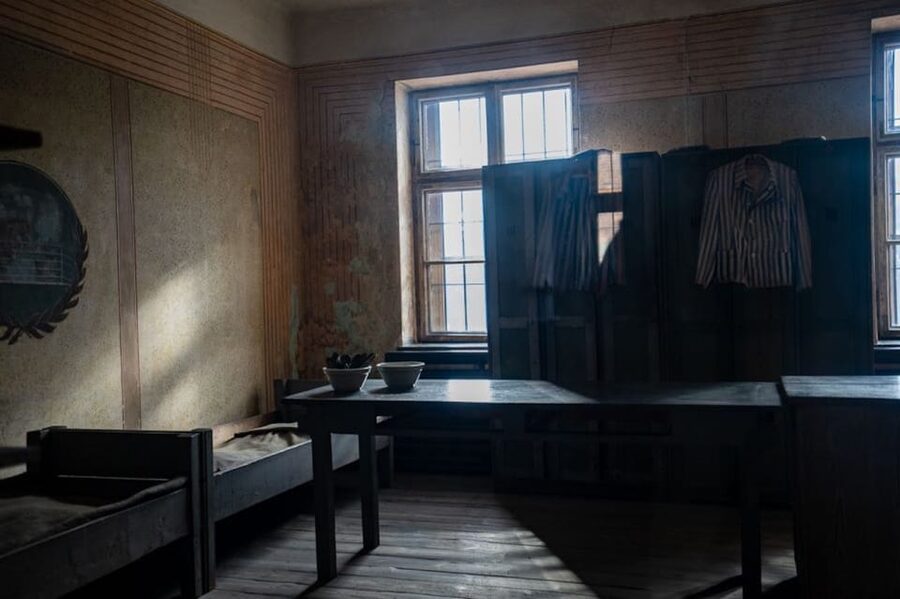
The listed price is $55 per person. That is more than the basic retail admission price in some situations, but the comparison is not simply ticket cost versus ticket cost.
You are paying for pre-booked admission, an official museum guide, a headset, the local host’s assistance, transport between Auschwitz and Birkenau, and booking and handling fees. You also gain help with a controlled entry system where timing and identity checks matter.
The price is strongest when official tickets are sold out or when you are booking close to your visit. One guest who had first been unhappy about paying above the retail price found the extra cost worthwhile because the arrangement made the day much easier.
The value is weaker if you already have a confirmed museum ticket, know the site well, and prefer to explore alone. In that case, the group structure and fixed route may feel like restrictions.
You also need to add your own cost of reaching the meeting point. Transport from Krakow or another city is not included, and parking fees, food, and drinks are extra. Check the meeting details carefully so you do not assume this is a hotel pickup service.
Who should choose this guided tour?
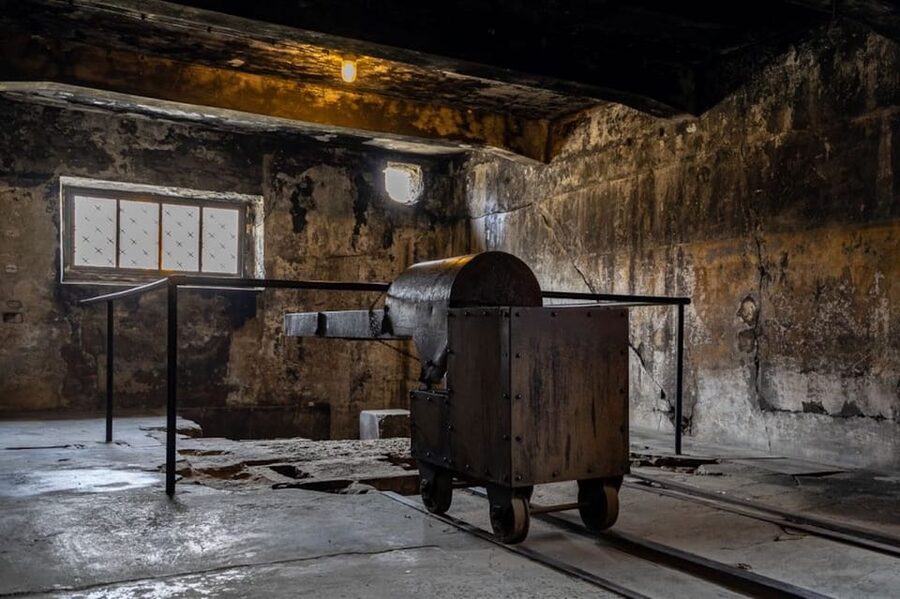
I would choose this tour if you want to see both camps in one organized visit and prefer clear historical explanation over independent wandering. It suits first-time visitors, people with limited time in Lesser Poland, and anyone concerned about arranging the camp-to-camp connection.
It is also a good choice if you value an official guide and want to ask questions as you go. The headset is useful for larger groups, and the host can help you understand where to go before the museum portion begins.
You may want a different arrangement if you need frequent breaks, use a wheelchair, dislike fixed schedules, or want to read every exhibit at length. The walking is substantial, the rest period is short, and the site itself can be physically demanding.
Families should think about age and readiness. The subject is severe, and the tour is not softened for comfort. The supplied information does not set an age limit, so you should judge for yourself whether each member of your group can handle the material and the walking.
Practical advice for a respectful, smoother visit
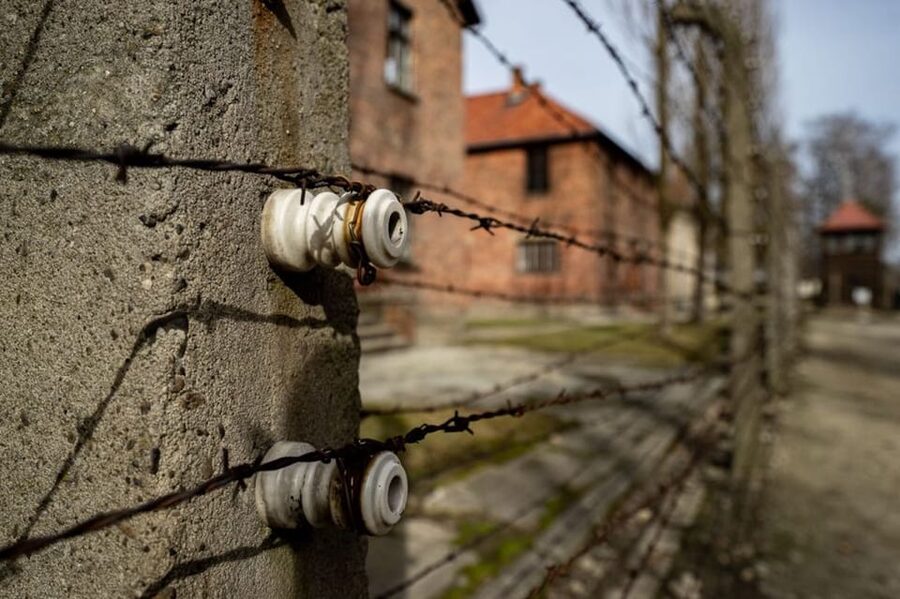
Wear proper outdoor clothing, even if the weather looks fine at breakfast. The January conditions can be bitterly cold, and Birkenau has little cover. Comfortable shoes matter more than stylish ones.
Carry your passport or ID card, but leave large luggage and bags behind. Weapons, sharp objects, alcohol, and drugs are forbidden. Sleeveless shirts are also listed among prohibited clothing, so dress conservatively.
Eat before the tour and use the toilet before the Auschwitz I section begins. The break before Birkenau may be only a few minutes, and food and drinks are not part of the activity.
Keep your booking messages close at hand, especially if the time changes. Check for confirmation the day before and make sure your name is spelled exactly as it appears on your ID.
Finally, set the right frame of mind. You are visiting a memorial to people who suffered and died, not a normal attraction. Listen, move with care, and give yourself some quiet time afterward if you can.
Should you book the Auschwitz-Birkenau guided tour?
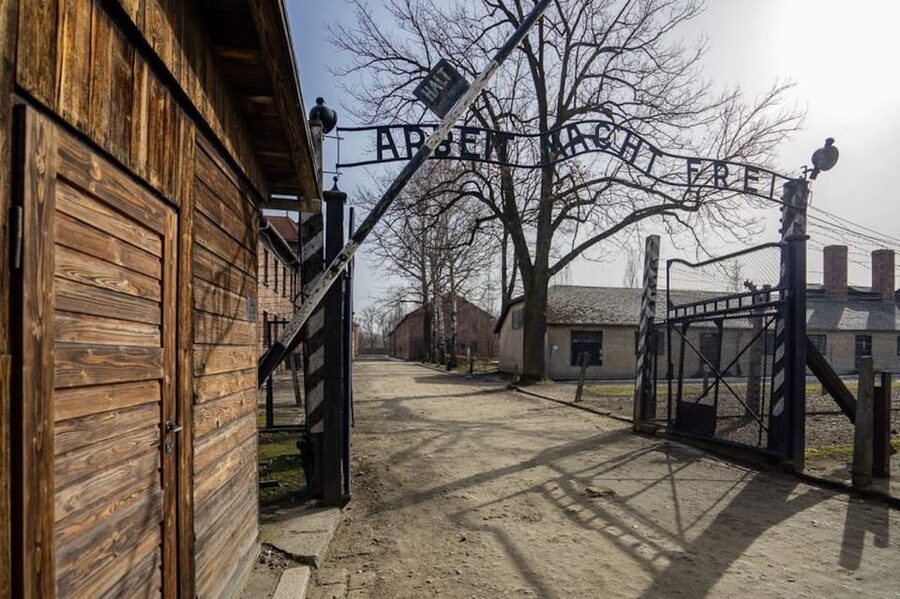
Book it if you want a well-organized half-day visit with both camps, pre-arranged entry, an official guide, and transport between Auschwitz and Birkenau. At $55, I think it offers fair value when tickets are scarce or when you do not want to manage the museum’s strict entry process alone.
Think twice if you need a flexible timetable or extended rest breaks. The possible schedule change, short pause between camps, long walk, and non-refundable booking make careful planning essential.
For most first-time visitors, I would favor the guided option. This is a place where context matters, and a clear, respectful guide can help you understand what you are seeing without losing sight of the people behind the history.
FAQ
How long does the Auschwitz-Birkenau tour last?
The activity lasts four hours, while the guided museum visit itself is around 3.5 hours. You spend about 1.5 to 2 hours at Auschwitz I and 60 to 75 minutes at Auschwitz II-Birkenau.
Is transport from Krakow included?
No. Transportation to and from Krakow or another city is not included. Transport between Auschwitz and Birkenau is included.
What languages are available?
The live guide is available in English, French, or German.
Do I need to bring identification?
Yes. Bring your passport or ID card. The full name on your booking must match the name on your identification document, or entry may be refused.
Can I bring luggage or a large bag?
No. Luggage and large bags are not allowed. Weapons, sharp objects, alcohol, and drugs are also prohibited.
Can the tour time change?
Yes. The preferred time is not guaranteed because the memorial controls visitor scheduling. If the time changes, the operator should contact you the day before. A time change does not qualify for a refund.
Just added around Krakow
- Private Guided Tour: Oskar Schindler’s Factory★ 5.0 · 3 reviews
- E-Scooter Krakow sightseeing tour★ 5.0 · 3 reviews
- From Krakow: Zakopane and Thermal Pools Guided Trip★ 5.0 · 3 reviews
- Schindler’s Factory, Ghetto and Plaszow Camp Guided Tour★ 4.7 · 3 reviews
- Kraków: Private Hot Air Balloon Flight with Champagne★ 3.7 · 3 reviews
- Krakow: River Cruise & Guided Visit to Former Plaszow Camp★ 3.6 · 3 reviews
- From Krakow: Private Wieliczka Salt Mine Tour★ 4.0 · 3 reviews
- Krakow: Old Town short walk with St. Mary’s Basilica visit★ 5.0 · 3 reviews
Auschwitz-Birkenau Tours, compared.

Auschwitz-Birkenau Guided Tour & Hotel Pickup
Read our review →Auschwitz-Birkenau Guided Tour & Hotel Pickup
Read our review →
Auschwitz Guided Tour with Optional Hotel Pickup
Read our review →
Auschwitz-Birkenau Guided Tour with Pickup & Lunch
Read our review →
Auschwitz-Birkenau Guided Tour Pickup/Lunch Options
Read our review →

Krakow to Auschwitz Birkenau Guided Tour with Transfer and Ticket
Read our review →
Browse the lists this tour appears in