
Reviewed · AUSCHWITZ-BIRKENAU TOURS
From Krakow: Auschwitz-Birkenau Memorial and Museum Tour
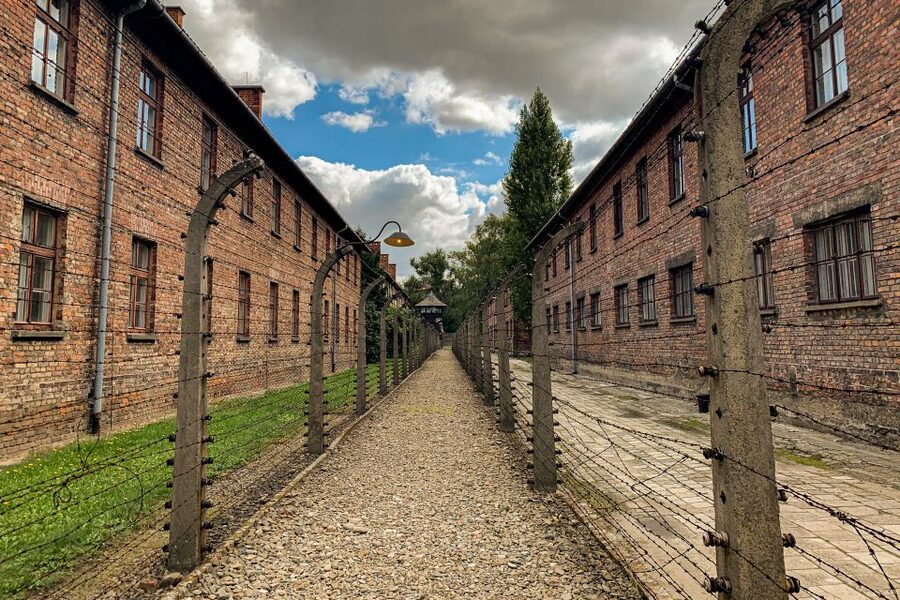
Auschwitz-Birkenau is not a sightseeing stop in the usual sense. It is a place of mass murder, personal suffering, and remembrance, and this seven-hour guided visit gives you the structure needed to understand both Auschwitz I and the huge Birkenau site. You will see prison blocks, barracks, fences, watchtowers, exhibitions, gas chamber remains, and memorials to the victims.
I like the professional transport from Krakow and the way the tour connects individual prisoner stories with the larger history of the Holocaust. I also like that a guide leads you through both camp sites rather than leaving you to piece the meaning together alone. The main drawback is practical: it is a long, mostly outdoor visit with little time for food, strict bag limits, and a somber pace that may not suit children under 15.
In This Review
- Key points to know before booking
- Why Auschwitz requires a guided visit
- Leaving Krakow for a seven-hour day
- Auschwitz I: prison blocks and personal evidence
- Birkenau: scale, barracks, fences, and ruined gas chambers
- Individual stories keep the history human
- Food, bags, clothing, and other practical details
- What the $81 price gets you
- Who will get the most from this tour
- Should you book the Auschwitz-Birkenau tour?
- FAQ
- How long does the Auschwitz-Birkenau tour from Krakow last?
- What sites are included?
- Is transportation included?
- Is hotel pickup included?
- What languages are available?
- Do I need to bring identification?
- Can I bring a large backpack?
- Is there time to eat during the tour?
- Can I take photographs?
- Is the tour suitable for children or wheelchair users?
Key points to know before booking
- Two camp sites in one day: Visit Auschwitz I and Auschwitz II-Birkenau, which offer very different views of the camp system.
- A serious guided experience: Guides explain the Holocaust, the camp’s liberation in 1945, and the lives of individual prisoners.
- Seven hours from Krakow: Air-conditioned transport makes the trip easier, but the day still includes plenty of walking.
- Bring food and a small bag: There is only a 15-minute break, and bags larger than 30 by 20 by 10 centimeters must stay on the bus.
- Names must match identification: The museum requires each participant’s full name and contact details, and mismatched identification can mean refused entry.
- Languages and pickup: Tours are available in English, French, Spanish, Dutch, and Italian, with optional hotel pickup if arranged at least 24 hours ahead.
Why Auschwitz requires a guided visit
Auschwitz is often reduced to a single name, but the memorial and museum cover two separate former camps. Auschwitz I is the older site, with brick prison blocks and museum exhibitions. Auschwitz II-Birkenau is much larger, more open, and built on a scale that is difficult to grasp from photographs alone.
A guide helps you read the evidence. The fences, barracks, watchtowers, ruined gas chambers, and personal belongings are not just isolated objects. They form part of a system created by Nazi Germany for imprisonment, forced labor, and mass murder.
The camp was established in 1940 near the Polish city of Auschwitz, which had been incorporated into the German Third Reich. From 1942 onward, Auschwitz became one of the main centers of the Nazi plan to murder the Jews of German-occupied Europe.
That context matters. You will hear about the Holocaust, but also about the people imprisoned there, the process of deportation, the conditions inside the camp, and the liberation in 1945. The best part of a guided visit is the connection between the broad events and individual human lives.
The site has been protected as a UNESCO World Heritage location since 1978. Today, it functions as a memorial and museum, not as a conventional attraction. You should arrive prepared to listen, reflect, and behave with care.
More Auschwitz-Birkenau memorial visits:
- From Krakow: Auschwitz-Birkenau Guided Tour & Hotel Pickup
★ 4.5 · 33,358 reviews - From Krakow: Auschwitz-Birkenau Guided Tour & Hotel Pickup
★ 4.5 · 29,340 reviews - Krakow: Auschwitz Guided Tour with Optional Hotel Pickup
★ 4.5 · 15,280 reviews
Leaving Krakow for a seven-hour day
The tour begins with transport from Krakow in an air-conditioned vehicle. A professional English-speaking driver is included, and WiFi is available on board. Pickup may be included depending on the option you choose, but you need to contact the operator no later than 24 hours before the tour if you want to arrange complementary hotel pickup.
The exact departure time is not fixed until availability is checked. The advertised departure window runs from 6 AM to 3 PM, so read your booking details closely rather than assuming a particular start time. Your meeting point can also vary by option.
The drive gives the guide a chance to explain the setting and the day ahead. One useful detail from the feedback is that guides such as Jacek and Joanna have been praised for explaining the monuments and offering thoughtful comments during the journey back. That bus time can help you prepare for the visit and process it afterward.
A seven-hour estimate includes transport, entry, the guided tour, and the time spent moving between the two sites. It is not seven hours of uninterrupted walking, but you should still expect a physically demanding day. Comfortable shoes are essential. You will spend time outdoors, so bring a jacket or other weather-appropriate clothing even if Krakow seems pleasant when you leave.
Auschwitz I: prison blocks and personal evidence
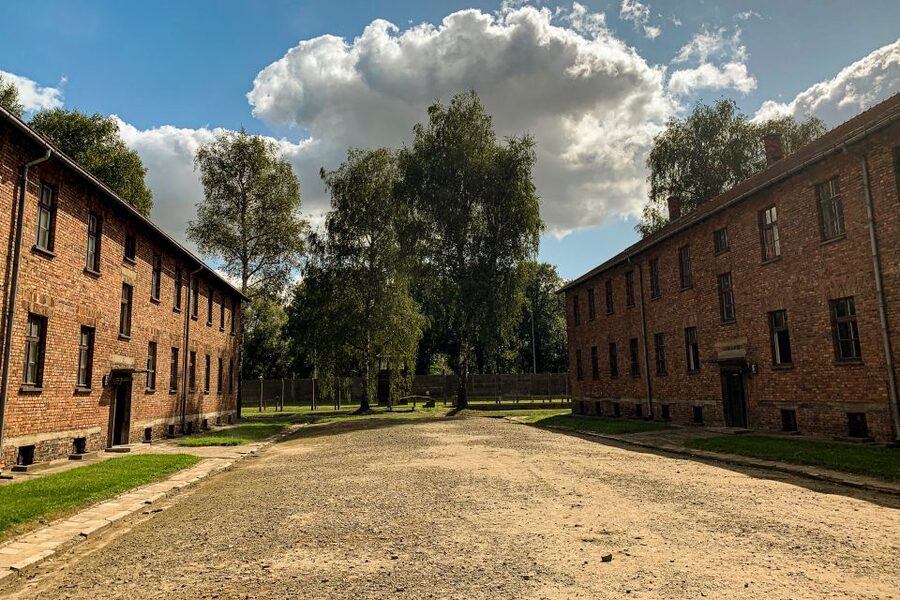
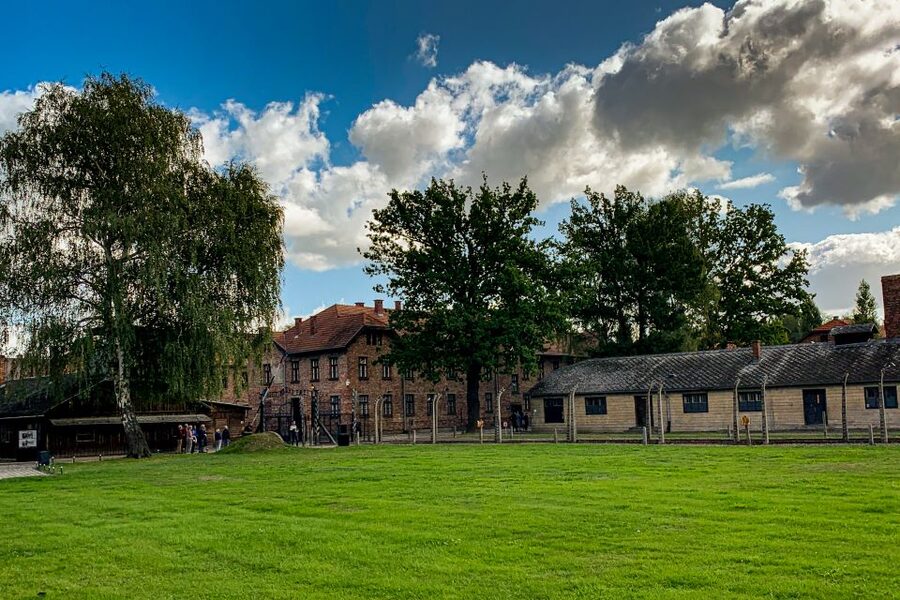
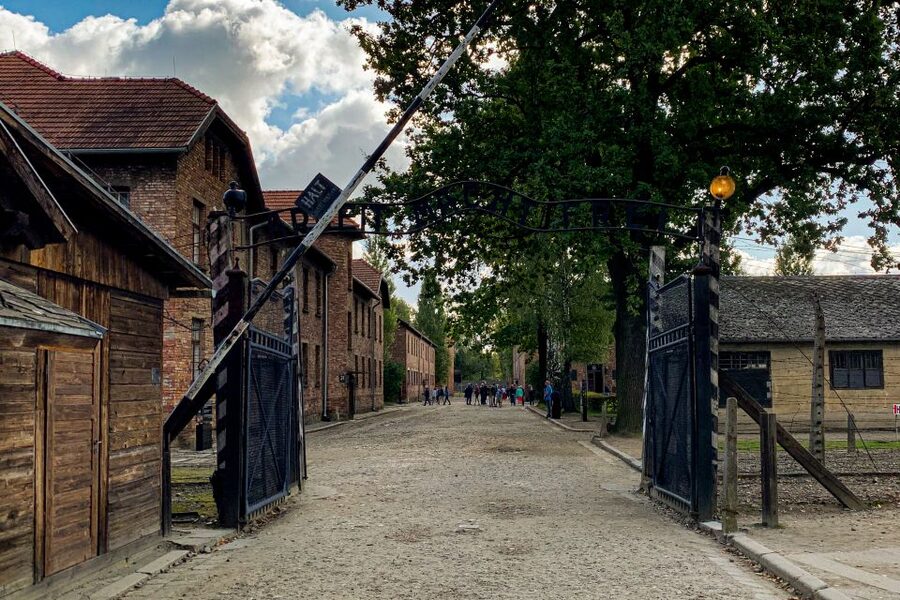
Auschwitz I is the more compact section of the memorial. Its brick buildings once served as prison blocks, offices, and other camp facilities. Today, several buildings contain exhibitions that explain how the camp operated and what happened to the people held there.
The atmosphere here can feel crowded, especially when several guided groups move through the same buildings. That is one of the tradeoffs of visiting a major memorial with many daily visitors. You may have limited space to stop and take photographs, and the guide may need to keep the group moving.
Still, the indoor exhibitions give the first strong sense of the human cost. The displays connect names, belongings, and prisoner stories to the machinery of persecution. Instead of hearing only dates and military terms, you are asked to think about people who were stripped of their identity and treated as numbers.
You will see prison dormitories and rooms associated with imprisonment, along with evidence of the murder carried out at the camp. The gas chamber and crematorium area at Auschwitz I is among the most difficult parts of the visit. Your guide will set the tone and explain what you are seeing without turning the place into a spectacle.
Photography is allowed only in selected parts of the museum. Flash photography is forbidden inside the buildings. You should follow the guide’s instructions and the museum rules carefully, and put the camera away when the setting calls for quiet attention.
Birkenau: scale, barracks, fences, and ruined gas chambers
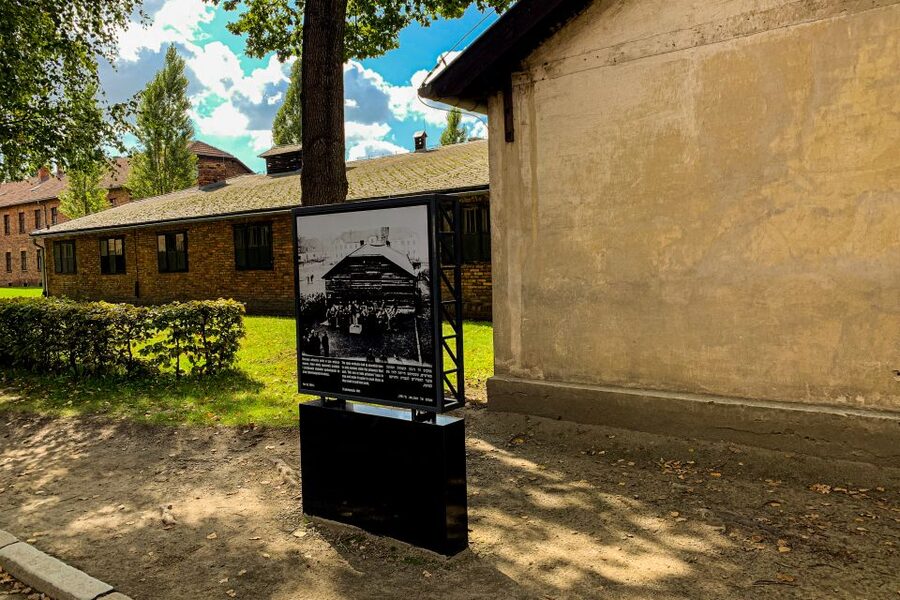
A short transfer takes you to Auschwitz II-Birkenau, the larger camp site. This is where the scale of the Nazi extermination program becomes especially hard to comprehend.
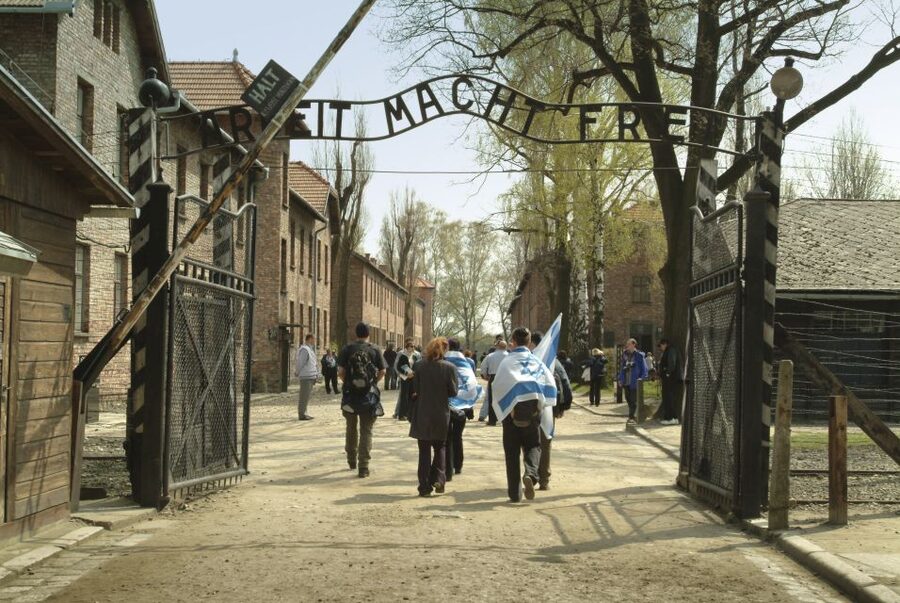
Birkenau’s wide grounds include the familiar entrance gate, railway area, watchtowers, fences, barracks, and remains of gas chambers. Much of the site is open to the weather, with long distances between key locations. In cold, rain, or strong sun, the conditions can be tiring. Good shoes and suitable clothing make a real difference.
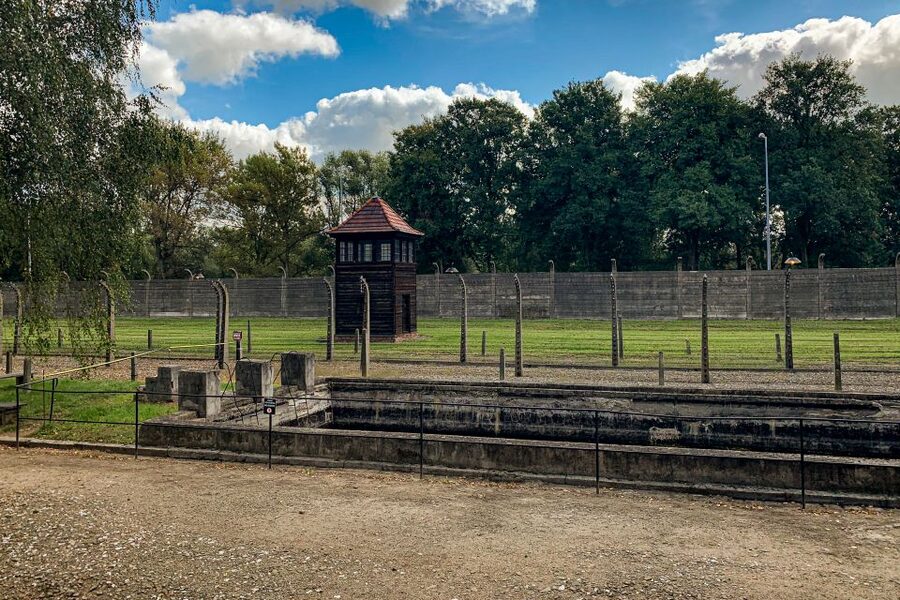
The surviving structures are stark. The fences and watchtowers show how movement was controlled. The barracks reveal the harsh conditions imposed on prisoners. The ruins of the gas chambers and crematoria point to the effort made by the Nazis to destroy evidence near the end of the war.
What I value most here is the chance to see the camp as an organized physical place rather than a collection of museum objects. The size of Birkenau helps explain why a single photograph or paragraph can never tell the whole story. Your guide can also point out memorials and places connected with the victims, adding meaning to what might otherwise look like an empty field.
This part of the visit is often more exposed and less crowded than Auschwitz I, but it is not necessarily easier. The openness gives you room to think, yet the distance and scale can feel overwhelming. Plan on walking steadily and listening carefully.
More museums in Krakow:
- Auschwitz-Birkenau Museum and Memorial Guided Tour from Krakow
★ 4.5 · 1,510 reviews - Krakow: Rynek Underground Museum Guided Tour
★ 4.6 · 1,122 reviews - Krakow Schindler’s Factory Museum Guided Tour in English
★ 4.5 · 650 reviews - Krakow: Auschwitz Birkenau Museum Guided Tour with Pickup
★ 3.6 · 544 reviews
Individual stories keep the history human
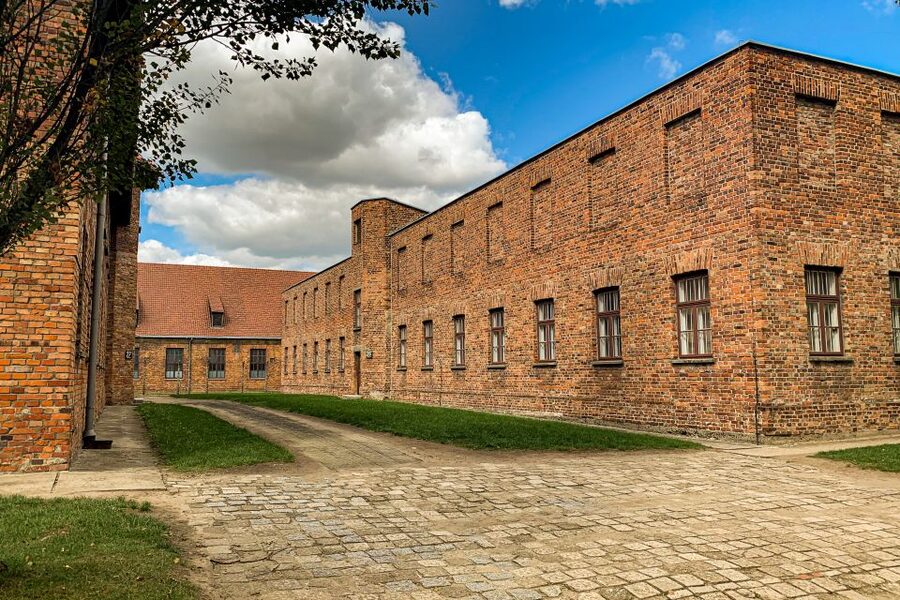
The facts of Auschwitz are immense: years of Nazi rule, deportations from across occupied Europe, mass murder, forced labor, starvation, disease, and liberation in 1945. Numbers are necessary, but numbers alone can numb the mind.
The tour also traces the stories of individual prisoners. That approach gives the visit a human center. You begin to see the camp not only as a historical site but as a place where people had names, families, fears, hopes, and lives before they were imprisoned.
Several guides have been singled out for their calm and sensitive handling of difficult subjects. Sylvie has been praised for clear explanations and careful planning. Jacek has been noted for thoughtful guidance and strong arrangements before and after the visit. Other guides, including Joanna, have been described as informative and helpful.
Guide quality can vary from one departure to another, but the central requirement is clear: this is a place for measured, respectful interpretation. A guide who explains without rushing can make a major difference. One useful strength of this tour is that the commentary continues beyond the buildings, with historical background on the bus and reflections on the return journey.
You should not expect entertainment, light banter, or a flexible photo stop at every corner. The subject demands restraint. Some people find the guide’s serious tone exactly right. Others may find the pace and mood emotionally heavy. Both reactions are understandable.
Food, bags, clothing, and other practical details
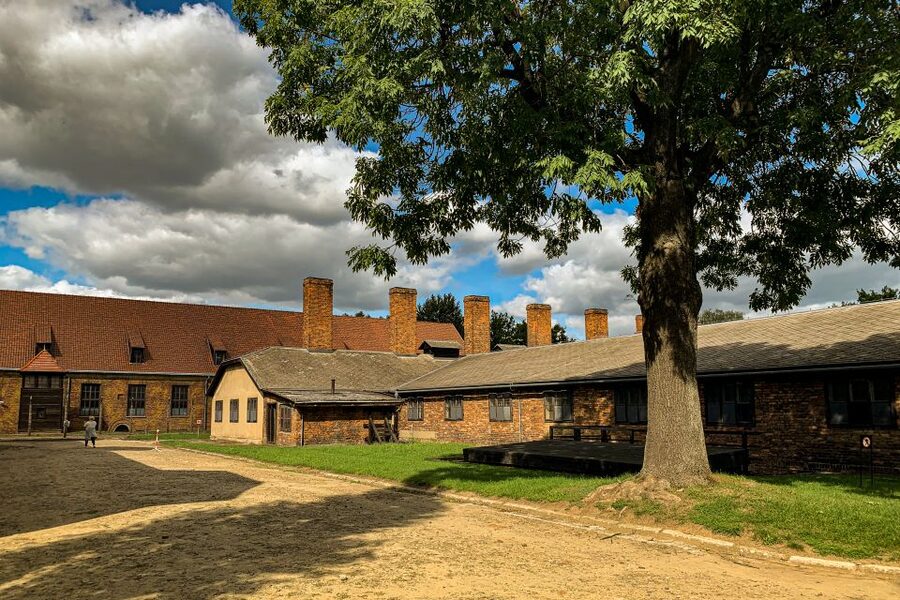
Bring snacks and a reusable water bottle. There is a 15-minute break for eating and drinking, but the day does not offer long meal stops. One previous participant was caught out by the lack of advance warning and went from breakfast until mid-afternoon without food or water. Do not make that mistake.
The bag rule is strict. Backpacks and handbags brought into the museum must not exceed 30 by 20 by 10 centimeters. Larger bags must be left on the bus. A small daypack or compact handbag is the safest choice.
Wear shoes you can walk in for several hours. The tour includes indoor and outdoor sections, and conditions can change. A jacket is sensible even during warmer months. In November, one visitor was grateful for warm clothing, and the same advice applies in rain, wind, or cool weather.
Bring a passport or national ID card. The museum requires the full name and contact details of every participant. The name on your booking must match the name on your identification exactly. If it does not, entrance may be refused.
Flash photography is not allowed. Photography is permitted only in selected museum areas, so treat the signs and staff instructions as part of the visit rather than an inconvenience.
Infants must sit on laps. The experience is not suitable for children under 15 or for wheelchair users. Those limits are important because of the subject matter, the walking, and the conditions at the site.
What the $81 price gets you
At $81 per person, this is not the cheapest way to reach Auschwitz from Krakow. The value comes from combining transport, entry arrangements, a professional driver, and a live guide in several languages.
The separate entrance and organized transfer can save you a good deal of planning. More important, a guide gives the visit a clear order. You move through Auschwitz I, transfer to Birkenau, and hear the story in a way that links the buildings and memorials.
You are not paying for meals, so budget for your own snacks and water. WiFi on board is included, but the main value is practical rather than luxurious. This is a serious educational outing, not a comfort-focused coach excursion.
The non-refundable condition deserves attention. Museum tickets require participant details, and the operator cannot simply treat them like ordinary flexible admissions. Check names, dates, meeting information, and departure times before completing the booking.
For someone with limited time in Krakow, the price can be reasonable because the tour handles the main logistics in one day. If you prefer complete control over timing, extended photography, or a private pace, this format may feel restrictive.
Who will get the most from this tour
I would choose this tour if you want historical explanation, organized transport, and access to both Auschwitz sites without arranging every detail yourself. It suits adults and older teenagers who can handle a long, solemn day and who want the guide to connect the physical remains with the Holocaust.
It is also useful if you are staying in Krakow and want a single day trip rather than an overnight visit. The air-conditioned vehicle, optional pickup, and multilingual guide options make it practical for many international visitors.
I would think twice if you need frequent meal breaks, cannot walk comfortably outdoors, or want a light cultural excursion. This is not an attraction to squeeze in between casual sightseeing plans. Give yourself quiet time afterward if possible.
The visit may feel crowded at Auschwitz I, and you may not be able to stop for photographs whenever you wish. That is a real limitation, but it also reflects the fact that this is an active memorial visited by many people each day.
Should you book the Auschwitz-Birkenau tour?
Book it if you want a guided, structured visit to both Auschwitz I and Birkenau and you value clear historical context over a leisurely pace. The strongest features are the serious guides, the personal stories, the included transport, and the chance to see the vast Birkenau site in person.
Prepare properly: bring a small snack, water, identification, weatherproof clothing, and comfortable shoes. Check the exact departure and meeting point, make sure every name matches the correct ID, and understand that the ticket cannot be refunded.
If you are ready for a difficult but important day, this tour offers a practical way to visit one of Europe’s most significant memorial sites with care and guidance.
FAQ
How long does the Auschwitz-Birkenau tour from Krakow last?
The tour lasts approximately seven hours, including transport and the visit to both Auschwitz I and Auschwitz II-Birkenau.
What sites are included?
The tour includes Auschwitz I and Auschwitz II-Birkenau, including prison blocks, exhibitions, barracks, fences, watchtowers, gas chamber remains, and memorials to the victims.
Is transportation included?
Yes. Transportation is provided in an air-conditioned vehicle, with a professional driver. WiFi is also available on board.
Is hotel pickup included?
Pickup is optional and depends on the booking option. If you want complementary hotel pickup, contact the tour operator at least 24 hours before the tour.
What languages are available?
Live guided tours are available in English, French, Spanish, Dutch, and Italian.
Do I need to bring identification?
Yes. Bring a passport or ID card. The name on your identification must exactly match the name provided during booking.
Can I bring a large backpack?
No. Backpacks and handbags cannot exceed 30 by 20 by 10 centimeters. Larger bags must be left on the bus.
Is there time to eat during the tour?
There is a 15-minute break for a snack and a drink. Food and drinks are not included, so bring your own snacks and a reusable water bottle.
Can I take photographs?
Photography is allowed only in selected parts of the museum. Flash photography is forbidden inside the buildings.
Is the tour suitable for children or wheelchair users?
The tour is not suitable for children under 15 or for wheelchair users. Infants must sit on laps.
Just added around Krakow
- Private Guided Tour: Oskar Schindler’s Factory★ 5.0 · 3 reviews
- E-Scooter Krakow sightseeing tour★ 5.0 · 3 reviews
- Schindler’s Factory, Ghetto and Plaszow Camp Guided Tour★ 4.7 · 3 reviews
- From Krakow: Zakopane and Thermal Pools Guided Trip★ 5.0 · 3 reviews
- Kraków: Private Hot Air Balloon Flight with Champagne★ 3.7 · 3 reviews
- Krakow: River Cruise & Guided Visit to Former Plaszow Camp★ 3.6 · 3 reviews
- From Krakow: Private Wieliczka Salt Mine Tour★ 4.0 · 3 reviews
- Krakow: Old Town short walk with St. Mary’s Basilica visit★ 5.0 · 3 reviews
Auschwitz-Birkenau Tours, compared.

Auschwitz-Birkenau Guided Tour & Hotel Pickup
Read our review →Auschwitz-Birkenau Guided Tour & Hotel Pickup
Read our review →
Auschwitz Guided Tour with Optional Hotel Pickup
Read our review →
Auschwitz-Birkenau Guided Tour with Pickup & Lunch
Read our review →
Auschwitz-Birkenau Guided Tour Pickup/Lunch Options
Read our review →

Krakow to Auschwitz Birkenau Guided Tour with Transfer and Ticket
Read our review →
Browse the lists this tour appears in