
Reviewed · JEWISH GHETTO TOURS
Krakow: Guided Tour of the Jewish Ghetto
Krakow’s former Jewish Ghetto is not a museum set apart from the city. It is a real neighborhood, with ordinary streets and surviving buildings that still carry the marks of wartime persecution. This one-hour walk connects those quiet places to the people who lived, suffered, helped one another, and resisted there.
I like the small $15 price and the fact that a guide gives meaning to places you could otherwise pass without noticing. I also like the focused route, especially the original Ghetto Wall and the empty chairs at Ghetto Heroes Square. The main drawback is the short duration: one hour is enough for a strong introduction, but not enough for a full study of Krakow’s Jewish history or every nearby museum.
In This Review
- Key points to know before booking
- Starting in Podgórze, the former Krakow Ghetto
- Seeing the surviving Ghetto Wall
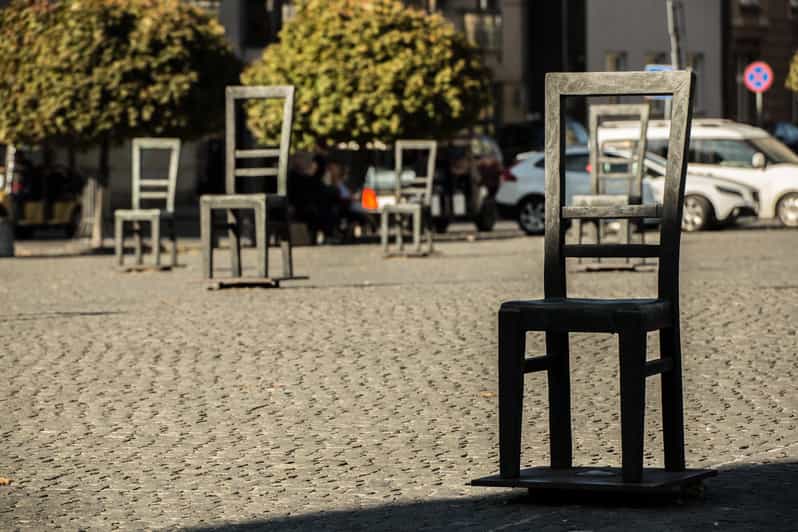
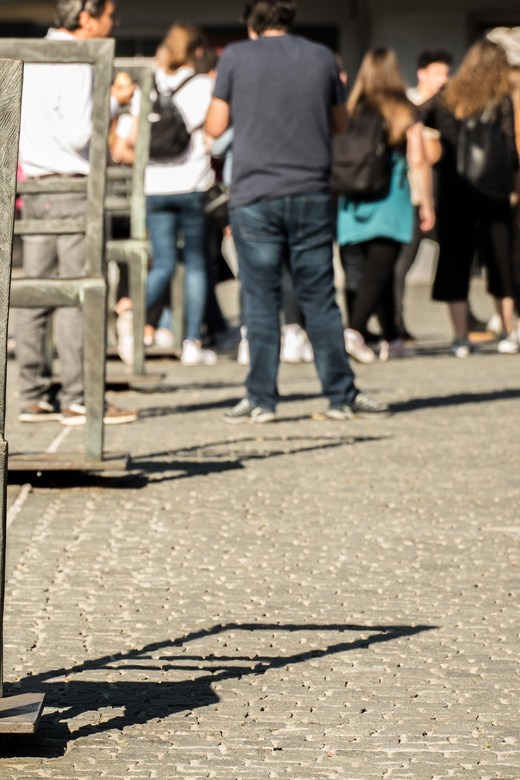
- Ghetto Heroes Square and the Chair Memorial
- Under the Eagle Pharmacy and the story of Tadeusz Pankiewicz
- Authentic streets, wartime buildings, and daily life
- What one hour can and cannot cover
- Price, languages, and practical value
- Who will appreciate this walk most
- Should you book the Krakow Jewish Ghetto tour?
- FAQ
- Where does the Krakow Jewish Ghetto tour meet?
- How long does the tour last?
- How much does the tour cost?
- What is included in the tour?
- Are food and drinks included?
- Which languages are available?
- What places will I see?
- Can I visit the Schindler Factory Museum with this tour?
- Can I cancel the booking?
Key points to know before booking
- The Ghetto Wall is one of the tour’s most important stops, with a surviving fragment of the barrier that once enclosed more than 15,000 people.
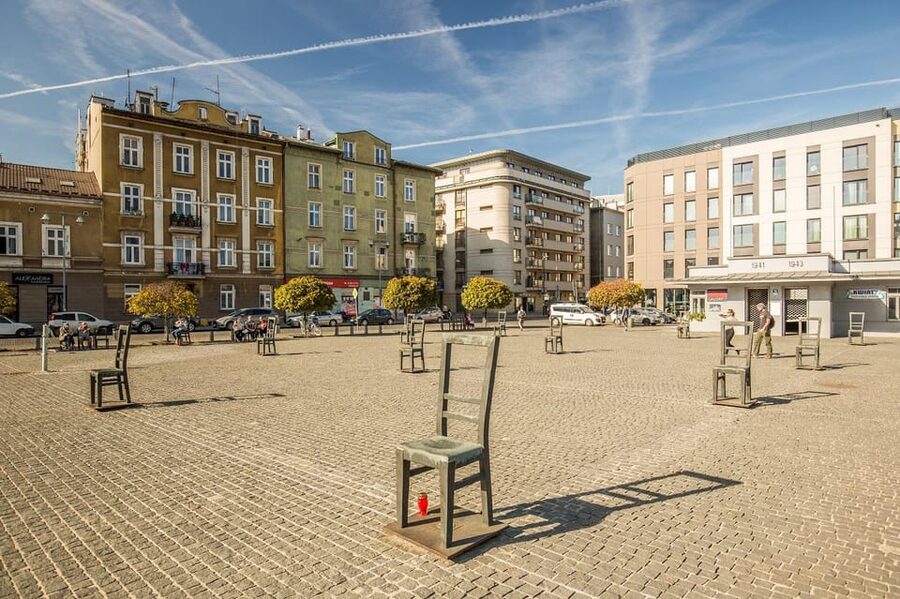
- Ghetto Heroes Square uses empty metal chairs as its memorial, creating a stark reminder of deportation and loss.
- Under the Eagle Pharmacy connects history to individual courage, through the actions of pharmacist Tadeusz Pankiewicz and his staff.
- The walk takes place in Podgórze, where wartime street layouts and buildings remain part of the modern neighborhood.
- The tour lasts one hour, so it works well as a concentrated historical walk before or after a longer museum visit.
- Guiding is available in five languages, including English, German, Italian, French, and Spanish.
Starting in Podgórze, the former Krakow Ghetto
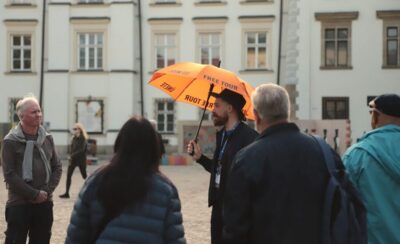
You meet the guide at the entrance to Schindler Factory Museum, looking for an excursions.city sign. This is a useful starting point because the museum and the former ghetto are closely connected, but this walking tour is a separate experience. Admission to the museum is not listed as part of the tour.
From here, you walk into Podgórze, the district selected by the German occupation authorities for the Krakow Ghetto during World War II. The value of beginning on foot is clear right away. You are not simply being shown a memorial; you are moving through the streets where people were forced to live under confinement.
I find this setting more affecting than a history lesson delivered only inside a gallery. The streets still function as part of daily Krakow, yet the guide helps you picture the restrictions placed on Jewish residents. The contrast can be hard to absorb. Modern life continues around you, while the guide explains what these same blocks meant during the war.
The tour focuses on daily life, deportations, and survival. That balance matters. A good visit to a Holocaust site should not reduce people to numbers alone, and this route gives room for both the scale of the crime and the choices made by individuals.
Because the tour is only one hour, you should expect a compact walk rather than a slow, detailed study of every building. You will hear the main story of the area and visit key sites, but you may want extra time afterward at a museum or memorial if you want more documents, photographs, and personal accounts.
More Jewish heritage walks in Krakow:
- Krakow: Schindler’s Factory & Ghetto Guided Tour
★ 4.7 · 1,694 reviews - Krakow: Jewish Quarter and Former Ghetto Tour
★ 4.9 · 1,441 reviews - Krakow: Bike Tour of Old Town, Jewish Quarter and the Ghetto
★ 4.9 · 1,155 reviews
Seeing the surviving Ghetto Wall
One of the strongest moments comes at the remains of the original Ghetto Wall. This is one of the few surviving sections of the barrier that enclosed more than 15,000 people within a few city blocks.
The wall matters because it makes the ghetto’s confinement physical. Words such as restriction and forced relocation can sound abstract. A surviving piece of masonry gives those words a hard edge. Your guide explains how the wall divided the neighborhood and what daily life was like inside its boundaries.
You should not expect a complete stretch of wall or a large preserved complex. The tour takes you to a surviving fragment, not an intact fortification. That is both a limitation and part of its meaning. Most of the original structure is gone, so the fragment asks you to imagine the wider barrier that once controlled movement.
I like the way this stop brings attention to ordinary people caught inside an imposed system. The tour is not only about military decisions or political leaders. It deals with families, fear, shortages, forced movement, and the acts of solidarity that helped some people endure.
This is also a place where a guide adds real value. Without context, you might see an old wall and continue walking. With an explanation of its role, the fragment becomes one of the clearest physical reminders of what the ghetto was.
Ghetto Heroes Square and the Chair Memorial
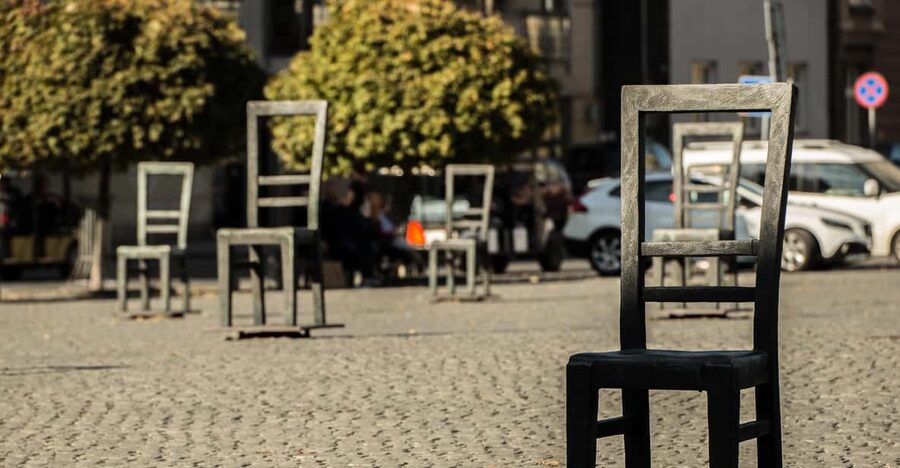
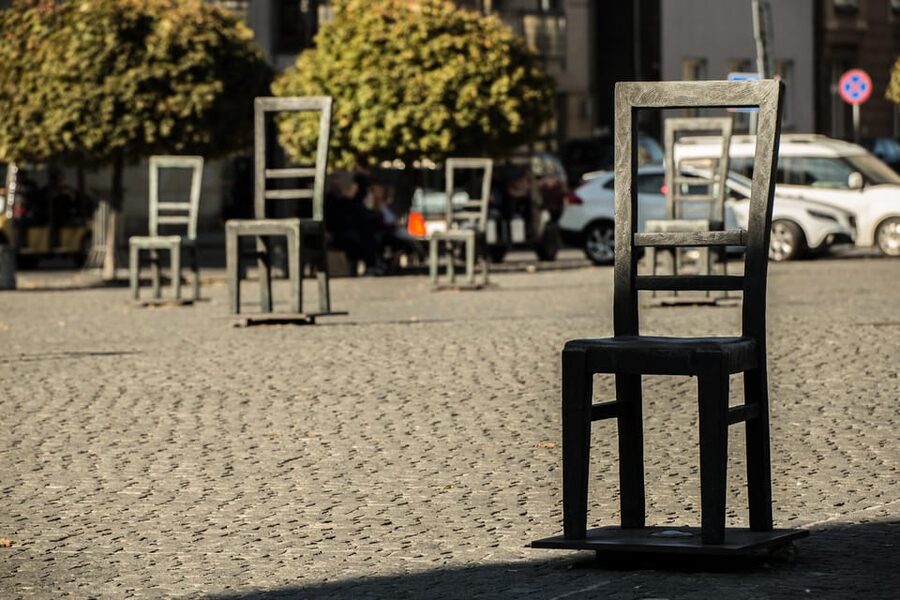
The route continues to Ghetto Heroes Square, the central memorial space of the former ghetto. During the war, this was a place where Jewish residents gathered before deportations to concentration camps. Today, the square is marked by rows of empty metal chairs.
The chairs are simple, but the effect is severe. Each one represents a life lost during the Holocaust. They also suggest abandoned homes, interrupted routines, and possessions left behind. The memorial does not need a long inscription to make its point.
Your guide gives the square its historical frame, explaining what happened here and why this location carries such weight. I recommend taking the reflection seriously. This is not a stop for rushing through, taking a quick photograph, and moving on to the next attraction.
The square is especially useful for understanding the difference between a memorial and a preserved building. The Ghetto Wall shows confinement. The square shows the human result of deportation. Together, they give the walk a clear progression from forced enclosure to loss.
There is no promise of a long pause or private time in the itinerary, so you may need to create that space for yourself. If the group moves on quickly, stay attentive and take in the square before following the guide. The tour’s short format means the pacing may be brisk.
Under the Eagle Pharmacy and the story of Tadeusz Pankiewicz
Across from Ghetto Heroes Square stands Under the Eagle Pharmacy, associated with Tadeusz Pankiewicz and his staff. Pankiewicz was a pharmacist who risked his life to help people in the ghetto. The pharmacy provided medicine and shelter, and the guide shares stories of the courage shown there.
This stop gives the tour a needed human scale. The history of the Krakow Ghetto includes enormous suffering, but it also includes people who acted when helping others was dangerous. The pharmacy is a place to think about practical forms of resistance: supplying medicine, offering refuge, and using an ordinary workplace to protect vulnerable people.
The information provided for this tour does not include admission to the pharmacy, so you should treat the stop as a guided exterior visit and story, unless your booking details say otherwise. The guide’s account is the key part of this section.
I consider this one of the route’s most valuable details because it avoids presenting the area only as a place of death. Pankiewicz and his staff could not undo the wider machinery of persecution, but their actions mattered to the people they reached. That distinction is important. The tour recognizes both the limits and the courage of individual help.
This is also where the guide’s personal delivery can shape the experience. The available comments describe the guiding as fantastic and very good, with one guide even offering a rugby-bar recommendation to someone in town for a tournament. That small detail suggests a friendly, responsive style, though the guide’s name is not provided and cannot be promised in advance.
A few more Krakow trips worth comparing
- From Krakow: Auschwitz-Birkenau Guided Tour & Hotel Pickup
★ 4.5 · 33,358 reviews - From Krakow: Auschwitz-Birkenau Guided Tour & Hotel Pickup
★ 4.5 · 29,340 reviews - Krakow: Auschwitz Guided Tour with Optional Hotel Pickup
★ 4.5 · 15,280 reviews - Krakow: Auschwitz-Birkenau Guided Tour with Pickup & Lunch
★ 4.5 · 9,800 reviews
Authentic streets, wartime buildings, and daily life
The walk is not limited to formal memorials. You also see wartime buildings and street layouts that remain part of Podgórze. These details help you picture how the ghetto functioned as a real urban district rather than an isolated camp.
I value this part of the route because the built environment often explains history in a quiet way. A street corner, a block of apartments, or the shape of a square can show how closely people were packed together and how little room there was for privacy or escape. The guide helps connect those physical details to the lives of residents.
You will hear about daily life inside the ghetto, including fear, hope, hardship, and survival. The information does not promise a detailed stop at every building, so expect selected examples rather than a complete architectural survey.
The neighborhood can feel calm now. That calm is part of the challenge. You have to listen carefully and use the guide’s story to connect the present-day street to its wartime role. I would not choose this walk for someone who wants constant visual spectacle. Its impact comes from memory, place, and explanation.
A respectful attitude is essential. This is a Holocaust site and a residential part of the city, not a theme park. Keep your voice low at memorial points and give the guide room to speak. The experience works best when you allow silence to be part of the tour.
What one hour can and cannot cover
At one hour, the route is deliberately focused. You can visit the Ghetto Wall, Ghetto Heroes Square, Under the Eagle Pharmacy, and other nearby streets without committing half a day to a single activity.
That makes the tour easy to fit into a Krakow schedule. You could place it before a visit to Schindler Factory Museum, since the meeting point is at the museum entrance, or use it as a short historical walk during a day in Podgórze. The information provided does not give exact departure times, so you need to check availability for the date you want.
The short length is also the tour’s clearest weakness. The Krakow Ghetto is tied to the wider history of Krakow’s Jewish community, the German occupation, deportations, and the city’s wartime story. This walk introduces those subjects, but it cannot explore each one fully in 60 minutes.
I would plan your expectations carefully. Book this tour if you want a guided orientation and a serious introduction to the former ghetto. Do not book it as your only Holocaust-related experience in Krakow if you want extensive museum material or long personal testimonies.
The pace may also suit you if you prefer a direct route. There is little filler. Each stop supports the central story, and the walk ends with time to reflect on what you have seen.
Price, languages, and practical value
At $15 per person, this is inexpensive for a live guided walk in one of Krakow’s most important historical areas. The price covers a professional guide, while food and drink are not included. Since this is only one hour, you are paying mainly for interpretation and structure, not for a long package of admissions or transport.
That is a good value if you would otherwise wander through Podgórze without understanding the significance of the wall, square, and pharmacy. The guide saves you from having to piece together the story from scattered signs and online research.
The value is lower if you already know the area well or plan to spend the entire day with a private historian. In that case, the one-hour route may feel basic. For most people looking for a clear first visit, though, the cost is modest.
Live guiding is offered in English, German, Italian, French, and Spanish. Make sure you select the language that lets you follow sensitive historical details without strain. A tour about deportation, survival, and individual decisions loses much of its value if you are relying on partial understanding.
The meeting point is specific: the entrance to Schindler Factory Museum. Look for the excursions.city sign and allow enough time to identify the guide before the start. The provider is Hello Cracow.
You can cancel up to 24 hours in advance for a full refund. The reserve-now, pay-later option also helps if your Krakow schedule is still changing. These policies are useful, but the central booking decision should rest on the subject matter and the short format.
Who will appreciate this walk most
I would recommend this tour to you if you want a concise, serious introduction to Podgórze and prefer learning in place rather than only reading labels in a museum.
It is a good fit for:
- First-time visitors who want historical context before exploring the district alone
- People interested in World War II, Holocaust history, and personal acts of courage
- Those with only an hour available
- Visitors who want a live guide in English, German, Italian, French, or Spanish
- Anyone planning to combine the walk with Schindler Factory Museum
You may want something longer if you need extensive discussion of Krakow’s prewar Jewish community, the wider occupation, or postwar memory. The tour description does not include transport, food, drink, or museum admission, so you should plan those separately.
Families and younger visitors may find the route manageable because it is short, but the subject is painful and direct. Consider the age and attention span of anyone joining you. The guide discusses deportations and Holocaust loss, so this is not a light sightseeing walk.
Should you book the Krakow Jewish Ghetto tour?
Book it if you want a moving, well-focused walk through the former ghetto and you value a guide who can turn surviving places into understandable history. The Ghetto Wall, Chair Memorial, and Under the Eagle Pharmacy give the hour a strong structure, while the $15 price keeps the commitment small.
Skip it if you want a full-day historical study, extensive museum access, or a tour with transportation. For everyone else, this is a sensible way to begin understanding Podgórze. Leave yourself a few quiet minutes after the tour. The final impression comes not from a grand view, but from ordinary streets carrying extraordinary memories.
FAQ
Where does the Krakow Jewish Ghetto tour meet?
The meeting point is at the entrance to the Schindler Factory Museum. Look for a guide holding an excursions.city sign.
How long does the tour last?
The walking tour lasts one hour.
How much does the tour cost?
The listed price is $15 per person.
What is included in the tour?
A professional live guide is included.
Are food and drinks included?
No. Food and drinks are not included.
Which languages are available?
The live tour guide can lead the experience in English, German, Italian, French, or Spanish.
What places will I see?
The route includes the remains of the original Ghetto Wall, Ghetto Heroes Square, the Chair Memorial, Under the Eagle Pharmacy, wartime buildings, and historic street layouts in Podgórze.
Can I visit the Schindler Factory Museum with this tour?
The meeting point is at the entrance to the Schindler Factory Museum, but museum admission is not included in the tour information.
Can I cancel the booking?
Yes. You can cancel up to 24 hours in advance for a full refund. You can also reserve now and pay later.
Just added around Krakow
- E-Scooter Krakow sightseeing tour★ 5.0 · 3 reviews
- Private Guided Tour: Oskar Schindler’s Factory★ 5.0 · 3 reviews
- From Krakow: Zakopane and Thermal Pools Guided Trip★ 5.0 · 3 reviews
- Schindler’s Factory, Ghetto and Plaszow Camp Guided Tour★ 4.7 · 3 reviews
- Kraków: Private Hot Air Balloon Flight with Champagne★ 3.7 · 3 reviews
- Krakow: River Cruise & Guided Visit to Former Plaszow Camp★ 3.6 · 3 reviews
- From Krakow: Private Wieliczka Salt Mine Tour★ 4.0 · 3 reviews
- Krakow: Old Town short walk with St. Mary’s Basilica visit★ 5.0 · 3 reviews
Jewish Ghetto Tours, compared.

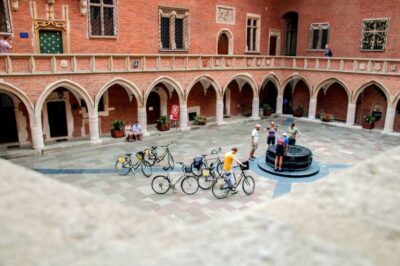
Bike Tour of Old Town, Jewish Quarter and the Ghetto
Read our review →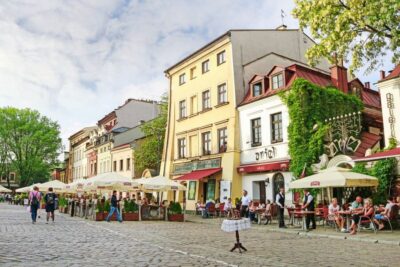
Kazimierz, Schindler’s Factory & Ghetto Guided Tour
Read our review →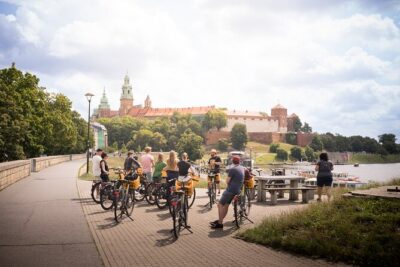
Full Bike Tour – the Old Town, Jewish Qtr & the Ghetto NEW BIKES
Read our review →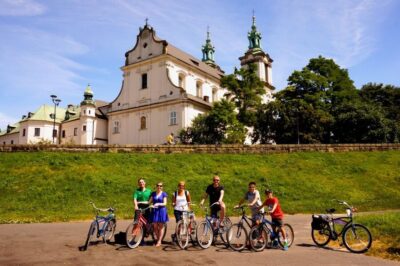
Bike Tour of the Old Town, Kazimierz, and the Ghetto
Read our review →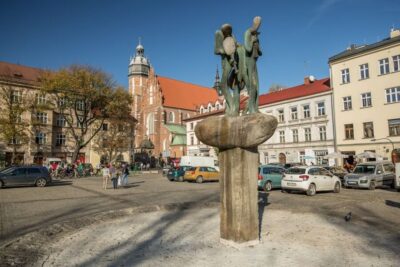
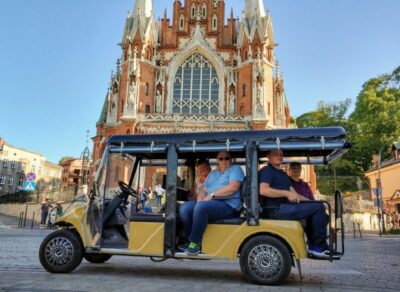
Jewish Quarter and Ghetto Electric Golf Cart Tour
Read our review →Browse the lists this tour appears in