
Reviewed · SCHINDLER'S FACTORY TOURS
Krakow: Kazimierz, Schindler’s Factory & Ghetto Guided Tour
Krakow’s most powerful history lesson unfolds on foot, moving from the former Jewish quarter of Kazimierz to Schindler’s Factory and then across the river into the wartime Ghetto. The route connects daily Jewish life before 1939 with the persecution and deportations that followed, so each stop gives the next one more meaning.
I like the way the tour begins with Kazimierz before the war, rather than treating the district only as a backdrop to tragedy. I also like having a guide inside Schindler’s Factory Museum, where photographs, objects, sounds, and text can otherwise feel like a lot to absorb alone.
The main drawback is simple: five hours on foot is a serious stretch, especially in rain, cold, or summer heat. The subject is also emotionally heavy, and the narrow museum corridors can feel intense. Arrive ready for a thoughtful history tour, not a light sightseeing outing.
In This Review
- Key points to know before booking
- Why this route matters
- Starting at the Old Synagogue in Kazimierz
- Schindler’s Factory Museum and Krakow under occupation
- Crossing into the former Krakow Ghetto
- The pace, walking, and physical demands
- Is $81 a fair price?
- Who should take this tour?
- My verdict on the Kazimierz, Ghetto, and Factory route
- FAQ
- Where does the tour begin?
- How long does the experience last?
- What languages are available?
- Is museum entry included?
- Is Schindler’s Factory still a working factory?
- What should I bring?
- Can I cancel the booking?
Key points to know before booking
- Three connected chapters: Kazimierz, Schindler’s Factory Museum, and the former Krakow Ghetto.
- A guide adds vital context: The streets of Kazimierz and the Ghetto can look ordinary without someone explaining what happened there.
- Skip-the-line museum entry: Your ticket includes admission without waiting in the regular ticket queue.
- Ghetto Heroes Square is a major emotional stop: The empty chairs recall the people forced from their homes and deported.
- Bring comfortable shoes: The route is a walking tour lasting about five hours.
- Choose your language carefully: Each group tour operates in one language, with English, French, Spanish, Italian, and German available.
Why this route matters
This experience works because it follows a clear historical path. You begin in a district shaped by centuries of Jewish life, then move into the Nazi occupation period, and finish in places connected with forced removal and murder.
That order matters. If you visit only the Ghetto, you see the final, terrible chapter without much sense of the community that existed before it. Kazimierz gives you that missing context. It helps you picture families, religious life, work, education, and neighborhood routines before the war changed Krakow.
The tour also avoids reducing Oskar Schindler’s story to a single heroic film character. At the museum, you learn about Schindler and the Jewish workers he saved, but you also hear about the much wider experience of Krakow’s Jewish and Polish residents under Nazi rule.
I find that approach more useful than a tour focused only on one famous person. Schindler matters, but the city’s wartime story involved thousands of people, including victims, bystanders, rescuers, officials, and families trying to survive.
More Schindler's Factory visits:
- Krakow: Oskar Schindler’s Factory Entry Ticket & Guided Tour
★ 4.2 · 3,793 reviews - Krakow: Schindler’s Factory Tour with Entrance Ticket
★ 4.5 · 3,182 reviews - Krakow: Schindler’s Factory Skip-the-Line Ticket
★ 4.4 · 3,105 reviews
Starting at the Old Synagogue in Kazimierz
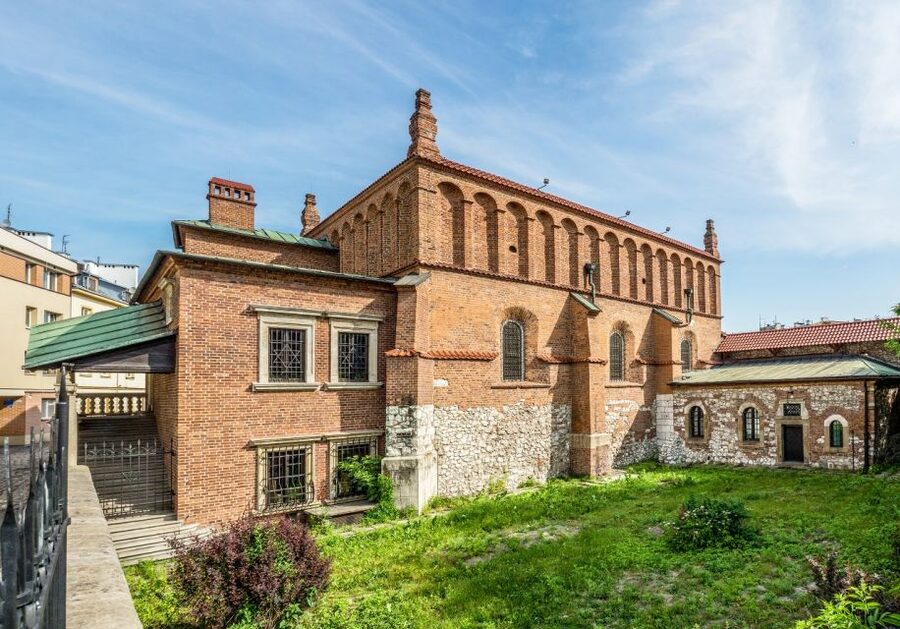
The meeting point is on the steps of the Old Synagogue. Look for the guide holding an excursions.city sign, and arrive at least 10 minutes early. Once the group leaves, late arrivals cannot join and the ticket cannot be refunded.
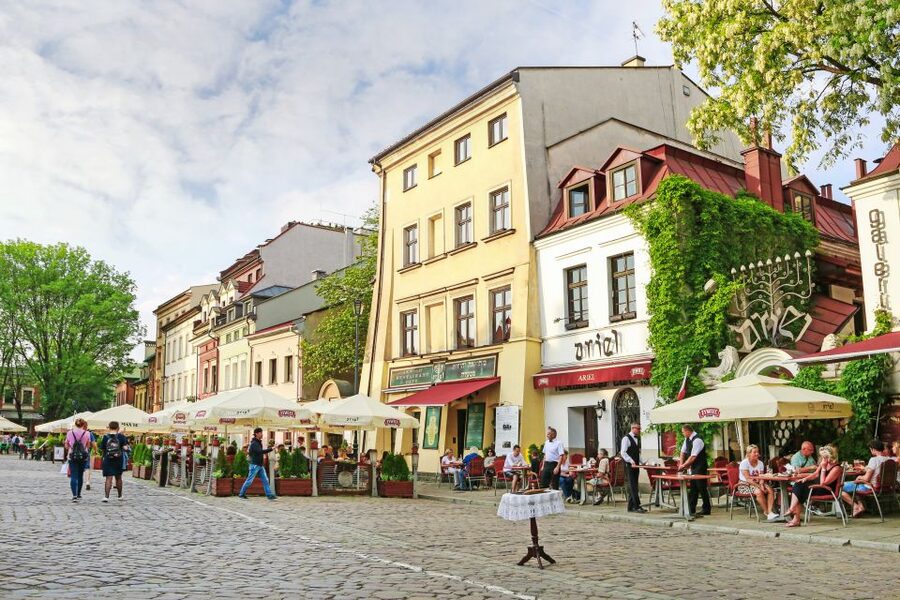
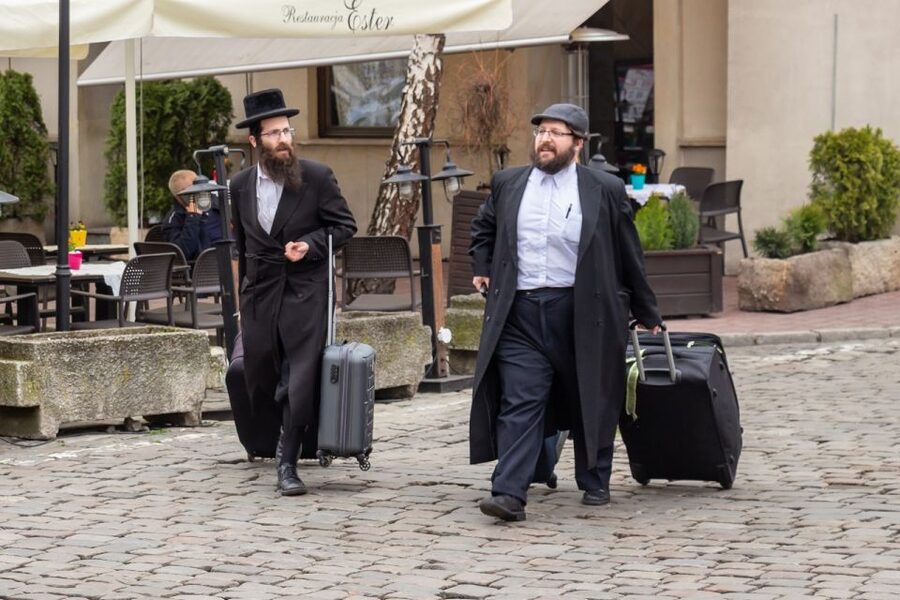
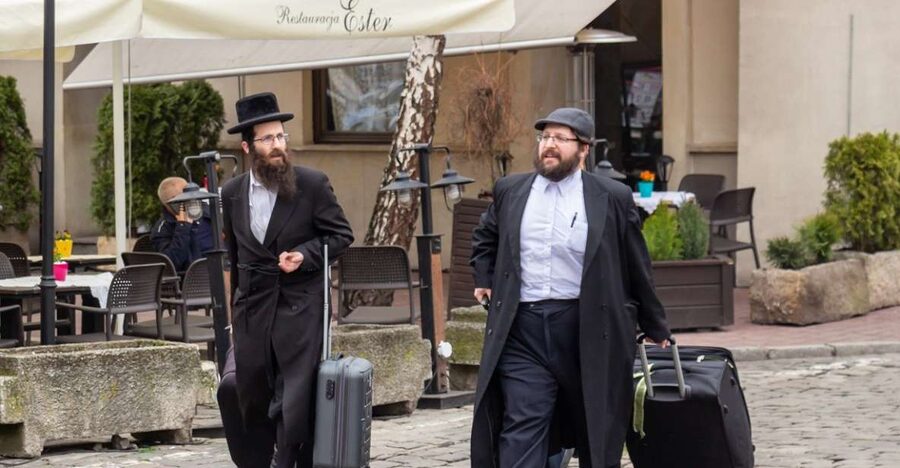
Kazimierz was once the center of Jewish life in Krakow. The walk takes you along cobbled streets, past synagogues, prayer houses, townhouses, and courtyards that preserve the district’s old shape.
The value of this first section is not just the buildings. A synagogue facade can tell you when and how a place was built, but a good guide explains how the neighborhood functioned. You hear about rabbis, merchants, families, markets, worship, and learning. The district becomes a lived-in community rather than a collection of old walls.
This is also where the guide’s skill matters most. Kazimierz does not explain itself as clearly as Krakow’s main square. Some important places are easy to pass without noticing, and the modern district can blur the line between surviving Jewish sites and later uses.
Guides including Helena, Phil, Alice, and Barbara have been praised for clear explanations, personal warmth, and the ability to answer questions. The strongest guides on this route appear to do more than recite dates. They explain how ordinary decisions became dangerous during the occupation, and they connect individual stories with the wider events.
You will probably want time for photographs, but keep listening. One useful point raised about this tour is that the guide stays with the group throughout the walking sections, so stepping away for pictures can mean missing part of the explanation. If you like to photograph every doorway, take your pictures during natural pauses.
Schindler’s Factory Museum and Krakow under occupation
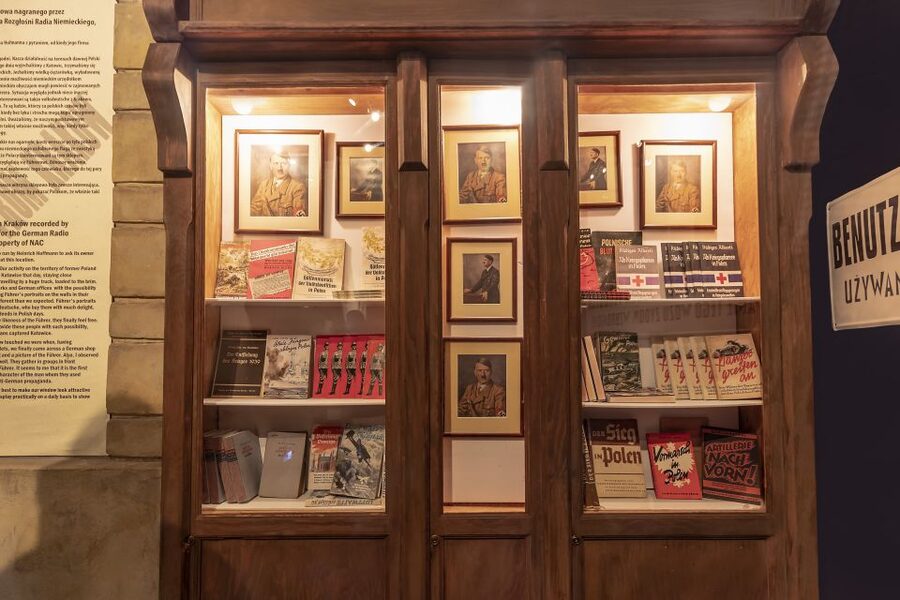
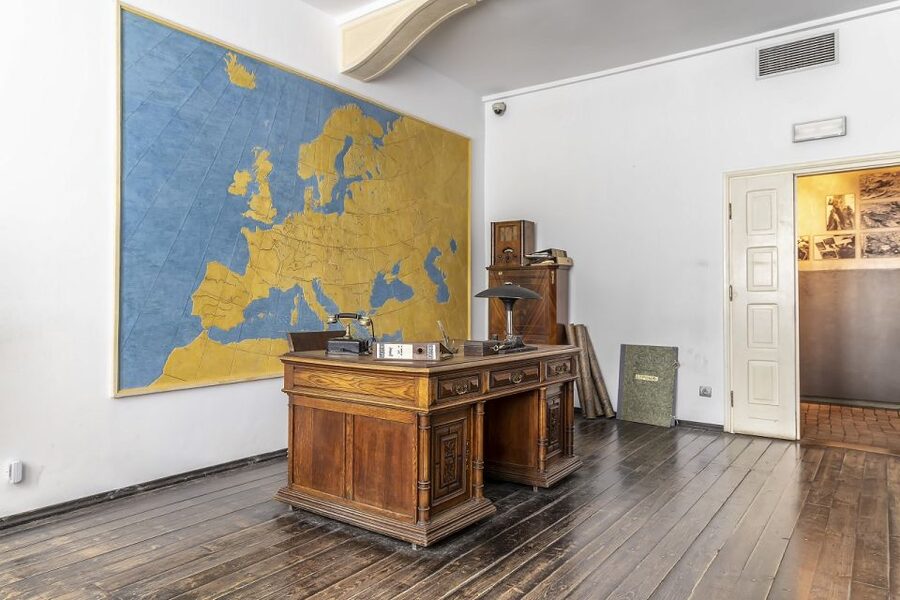
The tour then continues to Schindler’s Enamel Factory, now home to the museum exhibition Krakow under Nazi Occupation 1939 to 1945. Your admission ticket includes skip-the-line entry and a guided visit inside.
The name can create a false expectation. This is not a working factory tour, and you should not expect original machinery or a preserved industrial floor. The building once housed Schindler’s factory, but today it operates as a museum. The focus is the city’s wartime story, not factory production.
That distinction is important when deciding if the price feels right. You are paying for entry to a major museum and for a guide who helps you read its material, not for a tour of an intact factory complex.
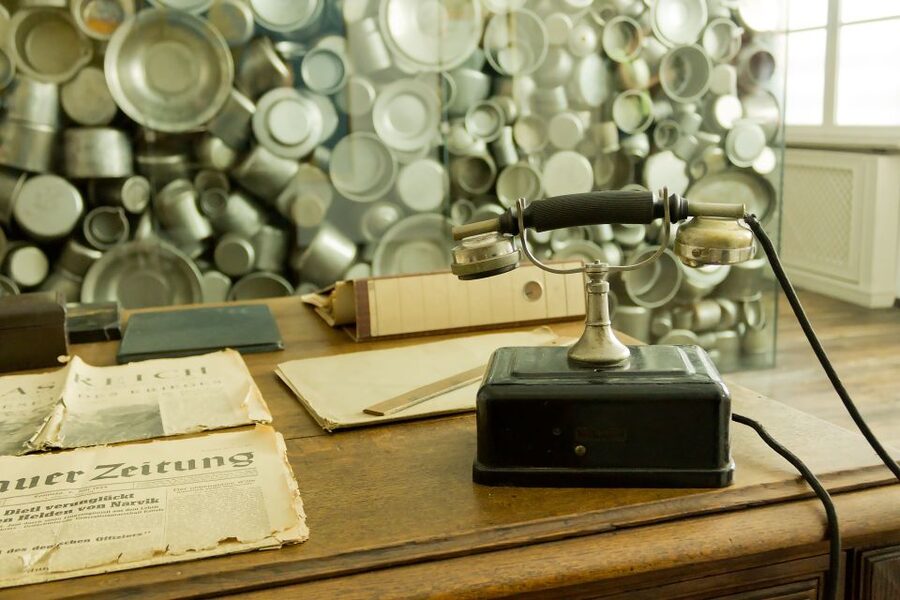
Inside, the exhibition uses narrow corridors, low light, photographs, objects, sound, and reconstructed settings to convey the pressure of occupied Krakow. The design can make the visit feel close and personal, but it can also be tiring or uncomfortable for anyone who dislikes tight spaces or intense presentations.
A guide is particularly useful here. The museum contains a large amount of information, and not every display will be equally easy to understand in every language. Guided explanations help place the artifacts and photographs in order, so you can follow the story instead of simply moving from one display to the next.
You learn about Oskar Schindler’s efforts to protect more than 1,000 Jewish workers. Just as important, you learn about the city around him: Jewish residents facing persecution, Polish residents living under occupation, and the daily restrictions that narrowed people’s choices.
The best part of this section is the move from famous history to human decisions. The guide can explain not only what happened, but what people knew at the time, what they feared, and why an apparently small act could carry great risk.
Plan your energy carefully. The museum is only one part of a five-hour program, and the Ghetto walk follows it. Do not spend every ounce of attention in the first hour. The final section needs patience too.
Crossing into the former Krakow Ghetto
After the museum, the route continues through the area of the former Krakow Ghetto. Exact timing can depend on museum scheduling, and the day is divided into three main sections, so listen for the guide’s instructions about where the group goes next.
Here, the city feels different. You see sections of the original Ghetto wall, remnants that help you understand the physical separation imposed on residents. The wall is not a grand monument. Its power comes from its plainness and from the knowledge of what it represented.
This is the part of the route where a guide is almost essential. Streets may look like normal city streets, and surviving buildings do not always announce their wartime role. Without explanation, it is easy to walk past an important location and miss its meaning.
At Ghetto Heroes Square, the Chair Memorial provides the clearest visual symbol of the day. Empty chairs are placed across the square, recalling the belongings and lives left behind when people were forced from their homes and sent away.
The memorial is quiet and spare. It does not need a long speech to make its point, but the guide’s explanation gives the arrangement historical weight. You are not looking at decorative public art. You are standing at a place linked to mass deportations.
Nearby, the Under the Eagle Pharmacy recalls Tadeusz Pankiewicz, the pharmacist who risked his life to provide medicine, shelter, and assistance to people in the Ghetto. This stop adds an important counterpoint to the story of persecution. It shows that courage could take many forms, including keeping a pharmacy open and helping people who had been deliberately cut off from safety.
The tour also highlights Polish people who helped Jewish residents, rather than placing every act of rescue under Schindler’s name. That broader view gives you a better understanding of the risks involved and the different ways people offered help.
Expect this section to be emotionally demanding. Several guides have been praised for telling these stories with compassion rather than theatrical drama. That tone matters. The strongest presentation leaves room for silence and thought.
More Kazimierz walks:
- Krakow: Jewish Quarter and Former Ghetto Tour
★ 4.9 · 1,441 reviews - Krakow: Bike Tour of Old Town, Jewish Quarter and the Ghetto
★ 4.9 · 1,155 reviews - Krakow: Kazimierz Jewish Quarter Walking Tour
★ 4.8 · 571 reviews - Krakow: Bike Tour of the Old Town, Kazimierz, and the Ghetto
★ 4.9 · 350 reviews
The pace, walking, and physical demands
Five hours sounds manageable until you remember that the experience is primarily a walking tour with a museum visit in the middle. You will move through streets, squares, and historic districts, then spend time inside an exhibition before continuing on foot.
Comfortable footwear is essential. Cobblestones, changing weather, and the overall length can wear you down. One account of a hot day described the walking as tiring, while another rainy-day visit was less comfortable but still worthwhile. That is a fair warning, not a reason to avoid the tour.
In summer, bring water, sun protection, and light clothing. In wet or cold weather, use waterproof outerwear and shoes with a good grip. The route is outdoors for long periods, and weather can shape how much attention you have left for the history.
The tour can work for families with older children who can handle a serious subject and sustained walking. It is less suitable for anyone wanting a relaxed afternoon or a short museum visit. A child-focused version is not described, so you should judge your own group’s interest and stamina.
The group language is selected when you book. Tours operate in English, French, Spanish, Italian, or German, with each group using one language only. That helps keep the commentary clear, but make sure you select the language you actually want before paying.
Exact starting times can also be affected by the museum’s scheduling. From January 1, 2026, preferred times are approximate rather than guaranteed. Full names for all participants must be supplied during booking, and you need a passport or other identification for museum entry. Without those details, admission may be refused.
Is $81 a fair price?
At $81 per person, this is not the cheapest way to walk through Kazimierz or visit the Ghetto. You could see many exterior sites independently and pay separately for museum admission.
The value comes from combining three connected visits with a licensed local guide and skip-the-line museum entry. You are paying for structure, historical explanation, and the ability to understand places that are not self-explanatory.
I think the price makes the most sense if you have limited time in Krakow or want a serious introduction to Jewish Krakow and the occupation. A guide can save you from spending hours piecing together disconnected facts.
It is less compelling if you prefer to read every museum panel at your own speed, take frequent photographs, or stop for long meals during a walking day. Food and drinks are not included, and hotel pickup and drop-off are not included either.
The free cancellation window gives you some flexibility: cancel at least 24 hours in advance for a full refund. You can also reserve now and pay later, which helps if your Krakow schedule is still changing.
Who should take this tour?
I would recommend it to first-time Krakow visitors who want historical context quickly. It is also a strong choice for anyone interested in Jewish history, the Second World War, memorials, or the way cities remember difficult events.
It suits readers who prefer a guide’s explanation to independent research. Several guides on this route, including Helena, Philip, Dominika, Magda, and Barbara, have been noted for clear speaking, patience, and strong command of the subject. The experience depends heavily on the individual guide, but the repeated praise for their care and preparation is encouraging.
You should think twice if five hours of walking sounds unpleasant or if you want to visit Schindler’s Factory mainly to see original machinery. The museum has no original factory machinery, and the tour is centered on the occupation exhibition.
You should also leave room in your day afterward. The route deals with deportation, persecution, loss, and rescue. You may want a quiet meal or an easy evening rather than another packed attraction.
My verdict on the Kazimierz, Ghetto, and Factory route
I would book this tour if I wanted one well-organized day covering the three places as a connected story. The strongest feature is not any single stop. It is the progression from Jewish community life in Kazimierz to occupation, Schindler’s efforts, the Ghetto, the empty chairs at Ghetto Heroes Square, and the courage shown at the Under the Eagle Pharmacy.
The practical tradeoff is stamina. You will walk a lot, the subject is heavy, and the museum visit is atmospheric rather than a display of original industrial equipment.
Book it if you want context, careful guiding, and a serious look at Krakow’s past. Skip it if you want a quick attraction or a flexible, stop-and-start day. For most visitors with an interest in history, the $81 cost is justified by the museum entry, the connected route, and the explanation that brings otherwise ordinary streets into focus.
FAQ
Where does the tour begin?
Meet your guide on the steps of the Old Synagogue in Kazimierz. The guide will hold an excursions.city sign.
How long does the experience last?
The tour lasts five hours and includes walking through Kazimierz, a guided visit to Schindler’s Factory Museum, and a walk through the former Krakow Ghetto.
What languages are available?
The tour is available in English, French, Spanish, Italian, and German. Each group tour operates in one language, so select your preferred language when booking.
Is museum entry included?
Yes. The price includes skip-the-line admission to Schindler’s Factory Museum and a guided visit inside the museum.
Is Schindler’s Factory still a working factory?
No. The building once housed Schindler’s factory, but it is now a museum. It does not contain the original machinery.
What should I bring?
Wear suitable clothing and comfortable footwear for a long walking tour. Check the weather forecast before setting out, since rain, heat, or cold can affect the experience.
Can I cancel the booking?
You can cancel up to 24 hours before the tour for a full refund. The reserve-now, pay-later option also allows you to book without paying immediately.
More Jewish Heritage Walks in Krakow
- Krakow: Schindler’s Factory & Ghetto Guided Tour
★ 4.7 · 1,694 reviews - Full Bike Tour – the Old Town, Jewish Qtr & the Ghetto NEW BIKES
★ 5.0 · 437 reviews - Krakow: Jewish Ghetto Walking Tour
★ 4.6 · 349 reviews - Krakow: Jewish Quarter and Ghetto Electric Golf Cart Tour
★ 4.6 · 348 reviews
Just added around Krakow
- Private Guided Tour: Oskar Schindler’s Factory★ 5.0 · 3 reviews
- E-Scooter Krakow sightseeing tour★ 5.0 · 3 reviews
- From Krakow: Zakopane and Thermal Pools Guided Trip★ 5.0 · 3 reviews
- Schindler’s Factory, Ghetto and Plaszow Camp Guided Tour★ 4.7 · 3 reviews
- Kraków: Private Hot Air Balloon Flight with Champagne★ 3.7 · 3 reviews
- Krakow: River Cruise & Guided Visit to Former Plaszow Camp★ 3.6 · 3 reviews
- From Krakow: Private Wieliczka Salt Mine Tour★ 4.0 · 3 reviews
- Krakow: Old Town short walk with St. Mary’s Basilica visit★ 5.0 · 3 reviews
Schindler's Factory Tours, compared.

Oskar Schindler’s Factory Entry Ticket & Guided Tour
Read our review →
Schindler’s Factory Tour with Entrance Ticket
Read our review →
Schindler’s Factory Tour with Entrance Ticket
Read our review →
Schindler’s Factory in Krakow: Guided Tour & Skip the Line Ticket
Read our review →

Schindler’s Factory Ticket with Guided Tour Option
Read our review →
Krakow Schindler’s Factory Guided Tour with Admission Ticket
Read our review →Browse the lists this tour appears in