
Reviewed · MUSEUMS
Krakow: Polish Aviation Museum Skip-the-Line Ticket
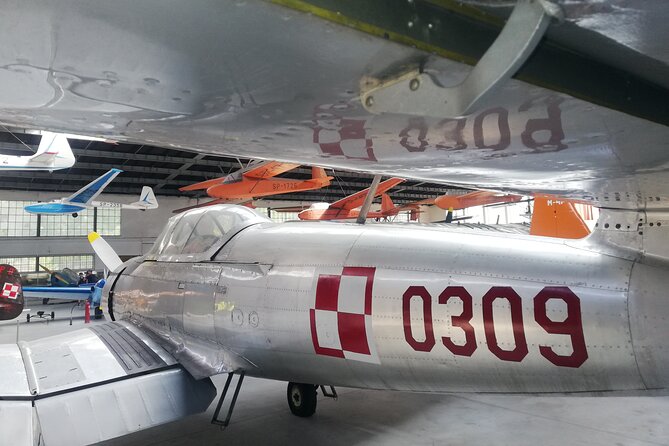
The most remarkable thing here is the setting: the Polish Aviation Museum occupies a former Austro-Hungarian military airfield founded in 1912, one of the world’s oldest military airfields. You’ll see more than 300 aircraft, engines, and aviation artifacts, ranging from fragile early designs to large machines from the Soviet era.
I like the ticket’s low price and simple start. For about $7 per person, you get prepaid entry and can avoid the ticket queue, then explore at your own pace. I also like the unusual collection, especially the surviving Grigorovich M-15 flying boat from 1916 and the German Halberstadt Cl.II and Roland D.IV aircraft hulls.
The main thing to consider is that this is an unguided museum visit. Some displays may offer limited information in languages other than Polish, and opening hours can change, so check the official museum website before setting out.
In This Review
- Key points to know before you go
- Arriving at Krakow’s old military airfield
- Start with the early aircraft and engines
- Find the Grigorovich M-15 flying boat
- Walk through the open-air Soviet-era display
- How much time should you set aside?
- Is the $7 ticket good value?
- Who will enjoy this museum most?
- Practical advice for a smoother visit
- Should you book the Polish Aviation Museum?
- FAQ
- Where is the Polish Aviation Museum?
- How much does the ticket cost?
- What does the ticket include?
- Is a guide included?
- How long is the ticket valid?
- Does the ticket skip the entrance line?
- What should I bring?
- Can I take photographs?
Key points to know before you go
- A former 1912 military airfield: The museum’s setting gives the visit a genuine aviation connection, not just a collection of objects in a modern hall.
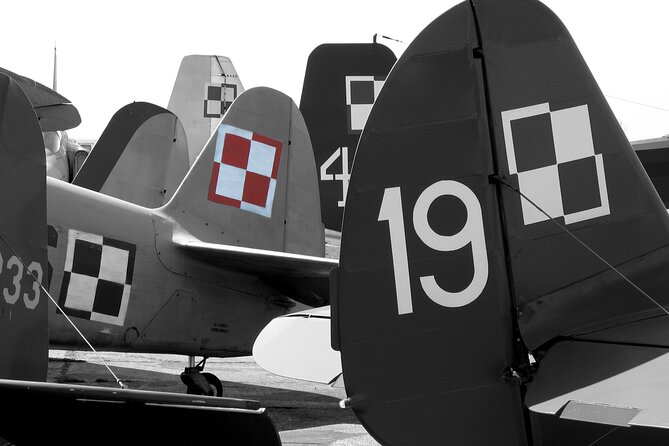
- More than 300 aviation exhibits: You’ll find aircraft, engines, historic parts, and machines from several periods of European aviation.
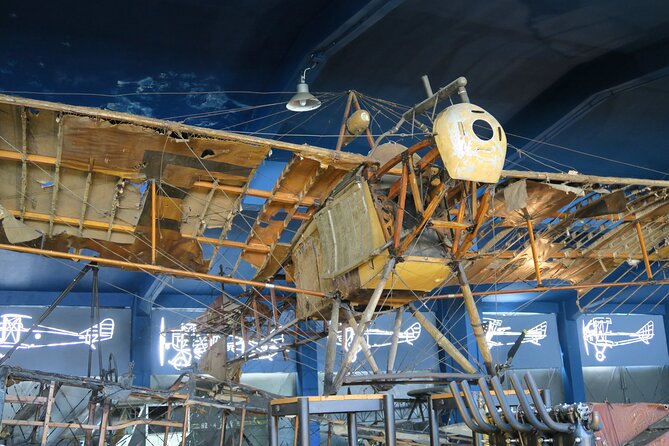
- Rare early aircraft: Look for the hulls of the German Halberstadt Cl.II and Roland D.IV, plus the only remaining Russian Grigorovich M-15 flying boat from 1916.
- Large outdoor display: The open-air section includes well-known Soviet-era machines such as the Antonov AN-26 and Polish PZL 130 Orlik.
- A good value for families: The price is modest, the grounds are easy to walk around, and the collection can hold the attention of adults and older children.
- Allow about two hours: One visit was completed in nearly two hours, though aviation fans may want longer to study the exhibits.
Arriving at Krakow’s old military airfield
The museum is in Lesser Poland, on the site of what was once a regional airport and military airfield. That setting matters. You are not simply walking into a building filled with aircraft. You are entering a place tied to the development of military aviation in the region.
The airfield was established by the Austro-Hungarian Empire in 1912. That date gives the museum a useful sense of time before you even reach the first aircraft. Aviation was still young then, and many early machines were experimental, fragile, and difficult to preserve.
The visit is self-guided. Your prepaid ticket is meant to make the entrance simple, with no need to buy a ticket at the museum counter. The exact meeting point can vary by booking option, so read the instructions attached to your selected ticket.
The museum is easily reached by tram, and a local route-planning app such as Jakdojade can help you select the correct service. Since transport details can change, check the route on the day you visit rather than relying on an old plan.
Wear comfortable shoes. The collection covers indoor and outdoor areas, and you’ll spend time walking between the exhibition spaces and aircraft displayed outside. Bring water and a camera, but leave the flash switched off.
More museums in Krakow:
- Auschwitz-Birkenau Museum and Memorial Guided Tour from Krakow
★ 4.5 · 1,510 reviews - Krakow: Rynek Underground Museum Guided Tour
★ 4.6 · 1,122 reviews - Krakow Schindler’s Factory Museum Guided Tour in English
★ 4.5 · 650 reviews
Start with the early aircraft and engines
The indoor collection gives you the best introduction to the museum. Rather than seeing only complete modern aircraft, you’ll encounter engines, aircraft parts, and historic remains that show how aviation changed over time.
The German Halberstadt Cl.II and Roland D.IV are especially interesting because the surviving objects are hulls rather than complete, polished aircraft. That may sound less impressive at first, but the exposed or incomplete structure can make the technology easier to understand. You can focus on the construction and materials instead of treating each plane as a simple sculpture.
These early machines also help explain the difference between aviation history and an ordinary aircraft collection. A complete jet is visually dramatic, but an old hull or engine can tell you more about the practical problems faced by early designers. You’ll see the limits of the period in a direct way.
The collection includes engines as well as aircraft. That is useful if you enjoy the mechanical side of aviation, but the museum is not only for specialists. The range of objects gives you several ways into the subject, from military history to engineering and design.
Some of the first entrance displays may not have much information in languages other than Polish. If you want to read every label, this can slow you down. You can still appreciate the objects themselves, but an unguided visit works best if you are comfortable learning through the aircraft and the general layout rather than expecting a detailed explanation at every stop.
Find the Grigorovich M-15 flying boat
One of the museum’s most unusual objects is the Grigorovich M-15 from 1916. It is described as the only remaining Russian flying boat of its kind, which makes it a major reason to visit even if you are not normally an aviation fan.
Flying boats are a useful reminder that early aircraft did not always depend on runways. Their design had to work with water, while also handling the same problems faced by other aircraft of the period: weight, engine power, balance, and structural strength.
The M-15 is the sort of exhibit that rewards a slower look. Notice the difference between this early design and the large aircraft outside. The museum’s collection becomes more meaningful when you compare machines across decades instead of treating each plane as an isolated object.
For families, this may be one of the best moments to explain how aviation developed. Children may respond first to the unusual shape, while adults can add the historical setting. You do not need expert knowledge to enjoy it, and the rarity of the aircraft gives the visit a clear focal point.
Walk through the open-air Soviet-era display
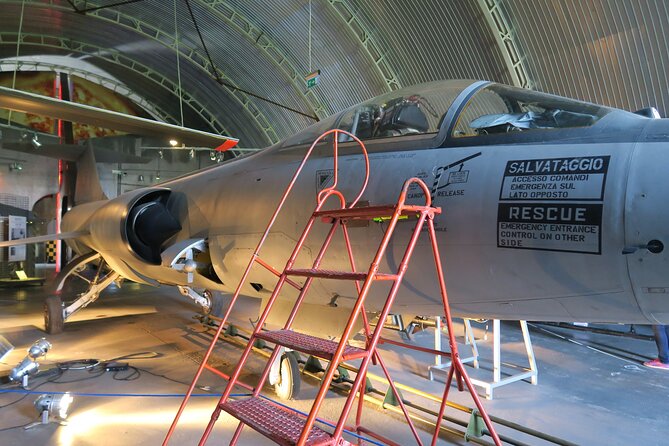
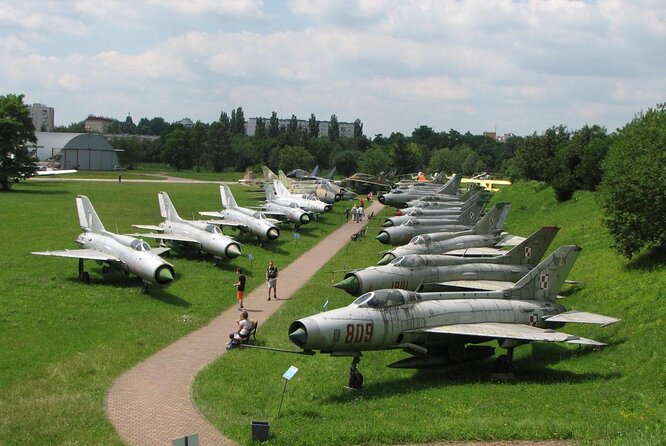
After the indoor exhibits, head outside for the open-air museum. This is where the scale of the collection becomes clearer. Large aircraft need space, and the former airfield provides room to see them from several angles.
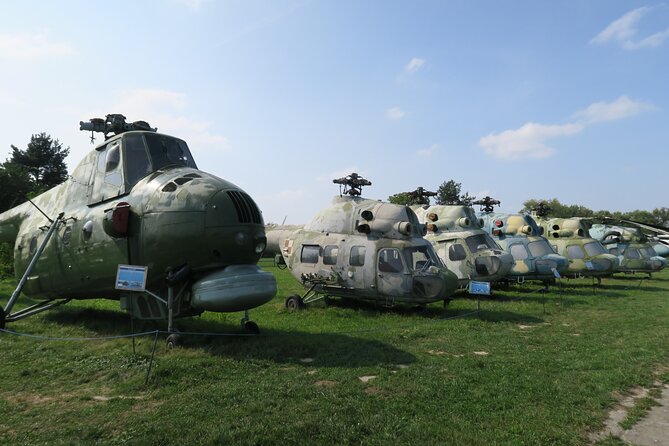
The outdoor display includes some of the best-known machines from the Soviet era. The Antonov AN-26 is one of the named highlights, along with the Polish PZL 130 Orlik. These aircraft show a very different period from the fragile early designs inside.
The outdoor area also changes the pace of the visit. Indoors, you’ll likely stop to examine engines, hulls, and smaller artifacts. Outside, you can walk between larger machines and take in their size. It is an easy section to enjoy even if you do not read every label.
The grounds are described as easy to walk around, but this is still a museum spread over a sizable site. Two hours should give you a solid visit, especially if you keep moving. Aviation enthusiasts may want more time, particularly if they like comparing aircraft types or photographing details.
Weather will affect this part of the experience. Since the open-air collection is a major part of the visit, a rainy or very hot day may make the museum less comfortable. The ticket information does not promise a guided route or special indoor alternative, so plan your timing with the forecast in mind.
A few more Krakow trips worth comparing
- From Krakow: Wieliczka Salt Mine Tour & Skip the Line Ticket
★ 4.4 · 3,925 reviews - Auschwitz-Birkenau Skip-the-Line Guided Tour
★ 4.3 · 3,617 reviews - Krakow: Schindler’s Factory Skip-the-Line Ticket
★ 4.4 · 3,105 reviews - Auschwitz-Birkenau: Skip-the-Line Entry Ticket & Guided Tour
★ 4.4 · 3,052 reviews
How much time should you set aside?
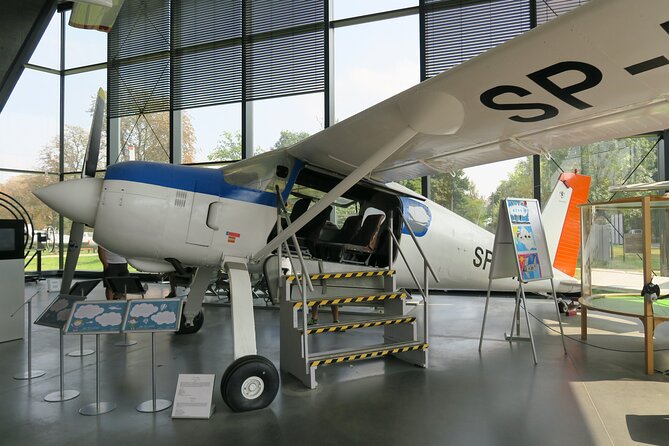
The ticket is valid for one to two days, depending on the option available when you book. That flexibility can help if you are arranging a busy Krakow schedule, but check the exact validity shown for your chosen option.
For most people, plan on roughly two hours. That gives you time for the main indoor displays, the rare early aircraft, and the outdoor machines without racing through the grounds.
You may want longer if you are an aircraft enthusiast, a military-history follower, or someone who likes reading technical displays. A family with younger children may spend less time, while a parent with an aviation-loving teenager could easily stay longer.
There is no guide included, so your pace is entirely your own. I see that as a benefit if you want freedom to stop for photos or skip technical material. It is a drawback if you want a carefully explained story from one exhibit to the next.
The lack of a guide also means you should do a little preparation. Knowing why a flying boat matters, or understanding the difference between early aircraft hulls and later military planes, will make the displays easier to appreciate. Still, the broad range of objects provides plenty to see without advance study.
Is the $7 ticket good value?
At around $7, this is one of the easier Krakow museum choices to recommend on price alone. You get access to a collection of more than 300 aviation-related items, including rare early aircraft, engines, military planes, and an outdoor section with large Soviet-era machines.
The value improves if you enjoy aviation, military history, engineering, or photography. It is also a practical choice for families because the admission cost stays modest, and the grounds offer more room to move than a small indoor museum.
The ticket also saves you the basic hassle of standing at the ticket counter. Do not expect it to transform the entire visit into a timed tour. It is simply prepaid admission with skip-the-line access, followed by a self-guided museum visit.
If you have a Krakow City Pass, the Polish Aviation Museum is among the museums listed as accessible through that pass. The City Pass also lists places such as Schindler’s Factory, the Rynek Underground Museum, and the Princes Czartoryski Museum, but check the exact terms of your pass before assuming every attraction is included for your visit.
The one value warning is the possibility of closures or restricted areas. One part of the main exhibition was closed for an event during a visit, with no compensation. That does not make the ticket poor value, but it is another reason to check current museum information before going.
Who will enjoy this museum most?
This is an obvious choice for aviation enthusiasts, but you do not need to know aircraft models to have a worthwhile visit. The collection includes enough unusual objects and large machines to make the experience accessible to curious first-time visitors.
I would especially suggest it for:
- Families with older children and teenagers
- Anyone interested in military history
- People who enjoy engineering and mechanical design
- Visitors looking for a lower-cost Krakow attraction
- Photographers who like aircraft, engines, and historic structures
- Visitors with time for a museum outside the central Old Town sights
The museum may be less satisfying if you want a polished, highly guided experience with extensive multilingual interpretation. It is also not the best choice if you dislike walking outdoors or prefer a short, tightly organized attraction.
The setting adds something that a standard indoor museum cannot provide. You can connect the exhibits with the airfield itself, then move from early aviation remains to large Cold War-era machines. That chronological contrast is the core pleasure of the visit.
Practical advice for a smoother visit
Check the official museum website for opening hours before you leave. The hours shown when booking may differ because of events or other circumstances.
Bring comfortable shoes, water, and a camera. Smoking and flash photography are not allowed, so follow the museum rules in both the indoor and outdoor areas.
Use public transport planning tools if you are going by tram. The museum is easily accessed by tram, but choosing the correct route is important, and Jakdojade was specifically recommended as a useful aid.
Keep your ticket details ready at the entrance. Since the ticket is prepaid and designed to skip the ticket line, you should be able to begin the visit without the usual purchase step.
If you are visiting with someone who is less interested in aircraft, explain the plan before you go. The large outdoor machines and unusual flying boat can appeal to a broad audience, but the technical displays may not hold everyone’s attention for the same length of time.
Free cancellation up to 24 hours before the visit and the reserve-now, pay-later option make the booking fairly flexible. Still, those benefits do not replace checking the museum’s current opening information.
Should you book the Polish Aviation Museum?
Book it if you want an affordable, self-guided museum with rare aircraft, a historic airfield setting, and enough variety for a two-hour stop. The Grigorovich M-15, the German aircraft hulls, and the Soviet-era outdoor display give the visit more substance than a basic collection of familiar planes.
I would make it a stronger choice for anyone already interested in aviation, military history, or machines. For a general sightseeing day, it works best when you want a break from Krakow’s churches, palaces, and Old Town streets.
Skip it if you need a guide, extensive multilingual interpretation, or a fully indoor attraction. Also check for temporary closures before you go. At this price, the risk is small, but knowing what is open will help you decide if it fits your day.
FAQ
Where is the Polish Aviation Museum?
The museum is in Lesser Poland, Krakow, on the site of a former regional airport and historic military airfield.
How much does the ticket cost?
The listed price is $7 per person.
What does the ticket include?
It includes prepaid entry, access to more than 300 aviation-related items, the historic aircraft artifacts, and the open-air collection of Soviet-era machines.
Is a guide included?
No. The visit is self-guided, and the ticket does not include a guide.
How long is the ticket valid?
The ticket is listed as valid for one to two days, depending on the option selected. Check the available option for the exact validity.
Does the ticket skip the entrance line?
Yes. It is a prepaid ticket with skip-the-ticket-line access.
What should I bring?
Bring comfortable shoes, water, and a camera. The museum covers indoor and outdoor areas, so walking comfort matters.
Can I take photographs?
You may bring a camera, but flash photography is not allowed. Smoking is also prohibited.
Just added around Krakow
- Private Guided Tour: Oskar Schindler’s Factory★ 5.0 · 3 reviews
- E-Scooter Krakow sightseeing tour★ 5.0 · 3 reviews
- From Krakow: Zakopane and Thermal Pools Guided Trip★ 5.0 · 3 reviews
- Schindler’s Factory, Ghetto and Plaszow Camp Guided Tour★ 4.7 · 3 reviews
- Krakow: River Cruise & Guided Visit to Former Plaszow Camp★ 3.6 · 3 reviews
- From Krakow: Private Wieliczka Salt Mine Tour★ 4.0 · 3 reviews
- Kraków: Private Hot Air Balloon Flight with Champagne★ 3.7 · 3 reviews
- Krakow: Old Town short walk with St. Mary’s Basilica visit★ 5.0 · 3 reviews
Museums, compared.

Auschwitz-Birkenau Museum and Memorial Guided Tour from Krakow
Read our review →

Krakow Schindler’s Factory Museum Guided Tour in English
Read our review →
Auschwitz Birkenau Museum Guided Tour with Pickup
Read our review →

Auschwitz Birkenau Museum and Salt Mine All Inclusive DAY TRIP with Local Guides
Read our review →
Chopin Piano Concert at Chopin Gallery with a Glass of Wine
Read our review →Browse the lists this tour appears in