
Reviewed · SCHINDLER'S FACTORY TOURS
Krakow: Schindler’s Factory Entry Ticket (Optional Guide)
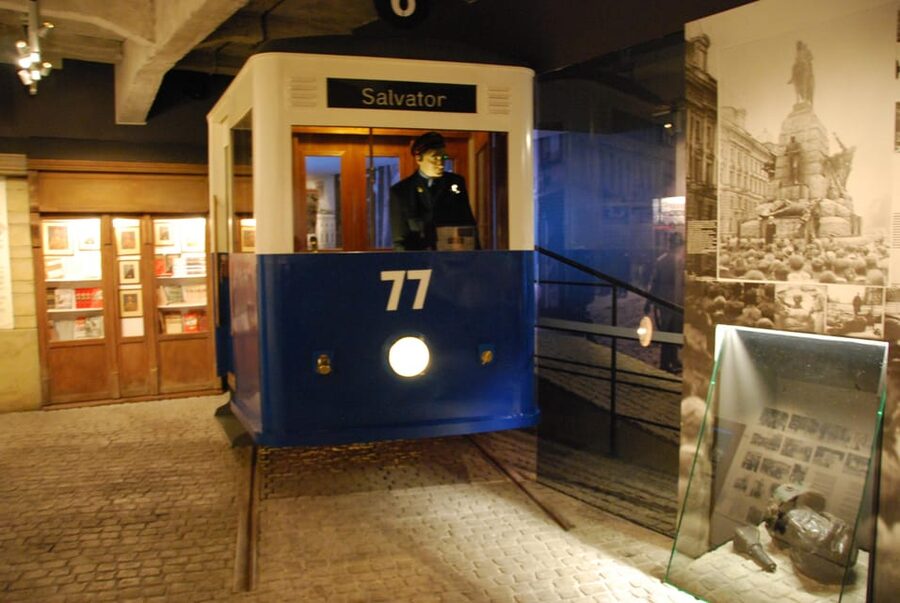
Kraków’s Schindler Factory is less a preserved factory than a carefully arranged museum about life under Nazi occupation. Its strongest feature is the way it moves from major events to personal stories of Kraków residents, showing how war changed ordinary homes, jobs, families, and streets.
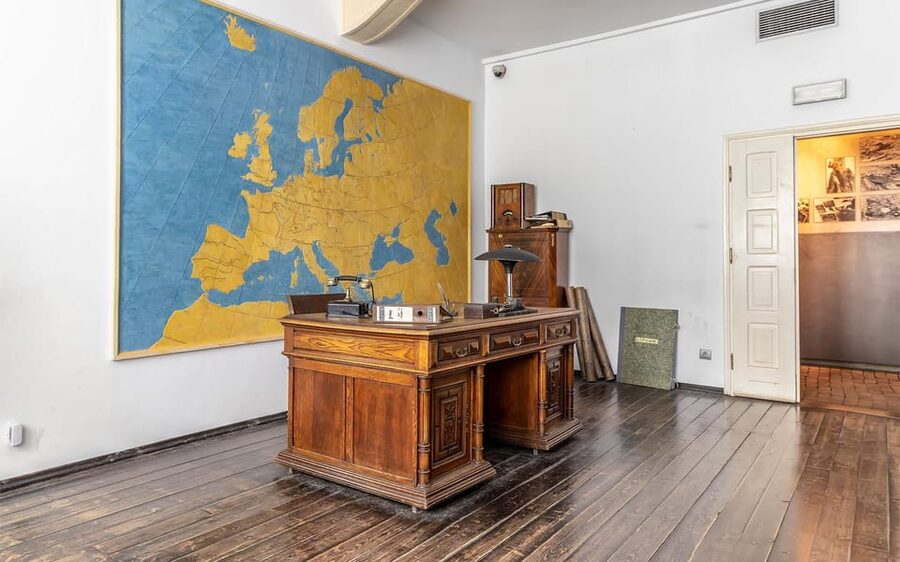
I like the skip-the-line entry and the chance to add a guide for more context. I also like the visit to Oskar Schindler’s office and the Ark of the Saved, a striking symbol of the people he protected. The main thing to know is that you will not see a factory preserved in its original working state. Expect photographs, films, objects, and displays instead.
In This Review
- Key points to know
- What Schindler’s Factory really offers
- Oskar Schindler’s Kraków story
- The exhibition’s personal view of occupation
- Why a guide can make a difference
- The skip-the-line ticket and the one-day window
- Allow time for the emotional weight
- Practical limits before you book
- Who will get the most from this visit
- Should you book Schindler’s Factory?
- FAQ
- How much does entry to Schindler’s Factory cost?
- How long is the ticket valid?
- Is a guided tour included?
- What will I see inside Schindler’s Factory?
- Is this a tour of the original factory?
- Can I take photographs?
- When is the museum closed?
Key points to know
- Schindler’s office and the Ark of the Saved: See the place linked with Schindler’s wartime decisions and the people he helped protect.
- A museum about Kraków under occupation: The focus extends well beyond Schindler to the daily lives of local residents.
- Optional guided visit: A professional guide can add context and explain the exhibits as you go.
- Skip-the-line access: You can avoid the ticket queue and begin your museum visit more easily.
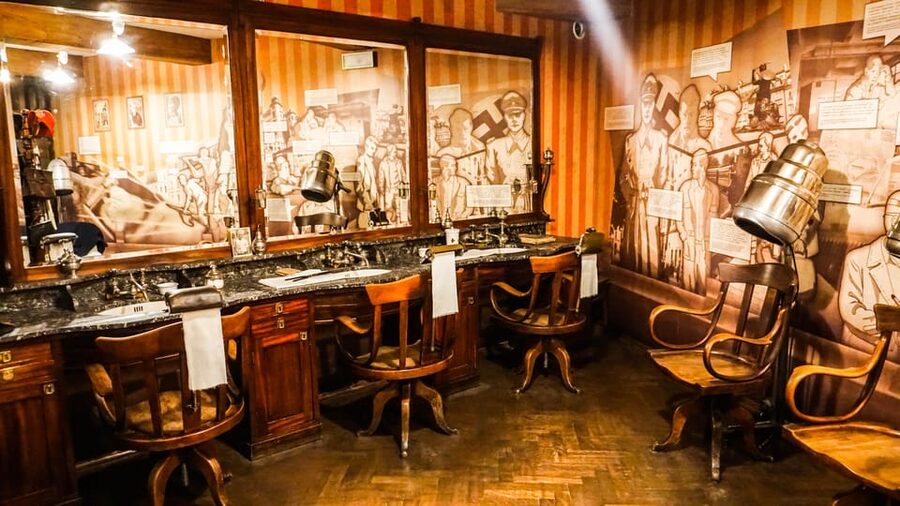
- A serious, multimedia exhibition: Expect videos, photographs, preserved objects, and personal accounts rather than a simple factory tour.
- Useful planning limits: The museum closes on the first Monday of each month, and last admission is 90 minutes before closing.
What Schindler’s Factory really offers
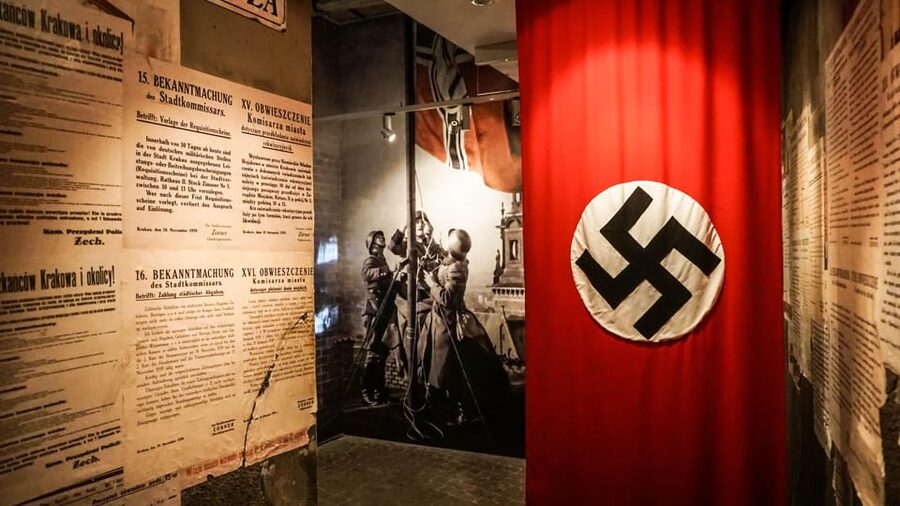
The name can set up the wrong expectation. You may picture machinery, production rooms, and a factory floor left much as it was during the war. Instead, this is a museum built inside the former Deutsche Emailwarenfabrik, founded in 1937, with the main emphasis on Kraków during almost six years of Nazi occupation.
That distinction matters. The building provides the setting, but the exhibition tells a wider story. You will see how occupation affected citizens, how persecution reshaped daily life, and how people faced choices that were often frightening and impossible.
I find this approach more useful than a narrow display about one famous man. Oskar Schindler is central, but the museum also places his actions within the much larger suffering of Kraków’s Jewish and non-Jewish population.
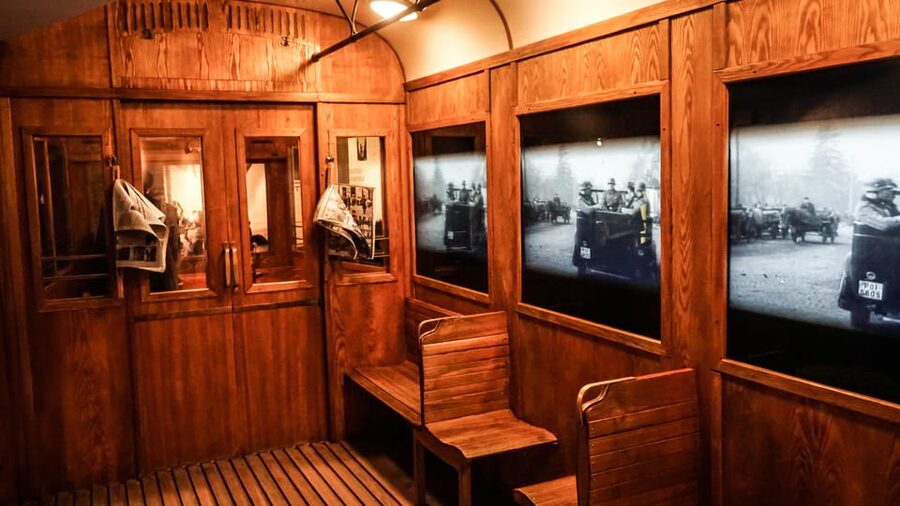
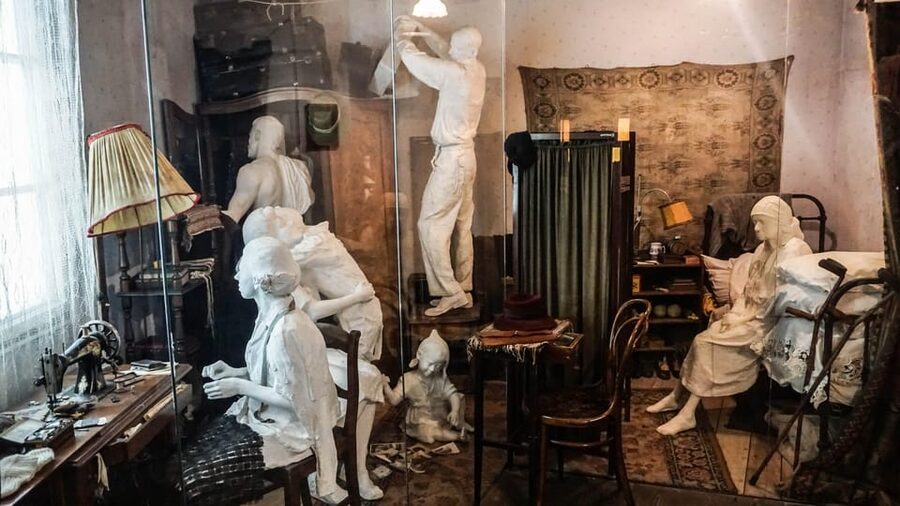
The exhibition uses photographs, films, objects, and multimedia installations. These displays are designed to make the period feel personal rather than distant. You might find yourself stopping over a small object or a single account because it reveals more about daily life than a long list of dates.
This is not a light attraction to squeeze between cafés and shopping. Give it your full attention. The subject is painful, and the museum is meant to leave you thinking about fear, courage, compromise, and the cost of hatred.
More Schindler's Factory visits:
- Krakow: Oskar Schindler’s Factory Entry Ticket & Guided Tour
★ 4.2 · 3,793 reviews - Krakow: Schindler’s Factory Tour with Entrance Ticket
★ 4.5 · 3,182 reviews - Krakow: Schindler’s Factory Skip-the-Line Ticket
★ 4.4 · 3,105 reviews
Oskar Schindler’s Kraków story
Schindler arrived in Kraków on September 6, 1939, only days after the Nazi invasion of Poland. He was a member of the Nazi Party and first approached the wartime economy as a businessman.
His story later changed direction. Through his factory and his dealings with Nazi authorities, he helped save more than 1,000 Jewish lives. The museum presents this shift from party member and opportunist to protector as part of a complicated wartime story, not as a simple fairy tale.
That complexity is one of the reasons the visit works. Schindler was not introduced as a flawless hero from the beginning. His choices developed within an ugly system, and his actions carried real risks. The museum asks you to consider how one person used position, money, contacts, and nerve to help people threatened by persecution.
You will visit Schindler’s personal office, one of the most important stops in the museum. The Ark of the Saved appears there as a powerful symbol of the lives connected with his efforts.
Do not expect a long, theatrical presentation in the office. Its value comes from the connection between the room, Schindler’s decisions, and the people who depended on them. If you know the film Schindler’s List, the visit may add historical grounding, but the museum is not simply a film set or a celebration of the movie.
The exhibition’s personal view of occupation
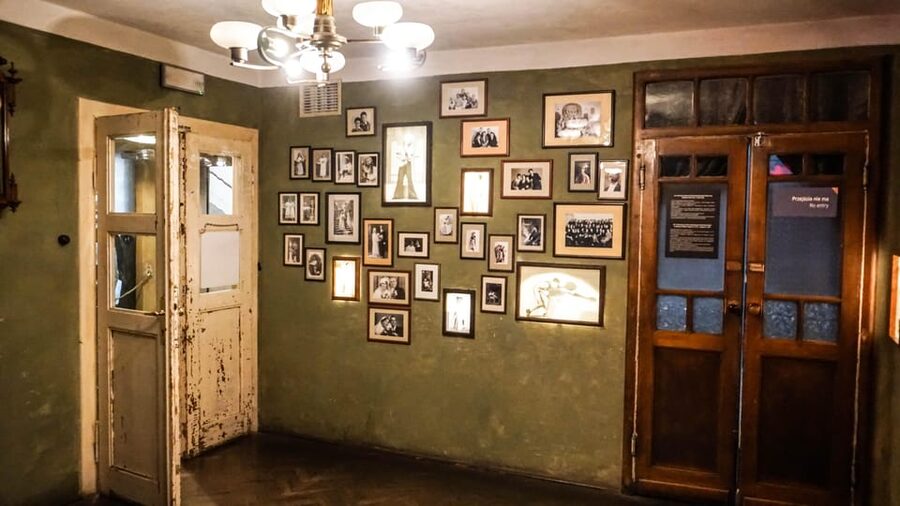
The most affecting part of the museum is its attention to ordinary residents. The material shows that occupation was not only a matter of armies and political leaders. It reached into work, housing, family life, movement around the city, and basic safety.
You will encounter stories that explain how citizens lived through nearly six years of Nazi rule. The displays show the loss of normal routines and the pressure placed on people by war and persecution.
That focus helps you understand why the museum can feel heavy even when Schindler is not the subject. The larger question is how a city and its people were changed by occupation. You are not simply learning what happened to a factory. You are learning what happened to a community.
The multimedia format may suit you if photographs, films, and objects help you connect with a historical period. It may be less satisfying if you want a quiet building tour with long stretches of original industrial machinery.
The exhibition is best approached slowly. Read the panels that catch your attention, watch the short visual material, and allow space between sections. A rushed visit may give you dates and names, but less of the human meaning behind them.
Why a guide can make a difference
You can visit independently with the entry ticket, or choose the guided option. No guide’s name is provided for this experience, so you should not book it expecting a particular named historian or lecturer.
A guide can help explain how the exhibition fits together. This is useful because the museum covers several connected subjects: Kraków before and during the occupation, the experience of local residents, Schindler’s business, and the lives he helped save.
A good guide can also help separate documented history from familiar movie imagery. That added explanation may be especially helpful if Schindler’s List is your main introduction to the subject.
The guided format is described as a small group, with the booking information listing a limit of one participant. Because the supplied details are unusual on this point, check the exact group arrangement and meeting instructions before you go.
One practical warning: there was a report of difficulty finding the guide. If you choose the guided option, arrive with enough time to locate the meeting point and keep your phone available for the activity provider. The museum visit itself may be smooth once you are inside, but the start deserves attention.
If you prefer reading at your own pace, the ticket-only option may be enough. If you want help making sense of the sequence and historical setting, paying extra for a guide could be worthwhile.
A few more Krakow trips worth comparing
- Krakow to Auschwitz Birkenau Guided Tour with Transfer and Ticket
★ 5.0 · 8,197 reviews - Krakow: Wieliczka Salt Mine Fast-Track Ticket & Guided Tour
★ 4.5 · 5,872 reviews - Auschwitz Birkenau Guided Tour with Ticket Hotel Pickup Small Van
★ 5.0 · 4,769 reviews - From Krakow: Wieliczka Salt Mine Tour & Skip the Line Ticket
★ 4.4 · 3,925 reviews
The skip-the-line ticket and the one-day window
At about $9 per person, the ticket is reasonably priced for a major museum visit in Kraków. The value comes less from a long guided itinerary and more from gaining direct access to a substantial historical exhibition without spending time in the ticket queue.
The ticket is valid for one day, with starting times shown when you check availability. This is not an open-ended pass that you can use across several days. Plan your Kraków schedule around the selected visit time.
Skip-the-line access is particularly useful if your day is already full. It helps you begin promptly and leaves more time for the rest of the city. Still, do not confuse skipping the ticket line with skipping the museum experience. You will need time to work through the displays, and the subject does not reward a quick glance.
An optional package may include entry to 39 museums, but this applies only if that particular option is selected. Check the exact package before paying. If you only want Schindler’s Factory, the basic ticket may be the simpler and better-value choice.
There is no hotel pickup, drop-off, food, or drink included. This is a museum entry product, not a transport service or a full-day excursion.
Allow time for the emotional weight
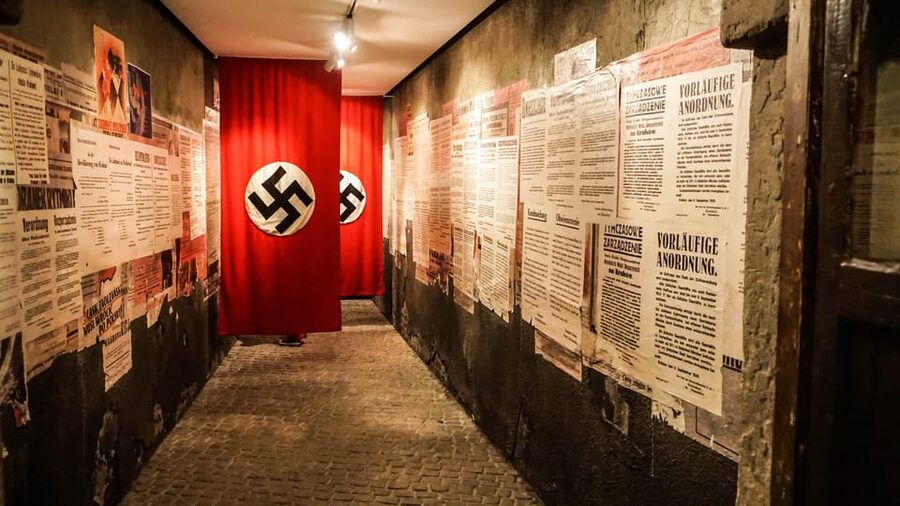
The museum’s subject is difficult, and the presentation is intentionally serious. You will encounter accounts of war, persecution, fear, and the breakdown of ordinary life.
That does not mean every moment is bleak or inaccessible. The personal stories give the visit a human scale, while Schindler’s actions offer an example of help and resistance within a brutal system. Still, you should choose this visit when you have the patience and attention for it.
I would not pair it with a hurried lunch appointment or place it at the very end of a packed day. The museum may take less than a full day, but its effect can last longer than the visit itself.
The right mindset is simple: come to understand, not just to take photographs. Cameras are allowed, but flash photography is not. You will also need to leave backpacks at home or follow the museum’s storage rules, since backpacks are not allowed inside.
Wear comfortable shoes. No walking route or visit length is specified, but a museum with multiple displays is easier to handle when you are not distracted by uncomfortable footwear.
Practical limits before you book
The museum is closed on the first Monday of every month. Last admission is 90 minutes before closing, so do not arrive at the end of the day assuming you can enter right away.
The experience is not suitable for wheelchair users according to the supplied access information. If accessibility is important for your visit, contact the provider or museum before booking rather than relying on the standard ticket details.
Cancellation is flexible: you can cancel up to 24 hours in advance for a full refund. The reserve-now-and-pay-later option also lets you hold a place without paying immediately, which is useful if your Kraków plans are still changing.
The booking is listed as a small-group activity, with a limit of one participant in the supplied details. Since that wording may not describe a normal shared group, confirm the final arrangement if the group format matters to you.
Who will get the most from this visit
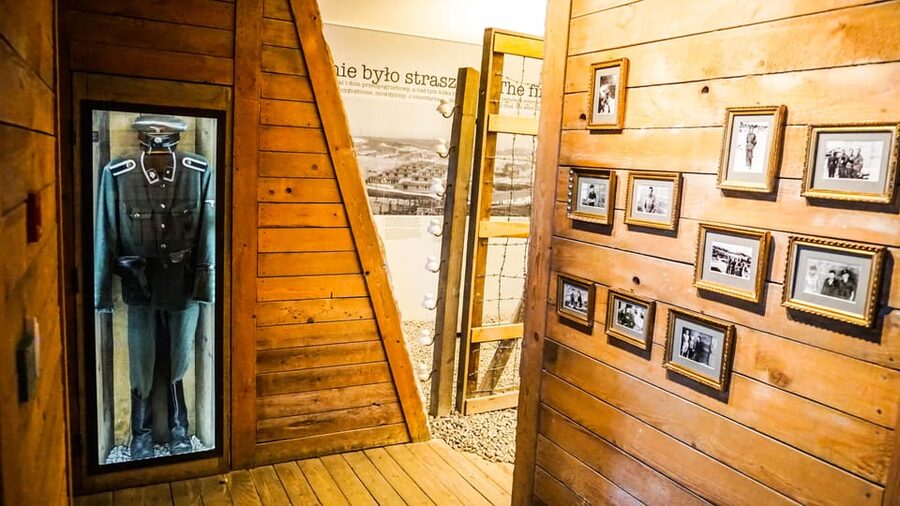
I would recommend Schindler’s Factory to you if you want a serious look at Kraków during the Nazi occupation rather than a quick monument stop. It suits people who value personal accounts and visual evidence as much as famous names.
It is also a strong choice if you have seen Schindler’s List and want more historical context. The museum can help you place Schindler’s actions within the wider story of the city and its residents.
Families with older children may find the material meaningful, though the subject is not light. Younger children may struggle with the tone and content. The supplied information does not give an age recommendation, so use your judgment based on your child’s comfort with wartime history and persecution.
Choose the guide if you want the displays explained as you move through them or if you worry that the context may be hard to follow. Choose the independent ticket if you prefer silence, reading, and setting your own pace.
Do not book it mainly because the word factory sounds like a promise of original machinery. The museum is valuable for its historical exhibits, not because it recreates a working industrial site.
Should you book Schindler’s Factory?
Book it if you want a moving, carefully presented account of Kraków under Nazi occupation, with personal stories at its center and a direct connection to Oskar Schindler’s office.
The $9 entry price is fair, especially when avoiding a ticket queue matters. The optional guide may add useful context, but check the meeting details carefully, since one person had trouble finding the guide. Also confirm the package if you want the 39-museum option.
Skip it if you want a preserved factory floor, a light sightseeing stop, or an attraction suited to a rushed schedule. For the right visitor, this is one of Kraków’s more meaningful museum experiences, but you should arrive prepared for difficult material and give it enough time.
FAQ
How much does entry to Schindler’s Factory cost?
The listed price is $9 per person. An option that includes entry to 39 museums may also be available, so check which package you select.
How long is the ticket valid?
The ticket is valid for one day. Starting times depend on availability when you book.
Is a guided tour included?
A professional guide is available as an optional upgrade. The basic entry ticket does not automatically include the guided option.
What will I see inside Schindler’s Factory?
You will see exhibitions about Kraków during the Nazi occupation, personal stories of local residents, multimedia displays, photographs, preserved objects, Schindler’s personal office, and the Ark of the Saved.
Is this a tour of the original factory?
The visit is primarily a museum experience. You should expect historical exhibits, relics, films, and photographs rather than a factory preserved in its original working condition.
Can I take photographs?
Photography is allowed, but flash photography is not permitted.
When is the museum closed?
The museum is closed on the first Monday of every month. Last admission is 90 minutes before closing.
Just added around Krakow
- Private Guided Tour: Oskar Schindler’s Factory★ 5.0 · 3 reviews
- E-Scooter Krakow sightseeing tour★ 5.0 · 3 reviews
- From Krakow: Zakopane and Thermal Pools Guided Trip★ 5.0 · 3 reviews
- Schindler’s Factory, Ghetto and Plaszow Camp Guided Tour★ 4.7 · 3 reviews
- Kraków: Private Hot Air Balloon Flight with Champagne★ 3.7 · 3 reviews
- Krakow: River Cruise & Guided Visit to Former Plaszow Camp★ 3.6 · 3 reviews
- From Krakow: Private Wieliczka Salt Mine Tour★ 4.0 · 3 reviews
- Krakow: Old Town short walk with St. Mary’s Basilica visit★ 5.0 · 3 reviews
Schindler's Factory Tours, compared.

Oskar Schindler’s Factory Entry Ticket & Guided Tour
Read our review →
Schindler’s Factory Tour with Entrance Ticket
Read our review →
Schindler’s Factory Tour with Entrance Ticket
Read our review →
Schindler’s Factory in Krakow: Guided Tour & Skip the Line Ticket
Read our review →

Schindler’s Factory Ticket with Guided Tour Option
Read our review →
Krakow Schindler’s Factory Guided Tour with Admission Ticket
Read our review →Browse the lists this tour appears in