
Reviewed · SCHINDLER'S FACTORY TOURS
Krakow: Schindler’s Factory Guided Tour with Entry Ticket
The most moving part of this visit is that Schindler’s Factory is not a film museum. It uses the former enamel works to tell the wider story of Krakow under Nazi occupation, then brings you to Oskar Schindler and the Jewish workers whose lives he helped save. You see photographs, documents, film, sound, and personal objects rather than Hollywood sets.
I like two things especially: the guide gives you the local Polish and Jewish story before focusing on Schindler, and the ticket lets you skip the ticket line. The main drawback is pace. The rooms can be narrow and noisy, so a large group may have trouble hearing every word or stopping to read each display.
In This Review
- Key points to know before booking
- What the former enamel factory actually tells you
- The Krakow ghetto and Płaszów sections
- Oskar Schindler and the 1,200 people he helped
- Why the guided format is worth paying for
- Sound, film, and the feel of the museum
- Planning the visit at ul. Lipowa 4
- Who will get the most from this tour
- Is $25 good value?
- Should you book Schindler’s Factory?
- FAQ
- Where does the Schindler’s Factory tour begin?
- How long does the tour last?
- What language is the tour in?
- Is the museum entry ticket included?
- Does the tour include food or drinks?
- Can I skip the ticket line?
- What should I bring?
- Is the tour suitable for wheelchair users?
Key points to know before booking
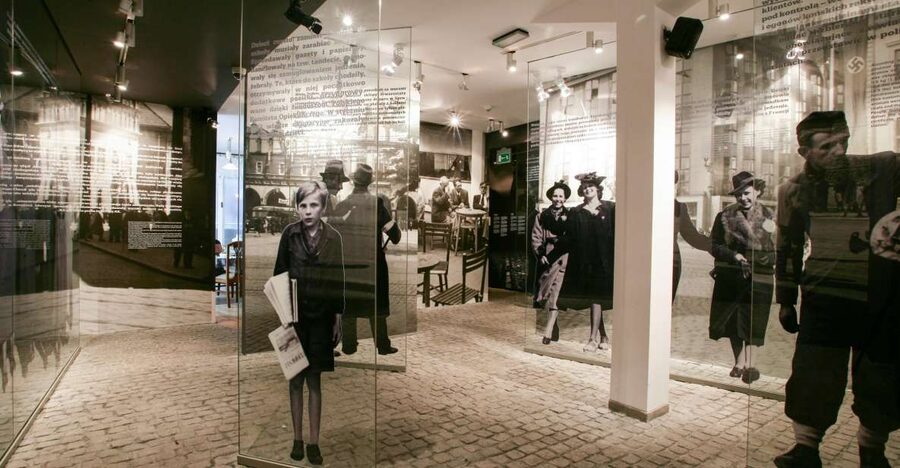
- About 100 minutes inside the original factory: The visit follows a fixed guided route through the permanent exhibition.
- Krakow comes before Schindler: You learn about Polish and Jewish life before the war, Nazi rule, the ghetto, and Płaszów.
- A strong English-speaking guide matters: Guides such as Kamil, Ava, Ewa, Michael, Eva, and Joanna have led tours praised for clear English and a serious grasp of the subject.
- Not a movie set: The museum explains the real events behind Schindler’s List, but you should not expect to walk through Spielberg’s filming locations.
- The museum can be crowded: Bring patience, and if permitted, use your own headset for clearer sound in busy rooms.
- The $25 ticket can save time: Entry is included, and the skip-the-line feature is useful when advance tickets are limited.
What the former enamel factory actually tells you
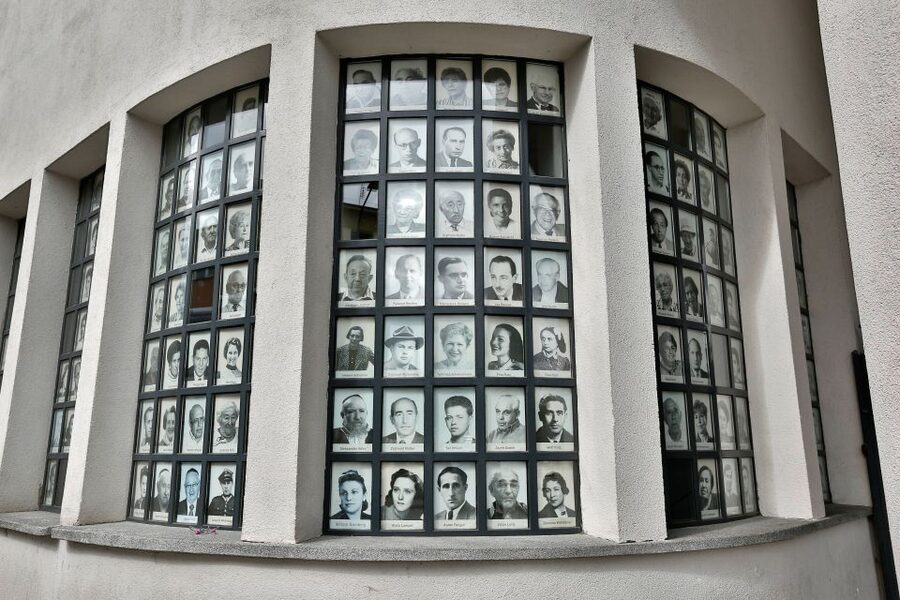
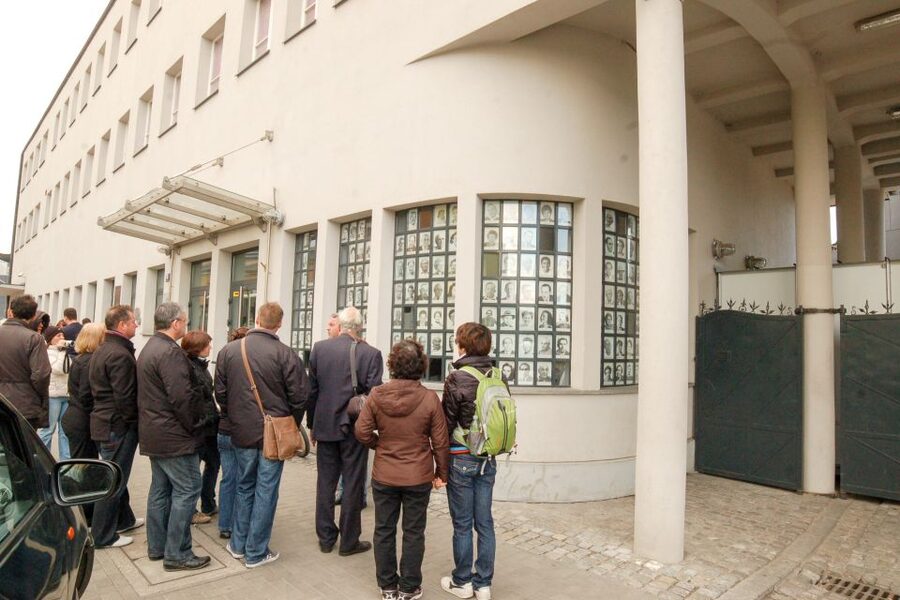
Oskar Schindler’s factory opened to the public as a museum in June 2010, after years of preparation. It is located at ul. Lipowa 4, in the original enamel goods factory associated with Schindler.
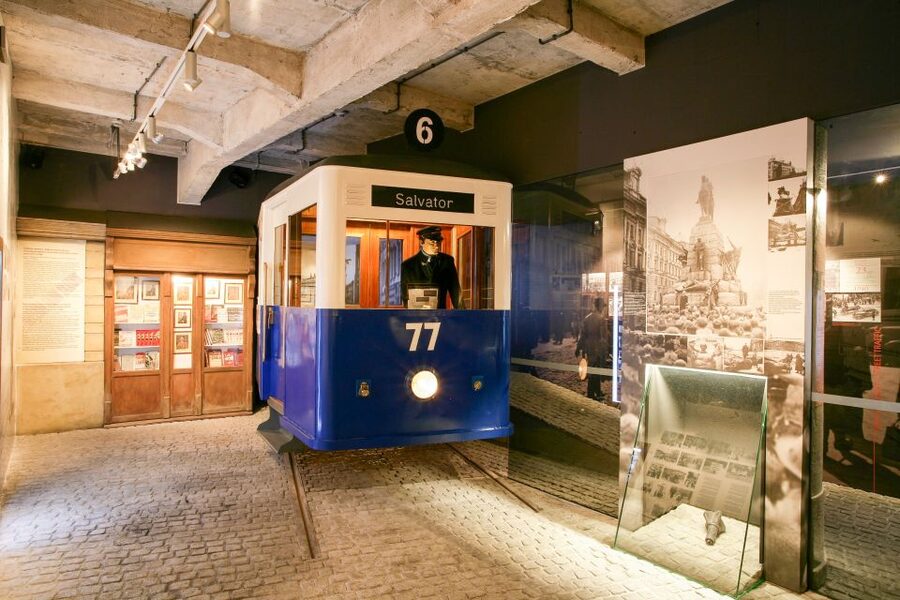
That setting gives the visit its emotional starting point, but the building is only part of the story. The main permanent exhibition, Kraków Under Nazi Occupation 1939 to 1945, explains how war altered the city and its people step by step.
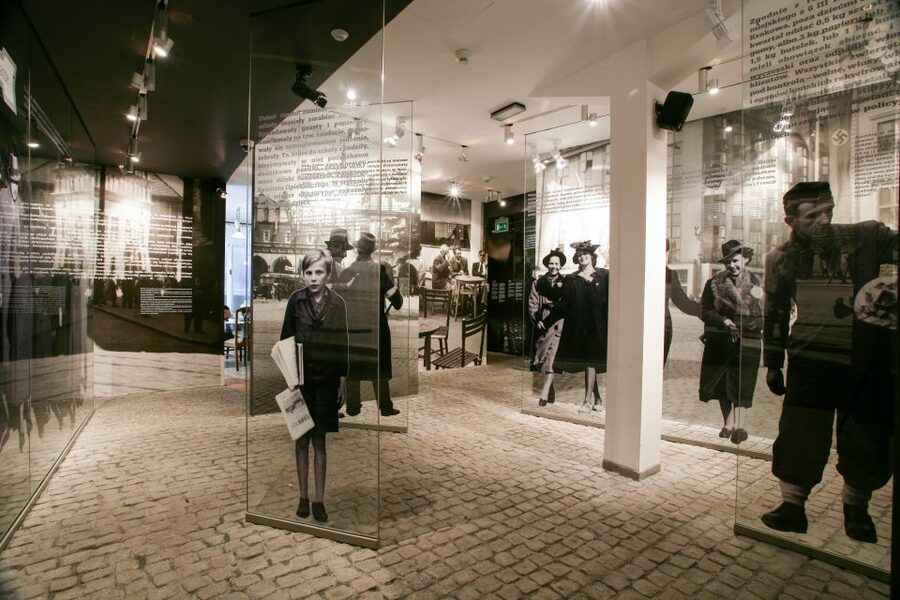
You begin with Krakow before the German invasion. This matters because the exhibition does not treat the war as an isolated event. It introduces the city’s Polish and Jewish communities, their daily lives, and the relationship between them before the occupation.
The route then moves into the first months of Nazi rule. You see how quickly public life, work, identity, and movement were controlled. The exhibition uses photographs and written records to make the changes specific rather than presenting WWII as a list of dates.
I find this opening section useful because it gives you a local frame. If you have already read about the war in Europe, you may know the broad events. Here, you see how those events affected Krakow itself.
More Schindler's Factory visits:
- Krakow: Oskar Schindler’s Factory Entry Ticket & Guided Tour
★ 4.2 · 3,793 reviews - Krakow: Schindler’s Factory Tour with Entrance Ticket
★ 4.5 · 3,182 reviews - Krakow: Schindler’s Factory Skip-the-Line Ticket
★ 4.4 · 3,105 reviews
The Krakow ghetto and Płaszów sections
The exhibition then follows the destruction of Jewish life in Krakow. The history of the ghetto is central, and the displays include photographs, documents, recorded material, and personal accounts.
This is one of the most serious parts of the tour. You are not simply shown objects and left to guess at their meaning. The guide explains what happened and places individual stories within the wider system of Nazi occupation.
The route also covers Płaszów Concentration Camp. The guide connects the camp to the ghetto and explains how the persecution developed over time. That link is important, since Schindler’s actions make little sense without the conditions around him.
A strong guide helps here. The best tour leaders keep the facts clear while allowing the subject to retain its weight. Past guides named Kamil, Kate, Ava, Michael, Ewa, Eva, and Joanna have been noted for fluent English, strong preparation, and a personal interest in the subject. Your guide may be someone else, but the experience depends heavily on who leads the group.
The narrow rooms create a practical problem. If the group is large, you may need to stand close to hear the explanation. One guide may speak quickly in order to keep the route moving, leaving less time to read every caption or study each photograph.
Oskar Schindler and the 1,200 people he helped
Only after the wider wartime story does the tour focus closely on Schindler. This is a smart choice. It prevents the visit from turning him into a lone movie hero detached from the people and events around him.
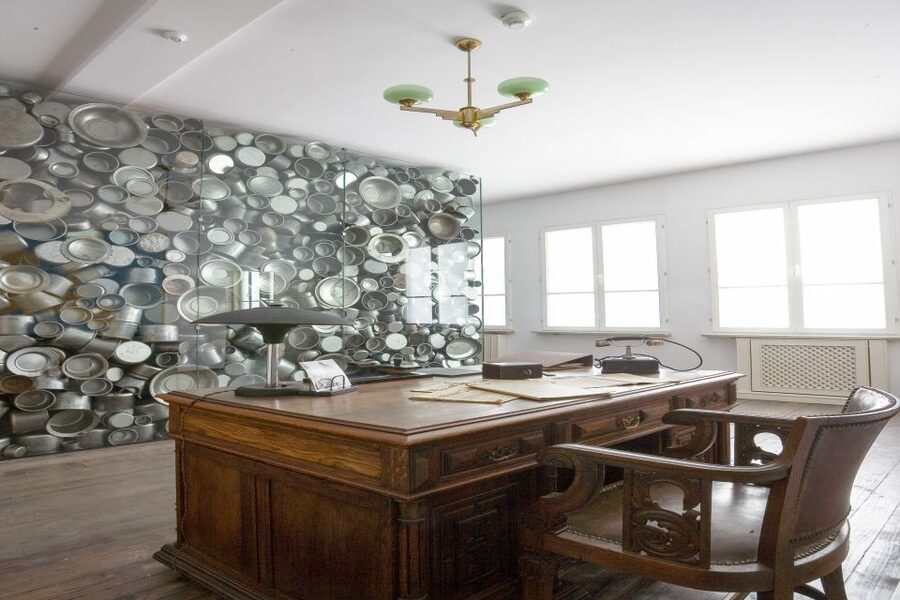
You learn about the German industrialist who employed Jewish workers in his enamel factory and eventually used his position to protect them. The museum presents memories and mementoes connected with Schindler, along with the story of the approximately 1,200 Jews whose lives he helped save.
The exhibition also gives you a chance to consider Schindler as a complicated historical figure. The film made his story known around the world, but the museum deals with the real person and the people affected by his choices.
If you arrive mainly because you loved Schindler’s List, adjust your expectations. You will not see a recreated film set or a simple replay of the movie. Instead, you get the setting and historical record behind the story, with much more attention to Krakow’s Jewish population and the occupation as a whole.
That broader approach is one of the tour’s strengths. It turns a familiar film story into a lesson about ordinary people, forced displacement, work, fear, survival, and moral choices.
Why the guided format is worth paying for
Entry costs about $25 per person, including the museum ticket and an English-speaking professional guide when you select the guided option. I consider that fair value if you have only a short time in Krakow or want the exhibition explained in a clear order.
The museum contains enough material to occupy you for several hours. A self-guided visit gives you freedom to stop at every photograph and document, but it also requires more time and attention. With a guide, you get the main framework in roughly 100 minutes.
The guide also points out links that are easy to miss when you walk alone. Krakow’s prewar community, the first months of Nazi occupation, the ghetto, Płaszów, and Schindler’s workers are connected into one narrative instead of separate display rooms.
I would choose the guide if you are visiting before Auschwitz-Birkenau. The factory museum does not replace Auschwitz, but it gives you an introduction to how Krakow experienced the war and how persecution developed in the city. It can help you approach a later camp visit with more local context.
The tradeoff is control. You may want to stop and read every panel, while the guide needs to keep the group together. Some parts can feel rushed, especially near the later displays about the ghetto and the people Schindler saved.
A few more Krakow trips worth comparing
- Krakow to Auschwitz Birkenau Guided Tour with Transfer and Ticket
★ 5.0 · 8,197 reviews - Krakow: Wieliczka Salt Mine Fast-Track Ticket & Guided Tour
★ 4.5 · 5,872 reviews - Auschwitz Birkenau Guided Tour with Ticket Hotel Pickup Small Van
★ 5.0 · 4,769 reviews - From Krakow: Wieliczka Salt Mine Tour & Skip the Line Ticket
★ 4.4 · 3,925 reviews
Sound, film, and the feel of the museum
This is not a quiet room full of glass cases. Film and sound are part of the exhibition, and the design aims to put you inside the story of occupied Krakow without turning it into entertainment.
That presentation can be powerful, but it also creates a hearing problem. Busy rooms and lifelike sound effects may make it hard to catch every sentence. A previous visitor suggested bringing your own headset because the supplied audio equipment may be basic and work in mono.
Take that advice as a practical precaution, not a guarantee that you will need special equipment. You should also stay close to the guide when the group enters a noisy room. If you miss a section, ask for it to be repeated when the group stops.
The museum is relatively small in some areas, with narrow passages and tight exhibition spaces. Families and larger groups should expect people to stand close together. One family with children aged 14, 16, and 20 found the content useful, but the guide’s pace and the noise affected how easily they heard everything.
This is serious material, so the setting is not designed for a light afternoon outing. I would avoid placing it immediately after a packed schedule of cheerful sightseeing. Give yourself some quiet time afterward.
Planning the visit at ul. Lipowa 4
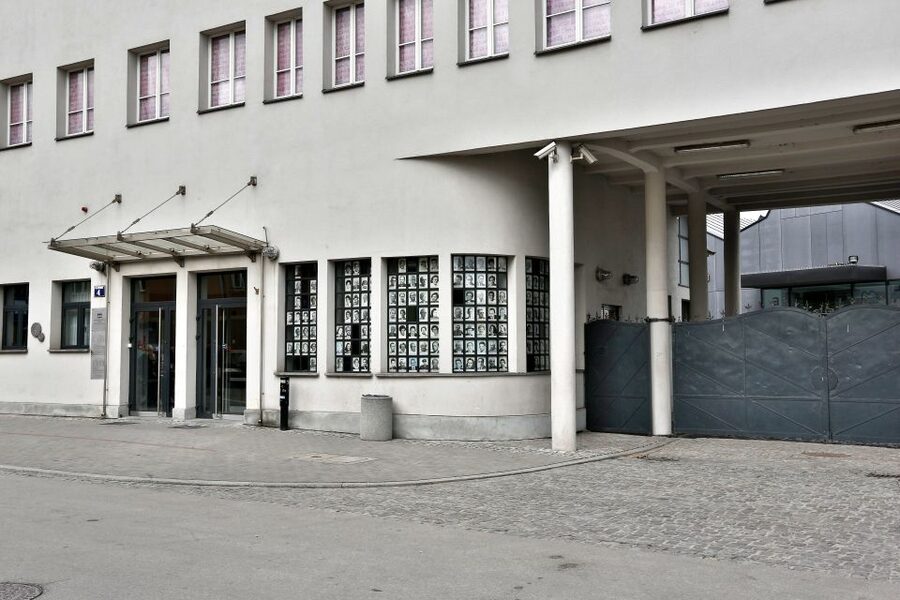
Meet in front of the entrance to Schindler’s Factory Museum at ul. Lipowa 4. The tour returns to the same location, so you do not need to arrange a separate pickup or transport between stops.
The scheduled visit lasts 100 minutes. The description also allows for a tour of about 90 minutes, so plan on roughly an hour and a half to one hour and forty minutes rather than treating the timing as exact.
Bring a passport or ID card. Food and drinks are not included, so deal with those before or after the visit rather than expecting refreshments as part of the tour.
The skip-the-ticket-line feature is useful here. Advance entry can be limited, and queues may be long. Booking ahead is especially sensible if the museum is a priority during a short Krakow stay.
You can cancel up to 24 hours before the activity for a full refund, and the reserve now, pay later option keeps your plans flexible. Check the departure time when booking because the tour has set starting times and availability changes.
The experience is listed as not suitable for wheelchair users. One past group described a guide patiently assisting a person using a wheelchair, but you should not assume that this means the route is fully accessible. Ask the provider before booking if access is important for you.
Who will get the most from this tour
I would recommend this visit to anyone interested in WWII, Jewish history, Polish history, or the real events behind Schindler’s List. It suits first-time visitors to Krakow who want a clear explanation of what happened in the city between the German invasion and the arrival of the Soviet Army in 1945.
It is also a good choice for families with older children and teenagers. The subject is difficult, but the exhibition uses photographs, films, documents, and personal stories to hold attention better than a wall of dates would.
You will get the most from it if you listen actively and accept that you cannot read everything during the guided route. If you are a museum reader who wants to examine every document at your own pace, plan extra time afterward if the rules and opening hours allow it.
The experience is less suitable if you expect the factory itself to be the main attraction. Much of the visit concerns Krakow and its inhabitants rather than Schindler’s industrial work. That is not a flaw, but it is an important distinction.
Is $25 good value?
At $25, the price is reasonable for a prebooked museum entry and a 100-minute English-language tour. The value comes less from the building itself than from the guide’s ability to explain a dense exhibition in a short visit.
A self-guided visit may suit you better if you have several hours, prefer silence, or want to read every item. The paid guide is the better choice if you have limited time, want historical context, or are visiting Krakow before Auschwitz-Birkenau.
The guide quality appears to be the strongest part of the experience. Guides have been praised for clear English, passion, patience, and the ability to answer questions. The occasional weakness is speed, especially when rooms are crowded.
For a first visit, I would pay the extra amount for the guided option. You can always return later for a slower look if the exhibition leaves you wanting more.
Should you book Schindler’s Factory?
Yes, if you want the real wartime story behind the famous film and a focused introduction to Krakow under Nazi occupation. The tour gives you Schindler, but it also gives you the city’s Polish and Jewish communities, the ghetto, Płaszów, and the wider human cost of the war.
Book it if your schedule is tight, since the guide helps you cover a large amount of material in about 100 minutes and the ticket can bypass the line. Choose a self-guided visit instead if you need a slower pace or have difficulty hearing in crowded spaces.
For most people interested in Krakow’s WWII past, the guided tour is worth the $25. Go with a respectful frame of mind, stay near the guide, and leave time afterward to think about what you have seen.
FAQ
Where does the Schindler’s Factory tour begin?
Meet in front of the entrance to Schindler’s Factory Museum at ul. Lipowa 4 in Krakow.
How long does the tour last?
The scheduled activity lasts 100 minutes. The guided museum visit may run for about 90 minutes, depending on the group and the route.
What language is the tour in?
The live guided tour is conducted in English.
Is the museum entry ticket included?
Yes. Entrance tickets are included with the activity, along with a professional guide when the guided option is selected.
Does the tour include food or drinks?
No. Food and drinks are not included.
Can I skip the ticket line?
Yes. The activity includes a skip-the-ticket-line feature.
What should I bring?
Bring a passport or ID card.
Is the tour suitable for wheelchair users?
The activity is listed as not suitable for wheelchair users. Contact the provider before booking if you need accessible arrangements.
Just added around Krakow
- Private Guided Tour: Oskar Schindler’s Factory★ 5.0 · 3 reviews
- E-Scooter Krakow sightseeing tour★ 5.0 · 3 reviews
- From Krakow: Zakopane and Thermal Pools Guided Trip★ 5.0 · 3 reviews
- Schindler’s Factory, Ghetto and Plaszow Camp Guided Tour★ 4.7 · 3 reviews
- Kraków: Private Hot Air Balloon Flight with Champagne★ 3.7 · 3 reviews
- Krakow: River Cruise & Guided Visit to Former Plaszow Camp★ 3.6 · 3 reviews
- From Krakow: Private Wieliczka Salt Mine Tour★ 4.0 · 3 reviews
- Krakow: Old Town short walk with St. Mary’s Basilica visit★ 5.0 · 3 reviews
Schindler's Factory Tours, compared.

Oskar Schindler’s Factory Entry Ticket & Guided Tour
Read our review →
Schindler’s Factory Tour with Entrance Ticket
Read our review →
Schindler’s Factory Tour with Entrance Ticket
Read our review →
Schindler’s Factory in Krakow: Guided Tour & Skip the Line Ticket
Read our review →

Schindler’s Factory Ticket with Guided Tour Option
Read our review →
Krakow Schindler’s Factory Guided Tour with Admission Ticket
Read our review →Browse the lists this tour appears in