
Reviewed · WIELICZKA SALT MINE TOURS
Krakow: Schindler’s Factory, Jewish Ghetto & Salt Mine Tour
Schindler’s Factory and the former Jewish Ghetto tell Krakow’s hardest wartime story, while Wieliczka Salt Mine offers a striking change of mood below ground. Putting both into one day gives you serious history and unusual scenery without arranging separate transport.
I like the small group of no more than 15 and the clear split between a guided Krakow morning and an independent mine visit. I also like that the route includes the Empty Chair Monument, the surviving ghetto wall, and Under the Eagle Pharmacy, not just the better-known museum.
The catch is the tightly fixed schedule. Schindler’s Factory does not admit late arrivals, and the seven-hour day gives you limited time to linger in either place. At $136 per person, this is convenient, but not the cheapest way to see Krakow.
In This Review
- Key points to know before booking
- Why this Krakow combination works
- Inside Schindler’s Factory Museum
- Walking Podgórze and the former Jewish Ghetto
- The transfer from Krakow to Wieliczka
- Walking the 700-year-old Wieliczka Salt Mine
- Is $136 a fair price?
- Who should book this seven-hour tour?
- FAQ
- How long does the tour last?
- Where does the tour begin?
- Where does the tour end?
- Is transportation to Wieliczka included?
- Is the tour conducted in English?
- How large is the group?
- What happens if I arrive late at Schindler’s Factory?
- Are food and drinks included?
Key points to know before booking
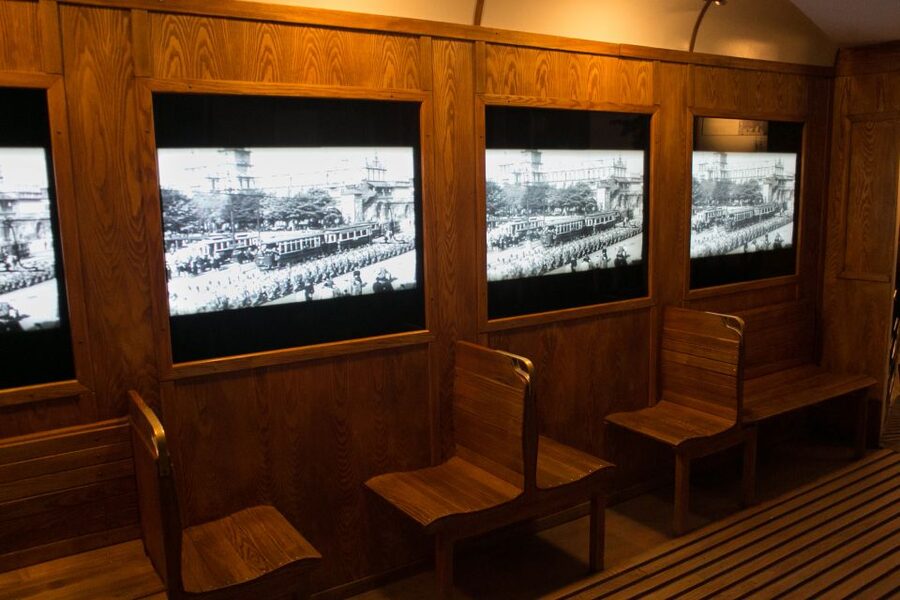
- Schindler’s Factory sets the tone: Begin with a museum guide inside the former enamel factory connected with Oskar Schindler and Schindler’s List.
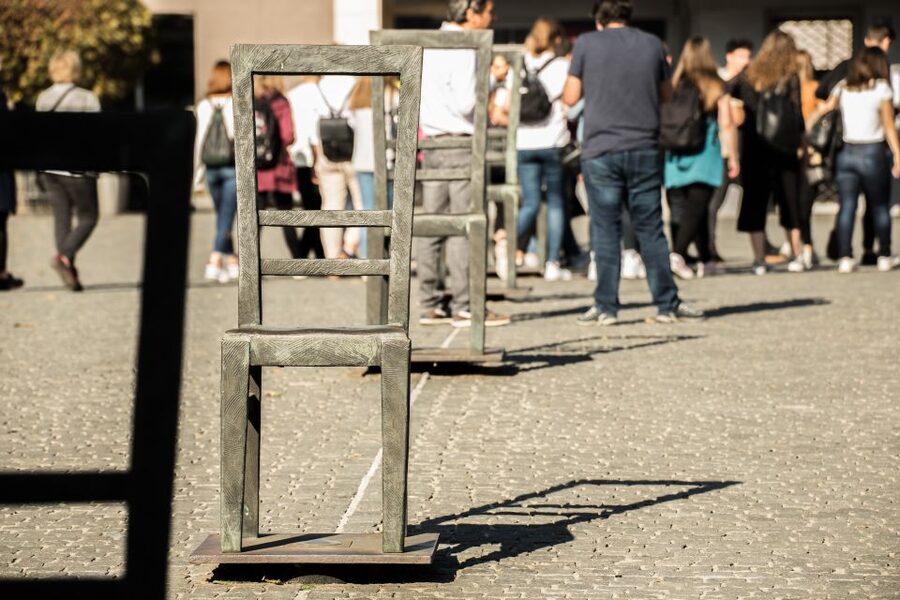
- Podgórze adds important context: Walk past a remaining section of the ghetto wall, former Jewish homes, Under the Eagle Pharmacy, and the 68 chairs at the Empty Chair Monument.
- Wieliczka changes the pace: After the wartime sites, explore a 700-year-old salt mine with 20 halls and more than 3 kilometers of underground route.
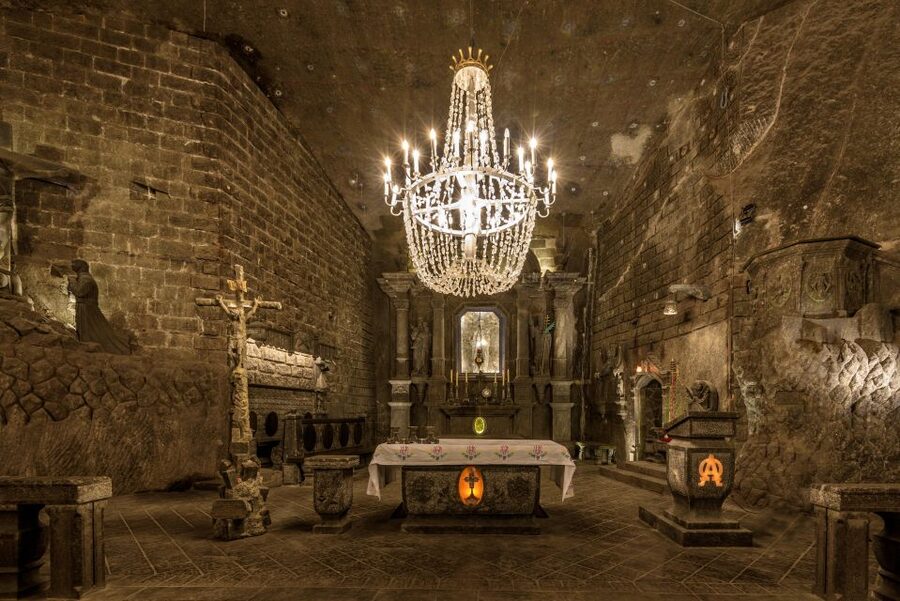
- St. Kinga’s Church is the visual high point: Salt-carved chandeliers, sculptures, and underground religious art make this chamber the mine’s grandest stop.
- The day is tightly managed: Transportation connects Krakow and Wieliczka, but punctuality matters, especially at the factory.
- The guide and driver matter: Expect English guiding at the museums, plus a return journey that may offer a central Krakow drop-off if the driver can accommodate it.
Why this Krakow combination works
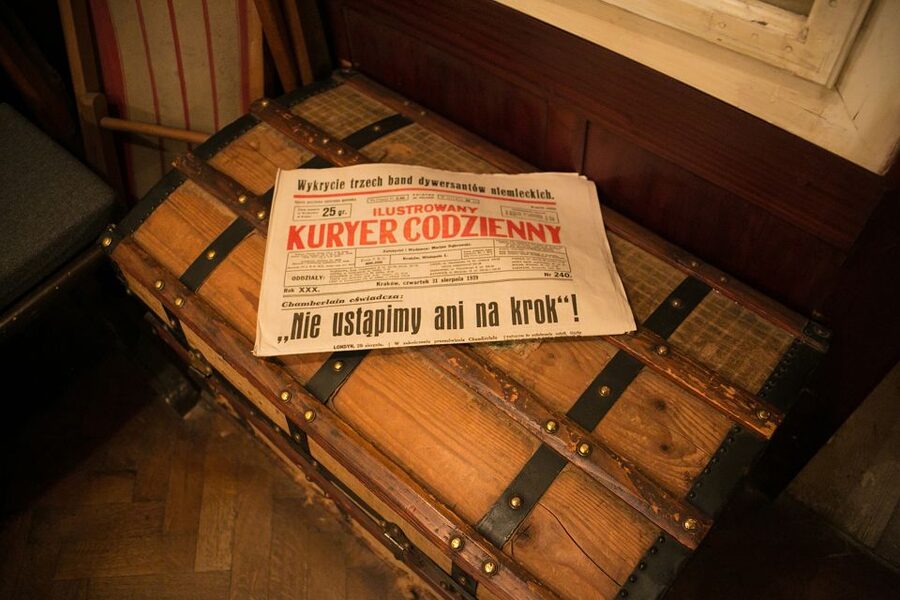
This tour links two places that feel very different but both explain Krakow unusually well. Schindler’s Factory and Podgórze focus on people caught in the Second World War. Wieliczka shows the labor, belief, and craft that shaped the region over centuries.
I like the contrast. You are not spending seven hours looking at similar exhibits or walking one long historic street. The first half asks you to pay attention to testimony and place. The second takes you underground, where salt miners carved working spaces, chapels, and sculptures from the rock.
The order also makes sense. The morning starts in Krakow, where the meeting point is directly in front of Oskar Schindler’s Enamel Factory Museum. Your English-speaking guide handles the museum visit and the Podgórze walk before transportation takes you to Wieliczka, about 10 kilometers from Krakow.
The group limit of 15 is useful here. A large crowd would make the ghetto walk harder to follow and could turn the museum visit into a shuffle from room to room. A small group should make it easier to hear the guide and stay together, though the fixed museum entry time still matters more than group size.
More Wieliczka Salt Mine trips:
- Krakow: Wieliczka Salt Mine Skip-the-Line Live Guided Tour
★ 4.5 · 462 reviews - From Krakow: Wieliczka Salt Mine Guided Tour
★ 4.4 · 323 reviews - From Krakow: Wieliczka Salt Mine Half-Day Trip with Pickup
★ 4.5 · 140 reviews
Inside Schindler’s Factory Museum
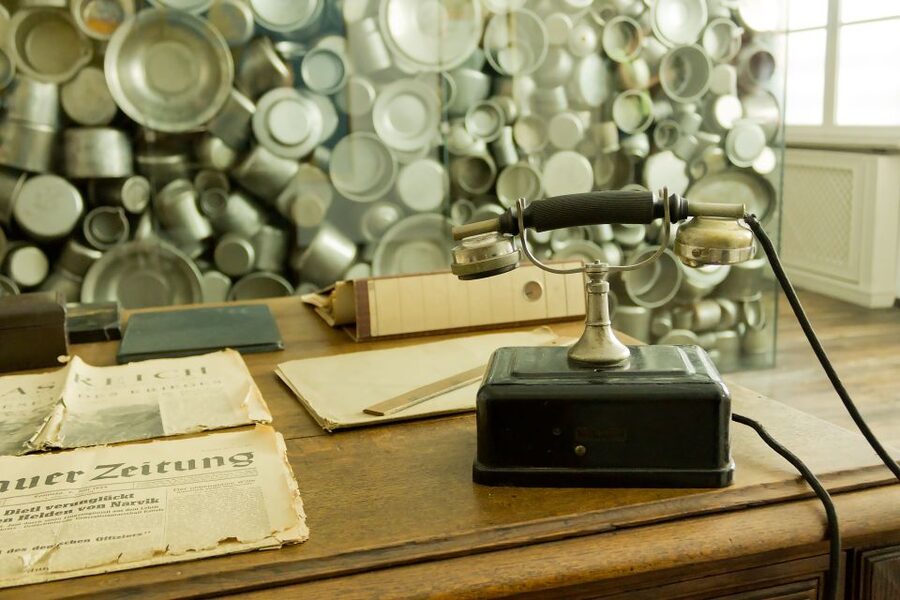
The factory is famous because of Oskar Schindler, the German entrepreneur portrayed in Steven Spielberg’s Oscar-winning film Schindler’s List. The important point is not simply that a film was made about the site. The museum visit connects Schindler’s business, the occupation, and the Jewish people he helped during the war.
Your museum guide leads this portion in English. That is valuable because the meaning of the building comes from its setting and story, not just its displays. Without context, a former factory can seem like another converted museum. With a guide, you can better understand why this particular place matters.
I would arrive early. The meeting point is in front of the museum entrance, and the guide carries an excursions.city sign. The museum does not accept late arrivals for this group entry. If you miss the appointed time, you will not be admitted and there is no return of the tour payment, so build in extra time for Krakow traffic and finding the entrance.
The museum visit is only one part of the morning, but it is likely to be the most concentrated section. You are dealing with wartime events, moral choices, and the fate of Krakow’s Jewish population. Give yourself a calm start rather than arriving rushed and distracted.
The guide is also one of the strongest reasons to choose this format. The experience includes a museum guide rather than only a driver handing you a ticket, and the guide is expected to explain the displays and their setting. If you have seen Schindler’s List, you may recognize the name and broad story, but the museum gives you a wider view than the film alone.
Walking Podgórze and the former Jewish Ghetto
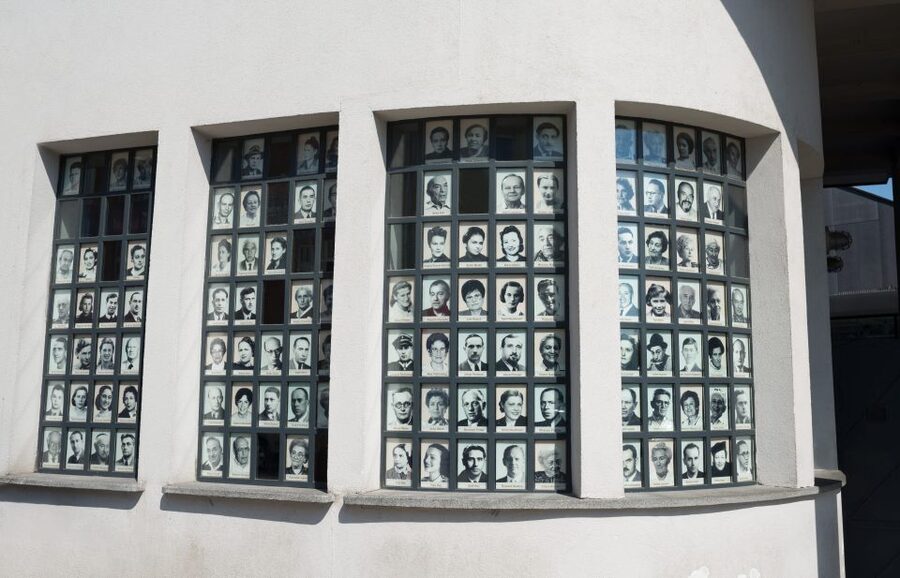
After the factory, the tour moves through Podgórze, the district where the Jewish Ghetto was established during the war. This is not a walk built around grand architecture. Its value comes from seeing ordinary streets and surviving traces of a brutal period.
You will see part of the undestroyed wall that surrounded the ghetto. That fragment is easy to underestimate. A small remaining section can make the boundaries of forced confinement more real than a paragraph in a museum panel.
The route also passes houses where thousands of displaced Jewish people once lived. The buildings are part of the modern city now, but the tour asks you to read them with the wartime story in mind. This is one reason a guided walk helps. The physical evidence is limited, and without explanation you could pass it without understanding what happened there.
Under the Eagle Pharmacy is another significant stop. The pharmacy operated during the occupation and is tied to the story of the ghetto. Its inclusion gives the walk a human scale, moving the subject away from dates and institutions and toward the places where people tried to work, help one another, and survive.
Then comes the Empty Chair Monument in Heroes’ Square. Its 68 chairs represent the Jewish people forced from their homes. The monument is simple and severe. It does not ask you to admire decoration. It asks you to notice absence.
I particularly like that the route includes this monument instead of treating Schindler’s Factory as the whole story. Schindler is an important figure, but the ghetto walk shifts attention back to the thousands of people affected by Nazi persecution. That makes the morning more balanced and more useful.
This section may feel emotionally heavy. The tour does not present the former ghetto as a picturesque old quarter. You should expect a reflective walk, not a light city stroll. Comfortable shoes help, but the larger preparation is mental: allow yourself time afterward if you need a quieter break before the mine visit.
The transfer from Krakow to Wieliczka
The second half begins with transportation to Wieliczka, a small town around 10 kilometers from Krakow. Round-trip transport is included, which is a real part of the tour’s value. You do not need to work out a separate connection after an intense morning or worry about finding the mine on your own.
The change of setting is useful, but it also creates the day’s main limitation. You are covering two major attractions in one seven-hour program. The transfer connects them efficiently, yet it means neither stop receives the leisurely pace of a full-day visit.
The return ends at the original Krakow meeting point. A practical extra mentioned for this experience is that the person handling the salt mine transportation may be willing to drop you elsewhere in central Krakow afterward. Treat that as a possible courtesy, not a guaranteed part of the published plan.
Food and drinks are not included. Plan around that. The tour is long enough that you may want something before departure, and the schedule may not leave much room for a proper meal between the historical sites and the mine. Since the exact starting time varies, check the selected departure when booking and organize your day around it.
More Schindler's Factory visits:
- Krakow: Schindler’s Factory, Jewish Ghetto & Salt Mine Tour
★ 5.0 · 3 reviews - Krakow: Oskar Schindler’s Factory Entry Ticket & Guided Tour
★ 4.2 · 3,793 reviews - Krakow: Schindler’s Factory Tour with Entrance Ticket
★ 4.5 · 3,182 reviews - Krakow: Schindler’s Factory Skip-the-Line Ticket
★ 4.4 · 3,105 reviews
Walking the 700-year-old Wieliczka Salt Mine
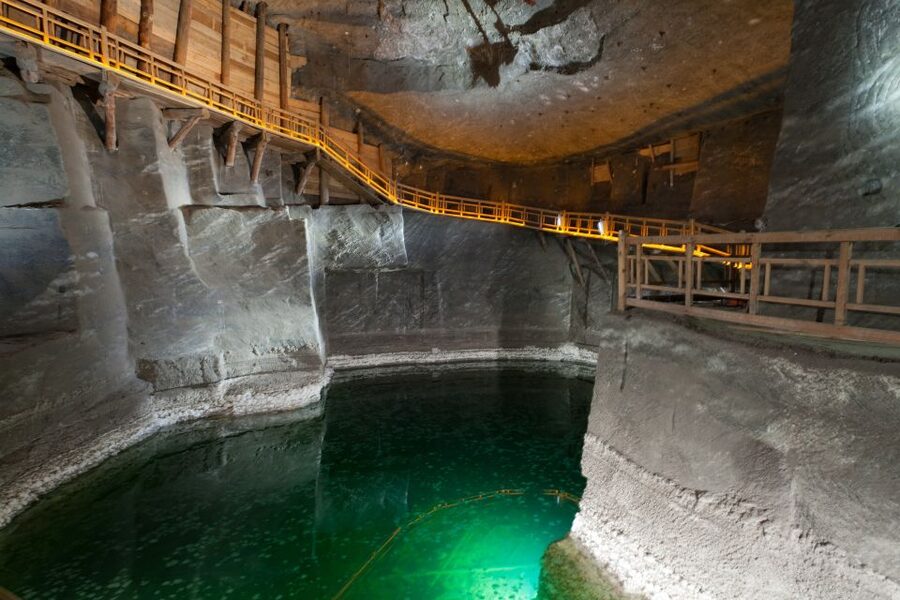
Wieliczka is the tour’s big change of scenery. The mine reaches 340 meters below ground, with a total network of corridors and tunnels extending more than 245 kilometers. You will not cover that full network. The route included here runs for more than 3 kilometers and visits 20 halls.
That distinction matters. The mine is enormous, but this experience gives you a selected public route rather than access to every passage. You still get a substantial underground walk, so do not think of this as a quick look at one cavern.
The mine visit is described as self-paced and without a guide, while museum guiding is included for Schindler’s Factory and Wieliczka Salt Mine. In practical terms, expect the mine portion to be less closely narrated than the morning. You can take in the chambers at your own pace, but you should not expect the same continuous personal commentary throughout the underground route.
The mine’s long working history gives the visit its appeal. Salt was not simply extracted and hauled away. Miners created chambers and underground spaces over generations, leaving behind a place that combines industry, religion, and sculpture.
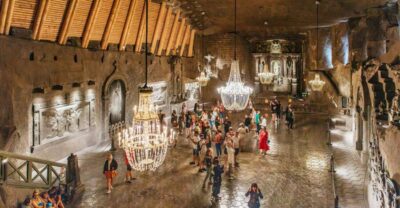
The most important chamber is St. Kinga’s Church, named for the patroness of miners. It is the largest hall on the route and the main visual reward of the mine visit. Its interior includes chandeliers and sculptures of saints carved from salt.
Look closely at the material. The point is not only that the church is underground. The carvings and fittings show how miners used the substance they worked with to make a place of worship. That connection between labor and faith gives the chamber more meaning than a simple novelty attraction.
The mine also has a special microclimate, and a sanatorium lies 135 meters below ground. The tour notes the curative qualities of the underground air, but you should view that as part of the mine’s character rather than a medical treatment included in your booking. The sanatorium is an interesting detail because it shows that the underground environment has uses beyond mining and sightseeing.
You will want sensible footwear for the route. More than 3 kilometers of corridors and halls can feel like a lot after the morning walk, especially if you are trying to hurry. The description does not provide a stair count or accessibility details, so ask the operator directly if mobility is a concern.
Is $136 a fair price?
At $136 per person, the price is on the high side for a day built around sites close to Krakow. You are paying for more than entrance tickets, though. The package includes admission to Schindler’s Factory Museum, admission to Wieliczka Salt Mine, museum guiding, and round-trip transportation between Krakow and Wieliczka.
The cost makes the most sense if you value one organized day with both tickets and transport handled. It also suits you if you would rather not compare public transport, reserve separate entries, and coordinate two attractions with strict timing.
It is less attractive if you already have your own way to Wieliczka or prefer long, independent visits. You could save money by arranging the sites separately, although that would require more planning and might not provide the same English-language guidance at the factory and mine.
The favorable points are clear: an informative English guide, a small group capped at 15, skip-the-ticket-line entry, and transport included. One practical bonus is the possibility of a central Krakow drop-off after the mine, though that depends on the driver and should not be the reason you book.
Free cancellation up to 24 hours before the tour and reserve-now, pay-later booking reduce the financial risk. Those policies are useful when your Krakow schedule is still moving, but they do not soften the main warning: missing the factory entry is costly because late arrivals are refused.
Who should book this seven-hour tour?
I would choose this for a first Krakow visit when you want two major sights in one day and prefer a guide to provide the wartime context. It is especially well suited to adults, students, and anyone interested in the Second World War, Jewish history, industrial heritage, or religious art.
It also works for people who like variety. The morning is urban and emotionally serious. The afternoon is underground, visual, and unusual. That contrast keeps the day from feeling repetitive.
I would hesitate if you want to spend hours reading every museum display or taking a slow, private walk through Podgórze. A seven-hour group tour has to keep moving. The mine visit is self-paced, but the overall schedule is still fixed by museum entries and transport.
Families should consider the tone and length. The subject matter at Schindler’s Factory and in the former ghetto can be difficult, while the mine route is long. The supplied information does not give an age recommendation, so parents should decide based on their children’s readiness for wartime history and underground walking.
Book it if convenience, context, and variety matter more to you than the lowest possible price. Skip it if you have plenty of time in Krakow and would rather split these places across separate days. For many people, the strongest reason to go is not just Schindler’s name or the salt mine’s famous church. It is the way the tour places human wartime history beside the physical world built by generations of miners.
FAQ
How long does the tour last?
The experience lasts seven hours. Starting times vary, so check availability for the date you want.
Where does the tour begin?
It begins in front of the entrance to Oskar Schindler’s Enamel Factory Museum. The guide waits with an excursions.city sign.
Where does the tour end?
The activity ends back at the original meeting point in Krakow. The transport provider may be willing to drop you elsewhere in central Krakow, but this is not guaranteed.
Is transportation to Wieliczka included?
Yes. Round-trip transportation between Krakow and Wieliczka is included.
Is the tour conducted in English?
Yes. The live tour guide and museum guiding are in English.
How large is the group?
This is a small-group tour limited to 15 participants.
What happens if I arrive late at Schindler’s Factory?
Schindler’s Factory Museum does not accept late arrivals for this group entry. If you miss the appointed time, you will not be admitted and the payment cannot be returned.
Are food and drinks included?
No. Food and drinks are not included in the tour price.
More Jewish Heritage Walks in Wieliczka
- Krakow: Schindler’s Factory & Ghetto Guided Tour
★ 4.7 · 1,694 reviews - Krakow: Jewish Quarter and Former Ghetto Tour
★ 4.9 · 1,441 reviews - Krakow: Bike Tour of Old Town, Jewish Quarter and the Ghetto
★ 4.9 · 1,155 reviews - Krakow: Kazimierz, Schindler’s Factory & Ghetto Guided Tour
★ 4.8 · 460 reviews
Just added around Wieliczka
- Krakow: Vistula River Cruise and Wieliczka Salt Mine Tour★ 4.6 · 3 reviews
- From Krakow: Wine Tasting at Vineyard★ 3.6 · 3 reviews
- Kraków: Street Food and Historical Adventure★ 4.8 · 3 reviews
- Krakow: Schindler’s Factory, Jewish Ghetto & Salt Mine Tour★ 5.0 · 3 reviews
- Winnica Wieliczka: Wine Tasting and Tour★ 5.0 · 4 reviews
- Krakow: River Cruise and Wieliczka Salt Mine Group Tour★ 3.9 · 5 reviews
- Kraków: Jewish Quarter, Auschwitz, And Salt Mine 3-Day Tour★ 4.8 · 5 reviews
- Krakow: Wieliczka Salt Mine Tour with Private Transfers★ 4.7 · 6 reviews
Wieliczka Salt Mine Tours, compared.

Wieliczka Salt Mine Guided Tour with Transport
Read our review →
Wieliczka Salt Mine Fast-Track Ticket & Guided Tour
Read our review →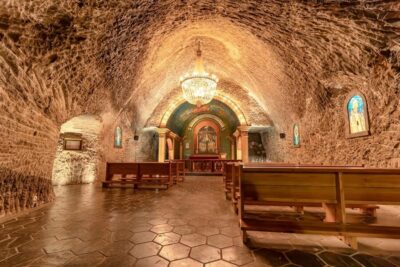
Wieliczka Salt Mine Tour & Skip the Line Ticket
Read our review →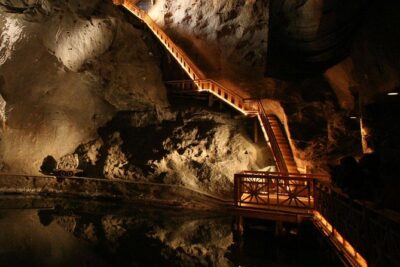
Krakow to Wieliczka: Salt Mine Guided Tour with Ticket & Transfer
Read our review →
Auschwitz-Birkenau & Salt Mine Full-Day Guided Tour
Read our review →
Auschwitz Birkenau and Wieliczka Salt Mine Guided Full Day Tour
Read our review →Browse the lists this tour appears in