
Reviewed · SCHINDLER'S FACTORY TOURS
Krakow: Schindler’s Factory Museum Guided Tour
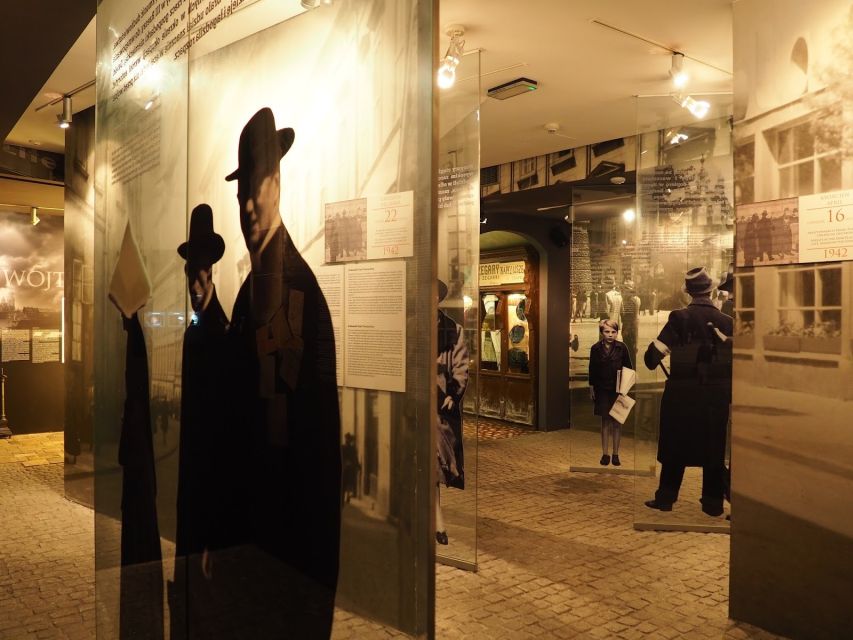
Oskar Schindler’s former enamel factory is now one of Krakow’s most powerful museums. Inside, you’ll follow the story of wartime Krakow through photographs, objects, recreated spaces, and personal accounts, including the Jewish people Schindler helped save during the Holocaust. The museum became famous worldwide after Schindler’s List, but the exhibition reaches well beyond the film.
I like the skip-the-line entry, which saves time at a popular museum, and the live English-speaking guide, who gives the exhibits a clear historical thread. The headsets help in the tight rooms, too. The main drawback is pace: 90 minutes gives you a strong overview, but not enough time to study every display or stop at each interactive station.
The factory sits in Zablocie, a short walk from the nearest tram stops at Zablocie and Plac Bohaterów Ghetta. Set aside extra time if you want to return on your own, since the guided route can feel crowded, especially when a group gathers around one small display.
In This Review
- Key points at a glance
- Why Schindler’s Factory matters beyond the movie
- Meeting at Lipowa 4 in Zablocie
- The first 30 minutes: Schindler and wartime Krakow
- The middle of the tour: photographs, objects, and personal stories
- Why the headsets help, and where they fall short
- The final part: Schindler’s legacy and the city’s wider story
- Is $45 a fair price for 90 minutes?
- Who should book this guided visit?
- Planning the visit around Krakow
- Final call: book it for context, not just Schindler
- FAQ
- Where does the Schindler’s Factory tour begin?
- How long does the guided visit last?
- What language is the tour offered in?
- Is admission to the museum included?
- Does the tour include skip-the-line access?
- Are headsets provided?
- Is the museum wheelchair accessible?
- How do I reach the museum by tram?
- Is parking available at the museum?
- Can I cancel for a full refund?
Key points at a glance
- Original enamel factory at Lipowa 4: Visit the building connected with Oskar Schindler and Krakow’s wartime industrial life.
- A story larger than the film: Learn about Schindler, saved Jews, Nazi officials, and the wider experience of Krakow during World War II.
- 90-minute guided visit: A professional local guide leads the tour in English and keeps the complicated story moving.
- Interactive exhibition rooms: Photographs, objects, and hands-on displays make the period feel immediate, though they need time to explore properly.
- Headsets included: You can hear the guide more clearly, but background sounds and narrow rooms may still cause problems.
- Wheelchair-accessible museum: The exhibition halls are accessible, and the tour includes skip-the-line entry.
Why Schindler’s Factory matters beyond the movie
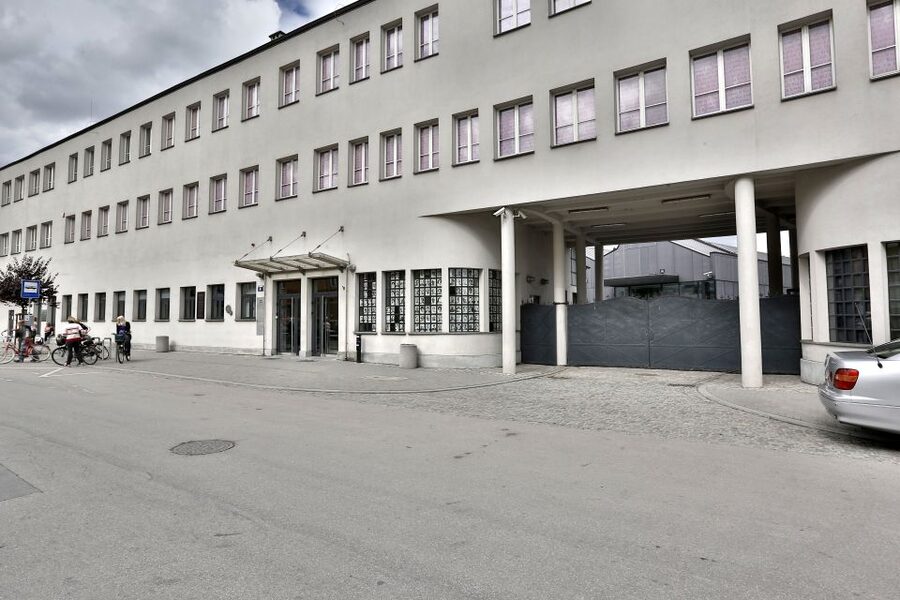
The starting point here is Oskar Schindler’s enamel factory, a real workplace in Krakow during World War II. Schindler is remembered for helping save more than 1,000 Jewish people, and the museum explains that story within the wider setting of wartime Krakow.
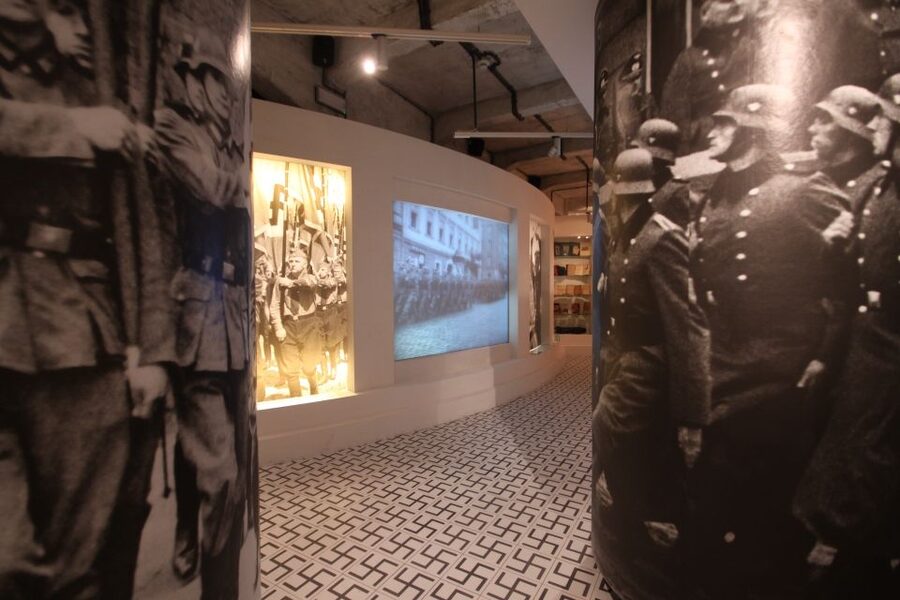
That wider setting is important. If you come expecting a museum devoted only to Schindler, you may be surprised by how much attention goes to the city, its residents, the occupation, and the machinery of Nazi rule. The exhibition also includes stories of people who were saved, as well as material about Nazi officers.
I like this approach because it keeps Schindler’s actions in context. His story is dramatic, but the museum is also about what happened to ordinary people in Krakow. The result is a more useful introduction to the period than a simple display about one well-known individual.
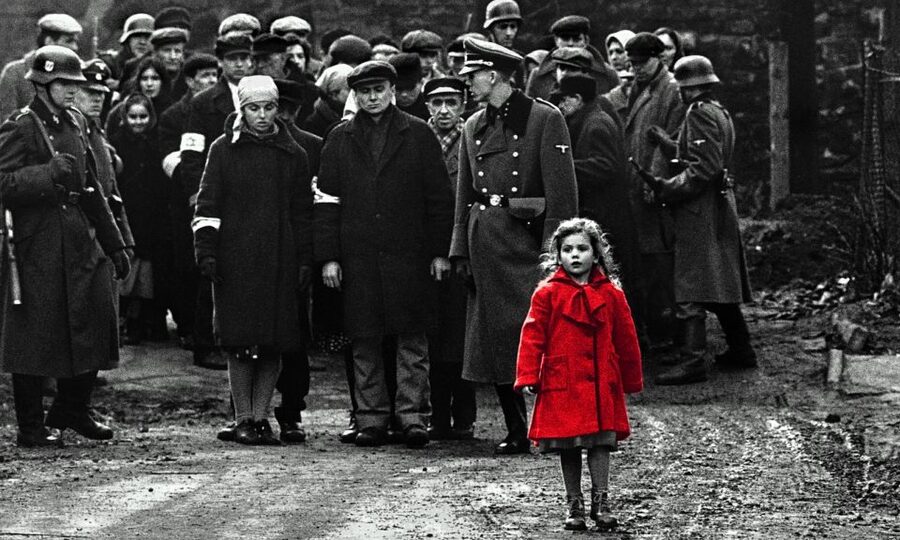
The film Schindler’s List brought visitors from around the world to this site. You may recognize the name and expect a film-focused presentation, but the museum’s purpose is broader. It uses the factory setting as an entry point into the city’s wartime experience.
More Schindler's Factory visits:
- Krakow: Oskar Schindler’s Factory Entry Ticket & Guided Tour
★ 4.2 · 3,793 reviews - Krakow: Schindler’s Factory Tour with Entrance Ticket
★ 4.5 · 3,182 reviews - Krakow: Schindler’s Factory Skip-the-Line Ticket
★ 4.4 · 3,105 reviews
Meeting at Lipowa 4 in Zablocie
The tour begins at the entrance to Schindler’s Factory at Lipowa 4, in Krakow’s Zablocie district. You meet the professional local guide there before entering the museum. Hotel pickup and drop-off are not included, so you need to make your own way to the meeting point.
The closest tram stops are Zablocie and Plac Bohaterów Ghetta. This makes public transport the practical choice. There is no museum car park, although parking is available on surrounding streets. I would not build a tight schedule around street parking, since the availability of spaces can vary.
The meeting point matters because timing confusion can spoil an otherwise good visit. One practical concern is that tour times can change, and the exact guide meeting arrangement needs attention when you book. Check the confirmed start time and arrive at the factory entrance with enough time to find the group.
The experience is offered in English. The guide’s name is not provided in the booking information, so you should not expect to choose a particular guide. What matters most is the guide’s ability to keep a group together and explain the material clearly in rooms that can be narrow.
The first 30 minutes: Schindler and wartime Krakow
The opening part of the visit introduces Oskar Schindler and the historical setting around him. Your guide explains how the factory fits into Krakow during World War II and why Schindler’s actions became so significant.
This is where a guide earns the admission price. On your own, you can look at photographs and objects, but the sequence of events may be difficult to follow. A good explanation helps you understand who was affected, how the occupation shaped daily life, and why Schindler’s factory became linked with the survival of so many Jewish people.
The guide also helps separate the historical person from the popular image created by the film. That is useful if Schindler’s List is your main reason for visiting. You will get Schindler’s story, but you will also learn about events and people that cannot be reduced to a movie plot.
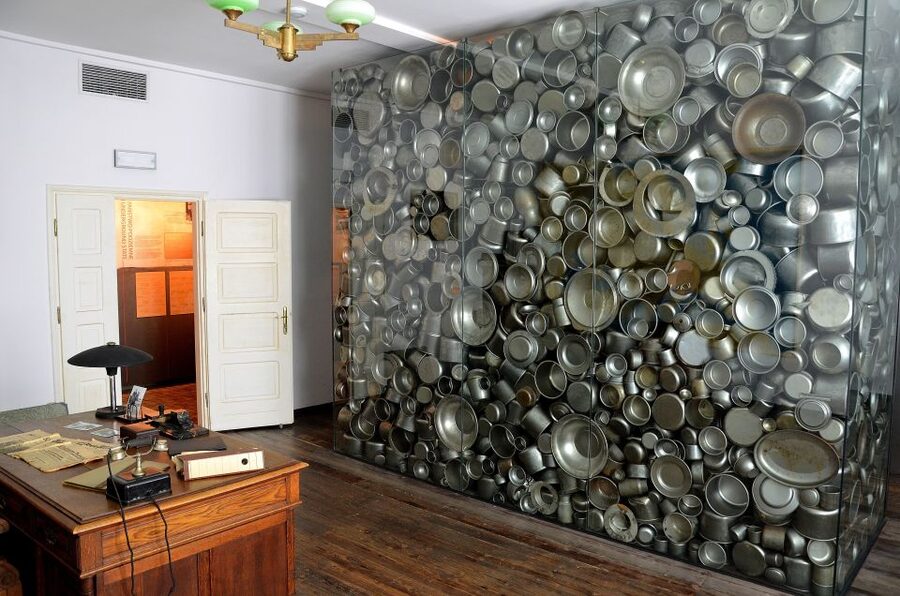
The exhibition does not treat the period as a distant series of dates. Photographs, objects, and displays show how the war reached into the lives of Krakow’s residents. I find this especially valuable for visitors who know the broad outline of the Holocaust but want a clearer connection to one particular city.
The middle of the tour: photographs, objects, and personal stories
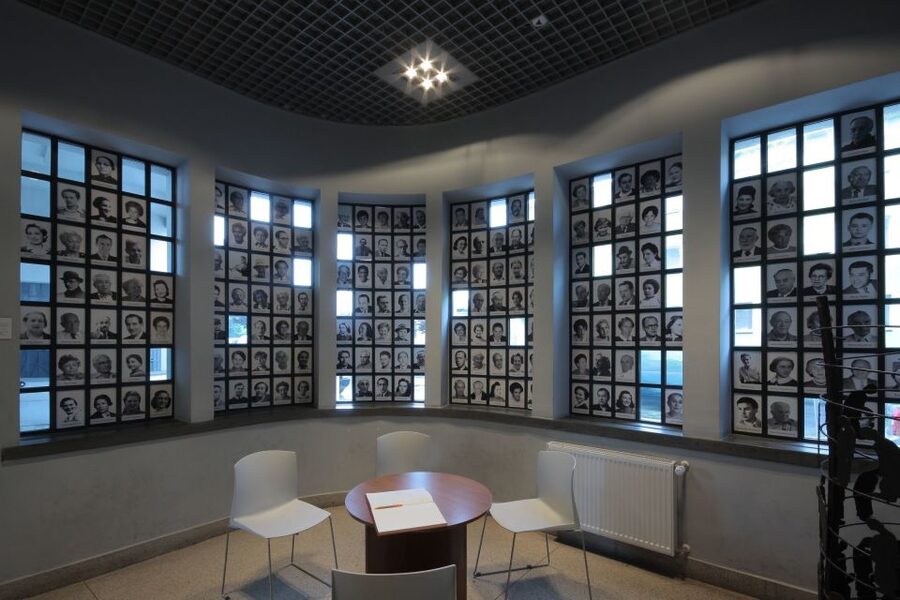
As you move through the museum, the exhibition combines historical photographs, physical objects, and interactive elements. These displays are designed to recreate the atmosphere of wartime Krakow and give you more than a conventional line of text on a wall.
The interactive features are a strength, but they create a timing problem. You might want to stop and examine one display, listen to an audio element, or study a photograph while the guide is already moving the group onward. On a 90-minute visit, you need to accept that this is an introduction, not a full museum study session.
The guide points out selected exhibits and explains why they matter. This keeps the visit focused, but it also means you will see only a portion of the detail. If you like reading every label or testing every interactive feature, the guided format may feel fast.
I recommend treating the first visit as a structured overview. Pay attention to the guide’s main points, then note which sections you want to revisit later. The museum gives you a much stronger framework when you already know the basic timeline.
More museums in Krakow:
- Auschwitz-Birkenau Museum and Memorial Guided Tour from Krakow
★ 4.5 · 1,510 reviews - Krakow: Rynek Underground Museum Guided Tour
★ 4.6 · 1,122 reviews - Krakow Schindler’s Factory Museum Guided Tour in English
★ 4.5 · 650 reviews - Krakow: Auschwitz Birkenau Museum Guided Tour with Pickup
★ 3.6 · 544 reviews
Why the headsets help, and where they fall short
Headsets are included so you can hear the guide clearly. That is useful in a museum where several groups may be moving through nearby spaces and where some exhibits create background noise.
Still, headsets cannot solve every problem. The factory’s internal layout can feel cramped, and you may be listening to the guide while trying to see a display in front of you. In tight areas, people passing through can block your view or interrupt your attention.
The best place in the group is usually close enough to see what the guide is indicating without standing directly in the middle of the room. If you have mobility concerns, ask the guide for a clear position and allow extra time between rooms.
The audio equipment is a practical advantage, not a guarantee of perfect listening conditions. Background sounds can remain distracting, especially when the guide is discussing a small object or photograph. I would keep the volume at a comfortable level and stay alert when the group changes rooms.
The final part: Schindler’s legacy and the city’s wider story
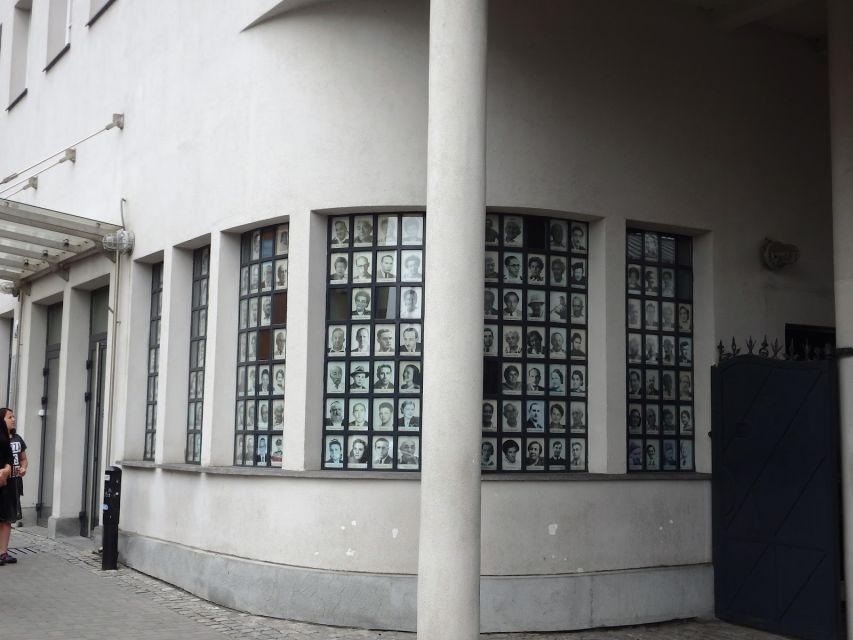
The later sections bring together Schindler’s rescue efforts and the broader human cost of the occupation. You will hear about saved Jewish people, but also about Nazi officials and the systems that made persecution possible.
This balance gives the museum its weight. Schindler’s courage is central, yet the visit does not suggest that one person’s actions explain everything that happened. You are shown a city under extreme pressure and the choices made by people with very different levels of power.
The museum’s setting adds meaning without turning the visit into a theatrical attraction. The factory is not simply a backdrop for the film. It is the place where Schindler worked and where the museum connects personal decisions with the history of Krakow.
By the end, you should have a clear sense of why the factory matters and how it fits into the city’s wartime story. You may not have read every panel, but you will have a useful map for understanding the exhibition if you return independently.
Is $45 a fair price for 90 minutes?
At $45 per person, this tour is not the cheapest way to enter a museum. The price includes admission, skip-the-line access, a professional local guide, and headsets. The value depends on how much help you want with the historical material.
I think the price makes the most sense for a first visit, especially if you have limited time in Krakow or prefer a clear explanation rather than reading the museum alone. Skip-the-line access also matters when the entrance is busy, since you spend your available sightseeing time inside rather than waiting.
The value is weaker if you want a slow, detailed examination of every interactive exhibit. The 90-minute route is fast-paced, and you may leave wishing for more time. In that case, you could see the guided visit as an orientation and plan a second museum visit at your own pace.
The tour also suits people who want to ask questions as they go. A guide can explain the meaning of an object or place it within the history of Krakow. That context is what you are paying for, not simply access to the building.
Who should book this guided visit?
I would choose this tour if you want a concise introduction to Schindler, the factory, and Krakow during World War II. It is a good fit for first-time visitors, people with only a short window in the city, and anyone who finds wartime history easier to follow with a guide.
It also works well if Schindler’s List led you here but you want more than film locations. The museum gives you the real historical setting and includes many stories beyond Schindler himself.
You may prefer independent entry if you read slowly, want to spend a long time with interactive exhibits, or dislike moving with a group. A second visit can be worthwhile because the displays contain far more detail than a 90-minute route can cover.
Families and younger visitors may appreciate the interactive format, but the subject is difficult and serious. The supplied information does not give a recommended minimum age, so parents should decide based on how their children handle Holocaust history.
The museum halls are wheelchair accessible, making this one of the more practical historic visits in Krakow for visitors with mobility needs. Pets are not allowed.
Planning the visit around Krakow
Place the tour in a day that includes Zablocie and the nearby area rather than treating the factory as a quick stop between distant sights. The nearest tram stops are Zablocie and Plac Bohaterów Ghetta, and public transport is likely simpler than searching for a street parking space.
Allow more than the official 1.5 hours if you want to pause before or after the tour. The guided portion is fixed, but your overall visit can be more relaxed if you do not schedule another attraction immediately afterward.
Since the museum can feel tight inside, avoid carrying more than you need. A small bag and comfortable shoes will make it easier to stay with the group and move through narrow areas.
If the guide is speaking while an exhibit makes noise, move closer when possible and use the headset. You may not hear every word perfectly from the back of a group, particularly when several people gather around the same display.
Final call: book it for context, not just Schindler
Book this tour if you want a well-organized first look at Schindler’s Factory and wartime Krakow, with admission and a local English-speaking guide handled together. The strongest parts are the clear historical structure, the personal stories, the original factory setting, and the chance to skip the ticket line.
Do not book it expecting a leisurely, film-only tour of Schindler’s life. The museum covers a much wider subject, and the 90-minute pace leaves limited time for interactive displays. For the best experience, use the guided visit to understand the exhibition, then return independently if you want to study its details.
FAQ
Where does the Schindler’s Factory tour begin?
The tour begins at the entrance to Schindler’s Factory at Lipowa 4 in Krakow’s Zablocie district.
How long does the guided visit last?
The guided museum visit lasts 1.5 hours.
What language is the tour offered in?
The tour includes a live English-speaking guide.
Is admission to the museum included?
Yes. The tour includes the entrance fee.
Does the tour include skip-the-line access?
Yes. Skip-the-line access is included.
Are headsets provided?
Yes. Headsets are included so you can hear the guide more clearly.
Is the museum wheelchair accessible?
Yes. The exhibition halls at Schindler’s Factory are wheelchair accessible.
How do I reach the museum by tram?
The nearest tram stops are Zablocie and Plac Bohaterów Ghetta.
Is parking available at the museum?
There is no car park at the museum, but you can park on surrounding streets.
Can I cancel for a full refund?
Yes. You can cancel up to 24 hours in advance for a full refund.
Just added around Krakow
- Private Guided Tour: Oskar Schindler’s Factory★ 5.0 · 3 reviews
- E-Scooter Krakow sightseeing tour★ 5.0 · 3 reviews
- From Krakow: Zakopane and Thermal Pools Guided Trip★ 5.0 · 3 reviews
- Schindler’s Factory, Ghetto and Plaszow Camp Guided Tour★ 4.7 · 3 reviews
- Kraków: Private Hot Air Balloon Flight with Champagne★ 3.7 · 3 reviews
- Krakow: River Cruise & Guided Visit to Former Plaszow Camp★ 3.6 · 3 reviews
- From Krakow: Private Wieliczka Salt Mine Tour★ 4.0 · 3 reviews
- Krakow: Old Town short walk with St. Mary’s Basilica visit★ 5.0 · 3 reviews
Schindler's Factory Tours, compared.

Oskar Schindler’s Factory Entry Ticket & Guided Tour
Read our review →
Schindler’s Factory Tour with Entrance Ticket
Read our review →
Schindler’s Factory Tour with Entrance Ticket
Read our review →
Schindler’s Factory in Krakow: Guided Tour & Skip the Line Ticket
Read our review →

Schindler’s Factory Ticket with Guided Tour Option
Read our review →
Krakow Schindler’s Factory Guided Tour with Admission Ticket
Read our review →Browse the lists this tour appears in