
Reviewed · SCHINDLER'S FACTORY TOURS
Krakow: Schindler’s Factory Tour & Skip-the-Line Entry
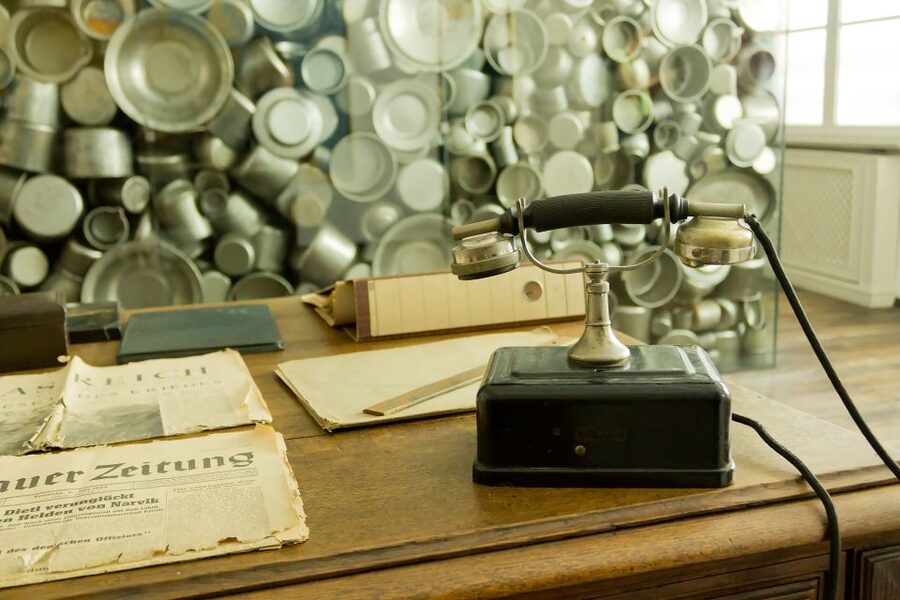
Oskar Schindler’s former enamel factory is not simply a museum about one heroic industrialist. It is a carefully staged account of Krakow from 1939 to 1945, showing how Polish and Jewish life was shattered by Nazi rule. I like the way the exhibits place Schindler’s story inside the wider wartime city, and I like the preserved office and Survivor’s Ark, made from enamel pots like those once produced here. The guide also helps you make sense of a museum that can feel dense on your own.
The main thing to know is that this is more a history of wartime Krakow than a biography of Schindler. If you expect a full tour devoted to the man and the film, you may find the focus narrower than expected. The guide may also keep talking while you are trying to read displays, so speak up if you need a few quiet minutes with the material.
In This Review
- Key points to know before you book
- What this museum is really about
- Starting at Lipowa 4
- Entering Schindler’s preserved office
- A tram ride through occupied Krakow
- Inside a typical Jewish apartment
- Plaszow artifacts and the Hall of Choices
- What the 90-minute guided format feels like
- Is $49 a fair price?
- Who should take this tour?
- Practical advice for a better visit
- Should you book Schindler’s Factory Tour?
- FAQ
- Where does the tour meet?
- How long does the guided tour last?
- What does the ticket include?
- Is skip-the-line entry included?
- Which languages are available?
- Do I need to bring identification?
- Can I bring food, drinks, or luggage?
- Can I cancel the booking?
- Is the tour only about Oskar Schindler?
Key points to know before you book
- The factory tells Krakow’s wartime story: Expect substantial attention to Polish civilians, Jewish residents, Nazi occupiers, and the city’s disrupted Polish-Jewish relations.
- Schindler’s office is preserved: You enter the office in the former administrative building, one of the clearest links to the factory’s famous past.
- The museum uses theatrical staging: A recreated street, a tram, a Jewish apartment, and the Hall of Choices make the visit more visual than a standard display of objects and labels.
- The guided visit lasts 90 minutes: That is enough for a strong overview, but not always enough to read every panel at length.
- Skip-the-line entry saves useful time: Museum admission is included, so you can go directly to the meeting point at the main entrance.
- Bring identification: Personalized tickets require the full names of participants and a passport or ID card for entry, particularly under the stated arrangements from January 1, 2026.
What this museum is really about
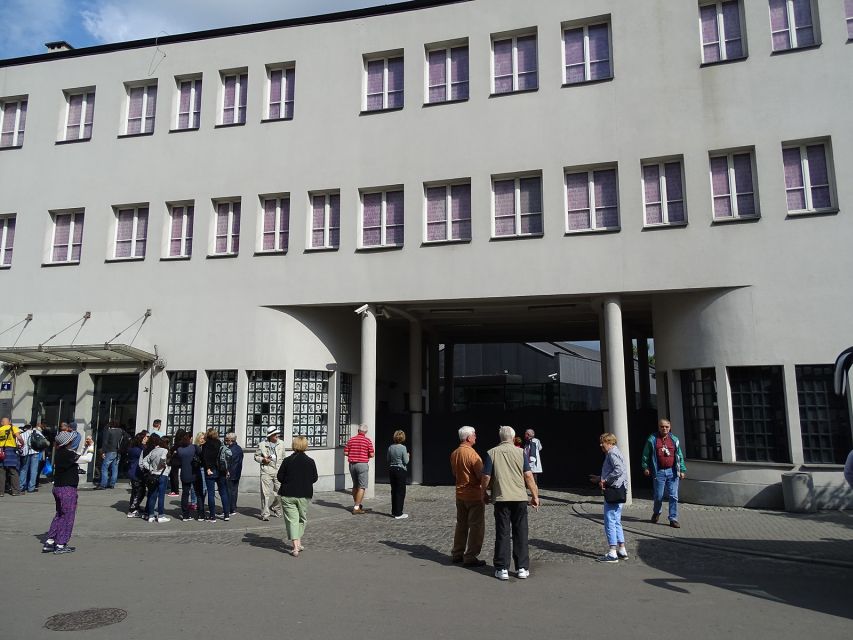
The museum occupies the former enamel factory associated with Oskar Schindler, the German industrialist made famous by Steven Spielberg’s Schindler’s List. That connection draws many people here, but the visit quickly widens its view.
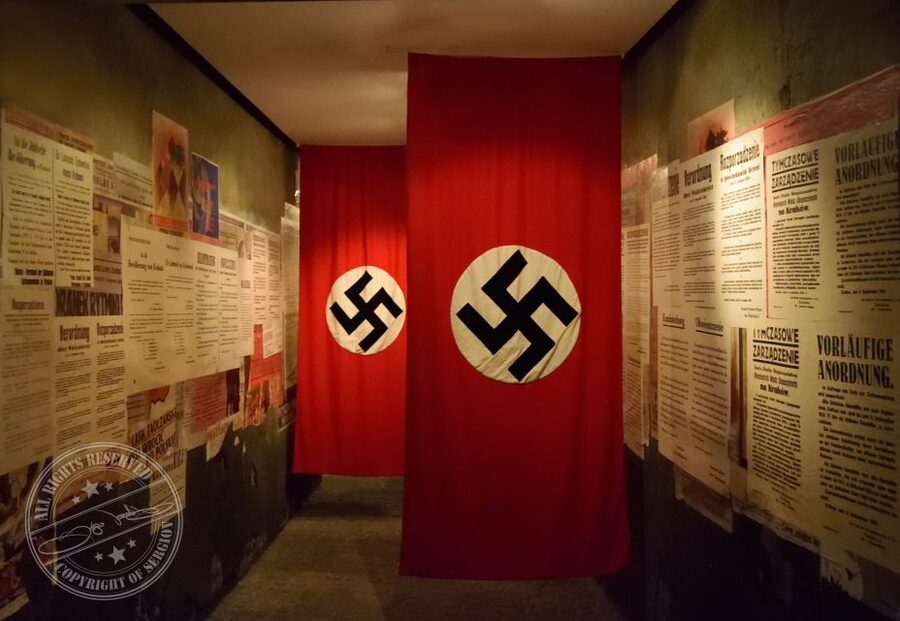
You learn how Krakow changed under German occupation from 1939 through 1945. The story includes Jewish families, Polish residents, Nazi officials, workers, and people caught in impossible moral situations. This matters because Schindler’s personal story makes more sense when you understand the city around him.
I appreciate that the museum does not reduce the period to a simple tale of one good man and one group of victims. Its displays look at daily life, forced changes, fear, propaganda, persecution, and the choices people faced. The tone is serious, and the subject matter is painful, but the presentation gives you a clearer sense of how occupation affected ordinary routines.
The guide is especially useful here. A strong guide can connect photographs, objects, and personal accounts instead of leaving you to assemble the story from dozens of labels. English, German, French, Italian, and Spanish tours are offered, though the exact guide depends on the date and language you select.
More Schindler's Factory visits:
- Krakow: Oskar Schindler’s Factory Entry Ticket & Guided Tour
★ 4.2 · 3,793 reviews - Krakow: Schindler’s Factory Tour with Entrance Ticket
★ 4.5 · 3,182 reviews - Krakow: Schindler’s Factory Skip-the-Line Ticket
★ 4.4 · 3,105 reviews
Starting at Lipowa 4
The meeting point is Lipowa 4, Krakow, at the front entrance of the museum. Look for the guide holding an excursion.city sign. Arrive ready to enter rather than expecting a long walk through the neighborhood first.
The skip-the-line arrangement is valuable because it removes one of the least interesting parts of a museum visit: waiting for admission. It does not mean you will have unlimited time inside. The guided portion is set at 90 minutes, so plan your expectations around a focused introduction rather than an all-day museum session.
Museum scheduling can affect the exact start time. From January 1, 2026, the advertised time is approximate and the museum may adjust it. You can choose a preferred time when booking, but it is not guaranteed. Keep an eye on any messages after reserving, since times have changed for some bookings.
Large bags, luggage, food, and drinks are not allowed. Carry only what you need, and bring a passport or ID card. Personalized admission means the full names of everyone in your party must be supplied when you reserve.
Entering Schindler’s preserved office
One of the most direct links to Oskar Schindler is his preserved office inside the factory’s administrative building. This is the moment many people expect when they book a Schindler’s Factory visit, and it gives the tour a tangible connection to the person behind the film.
Still, the office is one part of a much broader route. You should not expect every room to focus on Schindler or on the production of enamelware. The museum uses the building as a doorway into the history of Krakow during the occupation.
The Survivor’s Ark is another striking object. Made from thousands of enamel pots, it recalls the kind of goods produced in the factory while also pointing toward the people whose lives were changed by the war. It is a visual piece that works best when the guide explains its meaning rather than leaving you to guess.
The museum’s strength is the way it joins objects with testimony. Documentary photographs, eyewitness accounts, films, and multimedia displays help turn dates and policies into human events. Some people will find the amount of reading heavy, especially if they want to pause at every panel.
A tram ride through occupied Krakow
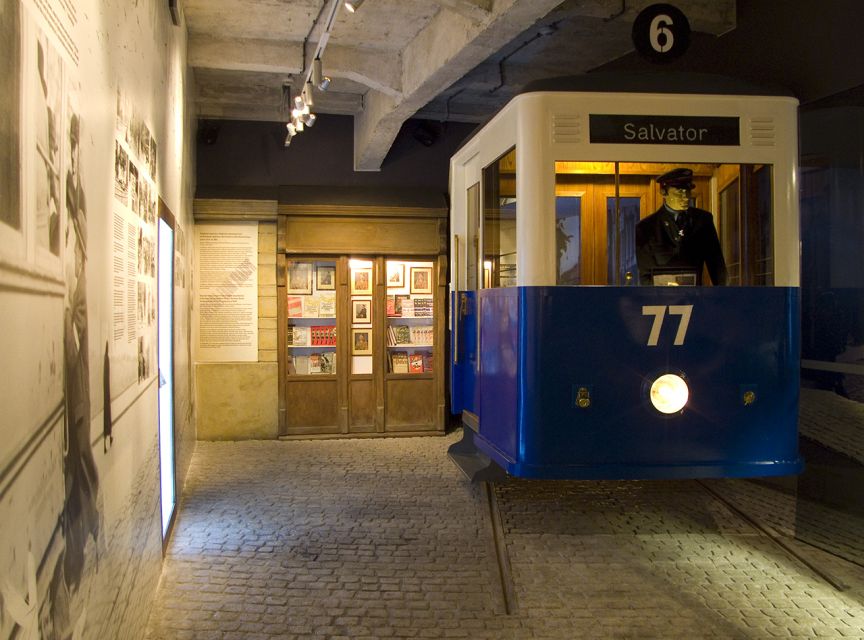
The museum’s theatrical presentation is not just decoration. You walk through a recreation of Krakow’s historical city space, then board a tram to watch a documentary about everyday life in the occupied city.
That tram sequence gives you a change of pace from the written displays. It helps show Krakow as a functioning city under pressure, rather than presenting the war as a list of major events. The focus on daily life is one of the tour’s most useful features because it brings the period closer to the choices and routines of ordinary people.
The presentation was developed with stage designer Michał Urban and theater director Łukasz Czuj. Their influence can be seen in the museum’s use of recreated spaces, atmosphere, and movement. If you prefer a quiet museum with objects arranged in glass cases, parts of this visit may feel theatrical. If you learn best through setting and visual scenes, the approach makes the material easier to follow.
The documentary and multimedia elements also help break up the reading. Even so, one part of the experience remains text-heavy. Allow yourself time to absorb the central displays, but do not assume you can read every caption in detail during the 90-minute tour.
A few more Krakow trips worth comparing
- From Krakow: Wieliczka Salt Mine Tour & Skip the Line Ticket
★ 4.4 · 3,925 reviews - Auschwitz-Birkenau Skip-the-Line Guided Tour
★ 4.3 · 3,617 reviews - Auschwitz-Birkenau: Skip-the-Line Entry Ticket & Guided Tour
★ 4.4 · 3,052 reviews - Schindler’s Factory in Krakow: Guided Tour & Skip the Line Ticket
★ 4.5 · 1,714 reviews
Inside a typical Jewish apartment
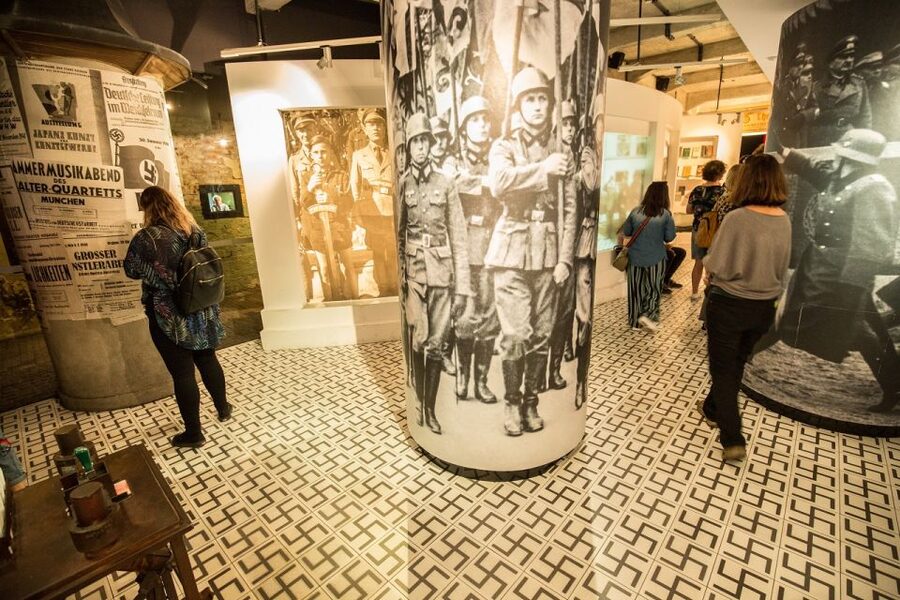
A recreated Jewish apartment gives the exhibition a more intimate scale. Instead of thinking only about occupation through military orders and public events, you see a domestic setting connected to the Jewish community that lived in Krakow before the war.
This stop helps explain what was being destroyed. Krakow had centuries of Polish-Jewish connections, and the exhibition shows how Nazi rule violently disrupted that long relationship. The apartment is therefore not just a period room. It represents the family life, neighborhoods, and routines that existed before persecution reshaped the city.
The wider story includes both Polish and Jewish experiences. That balance is important, although it also means the museum does not give you a narrow, step-by-step account of Schindler’s actions. If you want a focused biography, use this tour as a starting point and set aside time elsewhere to read more about Schindler himself.
Plaszow artifacts and the Hall of Choices
Artifacts from the Plaszow camp appear later in the visit. Their presence shifts the focus from city life to the machinery of persecution and imprisonment. The objects are difficult, but they give physical weight to events that can otherwise seem distant.
The Hall of Choices is a sculptural installation about the ethical dilemmas people faced during the war. It is one of the museum’s most thoughtful sections because it avoids presenting every decision as simple. Under occupation, people acted with incomplete information, fear, pressure, self-interest, courage, or cruelty. The installation asks you to consider that moral uncertainty without excusing the crimes committed.
This is where a live guide can add real value. The best guides do not merely repeat labels. They explain how the displays fit together and answer questions about the choices, people, and places involved. One guide was praised for being very interactive, while another was noted for explaining the subject clearly in excellent English.
What the 90-minute guided format feels like
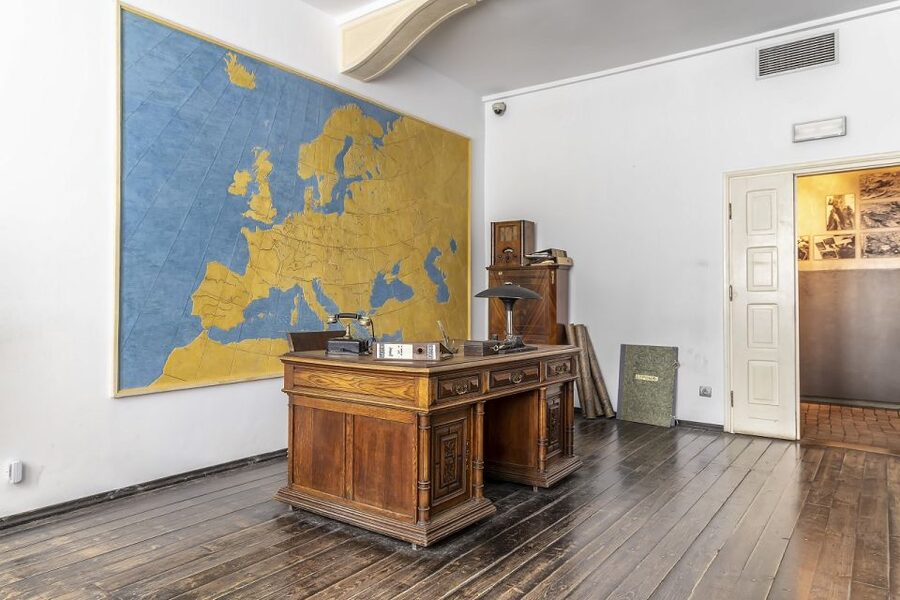
Ninety minutes is a sensible length for a first visit. The subject is emotionally demanding, and a shorter route keeps the main story moving. You receive an overview of the museum’s major spaces without having to plan your own route through an unfamiliar exhibition.
The tradeoff is pace. If you read slowly or want to study every photograph, you may feel hurried. One useful approach is to listen to the guide during the main explanation, then return to the displays that matter most to you if the museum schedule allows.
The group size can vary. One particularly small group had only three people in total, which made it easy to ask questions and move at a comfortable pace. A guide was also praised for being patient with a visitor whose walking speed was limited. That does not guarantee a small group or a specific level of pacing, but it shows why a guided format can be helpful for people who want personal explanations.
The guide’s role is the most praised part of this experience. Reports consistently highlight clear English, strong subject knowledge, friendliness, and the ability to answer questions. The quality of the visit will depend partly on who leads your group, but the format gives you a better chance of understanding the exhibition than simply wandering through it without context.
Is $49 a fair price?
At $49 per person, this is not the cheapest way to visit a Krakow museum. The price includes admission and a professional live guide, plus the convenience of skip-the-line entry. You are paying for explanation and structure, not just access to the building.
I think the price is fair if you have limited time in Krakow, want the museum’s main story explained, or are unsure how to approach the material. A guide can point out the significance of the office, Survivor’s Ark, tram film, Jewish apartment, Plaszow artifacts, and Hall of Choices without making you guess which details matter.
The value is weaker if you enjoy spending several hours reading every display at your own speed. In that case, the 90-minute tour may feel like an introduction rather than a complete museum visit. You are also paying for a scheduled group experience, so you have less control over the pace.
Free cancellation up to 24 hours before the visit and reserve-now, pay-later booking make the cost easier to manage when your Krakow plans are still moving. But the timing issue deserves attention. Museum schedules can change, and preferred times are not guaranteed under the stated arrangements beginning January 1, 2026.
Who should take this tour?
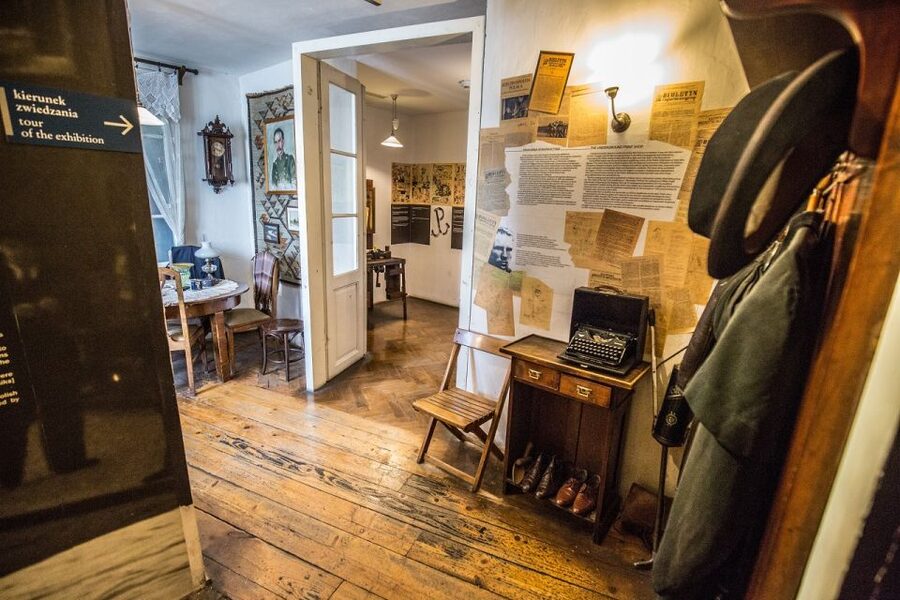
I would recommend it to first-time visitors who want a clear account of Krakow during the Nazi occupation. It suits you especially well if you connect with museums through personal stories, recreated rooms, documentary images, and guided conversation.
It is also a good choice for anyone drawn to Schindler’s List but willing to look beyond the film. You will see Schindler’s office and learn about the factory, but the central subject is the city and its people during the war.
Families with older children and teenagers may find the visual staging easier to engage with than a museum made entirely of written panels. The material is serious, so adults should decide if the subject is suitable for younger members of their group.
You may prefer a self-guided visit if you need long pauses, read every label, or want the freedom to move at your own speed. You may also want a different experience if your main goal is a detailed biography of Oskar Schindler. This tour gives you context first.
Practical advice for a better visit
Book ahead, especially if your schedule is tight. Capacity can be limited, and Monday hours may be reduced, with closing around midday according to the information provided.
Check your messages after booking because the start time may change. Write down the final meeting details, then go to the main entrance at Lipowa 4 and find the excursion.city sign.
Bring your passport or ID card, and make sure the reservation includes every participant’s full name. Leave luggage and large bags elsewhere, since they are not allowed inside. Food and drinks are also prohibited.
If you want to study the written material, tell the guide early. You can ask for a short pause at displays that matter most to you. This small request may make the difference between hearing the explanation and actually taking in the evidence.
Should you book Schindler’s Factory Tour?
Book this tour if you want a guided introduction to occupied Krakow, with the factory and Schindler serving as the entry point. The guide, included admission, skip-the-line access, and theatrical exhibition make it a useful choice for a first visit, especially when your time is limited.
Do not book it expecting a full Schindler biography or a leisurely half-day spent reading every panel. The museum’s focus is wider, the pace is directed, and the subject can be emotionally heavy.
For most visitors who want context, clear explanations, and a memorable look at Krakow’s wartime experience, the $49 cost is reasonable. Go in expecting the history of a city under occupation, not only the story of one factory owner, and you will get much more from the visit.
FAQ
Where does the tour meet?
The meeting point is at Lipowa 4 in Krakow, at the front entrance of the museum. Look for the guide holding an excursion.city sign.
How long does the guided tour last?
The guided visit lasts 90 minutes, or 1.5 hours.
What does the ticket include?
The price includes entrance fees and a professional live guide.
Is skip-the-line entry included?
Yes. The activity includes skip-the-ticket-line entry.
Which languages are available?
Live tours are available in English, German, French, Italian, and Spanish.
Do I need to bring identification?
Yes. Bring a passport or ID card. From January 1, 2026, personalized tickets require the full names of all participants, and identification is required for entry.
Can I bring food, drinks, or luggage?
No. Food, drinks, luggage, and large bags are not allowed.
Can I cancel the booking?
You can cancel up to 24 hours in advance for a full refund.
Is the tour only about Oskar Schindler?
No. The tour includes Schindler’s preserved office and the former factory, but its main focus is Krakow during the Nazi occupation from 1939 to 1945, including Polish and Jewish life and the Nazi occupation of the city.
Just added around Krakow
- Private Guided Tour: Oskar Schindler’s Factory★ 5.0 · 3 reviews
- E-Scooter Krakow sightseeing tour★ 5.0 · 3 reviews
- From Krakow: Zakopane and Thermal Pools Guided Trip★ 5.0 · 3 reviews
- Schindler’s Factory, Ghetto and Plaszow Camp Guided Tour★ 4.7 · 3 reviews
- Kraków: Private Hot Air Balloon Flight with Champagne★ 3.7 · 3 reviews
- Krakow: River Cruise & Guided Visit to Former Plaszow Camp★ 3.6 · 3 reviews
- From Krakow: Private Wieliczka Salt Mine Tour★ 4.0 · 3 reviews
- Krakow: Old Town short walk with St. Mary’s Basilica visit★ 5.0 · 3 reviews
Schindler's Factory Tours, compared.

Oskar Schindler’s Factory Entry Ticket & Guided Tour
Read our review →
Schindler’s Factory Tour with Entrance Ticket
Read our review →
Schindler’s Factory Tour with Entrance Ticket
Read our review →
Schindler’s Factory in Krakow: Guided Tour & Skip the Line Ticket
Read our review →

Schindler’s Factory Ticket with Guided Tour Option
Read our review →
Krakow Schindler’s Factory Guided Tour with Admission Ticket
Read our review →Browse the lists this tour appears in