

Reviewed · MUSEUMS
Krakow: The Ethnographic Museum ticket
Krakow’s Ethnographic Museum offers a welcome change from royal castles and grand churches. Inside the Town Hall section and Esterka’s House, you’ll find Polish folk art, objects, paintings, and sculptures tied to the lives and traditions of ordinary people. The collection grew from Seweryn Udziela’s early 20th-century work as a teacher, amateur ethnographer, and collector.
I like the museum’s large collection of about 80,000 objects, most dating from the late 19th and early 20th centuries. I also like the chance to see the museum spread across several floors, with the final section of paintings and sculptures offering an especially good change of pace. The main drawback is that this is an unguided visit, so you’ll need to bring your own context and move at your own speed.
In This Review
- Key points to know before you go
- Why Krakow’s folk museum deserves a place in your plans
- Starting with the Town Hall exhibition
- Moving to Esterka’s House and its vaulted cellar
- The collection’s story, from Udziela to 80,000 objects
- Why the paintings and sculptures matter
- How long should you plan for the museum?
- What you get for about $4.81
- Who will enjoy this visit most?
- Practical details that make the visit easier
- Is the Ethnographic Museum worth booking?
- FAQ
- Where is the Ethnographic Museum experience located?
- What does the ticket include?
- Is a guide included?
- What exhibitions can I see?
- How long is the ticket valid?
- Can I take photographs inside?
- Can I cancel the booking?
Key points to know before you go
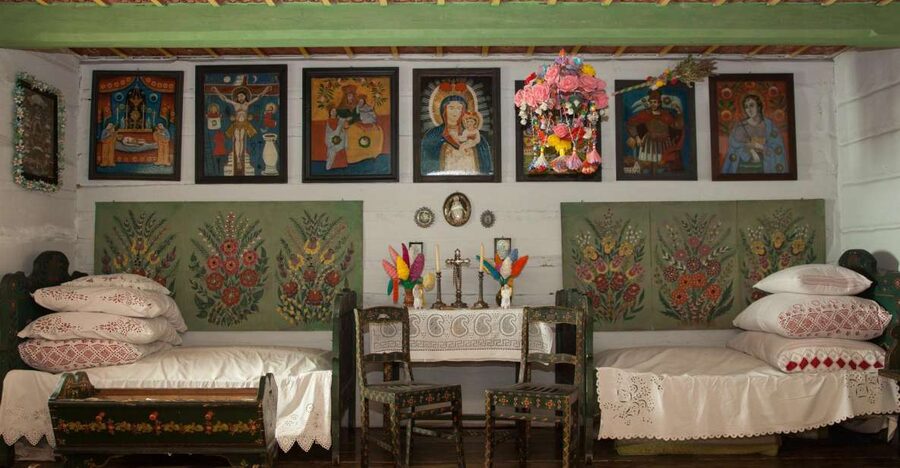
- See two distinct museum spaces: The Town Hall section presents Polish folk culture, while Esterka’s House holds temporary exhibitions in a vaulted cellar.
- Meet Seweryn Udziela’s collection: The museum began with the work of a teacher and amateur ethnographer in 1911.
- Expect a broad collection: Around 80,000 objects cover folk culture, art, paintings, and sculpture.
- Plan time for several floors: The displays are organized across multiple levels, so allow more than a quick walk-through.
- Use the ticket flexibly: It is valid for one to two days, with starting times depending on availability.
- Remember the camera rule: Flash photography is not allowed.
Why Krakow’s folk museum deserves a place in your plans
Krakow is famous for its medieval center, royal connections, and grand religious art. The Ethnographic Museum shows another Poland, one shaped by village customs, handmade objects, regional dress, folk beliefs, and the creative work that caught the attention of artists in Krakow around the turn of the 20th century.
That change in viewpoint is the museum’s main value. You are not simply looking at old objects. You are seeing why Polish artists and intellectuals became drawn to folk culture at a time when city life and Polish culture felt stuck in a crisis. To them, folk traditions offered energy and directness that urban society seemed to lack.
The museum was created in 1911 on the initiative of Seweryn Udziela. His starting collection grew into an institution with about 80,000 pieces. Most of what you see comes from the late 19th and early 20th centuries, which gives the museum a clear focus rather than an unfocused sweep through every period of Polish history.
I would choose this visit if you want to understand Poland beyond its famous monuments. It also works well when you have already spent time in Krakow’s Old Town and want a quieter cultural stop that asks you to look closely.
More museums in Krakow:
- Auschwitz-Birkenau Museum and Memorial Guided Tour from Krakow
★ 4.5 · 1,510 reviews - Krakow: Rynek Underground Museum Guided Tour
★ 4.6 · 1,122 reviews - Krakow Schindler’s Factory Museum Guided Tour in English
★ 4.5 · 650 reviews
Starting with the Town Hall exhibition
The Town Hall section is the natural place to begin. It focuses on Polish folk culture and gives you the museum’s main framework. Instead of treating rural life as a decorative side note, the displays show how folk traditions became an important source of ideas for artists living in Krakow at the turn of the 20th century.
Take your time here. Folk museums can be easy to rush because individual objects may look familiar at first glance. The value comes from seeing them together and considering what they reveal about daily life, local customs, and the relationship between city artists and the countryside.
The Town Hall setting also helps separate this museum from a standard art gallery. You are not moving only from one painting to another. The exhibits connect material culture with artistic interest, showing how folklore became an antidote to the cultural stagnation felt by some members of the Polish intelligentsia.
You should not expect a guide to lead you through the displays. The ticket covers entry only, with no food, drinks, or guide included. That gives you freedom, but it also means the experience depends on how much attention you want to give each section.
Moving to Esterka’s House and its vaulted cellar

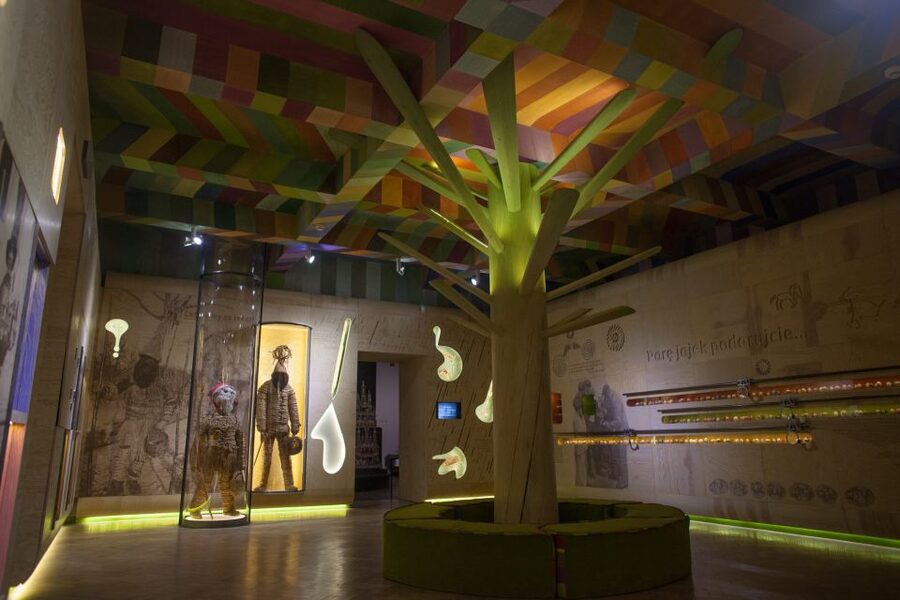
The museum’s second building is known as Esterka’s House. Its temporary exhibitions are held in a beautifully vaulted cellar, giving this part of the visit a different mood from the Town Hall displays.
Because these are temporary exhibitions, the exact subject can change. The important practical point is that your ticket gives you access to more than one type of museum space. You can begin with the main folk culture displays, then continue to Esterka’s House for a presentation that may take a narrower or more changing approach.
The cellar setting is part of the appeal, but it may also affect how you pace yourself. Rather than treating Esterka’s House as a quick add-on, check what is showing and allow enough time to look around. The museum is organized over several floors, and the visit can feel fuller than the low ticket price suggests.
This two-building setup is especially useful for repeat visits. If your ticket validity option allows you to return over one or two days, you can split the museum into shorter visits instead of trying to absorb everything at once. Check the specific availability details when booking, since starting times depend on the selected option.
The collection’s story, from Udziela to 80,000 objects
Seweryn Udziela’s role gives the museum a personal beginning. He was a teacher, amateur ethnographer, and collector, not a royal patron or a wealthy art dealer. His interest in gathering and preserving material from Polish folk culture created the foundation for the museum opened in 1911.
That background matters because it helps explain the collection’s character. This is not only a display of polished masterpieces. It grew from close attention to the traditions and objects of ordinary communities. The result is a museum with a strong connection to peasant culture in the Krakow area.
The scale is impressive for a ticket priced at about $4.81 per person. Of course, the number of objects does not mean every piece will hold your attention equally. A collection this broad can have quieter stretches. Still, the range makes the visit good value, particularly if you enjoy seeing how art connects with daily life.
Most objects date from the end of the 19th century and the beginning of the 20th century. That period gives the museum a useful focus. You are looking at materials close to the moment when Krakow artists began turning toward folklore, rather than trying to cover thousands of years in a single visit.
A few more Krakow trips worth comparing
- Krakow to Auschwitz Birkenau Guided Tour with Transfer and Ticket
★ 5.0 · 8,197 reviews - Krakow: Wieliczka Salt Mine Fast-Track Ticket & Guided Tour
★ 4.5 · 5,872 reviews - Auschwitz Birkenau Guided Tour with Ticket Hotel Pickup Small Van
★ 5.0 · 4,769 reviews - From Krakow: Wieliczka Salt Mine Tour & Skip the Line Ticket
★ 4.4 · 3,925 reviews
Why the paintings and sculptures matter
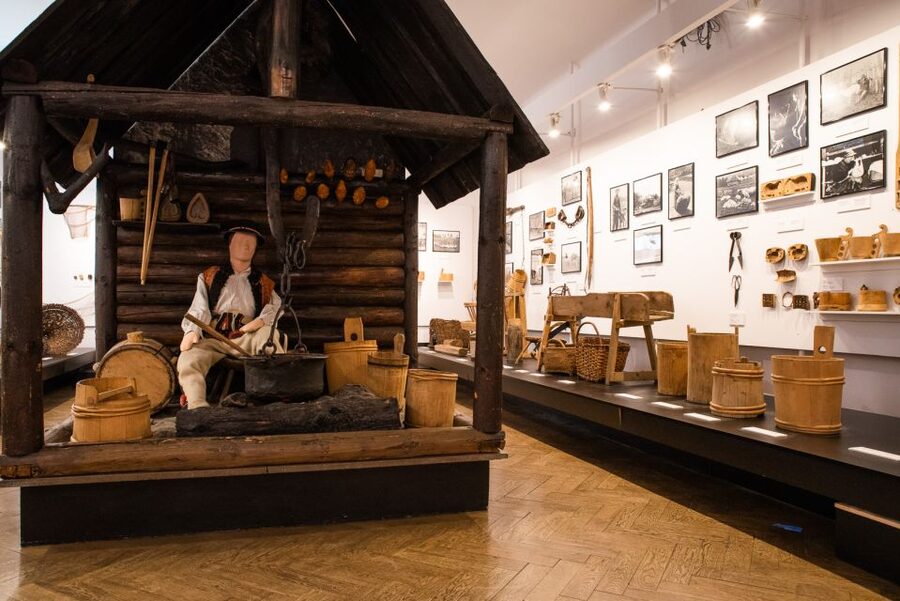
The museum is not limited to traditional objects or displays of village life. Paintings and sculptures appear in the collection as well, and they help explain the attraction that folklore held for artists in Krakow.
This final section can be a particularly good discovery if you normally think of an ethnographic museum as a place for costumes, tools, and household objects alone. The addition of paintings and sculpture shows that folk culture influenced the fine arts, not just museum collections.
I would save extra attention for this part of the visit. The displays are organized across several floors, and the paintings and sculptures provide a useful shift after the more direct presentation of folk culture. You may find that this section brings the museum’s larger argument into focus: artists were looking to folk traditions for movement, feeling, and fresh ideas during a period of cultural uncertainty.
You will not get a full lecture on every artist from the ticket alone. But the exhibits offer enough material to make you ask better questions about what Krakow’s artists saw in folk life and why that attraction mattered.
How long should you plan for the museum?
The ticket is valid for one to two days, rather than being tied only to a single short time slot. That flexibility is useful if you are building a busy Krakow schedule or prefer museums in smaller portions.
The supplied details do not give a fixed visit length. I would avoid planning it as a five-minute stop. Two buildings, several floors, temporary displays, and a collection of about 80,000 objects all suggest that you should allow a reasonable block of time.
You can make the visit brief by focusing on the main exhibition and moving steadily. You can also give it more attention by reading, comparing objects, and making time for the paintings and sculptures. The right length depends on your museum habits.
If you are visiting with someone who does not usually enjoy museums, the flexible ticket can help. You can see the strongest sections first and return later if the option you book permits a second day. If you are an art or cultural history enthusiast, plan on using the flexibility rather than trying to rush through every floor.
What you get for about $4.81
At roughly $4.81 per person, the entry price is one of the strongest points of this experience. You receive admission to the Ethnographic Museum, including the Town Hall exhibition and access to the museum’s second building, Esterka’s House, according to the chosen admission option.
The value is not based on a single famous object. It comes from the size and range of the collection, the two museum settings, and the chance to explore at your own pace. For the cost of a modest snack, you get a substantial cultural visit that can fill part of a morning or afternoon.
There are limits. The price does not include a guide, food, or drinks. If you want detailed explanations, you must supply that through your own reading or another resource. Some displays may also require patience, since an extensive collection can include sections that appeal more to specialists than to every casual visitor.
Still, I consider this a sound low-cost choice. It is especially good for anyone who wants more substance than a quick photo stop and does not need a guided tour.
Who will enjoy this visit most?
I would recommend the museum to you if you enjoy art, social history, local traditions, or the way everyday culture shapes national identity. It is also a smart option for repeat visitors to Krakow who have already covered the major sights.
Families and mixed-interest groups may appreciate the freedom of an unguided format. You can move through the floors at different speeds, although the museum’s size means you should agree on a meeting point if your group separates.
Art lovers should pay special attention to the paintings and sculptures. Anyone interested in Polish culture should focus on the relationship between folk traditions and the Krakow artists who found inspiration in them.
The museum may be less suitable if you want a tightly scripted tour with a guide explaining each room. It may also disappoint if you are looking only for famous individual artworks. This is a collection-based experience, and its rewards come from connections among many objects.
Practical details that make the visit easier
The activity ends back at the meeting point, but the exact meeting point may vary according to the option booked. Check your confirmation carefully so you know where to begin.
Starting times also depend on availability. Do not assume that any time will work simply because the ticket is valid for one or two days. Select an available option that fits your Krakow schedule.
Flash photography is not allowed. You can look closely and take in the displays, but leave the flash switched off. Since the museum has multiple floors and two buildings, comfortable pacing is more useful than trying to document every room.
The booking terms are traveler-friendly. You can cancel up to 24 hours in advance for a full refund, and the reserve now, pay later option lets you hold a place without paying immediately. These details are useful when your Poland itinerary is still changing.
Is the Ethnographic Museum worth booking?
Book this experience if you want a modestly priced museum visit with a clear Polish focus and more range than its short description suggests. The Town Hall exhibition, Esterka’s House, vaulted cellar, temporary displays, and large collection give you plenty to explore.
I especially recommend it if you want to understand why folk culture mattered to Krakow artists around 1900. Go in expecting an unguided museum, not a performance or a guided lesson. If you are comfortable making your own connections, the museum offers excellent value at about $4.81.
Skip it only if your schedule is extremely tight or you need a guide to provide constant explanation. For everyone else, this is a practical way to add a quieter, more thoughtful side of Polish culture to a Krakow visit.
FAQ
Where is the Ethnographic Museum experience located?
The experience is listed in Lesser Poland, Poland. The exact meeting point may vary depending on the admission option you book.
What does the ticket include?
The ticket includes entry to the Ethnographic Museum.
Is a guide included?
No. The admission does not include a guide.
What exhibitions can I see?
You can visit the Town Hall exhibition focused on Polish folk culture. Esterka’s House contains temporary displays in a vaulted cellar.
How long is the ticket valid?
The ticket is valid for one to two days. Check availability for the starting times connected with your selected option.
Can I take photographs inside?
Flash photography is not allowed.
Can I cancel the booking?
Yes. You can cancel up to 24 hours in advance for a full refund. A reserve now, pay later option is also available.
Just added around Krakow
- Private Guided Tour: Oskar Schindler’s Factory★ 5.0 · 3 reviews
- E-Scooter Krakow sightseeing tour★ 5.0 · 3 reviews
- From Krakow: Zakopane and Thermal Pools Guided Trip★ 5.0 · 3 reviews
- Schindler’s Factory, Ghetto and Plaszow Camp Guided Tour★ 4.7 · 3 reviews
- From Krakow: Private Wieliczka Salt Mine Tour★ 4.0 · 3 reviews
- Kraków: Private Hot Air Balloon Flight with Champagne★ 3.7 · 3 reviews
- Krakow: River Cruise & Guided Visit to Former Plaszow Camp★ 3.6 · 3 reviews
- Krakow: Old Town short walk with St. Mary’s Basilica visit★ 5.0 · 3 reviews
Museums, compared.
Auschwitz-Birkenau Museum and Memorial Guided Tour from Krakow
Read our review →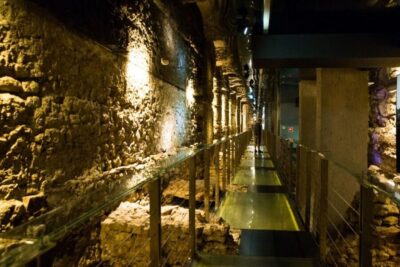
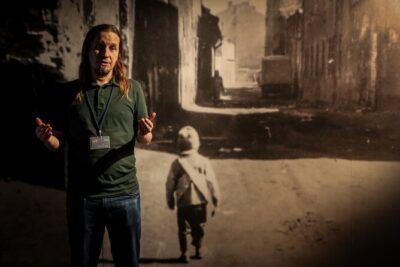
Krakow Schindler’s Factory Museum Guided Tour in English
Read our review →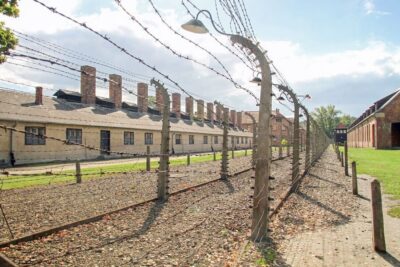
Auschwitz Birkenau Museum Guided Tour with Pickup
Read our review →
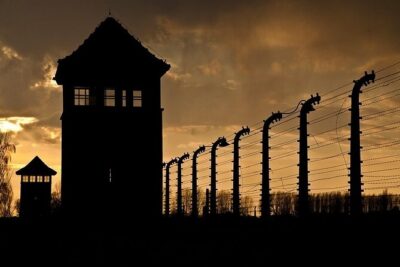
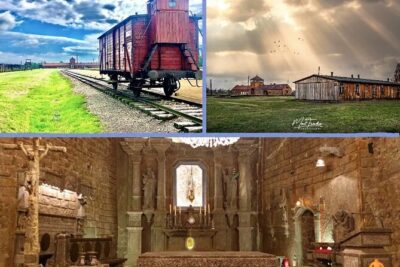
Auschwitz Birkenau Museum and Salt Mine All Inclusive DAY TRIP with Local Guides
Read our review →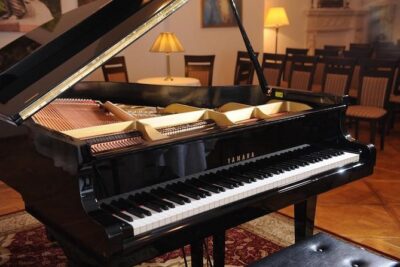
Chopin Piano Concert at Chopin Gallery with a Glass of Wine
Read our review →Browse the lists this tour appears in