
Reviewed · SCHINDLER'S FACTORY TOURS
Schindler’s Factory Skip-the-line Guided Tour with Options
Schindler’s Factory is not simply a museum about one German businessman. It is a sobering account of how World War II reshaped Kraków, how Jewish residents were persecuted, and how Oscar Schindler used his factory to save more than 1,000 Jewish people. The exhibits tell that story through photographs, documents, objects, and personal testimony.
I like the private guide format, which gives you room to ask questions during a serious and sometimes difficult visit. I also like the skip-the-ticket-line entry, since Schindler’s Factory is one of Kraków’s most important museums and timed admission can matter. The main caution is practical: the meeting arrangement has caused confusion, and one booking was especially frustrating when a guide could not be identified.
In This Review
- Key points at a glance
- Why Schindler’s Factory matters in Kraków
- Meeting your guide at Lipowa 4
- What the 90-minute museum visit covers
- The Schindler story, without losing the wider picture
- What the private format adds
- Skip-the-line entry and the Monday warning
- Who will get the most from this tour
- How to prepare for a smoother visit
- Cancellation, payment, and overall value
- Should you book Schindler’s Factory with a guide?
- FAQ
- How long does the Schindler’s Factory tour last?
- Where does the tour begin?
- Is admission to Schindler’s Factory included?
- What language is the tour offered in?
- Do I need to bring identification?
- Are bags and photographs allowed inside?
Key points at a glance
- A 90-minute visit at Lipowa 4: The entire experience takes place at Schindler’s Factory Museum in Kraków.
- A private licensed English-speaking guide: You receive explanation and historical context rather than walking through the displays alone.
- More than the story of Schindler: The museum also covers Kraków during World War II, persecution, survival, and the city’s wartime changes.
- Skip-the-line admission included: The ticket is part of the booking, though you should still arrive early and confirm your guide.
- Personal material carries the visit: Photographs, documents, objects, and survivor testimonies make the subject direct and human.
- Important practical limits: Large bags are not allowed, the tour is not suitable for wheelchair users, and you need a passport or identity card.
Why Schindler’s Factory matters in Kraków
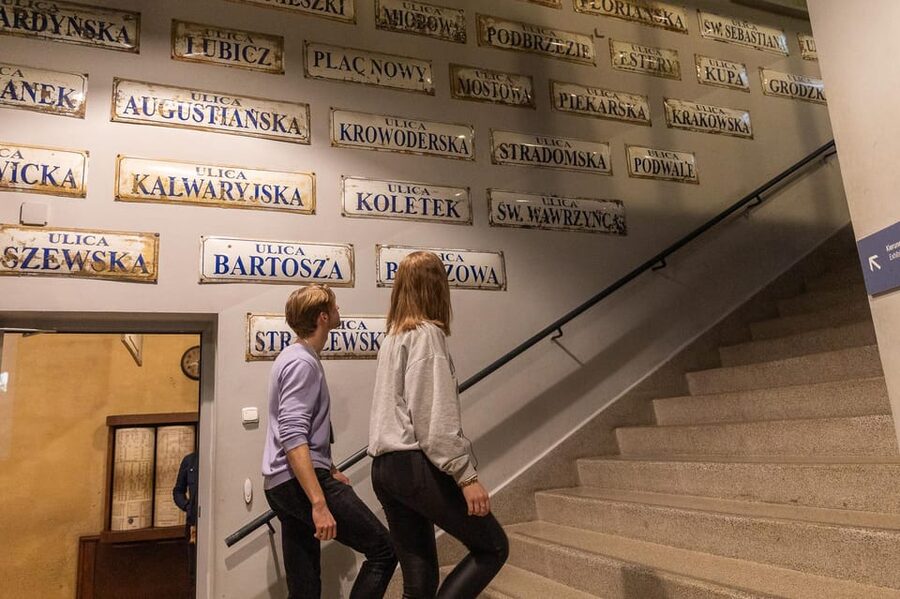
The museum occupies the former factory site at Lipowa 4. That location gives the visit weight before you even reach the displays. You are not approaching a general World War II museum from a distance. You are entering a place tied to Oscar Schindler, his workers, and the wartime life of Kraków.
Schindler was a German businessman who employed Jewish workers and ultimately helped save more than 1,000 Jewish people during the Holocaust. His story became widely known, but the museum does not reduce the period to a single heroic figure. Your guide places Schindler within the wider events that affected Kraków and its Jewish population.
That wider focus is important. If you arrive expecting only a film-style account of Schindler, you may find the museum broader and more demanding. You learn about the city under German occupation, the pressures placed on ordinary people, and the decisions that could mean safety, imprisonment, or death.
The visit is best approached as a serious historical experience, not a light sightseeing stop. The subject matter includes persecution, loss, fear, and survival. A guide can help you follow the sequence of events and explain why particular images or documents matter.
More Schindler's Factory visits:
- Krakow: Oskar Schindler’s Factory Entry Ticket & Guided Tour
★ 4.2 · 3,793 reviews - Krakow: Schindler’s Factory Tour with Entrance Ticket
★ 4.5 · 3,182 reviews - Krakow: Schindler’s Factory Skip-the-Line Ticket
★ 4.4 · 3,105 reviews
Meeting your guide at Lipowa 4
The tour begins outside the museum entrance at Lipowa 4. You are asked to arrive 10 minutes before the scheduled start, and that advice deserves attention. The meeting point is easy to describe, but identifying the correct guide has not always been easy in practice.
There may not be obvious travel-agency signage. One person spent more than an hour outside in the sun trying to work out who the guide was and eventually needed help from another guide. That is a serious flaw for a tour whose main convenience is supposed to be simple entry and expert assistance.
I would arrive early, keep your phone available, and check your booking details before leaving your hotel. Look carefully around the museum entrance rather than assuming the first guide you see is yours. If the meeting instructions provide a guide name or contact method, have those details ready.
This is not a complaint about the museum itself. The museum was described as very interesting even when the meeting experience went badly. It is a reminder that good meeting instructions are part of the tour, especially when you have booked a private service and may be standing among several groups.
What the 90-minute museum visit covers
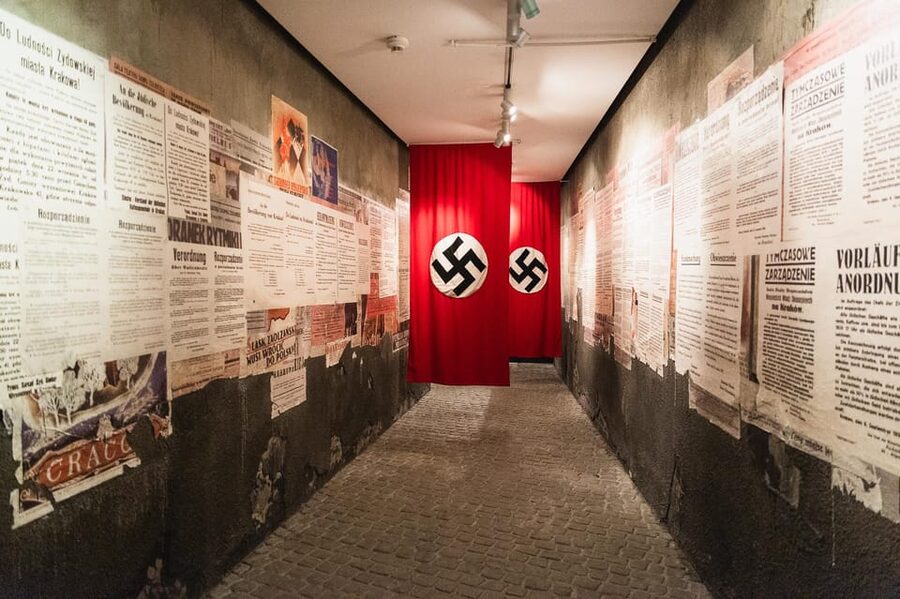
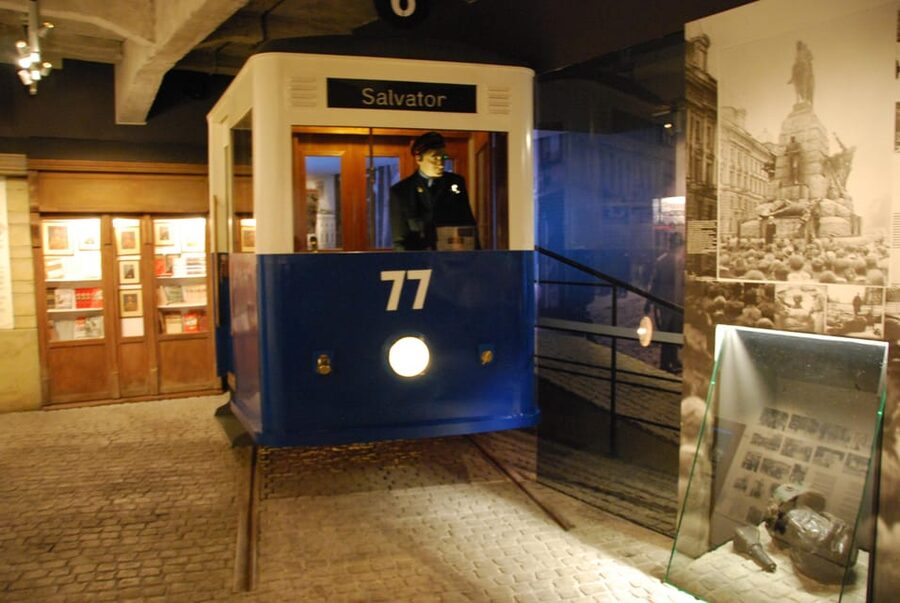
Once inside, your guide leads you through the exhibition rather than leaving you to piece together the story alone. The route covers the life and work of Oscar Schindler, the wartime experience of Kraków, and the larger setting of the Holocaust.
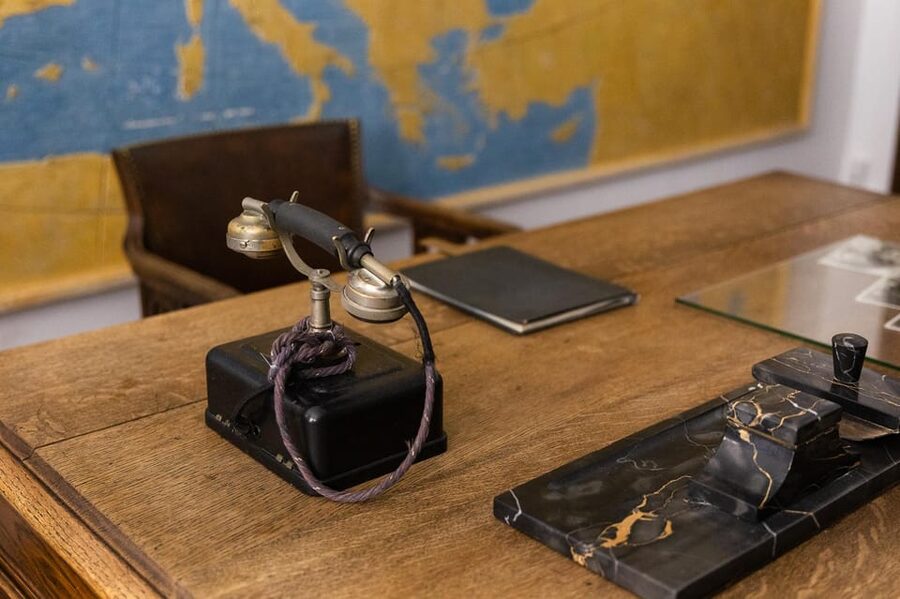
You can expect photographs, official documents, personal stories, and objects connected with Schindler’s workers. These are useful details because they move the subject away from dates and famous names. A document can show how authority worked. A personal item can suggest the ordinary life that existed before the war. A photograph can make a large historical event feel painfully close.
The museum also includes survivor testimonies. These accounts are among the most important parts of the visit, but they require time and attention. The guide’s role is to help you understand what you are seeing without rushing past the human cost.
At 90 minutes, this is a focused visit rather than an entire day at the museum. The time is long enough for a guided route through the main material, but you should not expect to study every display at length. If you tend to read every document word for word, you may want to return independently if your schedule allows.
The private format helps here. You can ask why a particular item is important or request clarification when the chronology becomes difficult. You are not tied to the questions of a large group, and the guide can adjust the pace to the people in your party.
The Schindler story, without losing the wider picture
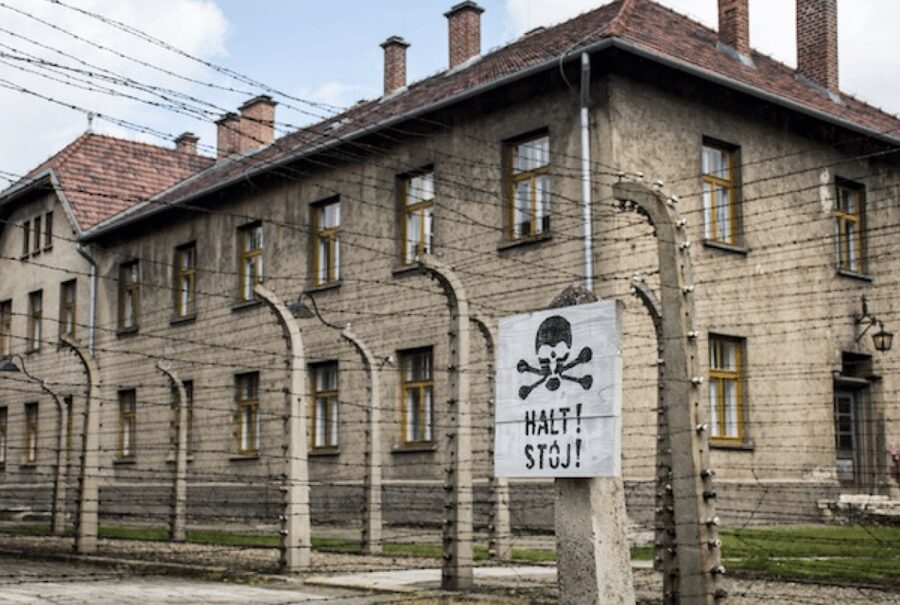
Schindler is the natural entry point, but the museum’s value comes from showing that his actions took place within a much larger system of oppression. His factory and workers matter, yet they do not tell the whole story of Kraków during the war.
Your guide explains how World War II affected the city and connects individual experiences with the wider history. That context helps you understand why employment, documents, housing, and personal contacts could become matters of life and death.
I appreciate tours that resist turning a difficult subject into a simple tale of one good person and many bad people. The information provided for this visit points to a broader account, including the resilience of survivors and the actions of people who showed compassion under extreme pressure.
The tone is likely to feel more reflective than entertaining. That is appropriate here. The final part of the visit encourages you to think about remembrance and the lessons of this period. You leave with questions about moral courage, responsibility, and the way societies can treat people as less than human.
A few more Krakow trips worth comparing
- From Krakow: Wieliczka Salt Mine Tour & Skip the Line Ticket
★ 4.4 · 3,925 reviews - Auschwitz-Birkenau Skip-the-Line Guided Tour
★ 4.3 · 3,617 reviews - Auschwitz-Birkenau: Skip-the-Line Entry Ticket & Guided Tour
★ 4.4 · 3,052 reviews - Schindler’s Factory in Krakow: Guided Tour & Skip the Line Ticket
★ 4.5 · 1,714 reviews
What the private format adds
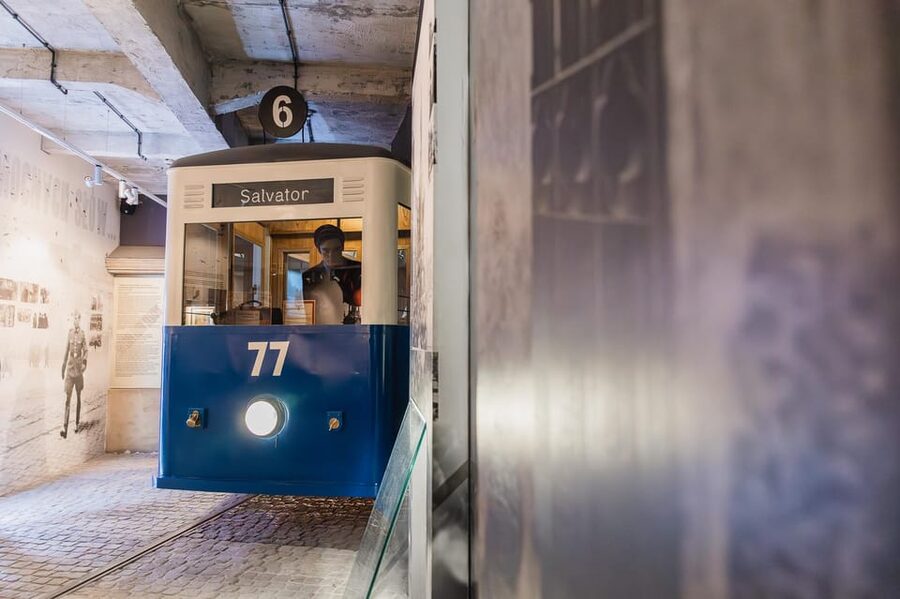
A private guide costs more than entering a museum on your own, but the value depends on how much context you want. At $48 per person, the price includes the guide, exhibition access, and skip-the-line admission. Hotel pickup and drop-off are not included.
For a visitor who already knows the history and prefers to read independently, the extra cost may not feel necessary. You can buy admission separately and set your own pace. The private option is more useful if you want the timeline explained, have questions, or are visiting Kraków for a short stay and want to make the 90 minutes count.
The guide also gives you a person to help connect the displays. Museums about the Holocaust can be difficult to interpret without background, especially when photographs and documents refer to events in a city you may not know well. The right guide can explain the setting and point out why certain objects deserve attention.
The word private does not guarantee a perfect experience. It makes the meeting problem more frustrating when communication fails, because you have paid for personal assistance. I would consider the guiding service worthwhile only if you are willing to take extra care with the meeting instructions.
Skip-the-line entry and the Monday warning
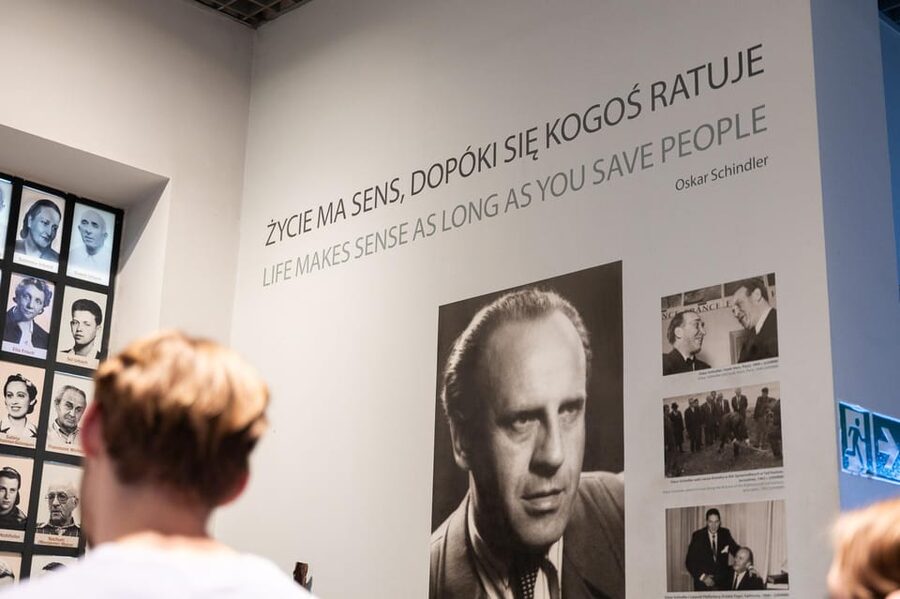
Skip-the-line access is one of the tour’s clearest practical advantages. You do not need to arrange a separate museum ticket, and the booking includes admission to the exhibition. That can save time during a busy Kraków itinerary.
Still, do not treat skip-the-line wording as a promise that every visit will unfold without delay. One booking was accepted for a Monday when the museum closed early, creating problems with the timing and the expected queue benefit. Check the available starting times carefully and confirm that your chosen slot fits the museum’s hours.
The museum’s last admission is 90 minutes before closing. That detail matters because a 90-minute tour scheduled too late could be affected by closing procedures. You should not arrive at the last possible moment and expect flexibility.
Photography is allowed without flash. Large bags and backpacks are not permitted inside, but a cloakroom is available. No headphones are provided, so the guide speaks directly to you rather than sending commentary through an audio system.
Who will get the most from this tour
This experience suits you if you want a short, guided introduction to Kraków’s wartime history. It is also a good fit if you prefer asking questions instead of reading a museum alone, or if you want admission and guiding handled in one booking.
History-minded adults, couples, families with older children, and first-time visitors to Kraków may find the format useful. The subject is serious, so younger children may not be ready for the material, but no age restriction is provided. You should use your own judgment based on the child’s ability to handle Holocaust history.
The tour is less suitable for anyone who needs wheelchair access, since it is specifically listed as not suitable for wheelchair users. It also may not suit visitors who want a long, unhurried museum session. The scheduled visit lasts 1.5 hours, and a guide-led route naturally gives you less freedom to linger.
If you are sensitive to crowded meeting areas or dislike searching for a guide, be especially careful with the arrival plan. The museum itself can be worthwhile even when the organization around the start is not.
How to prepare for a smoother visit
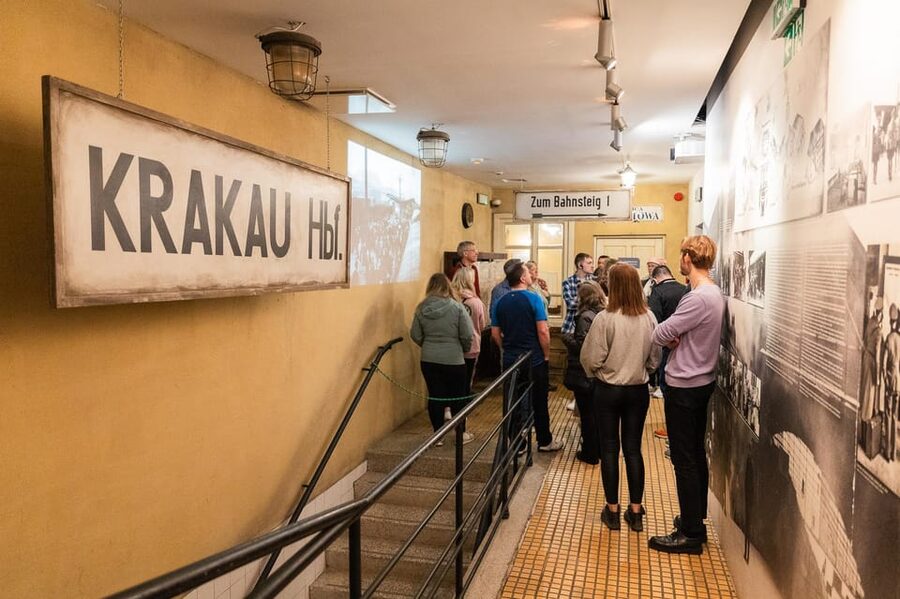
Bring your passport or identity card. This is listed as a requirement, so do not assume another form of identification will be enough.
Arrive 10 minutes early at the entrance to Schindler’s Factory. Keep the booking confirmation accessible, note the starting time, and make sure you know how to identify the guide. If the provider supplies a contact number, save it before you arrive.
Leave large backpacks and bags behind if possible. The cloakroom is available, but traveling light makes the entrance easier. Bring no expectation of using flash photography, since only non-flash photography is allowed.
I would also allow a little quiet time after the tour. The subject matter is heavy, and the final reflection on remembrance can stay with you. Scheduling the museum between two rushed activities may make the visit feel like another item to check off rather than the thoughtful experience it should be.
Cancellation, payment, and overall value
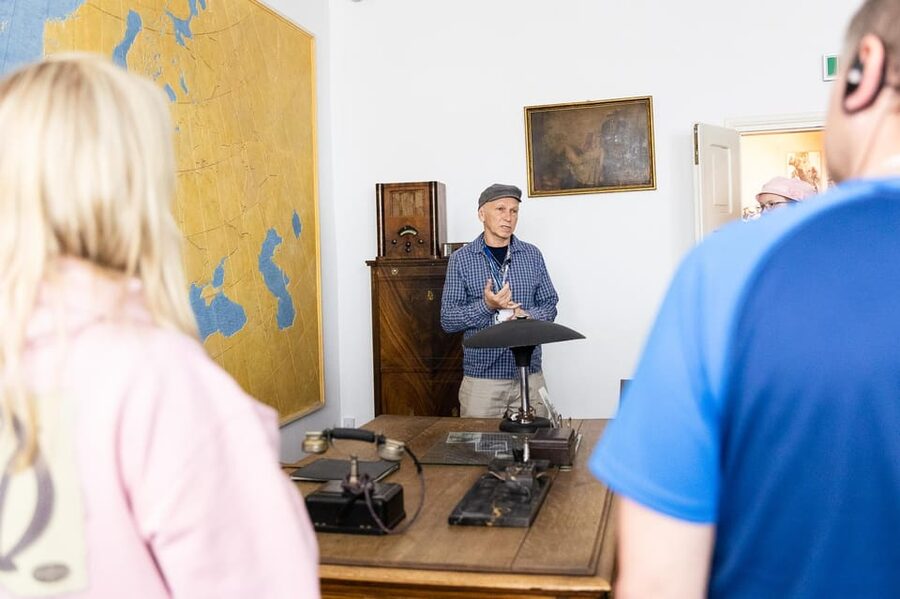
The booking offers free cancellation up to 24 hours before the start, with a full refund. You can also reserve now and pay later, which helps if your Kraków plans are still changing.
At $48 per person, the value is strongest when you want a private English-language guide and fast admission in one package. The price is harder to justify if you are comfortable visiting independently or if the guide cannot be found promptly. The museum ticket alone does not provide the personal context, but poor coordination can erase much of the convenience you paid for.
The available score of 3.5 from 11 ratings reflects that mixed picture. The museum content receives clear approval, while the beginning of the tour has created real frustration. Treat the booking as a guided museum visit with a useful structure, not as a flawless door-to-door service.
Should you book Schindler’s Factory with a guide?
Book it if you want a focused 90-minute explanation of Schindler, Kraków during World War II, and the Holocaust, and if you value a private English-speaking guide. The included ticket and skip-the-line access can make sense during a short city break.
Book independently instead if you are comfortable doing your own research, want to read every display at your own pace, or do not want the risk of unclear meeting arrangements. If you choose this tour, arrive early, carry identification, travel light, and confirm exactly how you will recognize the guide.
The museum itself deserves serious attention. The tour is worth considering for its subject matter and private guidance, but the practical details at the start deserve as much care as the historical ones.
FAQ
How long does the Schindler’s Factory tour last?
The guided museum visit lasts 1.5 hours, or 90 minutes. Check availability for the exact starting times.
Where does the tour begin?
Meet your guide next to the entrance to Schindler’s Factory Museum at Lipowa 4. You should arrive 10 minutes before the scheduled start.
Is admission to Schindler’s Factory included?
Yes. The package includes a skip-the-line entrance ticket and access to the exhibition.
What language is the tour offered in?
The live guided tour is offered in English.
Do I need to bring identification?
Yes. You should bring a passport or identity card.
Are bags and photographs allowed inside?
Photography is allowed without flash. Large bags and backpacks are not allowed inside, although a cloakroom is available.
Just added around Krakow
- Private Guided Tour: Oskar Schindler’s Factory★ 5.0 · 3 reviews
- E-Scooter Krakow sightseeing tour★ 5.0 · 3 reviews
- From Krakow: Zakopane and Thermal Pools Guided Trip★ 5.0 · 3 reviews
- Schindler’s Factory, Ghetto and Plaszow Camp Guided Tour★ 4.7 · 3 reviews
- Kraków: Private Hot Air Balloon Flight with Champagne★ 3.7 · 3 reviews
- Krakow: River Cruise & Guided Visit to Former Plaszow Camp★ 3.6 · 3 reviews
- From Krakow: Private Wieliczka Salt Mine Tour★ 4.0 · 3 reviews
- Krakow: Old Town short walk with St. Mary’s Basilica visit★ 5.0 · 3 reviews
Schindler's Factory Tours, compared.

Oskar Schindler’s Factory Entry Ticket & Guided Tour
Read our review →
Schindler’s Factory Tour with Entrance Ticket
Read our review →
Schindler’s Factory Tour with Entrance Ticket
Read our review →
Schindler’s Factory in Krakow: Guided Tour & Skip the Line Ticket
Read our review →

Schindler’s Factory Ticket with Guided Tour Option
Read our review →
Krakow Schindler’s Factory Guided Tour with Admission Ticket
Read our review →Browse the lists this tour appears in