
Reviewed · SCHINDLER'S FACTORY TOURS
Krakow: Schindler’s Factory and Jewish Ghetto Guided Tour
The most moving part of this Krakow tour comes after you leave the museum. In Podgórze’s former Jewish Ghetto, ordinary streets, an undestroyed section of wall, and the 68 Empty Chairs memorial connect the wartime story to the city you see today. The tour also puts Oskar Schindler’s actions into their proper setting, beyond the film.
I like the way the guide links the factory exhibits to real places outside, and I like the smaller walking group used for the ghetto portion. Guides such as Christopher, Ela, Helena, and Joanna have been praised for clear storytelling and personal connections to the Holocaust. The main drawback is that the museum portion can feel crowded, and a late tour may put the outdoor walk in darkness.
In This Review
- Key points to know before booking
- Why Schindler’s Factory is more than a film location
- Following Schindler’s story without turning it into a legend
- The museum’s narrow corridors and audio equipment
- A short break before the outdoor walk
- Podgórze, where the ghetto story becomes physical
- Under the Eagle pharmacy and the 68 Empty Chairs
- Timing matters more than you might expect
- Is $58 a fair price?
- Who will get the most from this tour?
- Practical details before you reserve
- Should you book the Schindler’s Factory and Ghetto tour?
- FAQ
- How long does the tour last?
- What does the tour include?
- What is not included?
- Where is the meeting point?
- Which languages are available?
- Do I need identification for the museum?
- Can I cancel the booking?
Key points to know before booking
- The factory visit lasts about 90 minutes: You get a guided look at the museum, not just a ticket and a map.
- The ghetto walk adds the human setting: See part of the original wall, former Jewish homes, the Under the Eagle pharmacy, and the 68 Empty Chairs.
- Guides are the heart of the experience: Christopher, Ela, Helena, and Joanna are among the guides praised for clear, heartfelt history.
- The two sections feel different: The museum group may be large and use audio equipment, while the outdoor walk is usually smaller and easier to follow.
- Choose daylight if you can: An afternoon start in December can leave the ghetto walk in the dark.
- The $58 price buys structure and context: It is most useful if you want help making sense of the museum and the surrounding streets.
Why Schindler’s Factory is more than a film location
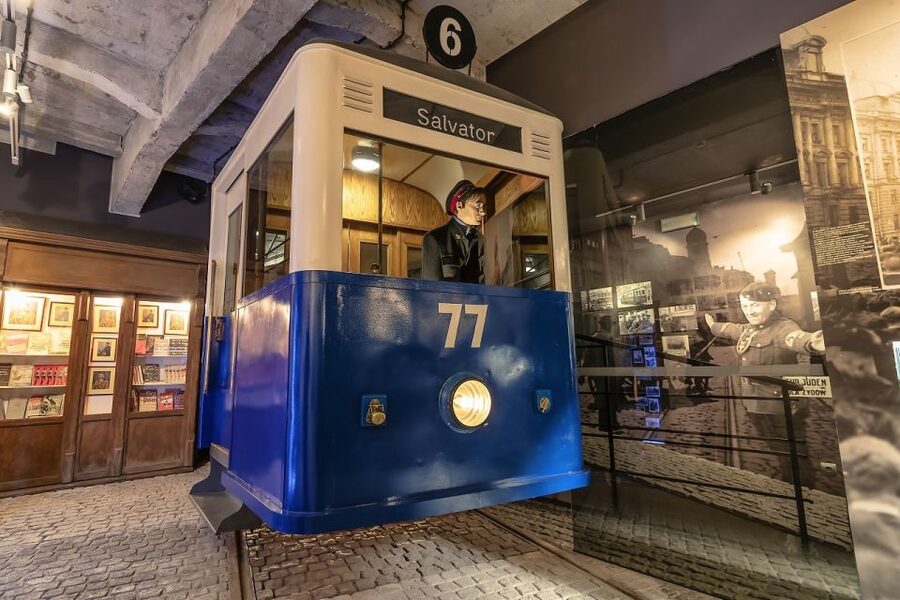
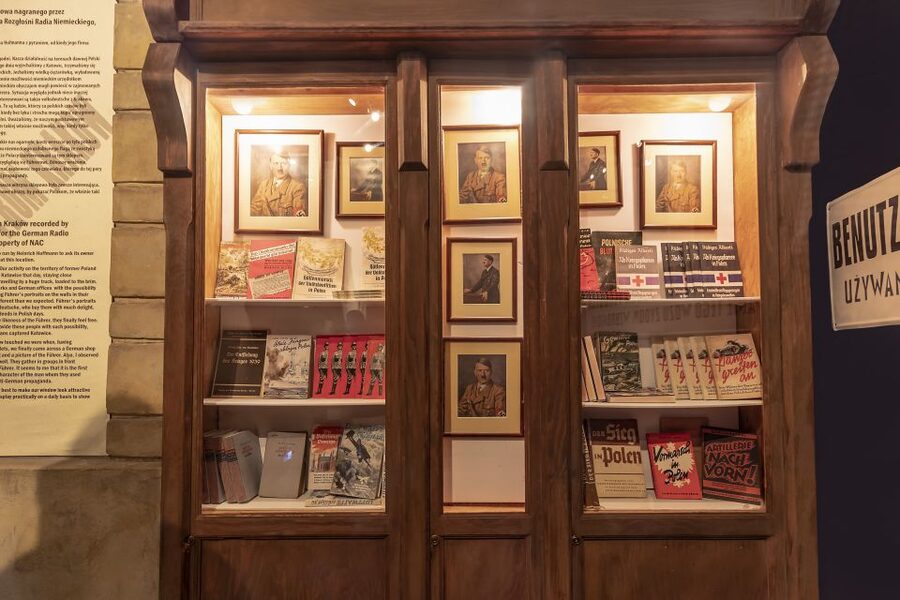
Oskar Schindler’s Enamel Factory is famous because of Steven Spielberg’s Schindler’s List, but the museum is not simply a memorial to one German businessman. It places Schindler’s story inside Krakow’s wider wartime experience: the Nazi invasion, the occupation of the city, the forced displacement of Jewish residents, daily life in the ghetto, and the later Russian occupation.
That wider frame matters. Without it, you may leave thinking only about Schindler as a brave industrialist who saved Jewish workers. The guided visit helps you understand the pressures around him, the machinery of occupation, and the uncertain choices people faced.
Your guide meets you at the entrance to the museum. Once inside, the tour usually spends about an hour and a half moving through the displays. The subject is serious, and the museum uses rooms, objects, photographs, and reconstructed settings to show how quickly normal life was broken apart.
A guide gives these displays order. You can read museum panels on your own, but it is easy to miss why a particular object matters or how one section connects to the next. Julie, one past participant, felt that a guide made a major difference because many exhibits would be difficult to understand without explanation. That is a fair point, especially if this is your first visit to Krakow or your first serious look at the city during the war.
More Schindler's Factory visits:
- Krakow: Oskar Schindler’s Factory Entry Ticket & Guided Tour
★ 4.2 · 3,793 reviews - Krakow: Schindler’s Factory Tour with Entrance Ticket
★ 4.5 · 3,182 reviews - Krakow: Schindler’s Factory Skip-the-Line Ticket
★ 4.4 · 3,105 reviews
Following Schindler’s story without turning it into a legend
The tour explains Schindler’s life and work, including the way his factory employed Jewish people during the Second World War. You hear how the factory became connected with the protection of Jewish workers, and how the events later inspired Spielberg’s film.
The guide also helps separate the true story from the polished version presented on screen. The film provides a powerful entry point, but the real history was more complicated and often less tidy. This is one reason the experience works best with a guide who can explain what you are seeing rather than simply point out familiar film connections.
Guides bring different strengths. Christopher has been praised for his passion and storytelling. Ela has been described as someone who connects the history of the city with personal feeling. Helena has shared a family connection to the Holocaust, which made the visit especially personal for some people. Joanna has led both the museum visit and the Podgórze walk, giving the whole afternoon a steady thread.
That personal element can make the tour more affecting, but it also means the tone may be emotional. You are not signing up for a light sightseeing stop. Expect difficult material, thoughtful pauses, and stories about displacement, fear, survival, and loss.
The museum’s narrow corridors and audio equipment
The museum can become crowded, particularly when a large guided group moves through its narrow corridors. Caroline found that the group size made it hard to stop at every display, even though the headsets helped her hear the guide. Another participant had trouble with the audio controls and eventually stopped using the device.
This is worth knowing before you book. The guided format gives you a clear route and expert explanation, but it does not guarantee quiet time at every exhibit. If you like to read every panel slowly, the pace may feel brisk. You will need to stay with the group and accept that some displays receive more attention than others.
The headsets are intended to solve a real problem. In a busy museum, they let you hear the guide without everyone crowding close. When they work, they are useful. If the audio is unreliable, the narrow rooms make it harder to catch every sentence, so stay near the guide and ask for clarification when needed.
One participant would have liked more information about the factory itself. That is a useful expectation to set. The visit is not a technical tour of enamel production. The factory is the setting for a wider story about occupation, Schindler, and Jewish workers.
A short break before the outdoor walk
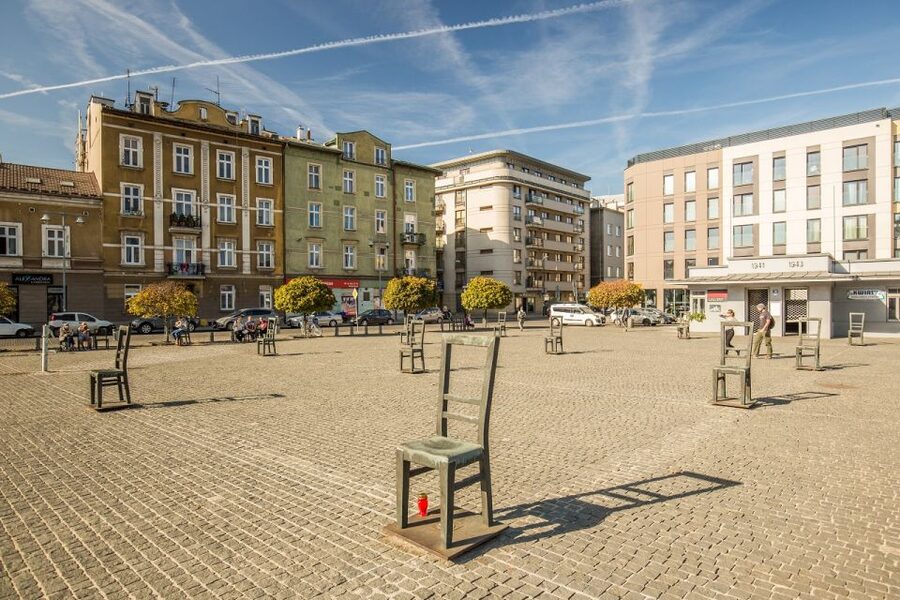
After the museum, expect a break of about 30 minutes before the walking section. This pause divides the experience neatly, but you should plan for it rather than assume the tour moves continuously.
The break may be useful after an intense museum visit. You can collect yourself before heading into Podgórze, where the tone changes from indoor exhibits to streets and memorials. Since food and drinks are not included, arrange those yourself if you need something during the pause.
The outdoor portion lasts about one hour. It is not a long hike, but you should be comfortable walking through city streets and standing while the guide explains each stop. The value is not distance. It is the connection between the museum’s broad story and the actual places where people lived.
More Jewish heritage walks in Krakow:
- Krakow: Schindler’s Factory & Ghetto Guided Tour
★ 4.7 · 1,694 reviews - Krakow: Jewish Quarter and Former Ghetto Tour
★ 4.9 · 1,441 reviews - Krakow: Bike Tour of Old Town, Jewish Quarter and the Ghetto
★ 4.9 · 1,155 reviews - Krakow: Kazimierz, Schindler’s Factory & Ghetto Guided Tour
★ 4.8 · 460 reviews
Podgórze, where the ghetto story becomes physical
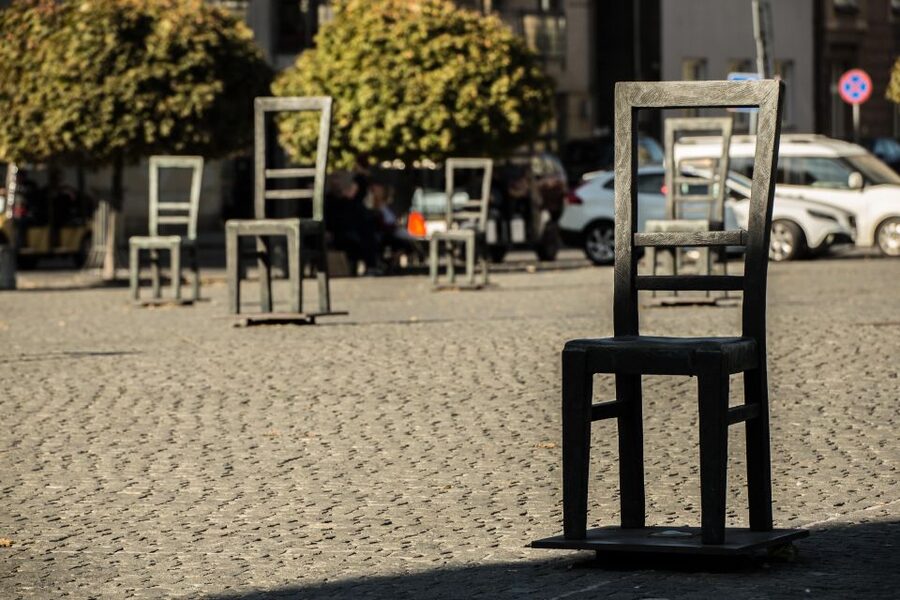
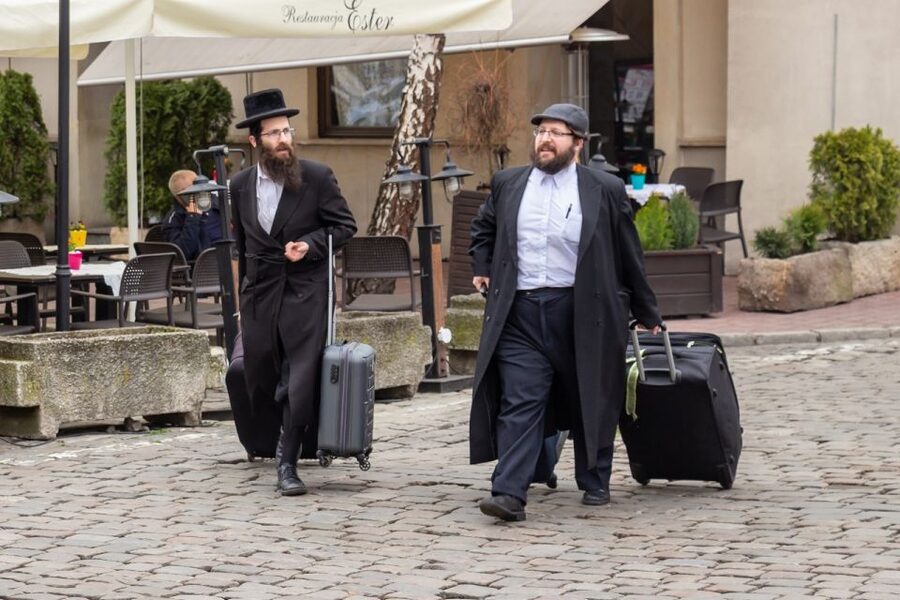
Podgórze was the site of Krakow’s Jewish Ghetto during the Nazi occupation. The walking tour takes you through streets where displaced Jewish residents were forced to live, helping you picture the scale of the upheaval in a way that museum displays cannot fully provide.
You see houses connected with the ghetto and part of the original wall that still survives. These are not grand ruins. That is precisely why they matter. A remaining wall section can make the system of confinement feel concrete, while ordinary buildings show that this history took place in a living neighborhood, not in some distant setting.
The guide explains what daily life was like under occupation and how Jewish residents experienced the ghetto. Listen for the details about space, movement, fear, and forced relocation. The walk is strongest when it stays close to human experience rather than treating the area as a collection of movie locations.
The outdoor section has generally been easier to follow than the museum portion because the group is smaller and the guide speaks directly to you. There is no dependence on audio controls in the same way. That difference can be a relief after the crowded indoor route.
Under the Eagle pharmacy and the 68 Empty Chairs
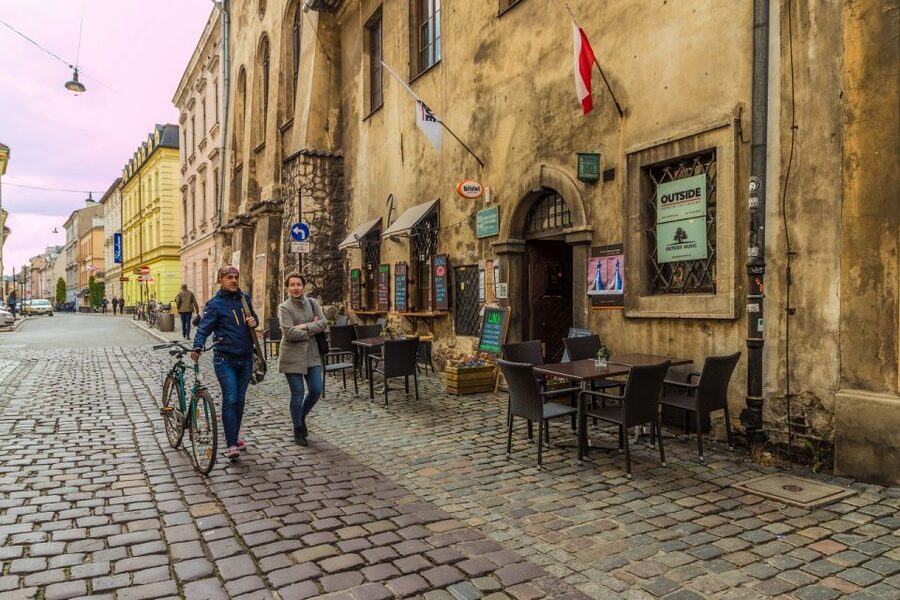
One important stop is the pharmacy known as Under the Eagle. The tour explains the role it played in the lives of Jewish people during the occupation. Its importance is not just architectural or historical. The pharmacy is tied to the practical ways people endured an oppressive system and found help in a confined community.
You also stop at the 68 Empty Chairs memorial in Heroes’ Square. The chairs represent the Jewish residents removed from the ghetto. Their empty forms make absence visible, and the square gives the group a place to pause rather than rush from one fact to the next.
This is one of the most memorable moments of the walk because the memorial communicates with very few objects. You do not need a long explanation to understand what the empty chairs suggest, but the guide adds the context that gives the symbol its full weight.
The ghetto walk is also where personal storytelling can have the greatest effect. Helena and Ela have been especially praised for bringing family links and personal feeling into the history. That can make the subject feel immediate, though it may also be emotionally demanding. Give yourself time afterward if you need a quieter evening.
Timing matters more than you might expect
The listed duration is three hours, but the experience is not three uninterrupted hours of walking. A typical pattern is about 90 minutes in the factory museum, a 30-minute break, and about one hour in Podgórze.
If you have a choice, I would favor an earlier start for the outdoor section. In mid-December, a 2:30 pm start can mean darkness by the time you reach the ghetto. The guide can still explain the sites, but it becomes harder to see the remaining wall and buildings clearly. Daylight makes the outdoor portion more visual and helps you notice the details being discussed.
In warmer months, timing is less of a problem, though the choice still affects the rest of your day. Check the available starting times when you book. From January 1, 2026, the museum’s schedule may cause the exact time to change, even if you select a preferred time.
That museum scheduling issue is outside the guide’s control. Keep your plans around the tour flexible, especially if you are arranging a timed meal, another museum, or an evening performance.
Is $58 a fair price?
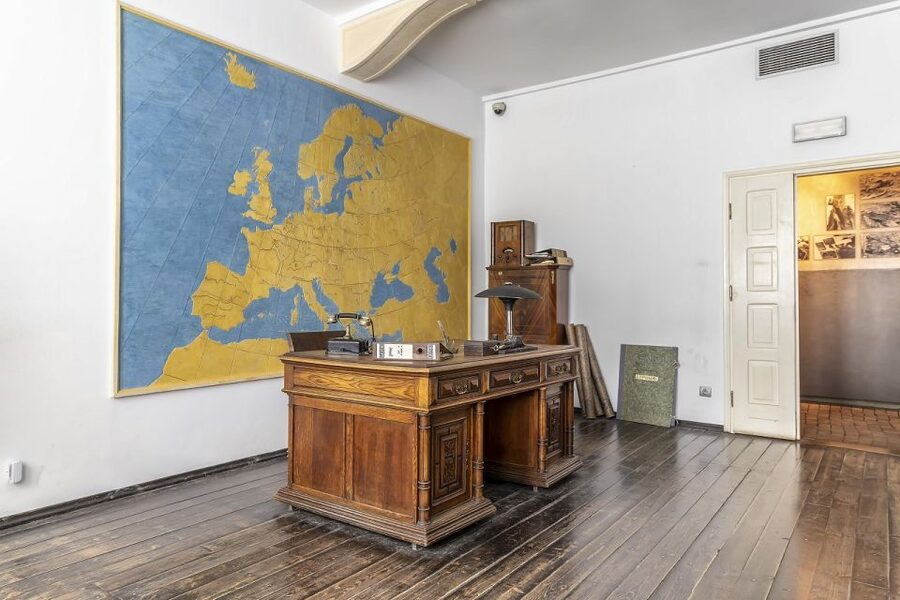
At $58 per person, this is not the cheapest way to visit Schindler’s Factory. You are paying for entry, a live guide, a structured museum tour, and the Podgórze walk. There is no food or drink included, and you will make your own way to the meeting point.
The value depends on what you want from the visit. If you only need access to the museum and prefer to read at your own speed, a self-guided visit may suit you better. If you want the factory and ghetto understood as one connected story, the added cost is easier to justify.
The outdoor walk is the strongest reason to choose this format. You could visit the museum alone, but it would be harder to connect the displays with the wall, homes, pharmacy, and memorial in Podgórze. The guide supplies the thread between those places.
The rating of 4.6 from 124 reviews supports a generally strong experience, but the detailed feedback also points to the limits: group size, audio problems, and not always enough time for every museum display. I would call the price fair for a visitor who values explanation and historical context, but less attractive for someone who wants a slow, solitary museum visit.
Who will get the most from this tour?
This tour suits you if you want to understand Krakow’s wartime history through both exhibits and real streets. It is especially useful if you have seen Schindler’s List and want to learn which events inspired the film, rather than treating the movie as the whole story.
It also suits visitors who prefer a guide for difficult subjects. The material can be hard to place in context without background knowledge, and a good guide can explain the sequence of events without forcing you to piece it together from separate signs.
You should think twice if you dislike group pacing or need to inspect every museum display at length. The factory visit may feel crowded, and the route continues even if you want to linger. A smaller outdoor group makes the second half more comfortable, but it does not change the pace inside the museum.
Families should consider the seriousness of the content and the emotional tone. The tour focuses on Nazi occupation, the ghetto, and the Holocaust. The supplied information does not set a minimum age, so you will need to judge whether the material is suitable for the people in your group.
The tour is offered in English, French, Spanish, German, and Italian. That makes it easier to choose a guide-led visit in a language you follow well, which is important when the subject depends on detail and careful explanation.
Practical details before you reserve
Meet at the entrance to Schindler’s Factory Museum and look for a guide holding an excursions.city sign. The experience includes museum entry, the guided factory visit, and the walking tour of Podgórze.
Food and drinks are not included. Wear shoes suitable for a city walk, and allow room in your schedule for the half-hour break between sections.
You can cancel up to 24 hours before the activity for a full refund, and the reserve now, pay later option keeps payment off your plate while your plans are still taking shape.
From January 1, 2026, provide the full name of every participant when reserving. You must also bring a passport or ID for entry because the museum uses personalized tickets. Without the required identification, entry may be refused.
Should you book the Schindler’s Factory and Ghetto tour?
I would book this tour if you want more than a museum ticket. The best feature is the pairing of Schindler’s Factory with Podgórze, especially the original wall, Under the Eagle pharmacy, and the 68 Empty Chairs. Together, these stops turn a film-linked museum visit into a fuller look at life under occupation.
Choose an earlier time when possible, stay close to the guide in the museum, and treat the three hours as a serious history experience rather than a quick attraction. If you can accept a potentially large museum group and some emotional subject matter, the $58 cost offers solid value.
If you prefer complete independence, slow reading, and quiet reflection, visit the museum on your own and explore at your pace. For most first-time visitors who want clear context and a guided connection to Podgórze, I think this tour is the better choice.
FAQ
How long does the tour last?
The experience lasts three hours. The museum visit takes about 90 minutes, followed by a break of about 30 minutes and a one-hour walking tour of Podgórze.
What does the tour include?
It includes a live guide, entry to Schindler’s Factory, a guided tour of the factory museum, and a walking tour of Podgórze.
What is not included?
Food and drinks are not included.
Where is the meeting point?
Meet at the entrance to Schindler’s Factory Museum. Look for a guide holding an excursions.city sign.
Which languages are available?
The tour is available in English, French, Spanish, German, and Italian.
Do I need identification for the museum?
From January 1, 2026, you must bring a passport or ID for entry and provide the full names of all participants when reserving. Museum entry may be denied without these documents.
Can I cancel the booking?
Yes. You can cancel up to 24 hours in advance for a full refund. The reserve now, pay later option lets you book without paying immediately.
Just added around Krakow
- Private Guided Tour: Oskar Schindler’s Factory★ 5.0 · 3 reviews
- E-Scooter Krakow sightseeing tour★ 5.0 · 3 reviews
- From Krakow: Zakopane and Thermal Pools Guided Trip★ 5.0 · 3 reviews
- Schindler’s Factory, Ghetto and Plaszow Camp Guided Tour★ 4.7 · 3 reviews
- Kraków: Private Hot Air Balloon Flight with Champagne★ 3.7 · 3 reviews
- Krakow: River Cruise & Guided Visit to Former Plaszow Camp★ 3.6 · 3 reviews
- From Krakow: Private Wieliczka Salt Mine Tour★ 4.0 · 3 reviews
- Krakow: Old Town short walk with St. Mary’s Basilica visit★ 5.0 · 3 reviews
Schindler's Factory Tours, compared.

Oskar Schindler’s Factory Entry Ticket & Guided Tour
Read our review →
Schindler’s Factory Tour with Entrance Ticket
Read our review →
Schindler’s Factory Tour with Entrance Ticket
Read our review →
Schindler’s Factory in Krakow: Guided Tour & Skip the Line Ticket
Read our review →

Schindler’s Factory Ticket with Guided Tour Option
Read our review →
Krakow Schindler’s Factory Guided Tour with Admission Ticket
Read our review →Browse the lists this tour appears in