
Reviewed · SCHINDLER'S FACTORY TOURS
Krakow: Schindler’s Factory & Ghetto Guided Tour
Krakow’s Schindler’s Factory Museum does more than tell the story of one German businessman. Its exhibition, Krakow Under Nazi Occupation, puts you inside the city’s wartime years, then carries the lesson outside into Podgórze, where the Jewish ghetto once stood. I like the way the tour links museum displays with real streets, surviving walls, and buildings. I also like having a live guide to explain what you are seeing, especially since the subject calls for care and context.
The main drawback is the strict schedule. Late arrivals are not admitted, and there is no refund for missing the entry time. At $58 per person, this is a fair choice if you want a guided museum visit and neighborhood walk in one booking, but less appealing if you prefer to explore slowly on your own.
In This Review
- Key points at a glance
- Inside Schindler’s Factory and Krakow Under Nazi Occupation
- Walking Through Podgórze, the Former Jewish Ghetto
- The Pod Orłem Pharmacy and What It Represents
- Heroes’ Square and the 68 Empty Chairs
- How the $58 Price Measures Up
- Languages, Meeting Point, and Strict Entry Rules
- Who Will Get the Most From This Tour
- Should You Book the Schindler’s Factory and Ghetto Tour?
- FAQ
- How long does the Schindler’s Factory and Ghetto Tour last?
- What is included in the price?
- Are food and drinks included?
- Where is the meeting point?
- Which languages are available?
- What happens if I arrive late?
- Do I need identification to enter the museum?
- Can I cancel for a full refund?
- Can I reserve now and pay later?
Key points at a glance
- The museum and neighborhood connect: Start inside Schindler’s Factory, then walk through Podgórze to see the places discussed indoors.
- The focus is wartime Krakow: The exhibition explains daily life under Nazi occupation, not only Oskar Schindler’s rescue work.
- You see surviving physical evidence: The route includes part of the former ghetto wall and houses where displaced Jews lived.
- Heroes’ Square carries a powerful symbol: The Empty Chair Monument has 68 chairs, recalling the Jewish population forced from the ghetto.
- A guide adds essential context: The live tour is offered in English, French, German, and Italian.
- Timing matters: The museum does not accept late arrivals, so arrive early at the main entrance.
Inside Schindler’s Factory and Krakow Under Nazi Occupation
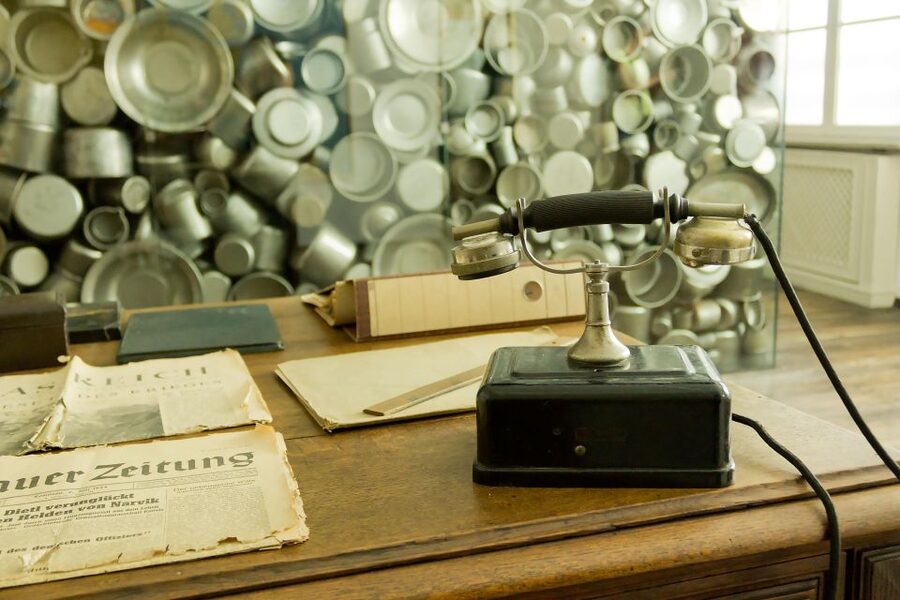
The tour begins at the main entrance to Schindler’s Factory Museum. Look for a guide holding a sign marked excursions.city. From there, you enter the museum with your professional guide and visit the permanent exhibition Krakow Under Nazi Occupation.
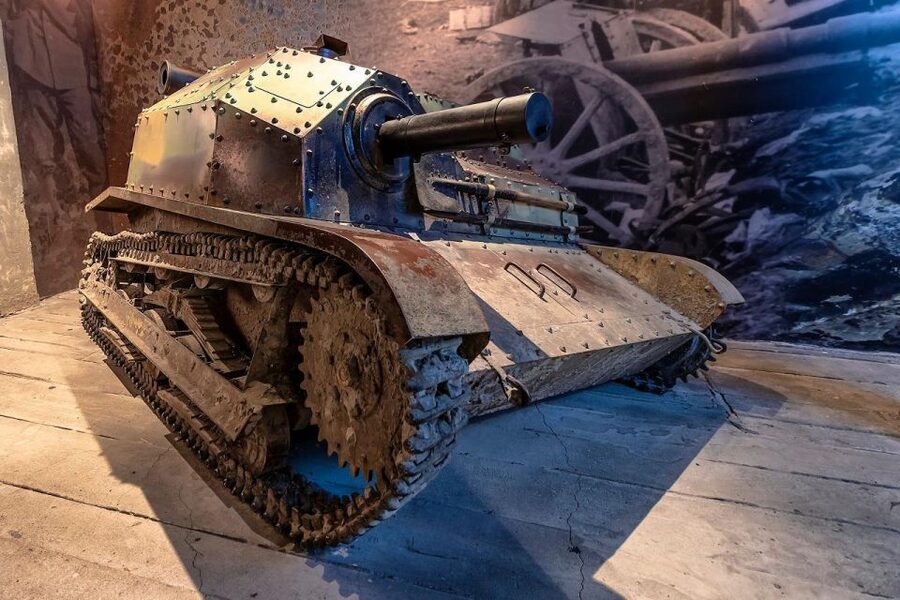
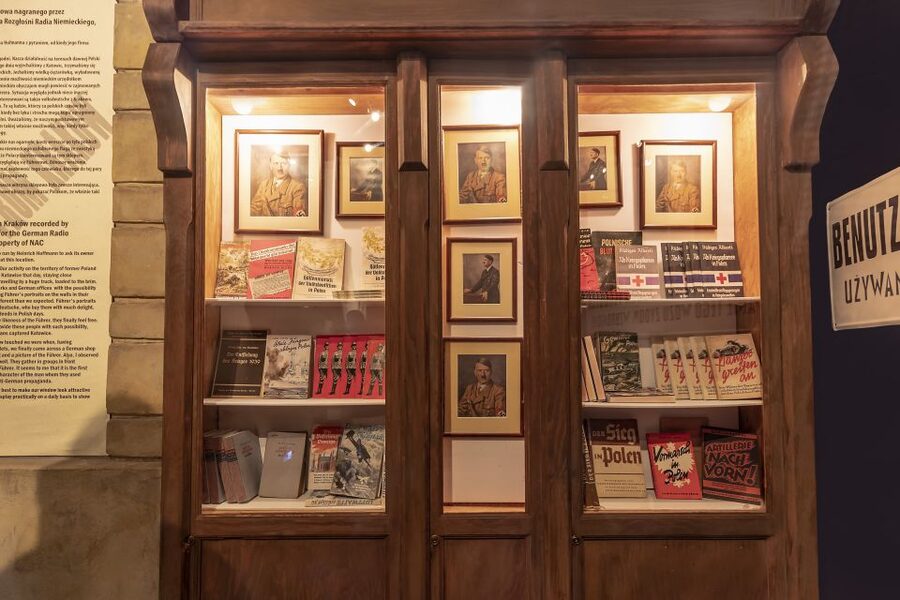
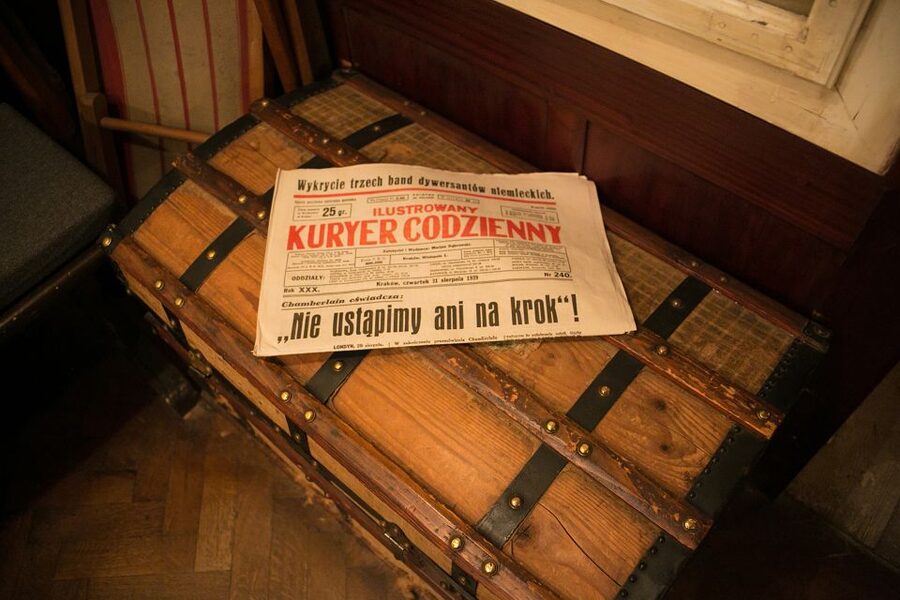
The exhibition tells the story of Krakow during the Second World War, including the daily realities of Nazi rule. That focus matters. You are not simply being handed the familiar story of a factory owner who helped many Jews. You are also shown the larger setting in which those choices took place: an occupied city, displaced families, restricted movement, and a ghetto that reshaped everyday life.
I find this museum-and-walk format especially useful because it gives you two kinds of understanding. Inside, the exhibition provides the broad framework. Outside, Podgórze gives that framework a physical setting. The streets are not just a backdrop for the story. They are part of the story.
Your guide can help sort out the many names, dates, and events connected with wartime Krakow. One English-language tour was led by Eva, who was praised for her passion and for answering questions at length. That detail is useful if you are deciding between a guided visit and a self-guided museum entry. A strong guide can make a serious subject easier to follow without reducing it to a quick list of facts.
The museum portion is likely the more structured part of the experience. You move through a prepared exhibition with a set entry time, then continue on foot through the district. Since the exact route and museum timing can be affected by the museum’s schedule, you should treat the advertised start time as a preferred time rather than an absolute guarantee from January 1, 2026 onward. The operator will provide the final timing.
More Schindler's Factory visits:
- Krakow: Oskar Schindler’s Factory Entry Ticket & Guided Tour
★ 4.2 · 3,793 reviews - Krakow: Schindler’s Factory Tour with Entrance Ticket
★ 4.5 · 3,182 reviews - Krakow: Schindler’s Factory Skip-the-Line Ticket
★ 4.4 · 3,105 reviews
Walking Through Podgórze, the Former Jewish Ghetto
After the museum, the tour moves into Podgórze. During the war, this district was the location of Krakow’s Jewish ghetto. The walk helps you understand the scale of the area and the way ordinary homes became part of a forced settlement.
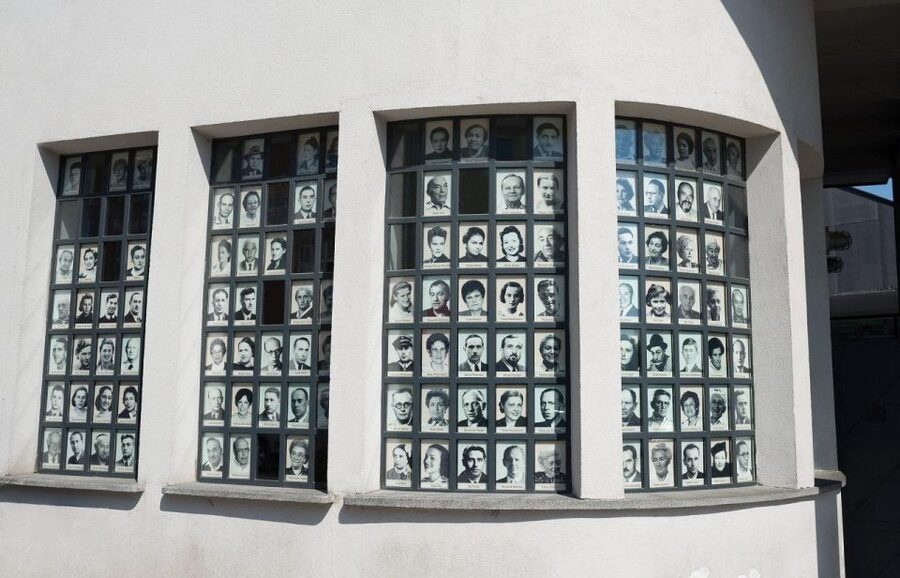
You will see houses where thousands of displaced Jews lived. That detail can be easy to miss when walking through a modern city. Buildings may look plain, but the guide’s explanation gives them weight. A residential street becomes evidence of how families were crowded into unfamiliar surroundings and separated from the rest of Krakow.
The route also includes part of the undestroyed wall that once surrounded the ghetto. This is one of the most useful stops because it gives you something concrete to look at. Photographs and museum panels can explain a boundary, but a surviving section of wall makes the system of confinement easier to picture.
I like this outdoor portion because it slows the experience down. You are not only looking at objects behind glass. You are walking between the places connected with the events. At the same time, do not expect a scenic stroll or a light sightseeing walk. The subject is painful, and the value comes from attention rather than entertainment.
The tour is listed as three hours, including the museum and walking tour. That is long enough to create a clear connection between the exhibition and Podgórze without turning into a full-day commitment. You should still wear practical walking shoes and leave room in your schedule. The tour has a fixed group timetable, and the museum’s entry rules leave little space for delays.
The Pod Orłem Pharmacy and What It Represents
The route includes the Pod Orłem pharmacy, an important location within the former ghetto. The stop adds another human detail to the tour’s picture of wartime life. A pharmacy is an ordinary type of place, yet in a confined district it could carry unusual importance for people trying to cope with fear, illness, shortages, and upheaval.
The guide’s role is particularly useful here. Without context, you might walk past the building and see only a historic site. With an explanation of its place in the ghetto story, you can connect the building to the people who relied on it and to the choices made there during the occupation.
This is one reason I would choose a guided visit over simply checking off the museum. The tour gives you a sequence of locations and explains why each one matters. It also lets you ask questions as they arise. Eva’s reported habit of giving detailed answers is exactly the sort of guide quality that suits a subject with no easy, one-line explanation.
Keep your expectations measured. The supplied details do not promise a special interior presentation at every outdoor stop or a long visit inside the pharmacy. The value is in seeing the location as part of the wider Podgórze route, with the guide joining the separate pieces together.
Heroes’ Square and the 68 Empty Chairs
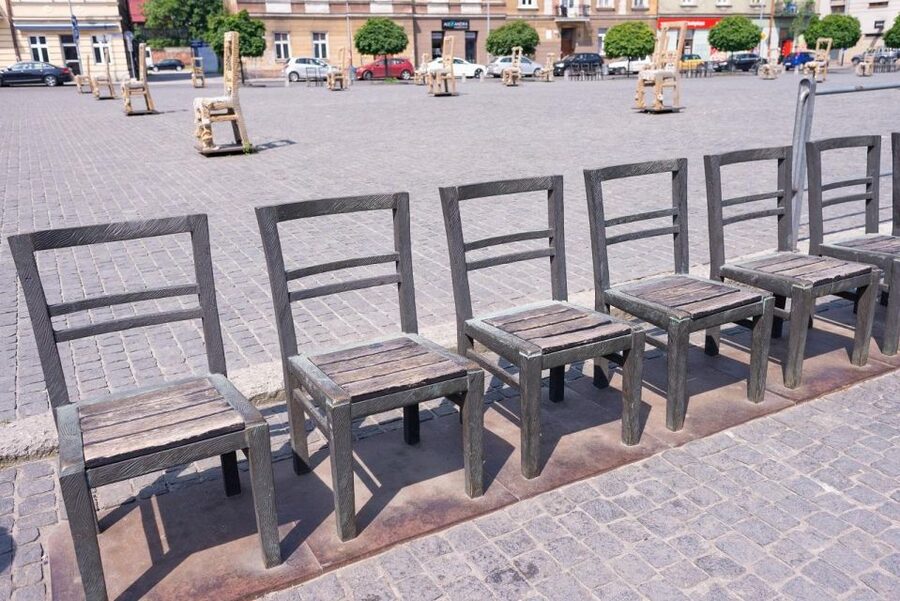
The final major stop is Heroes’ Square, known for the Empty Chair Monument. Its 68 chairs symbolize the Jewish people removed from the ghetto. The design is simple, but that simplicity gives the place force. A chair normally suggests a person who should be present. Here, the empty seats point to absence.
This stop works well at the end of the walk because you have already seen the former ghetto wall, the housing, and the pharmacy. By the time you reach the square, the monument is not an isolated symbol. It becomes a final image connected to the places you have just visited.
I appreciate that the tour includes this kind of public memorial rather than ending inside the museum. It leaves you with something to consider in the open city, where present-day Krakow and wartime memory occupy the same streets.
The monument also shows why a local walking tour can add value to a museum ticket. You can visit a museum alone and learn a great deal, but you may not automatically understand how the exhibition connects to Podgórze. This route makes that connection for you in a compact three-hour program.
More Jewish heritage walks in Krakow:
- Krakow: Schindler’s Factory & Ghetto Guided Tour
★ 4.7 · 1,694 reviews - Krakow: Jewish Quarter and Former Ghetto Tour
★ 4.9 · 1,441 reviews - Krakow: Bike Tour of Old Town, Jewish Quarter and the Ghetto
★ 4.9 · 1,155 reviews - Krakow: Kazimierz, Schindler’s Factory & Ghetto Guided Tour
★ 4.8 · 460 reviews
How the $58 Price Measures Up
The price is $58 per person. Included are admission to Schindler’s Factory Museum, a professional tour guide, and the walking tour through Podgórze. Food and drinks are not included.
For the right kind of visitor, the price is reasonable because you are paying for more than museum admission. You receive a planned combination of indoor interpretation and outdoor sites, plus a guide who can answer questions and explain the details between stops. You also avoid arranging the museum visit and neighborhood walk as two separate activities.
The value is strongest if you are short on time or visiting Krakow for the first time. The tour gives you a focused introduction to one of the city’s most important wartime subjects. It also reduces the chance of missing the surviving ghetto wall, Pod Orłem pharmacy, or Heroes’ Square while trying to find them yourself.
The value is weaker if you already know the museum well, have read extensively about Podgórze, or want to spend as long as you like at each display. A group tour follows a fixed schedule, so you trade some independence for structure and explanation.
Because food and drinks are excluded, plan to eat before or after the tour. No meal stop is promised. The key purchase here is historical context, not a broad city sightseeing package.
Languages, Meeting Point, and Strict Entry Rules
Tours are offered in English, French, German, and Italian. When booking, choose the language that lets you follow a serious and detailed subject comfortably. The two available review examples point to strong guide enthusiasm, including Eva’s English tour and another guide who answered questions in detail, but guide assignment can vary.
Meet in front of the main entrance to Schindler’s Factory Museum. Look for the guide with the inscription excursions.city. Do not rely on finding the group after the museum entry begins. The meeting point is specific, and the museum does not accept late arrivals.
This is the most important practical warning: arrive early. The activity is a group tour with a strictly defined schedule. If you miss the appointed entry time, you will not be admitted and cannot receive a refund for the missed tour. Build in extra time to reach the entrance and find the guide.
From January 1, 2026, the museum’s personalized tickets require the full names of all participants when you reserve. You must also bring a passport or ID for entry. Without those documents, admission may be refused. This is not the place to leave identification at your hotel.
The starting times can change because of the museum’s scheduling. You may select a preferred time, but the exact time is not guaranteed. Check the current availability before booking and keep the rest of your day flexible.
Who Will Get the Most From This Tour
I would recommend this experience to you if you want a guided introduction to Krakow’s wartime history and prefer a clear route over independent research. It suits first-time visitors, history-focused visitors, and anyone who wants the museum and Podgórze explained as one connected story.
It is also a good fit if you value the chance to ask questions. The praise for Eva’s detailed answers suggests that a guide can make a real difference here. The subject raises complicated issues, and a patient explanation is more useful than a rushed commentary.
Families with older children or teenagers might find the combination of museum displays and real streets easier to engage with than a museum alone, though the subject is serious and parents should judge the material for their group. The description does not provide a minimum age or a family-specific format, so you should check current booking details if that matters to you.
I would hesitate if you dislike fixed group schedules or want a quiet, unhurried museum visit. You also may prefer another option if you are looking mainly for Oskar Schindler’s personal story and do not want the wider history of Nazi-occupied Krakow. The exhibition gives Schindler an important place, but the tour’s subject is the city and the ghetto as a whole.
Free cancellation is available up to 24 hours before the activity for a full refund. You can also reserve now and pay later, which helps if your Krakow plans are still shifting.
Should You Book the Schindler’s Factory and Ghetto Tour?
Book this tour if you want a focused three-hour history experience that joins Schindler’s Factory with the streets of Podgórze. The surviving ghetto wall, former housing, Pod Orłem pharmacy, and 68 empty chairs give the museum visit a physical connection to the city.
At $58, it is best value when you want a guide, museum entry, and a prepared walking route in one package. Arrive early, bring the required ID, and accept the fixed timetable. If those conditions suit you, this is a thoughtful and efficient way to understand Krakow under Nazi occupation.
FAQ
How long does the Schindler’s Factory and Ghetto Tour last?
The tour lasts three hours and includes the museum visit and the walking tour through Podgórze.
What is included in the price?
The price includes a ticket to Schindler’s Factory Museum, a professional tour guide, and the walking tour.
Are food and drinks included?
No. Food and drinks are not included.
Where is the meeting point?
Meet your guide in front of the main entrance to Schindler’s Factory Museum. Look for a guide with the inscription excursions.city.
Which languages are available?
The live tour guide is available in English, French, German, and Italian.
What happens if I arrive late?
Schindler’s Factory Museum does not accept late arrivals. Because the group follows a strict schedule, you may be refused entry without a refund if you arrive after the appointed time.
Do I need identification to enter the museum?
From January 1, 2026, you must bring a passport or ID for entry. You must also provide the full names of all participants when booking because the museum uses personalized tickets.
Can I cancel for a full refund?
Yes. You can cancel up to 24 hours in advance for a full refund.
Can I reserve now and pay later?
Yes. The reserve now and pay later option lets you hold a place without paying at the time of booking.
Just added around Krakow
- Private Guided Tour: Oskar Schindler’s Factory★ 5.0 · 3 reviews
- E-Scooter Krakow sightseeing tour★ 5.0 · 3 reviews
- From Krakow: Zakopane and Thermal Pools Guided Trip★ 5.0 · 3 reviews
- Schindler’s Factory, Ghetto and Plaszow Camp Guided Tour★ 4.7 · 3 reviews
- Kraków: Private Hot Air Balloon Flight with Champagne★ 3.7 · 3 reviews
- Krakow: River Cruise & Guided Visit to Former Plaszow Camp★ 3.6 · 3 reviews
- From Krakow: Private Wieliczka Salt Mine Tour★ 4.0 · 3 reviews
- Krakow: Old Town short walk with St. Mary’s Basilica visit★ 5.0 · 3 reviews
Schindler's Factory Tours, compared.

Oskar Schindler’s Factory Entry Ticket & Guided Tour
Read our review →
Schindler’s Factory Tour with Entrance Ticket
Read our review →
Schindler’s Factory Tour with Entrance Ticket
Read our review →
Schindler’s Factory in Krakow: Guided Tour & Skip the Line Ticket
Read our review →

Schindler’s Factory Ticket with Guided Tour Option
Read our review →
Krakow Schindler’s Factory Guided Tour with Admission Ticket
Read our review →Browse the lists this tour appears in