
Reviewed · SCHINDLER'S FACTORY TOURS
Kraków: Schindler’s Factory & Jewish Ghetto Guided Tour
Kraków’s Schindler’s Factory tells a larger story than the name suggests. You learn about Oskar Schindler, but the main subject is wartime Kraków: how Nazi occupation changed daily life, confined Jewish residents, and destroyed much of the city’s Jewish community. I especially like the original photographs and artifacts and the walk through the former ghetto afterward. It connects the museum’s exhibits with the actual places where these events unfolded.
I also like the way the tour includes Ghetto Heroes Square and its chair memorial, a simple but powerful reminder of the people deported from the square. The main drawback is the museum’s tight design. A group can exceed 25 people, and in narrow rooms you may need to stay close to the guide to see and hear everything clearly.
In This Review
- Key points to know before booking
- What the three-hour tour actually covers
- Inside Schindler’s former enamel factory
- Why the exhibition’s narrow rooms matter
- Oskar Schindler in the wider wartime story
- Walking to the remains of the Ghetto Walls
- Ghetto Heroes Square and the Chair Memorial
- Under the Eagle Pharmacy and Tadeusz Pankiewicz
- How good is the guiding?
- Is $58 a fair price?
- Who should book this experience?
- Should you book the Schindler’s Factory and Ghetto tour?
- FAQ
- How long is the Schindler’s Factory and Jewish Ghetto tour?
- What is included in the price?
- Is hotel pickup included?
- Where does the tour meet?
- Which languages are available?
- Does the factory still contain Schindler’s original machinery?
- What happens if I arrive late?
- Can I cancel the booking?
Key points to know before booking
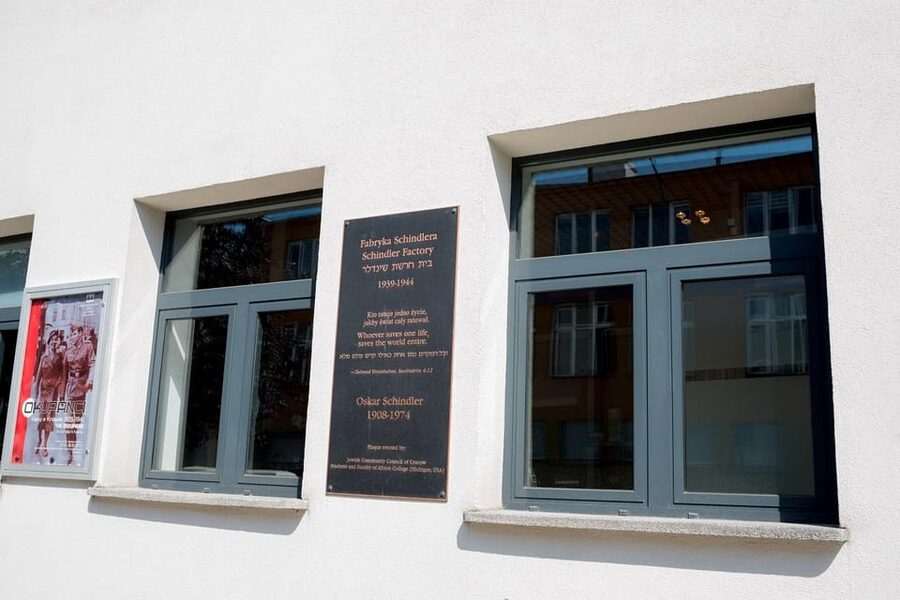
- The museum is about wartime Kraków, not only Schindler: The exhibition follows Jewish and non-Jewish residents through the Nazi occupation.
- The three-hour route combines indoor and outdoor history: You visit Schindler’s Factory, then walk to the former Jewish Ghetto.
- The Chair Memorial gives Ghetto Heroes Square its emotional force: Each chair represents a life lost during the deportations.
- Under the Eagle Pharmacy adds a personal story of help and resistance: Tadeusz Pankiewicz and his staff aided people trapped in the ghetto.
- The factory has no original machinery today: It is a museum in the former factory building, not a preserved industrial site.
- Arrive at least 10 minutes early: Latecomers cannot join after the group leaves, and the ticket cannot be refunded.
What the three-hour tour actually covers
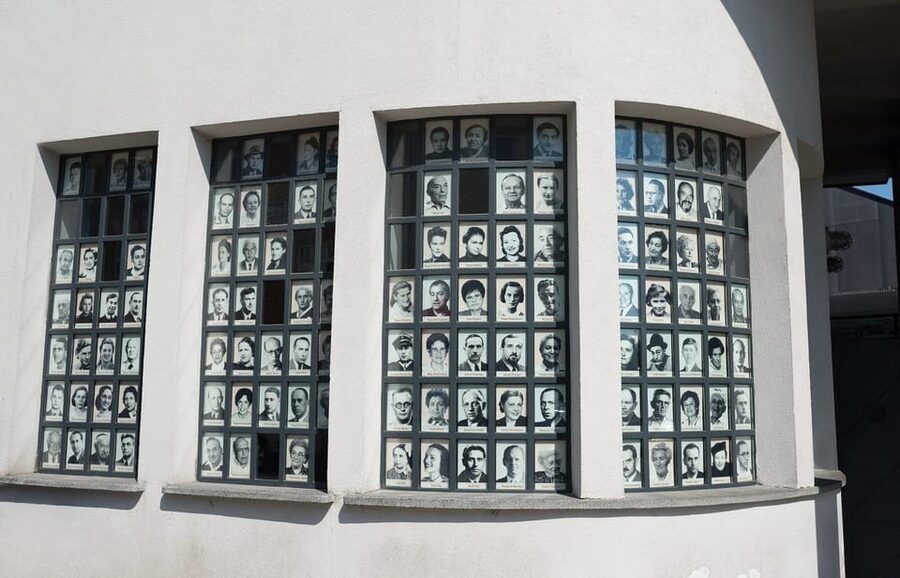
This is a compact history tour with two distinct parts. The first takes place inside Schindler’s former enamel factory, now home to the exhibition Kraków under Nazi Occupation 1939 to 1945. The second is a guided walk through the former Jewish Ghetto, with several important outdoor stops.
That mix is a strength. The museum gives you dates, images, objects, and personal stories. The walking section then places the history in the streets and squares of present-day Kraków. You are not simply looking at displays. You are also seeing the physical setting where confinement, deportation, and acts of courage took place.
The tour lasts about three hours, so it is long enough to give the subject proper attention without taking up an entire day. Still, this is not a light sightseeing outing. The subject is painful, and the exhibition’s narrow corridors and dim rooms are designed to create a feeling of pressure and fear. You should allow yourself time afterward to process what you have seen.
More Schindler's Factory visits:
- Krakow: Oskar Schindler’s Factory Entry Ticket & Guided Tour
★ 4.2 · 3,793 reviews - Krakow: Schindler’s Factory Tour with Entrance Ticket
★ 4.5 · 3,182 reviews - Krakow: Schindler’s Factory Skip-the-Line Ticket
★ 4.4 · 3,105 reviews
Inside Schindler’s former enamel factory
The museum’s building is tied to Oskar Schindler, the German industrialist whose factory employed and protected more than a thousand Jewish workers. That story is part of the visit, but it is not the entire focus.
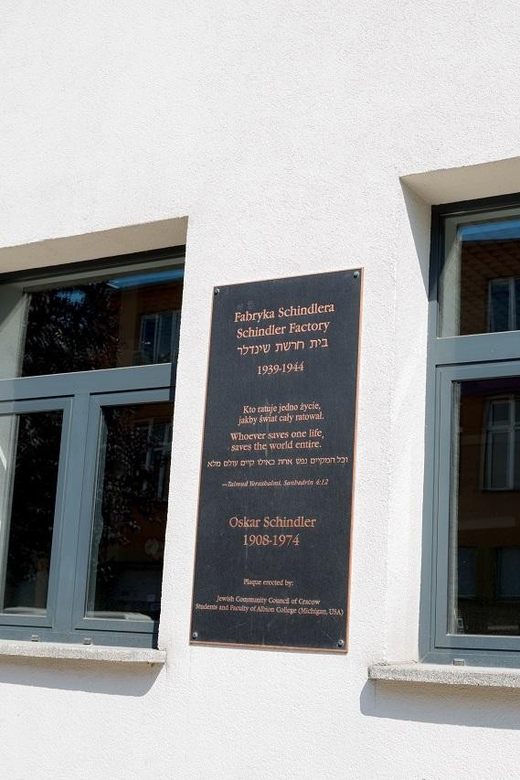
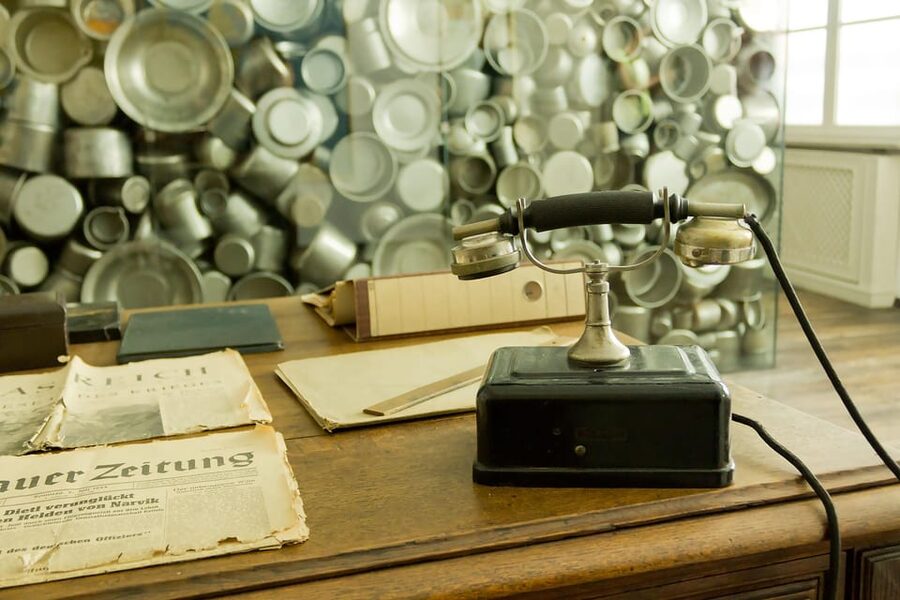
This distinction matters. If you arrive expecting a museum filled with Schindler’s personal belongings or a detailed display of factory machinery, you may be disappointed. The building once housed his factory, but it no longer contains the original machinery. The exhibition instead uses the site to tell the story of Kraków under Nazi rule.
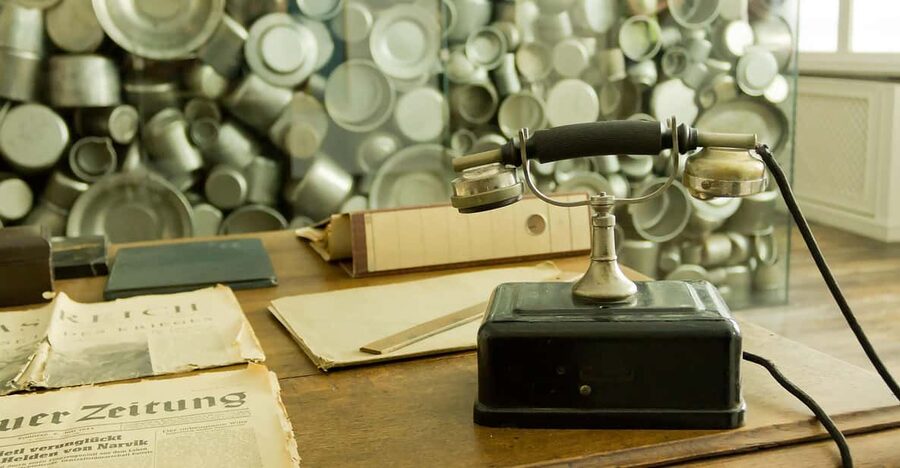
You move through rooms with photographs, documents, objects, and reconstructed settings. The displays explain how the occupation affected work, housing, family life, religion, policing, and movement around the city. The result gives you a sense of how quickly ordinary routines could be controlled or taken away.
Schindler’s story gains weight because it is placed beside the fate of the people he tried to help. His actions were unusual, but they make more sense when you understand the wider system of forced labor, persecution, deportation, and murder. The tour presents him as one person acting within a much larger catastrophe.
One point to keep in mind is that Schindler and the factory may receive less attention than the title suggests. The main exhibition is about the city and its residents. If your interest is specifically in Schindler’s life or the making of the film Schindler’s List, this tour may feel broader than expected.
Why the exhibition’s narrow rooms matter
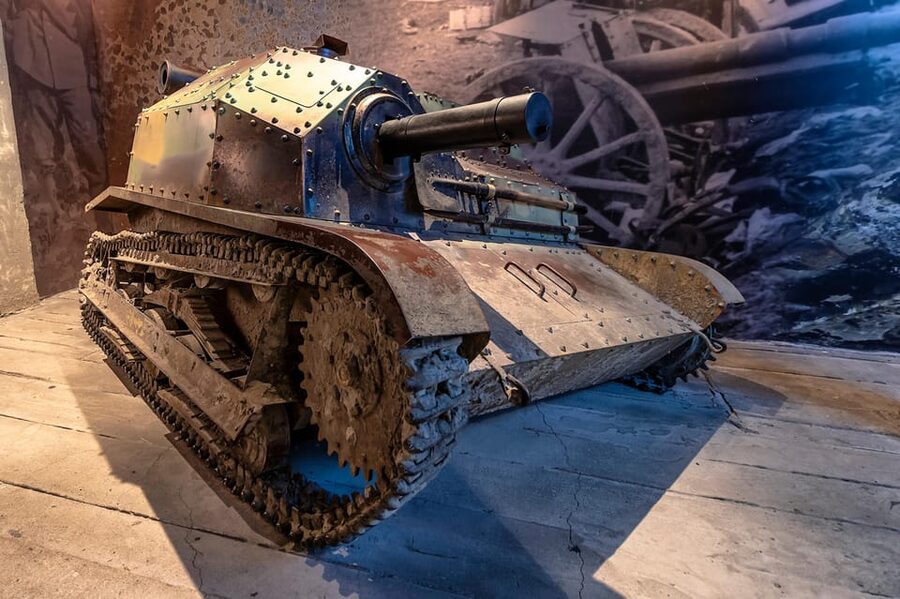
The museum uses narrow passages and darkened spaces to recreate the mood of wartime Kraków. This is not a comfortable gallery layout where you stroll from one bright display case to the next. The design presses you forward and limits your view, which helps communicate the lack of freedom people faced during the occupation.
It also creates a practical problem. If the group is large, only the people near the guide may have a clear view of the object or photograph being discussed. A French-speaking participant specifically noted that a group of more than 25 made it hard for everyone to see the explanation in the tight museum rooms.
For the best experience, arrive early and stay near the guide once inside. You may also want to ask the guide to repeat a point if the room becomes crowded or noisy. This is one of those tours where group size affects the experience more than it would at a wide outdoor monument.
The guide’s role is important here. A strong guide can connect the displays, explain the political setting, and keep the story clear without reducing it to a list of dates. The available tours are led in English, French, Italian, German, or Spanish. Feedback about the guiding has been especially strong, with praise for clear explanations, a friendly manner, and a serious grasp of history and politics.
Oskar Schindler in the wider wartime story
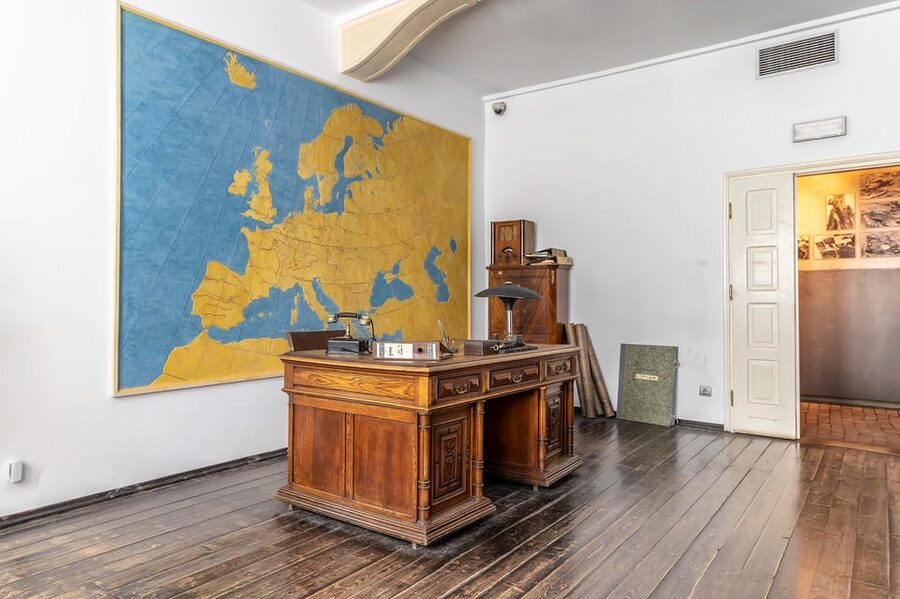
Schindler is best understood through contrast. The factory offered refuge and work to more than a thousand Jewish people, but that protection existed within a system that had already stripped Jewish residents of their rights and safety.
The exhibition follows the occupation from the German invasion in 1939 through the harsh measures imposed on Kraków’s population. You learn how the Jewish community was forced into a confined area and how deportations later carried people away to extermination camps. The subject is difficult, but the museum’s wider focus prevents the story from becoming a simple tale of one heroic individual.
I find this approach more useful than a narrow biography. It shows the scale of the disaster while still giving room to individual decisions. You see how institutions, streets, workplaces, and homes became part of the machinery of persecution. You also see why small acts of help could carry such great risk.
The tour does not turn the experience into entertainment. Expect a sober visit, with emotionally heavy material and images that may be upsetting. That tone is appropriate, but families should consider the age and sensitivity of younger children before booking.
More Jewish heritage walks in Krakow:
- Krakow: Schindler’s Factory & Ghetto Guided Tour
★ 4.7 · 1,694 reviews - Krakow: Jewish Quarter and Former Ghetto Tour
★ 4.9 · 1,441 reviews - Krakow: Bike Tour of Old Town, Jewish Quarter and the Ghetto
★ 4.9 · 1,155 reviews - Krakow: Kazimierz, Schindler’s Factory & Ghetto Guided Tour
★ 4.8 · 460 reviews
Walking to the remains of the Ghetto Walls
After the museum, the tour continues on foot through the former Jewish Ghetto. The first stop is the remaining section of the ghetto walls.
Only fragments remain, but they make the idea of confinement easier to grasp. A wall is more direct than a paragraph in a display. It shows how a neighborhood was physically separated from the rest of the city and how residents were forced to live within strict boundaries.
The walk also changes the pace of the visit. You leave the museum’s controlled rooms and move through the city, but the subject follows you. The guide explains what happened in these places and helps you connect the modern streets with their wartime purpose.
Because the route is outdoors, wear practical footwear and check the forecast. The tour runs in rain or shine, and weather can affect how comfortable you feel during the walking section. A waterproof jacket or warm layers may matter more here than they would on a museum-only visit.
Ghetto Heroes Square and the Chair Memorial
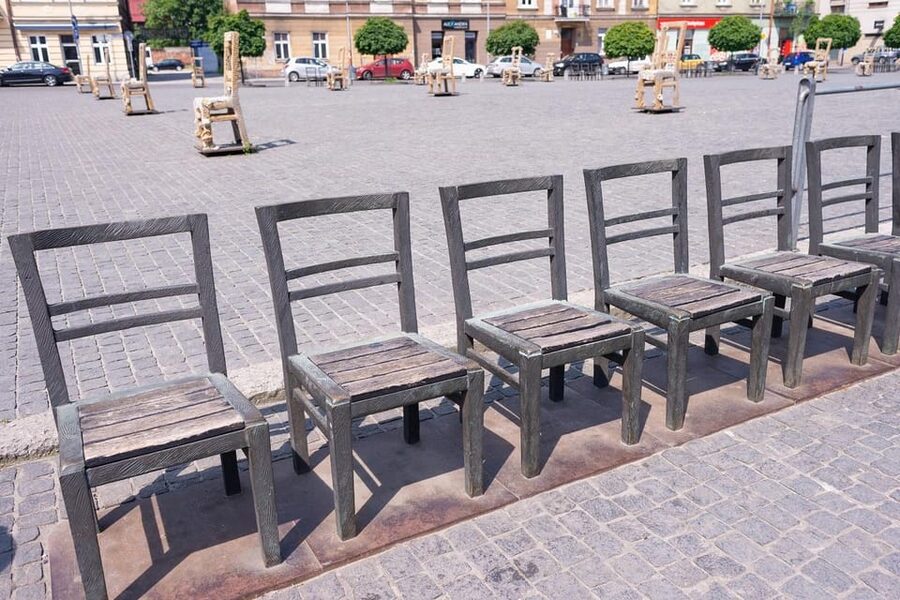
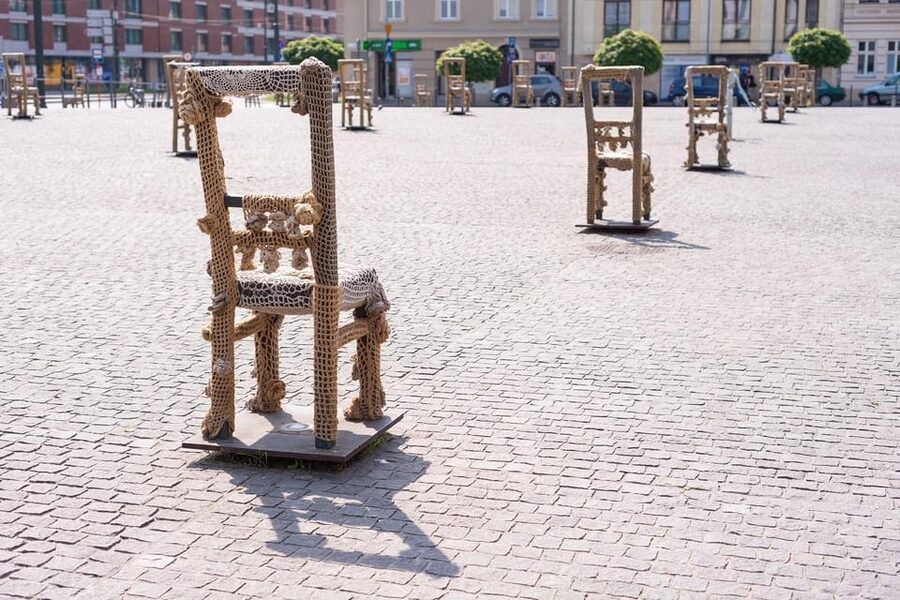
Ghetto Heroes Square is the emotional center of the outdoor portion. During the occupation, deportations to extermination camps took place here. Today, the square contains the Chair Memorial, a group of large empty chairs arranged across the space.
The chairs are difficult to forget. They suggest furniture left behind in abandoned homes, but they also represent people who were removed from the square and from the city. The design is simple, which gives your guide room to explain the events without competing with an elaborate monument.
This stop rewards quiet attention. You do not need a long speech to understand the meaning of the empty chairs, but the guide adds the dates and context that make the memorial more than a striking photograph. The square becomes a place to think about absence, forced movement, and the destruction of families and neighborhoods.
If you have only a short time in Kraków, this is one of the strongest reasons to choose the guided route rather than visiting the museum alone. The memorial connects the museum’s history to a real public place, and the guide explains why the square mattered during the deportations.
Under the Eagle Pharmacy and Tadeusz Pankiewicz
Across from the square is Under the Eagle Pharmacy. During the occupation, pharmacist Tadeusz Pankiewicz and his staff helped people living in the ghetto. They supplied medicine, preserved a measure of communication, and offered support in a place where ordinary care had become dangerous.
This story adds a different kind of focus to the tour. Schindler’s factory shows how a workplace could protect people. The pharmacy shows how a small business and its staff could provide medicine, information, and hope under extreme conditions.
The stop also reminds you that resistance did not always look like armed action. Keeping medicine available, helping a neighbor, or treating someone with dignity could be an act of courage. Your guide places the pharmacy within the broader story of the ghetto, so it does not feel like an isolated anecdote.
The available information does not specify how much time the group spends inside the pharmacy, so you should think of it primarily as a guided historical stop within the walking route. The value comes from the explanation and setting, not from expecting a long standalone museum visit.
How good is the guiding?
A licensed guide is included, and the quality of the explanation matters greatly on this tour. The subject has many dates, names, political changes, and painful events. Without context, you might leave with a series of sad images but little sense of how the occupation reshaped Kraków.
The strongest guiding style for this experience is clear, measured, and personal without becoming theatrical. One guide was praised for a deep background in history and politics, concise explanations, and a genuine concern that the group understood the material. Another was described as informative and friendly. That combination is exactly what this subject needs.
Guide names are not provided in the booking details, so you cannot select a particular person. You can select a language: English, French, Italian, German, or Spanish. If you are not close enough to hear, speak up early. The narrow galleries make it harder for a guide to reach everyone than it would be in an open square.
Is $58 a fair price?
At $58 per person, the tour is not the cheapest way to see Schindler’s Factory. You are paying for admission, a licensed guide, skip-the-line access, and the added walking tour through the ghetto.
The value depends on how much help you want with the history. If you visit the museum alone, you can save money, but you will need to build the connections yourself. This guided option links Schindler’s factory with the ghetto walls, Ghetto Heroes Square, the Chair Memorial, and Under the Eagle Pharmacy in one three-hour program.
Skip-the-line entry is also useful at Kraków’s most popular museum. It does not make the galleries less crowded, but it can save time at the entrance. That matters if you have only a few days in the city.
I would consider the price reasonable for a first visit, especially if you value context and have no wish to research the occupation before arriving. It is less attractive if you are a confident independent museum visitor, want to spend a long time reading every panel, or are interested only in Schindler himself.
Who should book this experience?
This tour suits you if you want a clear introduction to Kraków during Nazi occupation and prefer a guide to explain the difficult material. It is also a good choice if you want to combine the museum with the former ghetto instead of arranging two separate visits.
History students, first-time visitors to Kraków, and anyone interested in Jewish heritage will find the route useful. The outdoor portion adds meaning to the museum, while the museum gives the street stops needed context.
You may want another option if you dislike guided groups, need a slow museum pace, or find dim, narrow spaces uncomfortable. Groups can be larger than 25, and crowded rooms may make it difficult to see every display. You should also think carefully about the emotional weight of the subject before bringing young children.
Book only if you can arrive at the meeting point in front of the main entrance with the excursions.city sign at least 10 minutes early. The group cannot wait for late arrivals.
Should you book the Schindler’s Factory and Ghetto tour?
Book it if you want the full connection between the museum and the streets of the former ghetto. The strongest parts are the clear guiding, the Chair Memorial at Ghetto Heroes Square, and the story of Under the Eagle Pharmacy. Together, they turn a museum visit into a grounded history lesson about people and places.
Keep your expectations precise. This is not mainly a machinery museum or a complete biography of Oskar Schindler. It is a serious account of wartime Kraków, with Schindler’s actions set within the wider destruction of the Jewish community.
At $58, the tour earns its price through the guide, admission, and three-hour route. I would choose it for a first visit, arrive early, stay near the guide inside the tight galleries, and wear shoes suited to the outdoor walk.
FAQ
How long is the Schindler’s Factory and Jewish Ghetto tour?
The tour lasts three hours and includes the museum visit and the walking tour of the former Kraków Jewish Ghetto.
What is included in the price?
The price includes a licensed expert guide, skip-the-line admission to Schindler’s Factory, and the guided walking tour of the Kraków Ghetto.
Is hotel pickup included?
No. Hotel pickup and drop-off are not included.
Where does the tour meet?
The guide meets you in front of the main entrance to Schindler’s Factory Museum, holding an excursions.city sign.
Which languages are available?
Tours are available in English, French, Italian, German, and Spanish.
Does the factory still contain Schindler’s original machinery?
No. The building once housed Schindler’s factory, but it is now a museum and does not contain the original machinery.
What happens if I arrive late?
You must arrive 10 minutes before the tour begins. Once the group has left, latecomers cannot join, and the ticket cannot be refunded.
Can I cancel the booking?
Yes. You can cancel up to 24 hours before the tour for a full refund. A reserve-now, pay-later option is also available.
Just added around Krakow
- Private Guided Tour: Oskar Schindler’s Factory★ 5.0 · 3 reviews
- E-Scooter Krakow sightseeing tour★ 5.0 · 3 reviews
- From Krakow: Zakopane and Thermal Pools Guided Trip★ 5.0 · 3 reviews
- Schindler’s Factory, Ghetto and Plaszow Camp Guided Tour★ 4.7 · 3 reviews
- Kraków: Private Hot Air Balloon Flight with Champagne★ 3.7 · 3 reviews
- Krakow: River Cruise & Guided Visit to Former Plaszow Camp★ 3.6 · 3 reviews
- From Krakow: Private Wieliczka Salt Mine Tour★ 4.0 · 3 reviews
- Krakow: Wheels & Heels Entrance Ticket★ 5.0 · 3 reviews
Schindler's Factory Tours, compared.

Oskar Schindler’s Factory Entry Ticket & Guided Tour
Read our review →
Schindler’s Factory Tour with Entrance Ticket
Read our review →
Schindler’s Factory Tour with Entrance Ticket
Read our review →
Schindler’s Factory in Krakow: Guided Tour & Skip the Line Ticket
Read our review →

Schindler’s Factory Ticket with Guided Tour Option
Read our review →
Krakow Schindler’s Factory Guided Tour with Admission Ticket
Read our review →Browse the lists this tour appears in