
Reviewed · SCHINDLER'S FACTORY TOURS
Schindler’s Factory and Jewish Ghetto Walking Tour in Kraków
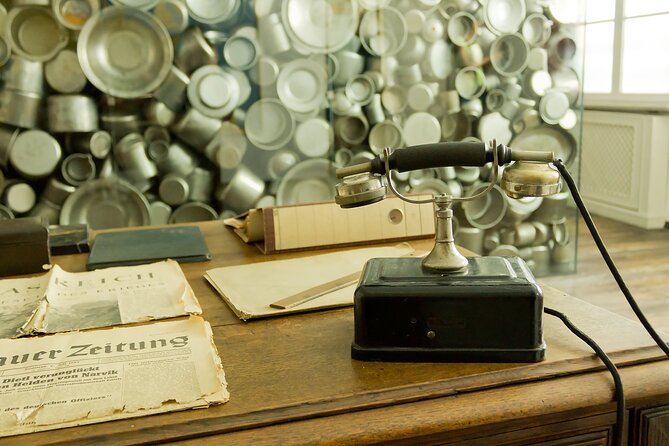
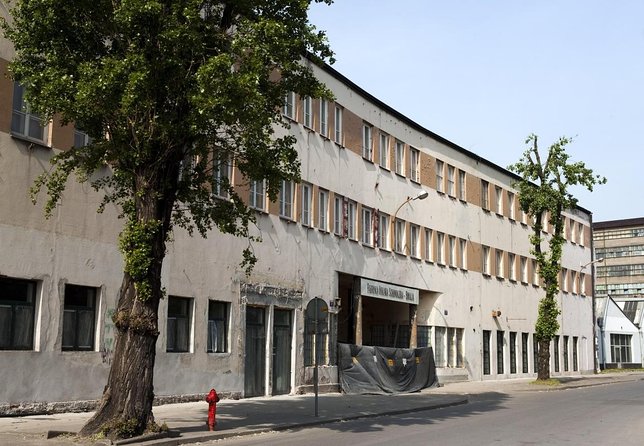
Schindler’s Factory is not a preserved factory floor with rows of enamel pots and machinery. It is a powerful museum about Kraków under Nazi occupation, with Oskar Schindler’s story woven through it. The walking portion then carries you into Podgórze, where a remaining ghetto wall, Ghetto Heroes Square, and Under the Eagle Pharmacy give the museum’s story a physical setting.
I like the prebooked museum ticket, which saves you from arranging separate admission to one of Kraków’s most popular museums. I also like the way the guide connects photographs and documents inside the museum with the actual streets outside, often using old images to help you picture places that no longer look as they did.
The main caution is that the museum can feel crowded, especially in its narrow passageways. A fast-speaking guide or a large group can make it hard to hear and see everything, so arrive at least 10 minutes early, stay close, and consider this tour an introduction rather than a quiet, personal visit.
In This Review
- Key points at a glance
- What Schindler’s Factory really shows you
- The 90-minute museum visit
- Following the ghetto wall in Podgórze
- Ghetto Heroes Square and the Chair Memorial
- Under the Eagle Pharmacy and Tadeusz Pankiewicz
- Is $58.81 good value?
- Timing, language, and practical details
- Who should book this Kraków tour?
- Should you book it?
- FAQ
- Where does the tour begin?
- Where does the tour end?
- How long does the experience last?
- Is admission to Schindler’s Factory included?
- Is entry to Under the Eagle Pharmacy included?
- What exhibition will I see at Schindler’s Factory?
- Is the original factory equipment still inside?
- Is the tour offered in English?
- How large can the group be?
- What happens if I arrive late?
- Do I need to provide participant names?
Key points at a glance
- Schindler’s Factory is mainly an occupation museum: You learn about Kraków from 1939 to 1945, not just Oskar Schindler and his factory.
- The 90-minute museum visit has prebooked admission: Your guide selects the key displays and explains the people behind the photographs and objects.
- The outdoor section adds essential context: You walk to a surviving ghetto wall fragment, Józefińska Street, Ghetto Heroes Square, and Under the Eagle Pharmacy.
- Personal stories make the tour memorable: Guides such as Phil, Joanna, Magdalena, Alicja, and Agnestia have been praised for clear explanations, family stories, and thoughtful storytelling.
- The tour is conducted in English: Groups are limited to 25 people, though the museum’s tight layout can still make listening difficult.
- The route takes about three hours, sometimes longer: The advertised timing is approximate, and one reported experience lasted close to four hours.
What Schindler’s Factory really shows you
The name can create a false picture. You are not entering an intact industrial museum devoted entirely to Oskar Schindler. The original building remains, but it no longer contains the factory’s production equipment.
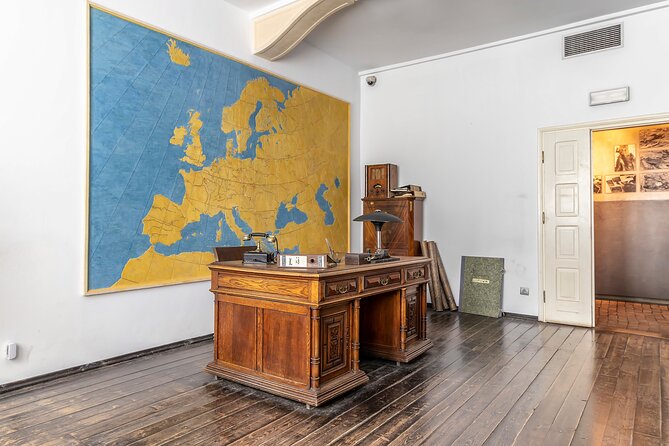
Instead, you enter the permanent exhibition Kraków under Nazi Occupation 1939 to 1945. It follows the city through the German occupation, showing how persecution affected Jewish residents, Polish residents, workplaces, schools, homes, and public life.
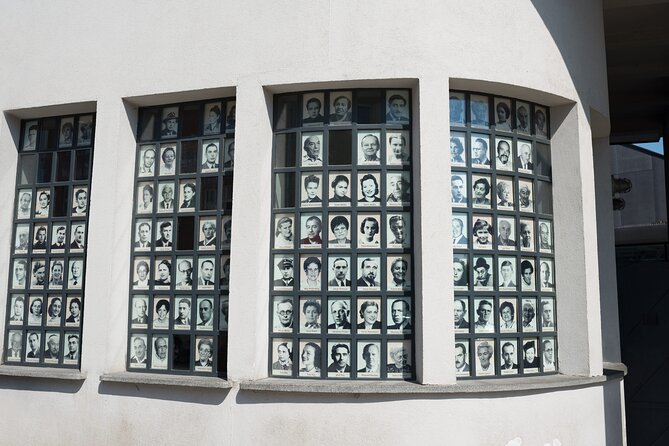
Schindler’s story gives the exhibition a human thread. He employed Jewish workers and used his position, contacts, and money to protect more than 1,000 people from deportation. The people he saved, often called Schindlerjuden, are not just a footnote. Their survival helps show how individual choices mattered inside a system built on fear and murder.
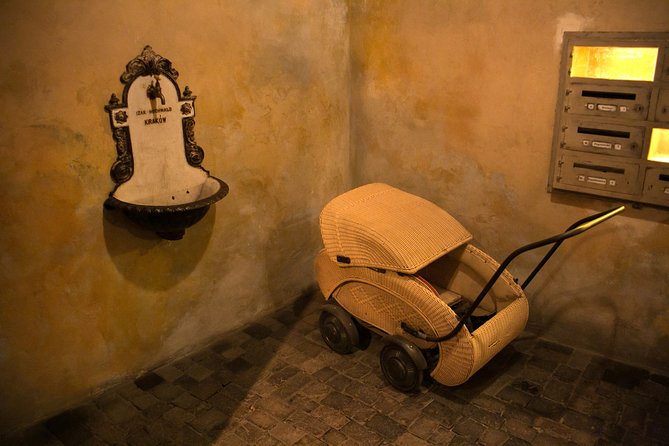
The displays use photographs, personal belongings, reconstructed streets, and period settings. You may find the museum emotionally demanding, since the design uses narrow passageways and close quarters to create a sense of wartime Kraków. That design helps the story, but it also explains why a group can feel cramped.
This is where a guide earns the admission price. The museum contains a great deal of material, and it is easy to spend too long reading one display while missing the larger story. A good guide points out the main objects, explains why they matter, and keeps the visit moving through the different stages of the occupation.
The strongest guide reports mention clear, thoughtful storytelling rather than a simple recital of dates. Magdalena, for example, was praised for combining family stories with her own research. Alicja was remembered for asking visitors to consider events from the viewpoint of the people living through them. Phil was praised for sustained explanation and strong engagement with the group.
Guide quality can vary, as it does on any shared tour. One experience was weakened by a guide speaking too quickly, while others found the guide easy to hear and willing to answer questions. Headsets have been provided on some departures, which helps, but you should still remain close to the guide.
More Schindler's Factory visits:
- Krakow: Oskar Schindler’s Factory Entry Ticket & Guided Tour
★ 4.2 · 3,793 reviews - Krakow: Schindler’s Factory Tour with Entrance Ticket
★ 4.5 · 3,182 reviews - Krakow: Schindler’s Factory Skip-the-Line Ticket
★ 4.4 · 3,105 reviews
The 90-minute museum visit
The first part takes place at Lipowa 4, where you meet before entering the museum. The allotted museum time is about one hour and 30 minutes, with admission included.
Your guide leads you through the exhibition rather than leaving you to read every panel alone. That matters here because the museum’s subject is broad. You need some explanation of Kraków before the war, the German invasion, the creation of the ghetto, forced labor, deportations, and the choices made by people trying to survive.
The museum’s reconstructed streets and rooms help you picture daily life under occupation. Personal objects and photographs bring the subject down from large political events to individual households and workplaces.
I would not book this tour expecting a detailed biography of Schindler from childhood to death. The museum gives him an important role, but much of the visit concerns the wider wartime experience of Kraków. That is not a flaw, but it is a useful distinction when comparing this experience with a tour devoted only to Schindler.
The museum can be busy. Small spaces make it difficult for all 25 people to gather around one display, and visitors from other groups may be moving through the same rooms. If you have trouble hearing, tell the guide rather than hanging back. The walking tour is less useful if you miss the explanation that links one site to the next.
Following the ghetto wall in Podgórze
After the museum, the group begins the outdoor section. You walk through the former Kraków Ghetto, a change of pace that helps you connect museum evidence with the city itself.
The first major stop is a surviving fragment of the ghetto wall. The remaining section is not large, but its shape and purpose are immediately clear. It reminds you that the ghetto was not simply a neighborhood where people happened to live. It was a confined area created by force, with residents cut off from the rest of the city.
The route continues toward Józefińska 41. This address once held an orphanage, welfare offices, and a hospital, all vital services for people trapped inside the ghetto. The stop helps you think about the ordinary work of survival: caring for children, finding medical help, and trying to maintain some order in a place designed to deny security.
The outdoor section is scheduled for about 30 minutes at this point, though the full walk includes several stops. You are on public streets, not inside a preserved historical compound. Much has changed, and only fragments and a few buildings remain from the wartime ghetto.
That loss is part of the challenge. You will not see an intact ghetto frozen in time. You need the guide’s photographs and explanations to make sense of what has disappeared. One particularly effective approach has been to position the group where an old photograph was taken, then compare the historical view with the present street.
The walk can move quickly. One poor experience involved people trailing behind while the guide moved from point to point. Wear comfortable shoes, keep the group in sight, and expect the tour to continue in rain or cold. The company advises checking the forecast and dressing for the conditions.
Ghetto Heroes Square and the Chair Memorial
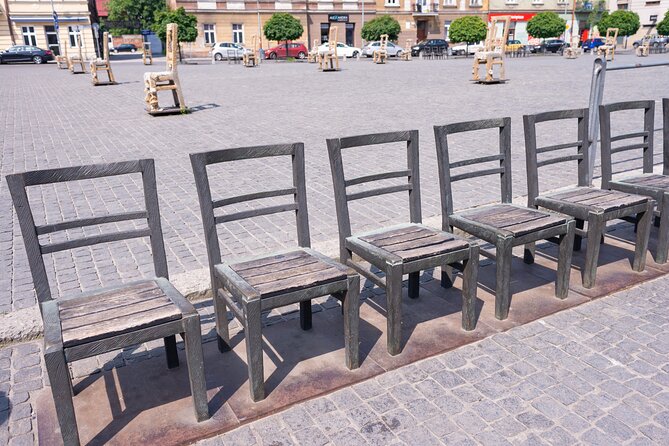
Ghetto Heroes Square is one of the most affecting places on the route. Today, the square is marked by the Chair Memorial, a group of empty chairs placed in the open space.
The chairs recall the belongings left behind when Jewish residents were forced from their homes. They also refer to the square’s wartime use during round-ups and deportations to concentration camps. Your guide explains how a public space became a place of terror, waiting, and separation.
The scheduled stop lasts about 20 minutes. That may sound brief, but the square does not need a long lecture to make its point. The open space and the simple memorial leave room for the facts to settle.
I find this stop most useful after the museum because you already have the basic timeline. Instead of hearing about deportations as an abstract event, you are standing in a place where people were gathered and removed from their homes.
The experience is solemn rather than entertaining. Families can take part, but younger children may need help with the subject matter. The tour is suitable for most people physically, yet you should expect a fair amount of walking and time on your feet.
More Jewish heritage walks in Krakow:
- Krakow: Schindler’s Factory & Ghetto Guided Tour
★ 4.7 · 1,694 reviews - Krakow: Jewish Quarter and Former Ghetto Tour
★ 4.9 · 1,441 reviews - Krakow: Bike Tour of Old Town, Jewish Quarter and the Ghetto
★ 4.9 · 1,155 reviews - Krakow: Kazimierz, Schindler’s Factory & Ghetto Guided Tour
★ 4.8 · 460 reviews
Under the Eagle Pharmacy and Tadeusz Pankiewicz
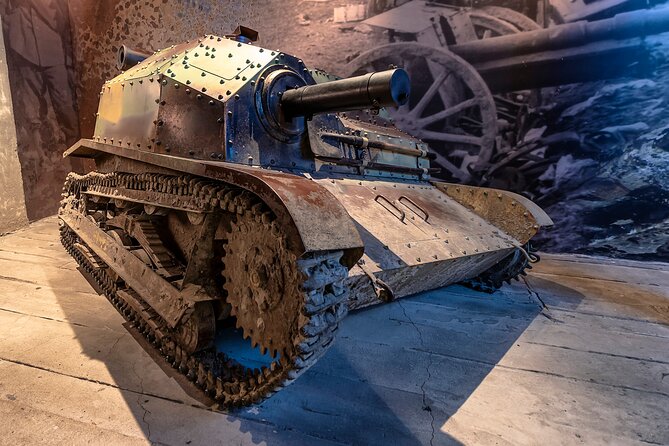
The final stop is Under the Eagle Pharmacy, located at Plac Bohaterów Getta 18, across from the square. The pharmacy is linked to Tadeusz Pankiewicz and his staff, who risked their safety to help Jewish residents.
They provided medicine, shelter, and a measure of hope inside the ghetto. Their work gives the tour another human scale. Schindler’s actions are one example of courage, but the pharmacy shows that help also came through daily acts of care in a place where even basic assistance could be dangerous.
The outside explanation is included in the walking tour, but entry to the pharmacy museum is not. That distinction matters. If you want to go inside Under the Eagle Pharmacy, you will need to arrange or pay for that separately. The tour ends here, so this is a convenient point to continue exploring Podgórze on your own.
The end point is close to public transportation. It is also a practical place to pause after an emotionally heavy morning or afternoon.
Is $58.81 good value?
At $58.81 per person, this is not the cheapest way to see the district. You are paying for museum admission, a licensed guide, and the convenience of connecting four important sites without doing the research yourself.
The value is strongest if you want a guided first visit. Schindler’s Factory contains enough material to overwhelm a visitor who does not know where to focus. The guide helps you understand which photographs, rooms, and personal stories deserve your attention.
The walking section adds value because it prevents the museum from becoming an isolated indoor experience. You see the remaining wall, the former service buildings, the square used for deportations, and the pharmacy associated with aid. The connection between the exhibits and the streets is the central reason to choose the combined tour.
The value is weaker if you prefer to read at your own speed, avoid groups, or want a detailed study of Schindler himself. A self-guided museum visit gives you more time with individual displays, though you lose the guide’s explanation and the outdoor route.
A maximum group size of 25 is reasonable for a popular museum, but it is not intimate. Crowding inside the building can make the group feel larger. Prebooked admission helps with entry, but it does not guarantee a quiet visit.
Timing, language, and practical details
The experience is offered in English, and each group tour is conducted in one language. Select your preferred language when booking.
The advertised duration is approximately three hours. The listed stops add up to about two hours and 40 minutes, but museum scheduling and the pace of the group can change the timing. Plan on extra time, especially if you have another fixed appointment afterward.
Arrive at least 10 minutes before the start. Once the group has entered, late arrivals cannot be accommodated, and the museum tickets are non-refundable in that situation.
All participant names must be supplied when booking because the museum issues personalized tickets. Check the spelling carefully. Missing names can result in denied entry.
The tour runs in all weather. Comfortable footwear is sensible, and you should bring clothing suited to the forecast. The museum itself has narrow passageways, while the second half takes place outdoors on city streets.
Free cancellation is available up to 24 hours before the start time. Cancellations or changes made less than 24 hours before the tour do not qualify for a refund.
Who should book this Kraków tour?
I would choose this experience for a first visit to Kraków if you want a clear introduction to the city’s wartime story. It suits adults, families with older children, and anyone who prefers personal stories and explanation over reading every museum label alone.
It is also a good choice if Schindler’s List prompted your interest. The tour explains the real people and places behind the film, but it does not turn the entire visit into a movie-location walk.
You should think twice if your main goal is to see original factory machinery. The building is historic, but the museum no longer operates as a factory and contains no original production equipment.
I would also avoid scheduling it too tightly before another activity. The museum can be crowded, the guide may need to adjust the pace, and the outdoor section sometimes takes longer than the nominal three hours.
Should you book it?
Book it if you want the museum and former ghetto sites explained as one connected story. The most praised qualities are the guides’ personal storytelling, the use of photographs to explain vanished places, and the way the outdoor walk gives meaning to what you saw inside.
Skip it if you want a quiet, slow museum visit or a tour focused only on Oskar Schindler. The exhibition is wider than his biography, and the group setting can feel tight.
For most first-time visitors interested in Kraków’s Jewish and wartime past, the combination offers solid value. Go prepared for difficult subject matter, arrive early, wear good shoes, and stay close to the guide. Those small choices will make a meaningful difference.
FAQ
Where does the tour begin?
The tour begins at Lipowa 4 in Kraków, outside Schindler’s Factory Museum.
Where does the tour end?
The tour ends at Under the Eagle Pharmacy, at Plac Bohaterów Getta 18 in Kraków.
How long does the experience last?
The advertised duration is approximately three hours. Times are approximate and may change because of museum or site scheduling. One reported tour lasted about four hours.
Is admission to Schindler’s Factory included?
Yes. Prebooked admission to Schindler’s Factory Museum is included.
Is entry to Under the Eagle Pharmacy included?
No. The walking tour stops outside Under the Eagle Pharmacy, but museum admission there is not included.
What exhibition will I see at Schindler’s Factory?
You will see Kraków under Nazi Occupation 1939 to 1945, an exhibition about the city during World War II with Oskar Schindler’s story included.
Is the original factory equipment still inside?
No. The building originally operated as Schindler’s factory, but it is now a museum and no longer contains original production equipment.
Is the tour offered in English?
Yes. English is an available tour language, and each group tour is conducted in one language.
How large can the group be?
The group can include a maximum of 25 people.
What happens if I arrive late?
You must arrive at least 10 minutes early. Once the group has entered, late arrivals cannot be accommodated, and the tickets are non-refundable.
Do I need to provide participant names?
Yes. Full names are required at booking because the museum issues personalized tickets.
More Walking Tours in Krakow
- Old Town Krakow & Wawel Castle Walking Tour
★ 5.0 · 1,508 reviews - Creepy Krakow: 2-Hour City Walking Tour
★ 4.7 · 1,131 reviews - Krakow: The Old Town Walking Tour
★ 4.8 · 794 reviews - Krakow: Kazimierz Jewish Quarter Walking Tour
★ 4.8 · 571 reviews
Just added around Krakow
- Private Guided Tour: Oskar Schindler’s Factory★ 5.0 · 3 reviews
- E-Scooter Krakow sightseeing tour★ 5.0 · 3 reviews
- From Krakow: Zakopane and Thermal Pools Guided Trip★ 5.0 · 3 reviews
- Schindler’s Factory, Ghetto and Plaszow Camp Guided Tour★ 4.7 · 3 reviews
- Kraków: Private Hot Air Balloon Flight with Champagne★ 3.7 · 3 reviews
- Krakow: River Cruise & Guided Visit to Former Plaszow Camp★ 3.6 · 3 reviews
- From Krakow: Private Wieliczka Salt Mine Tour★ 4.0 · 3 reviews
- Krakow: Old Town short walk with St. Mary’s Basilica visit★ 5.0 · 3 reviews
Schindler's Factory Tours, compared.

Oskar Schindler’s Factory Entry Ticket & Guided Tour
Read our review →
Schindler’s Factory Tour with Entrance Ticket
Read our review →
Schindler’s Factory Tour with Entrance Ticket
Read our review →
Schindler’s Factory in Krakow: Guided Tour & Skip the Line Ticket
Read our review →

Schindler’s Factory Ticket with Guided Tour Option
Read our review →
Krakow Schindler’s Factory Guided Tour with Admission Ticket
Read our review →Browse the lists this tour appears in